Among the methods for correcting asymmetric eyes, there are some things to check.
Unlike ordinary double eyelid revision surgery, there are many factors to consider in asymmetric eye correction.
The size of the double eyelids, the degree of strength when opening the eyes, the shape of the inner corners, the shape of the outer corners, the shape of aegyo-sal,
and the degree of puffiness under the eyes, and so on—there are really many things that need to be considered.
Usually, people think that if the double eyelids are badly done or if the sizes of the double eyelids differ between the two sides, they look uneven,
so they assume that simply having double eyelid surgery again will correct the asymmetry. But in fact, it is not that simple.
So today, let’s look at asymmetric eye correction methods other than double eyelid surgery when there is asymmetry between both eyes.
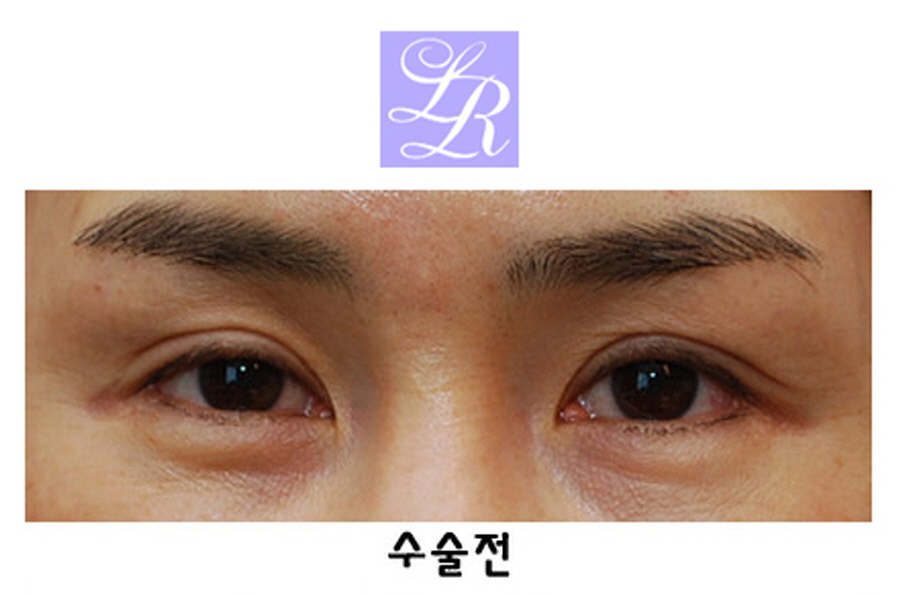
The case above is a representative asymmetry case, where the shape of the double eyelids on both eyes is different and, especially, the degree to which the eyes open is different, making the asymmetry quite noticeable.
In particular, for women, it can be very stressful when the two eyes look different in selfies or group photos.
Usually, when the strength of opening the eyes differs, the degree to which the forehead is used on both sides also differs, causing the eyebrow on the side that does not open well to rise upward.
Unlike simply having different-looking double eyelids, if there is insufficient strength in opening the eyes, the difference in eye size becomes much larger, and the degree to which the outer corners of the eyes tilt upward can also look very different.
So, in order to match these differences as much as possible, it is of course necessary to plan the surgery carefully, and correction is more likely to be complete only if several asymmetric eye correction methods are used.
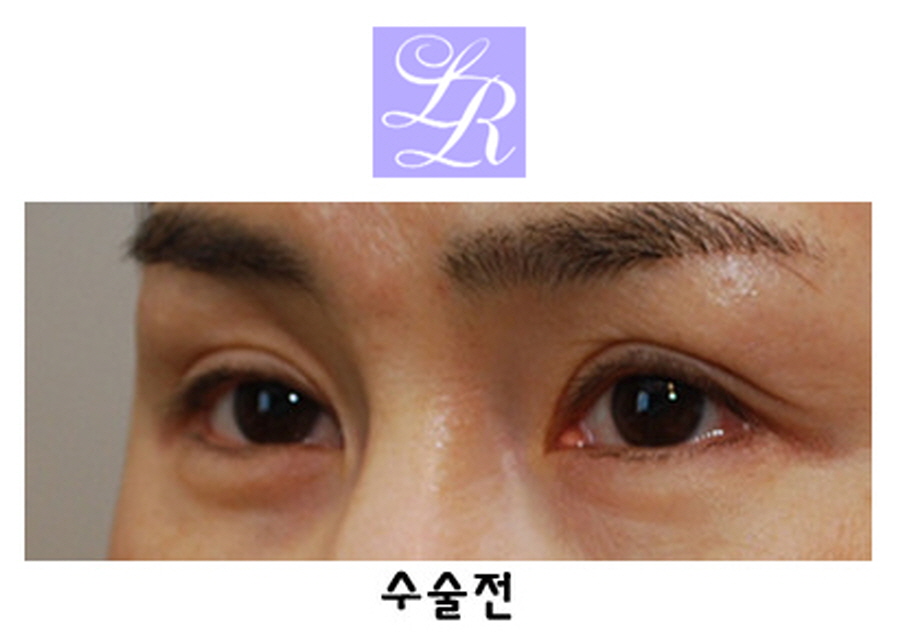
Another problem with one eye opening less is that, not only in frontal photos but also in side photos, the difference between the two eyes looks quite large, making the face look odd in photos.
It may seem as if the left and right eyes are looking in different directions, and the eyes may even look somewhat like #strabismus. ㅠ
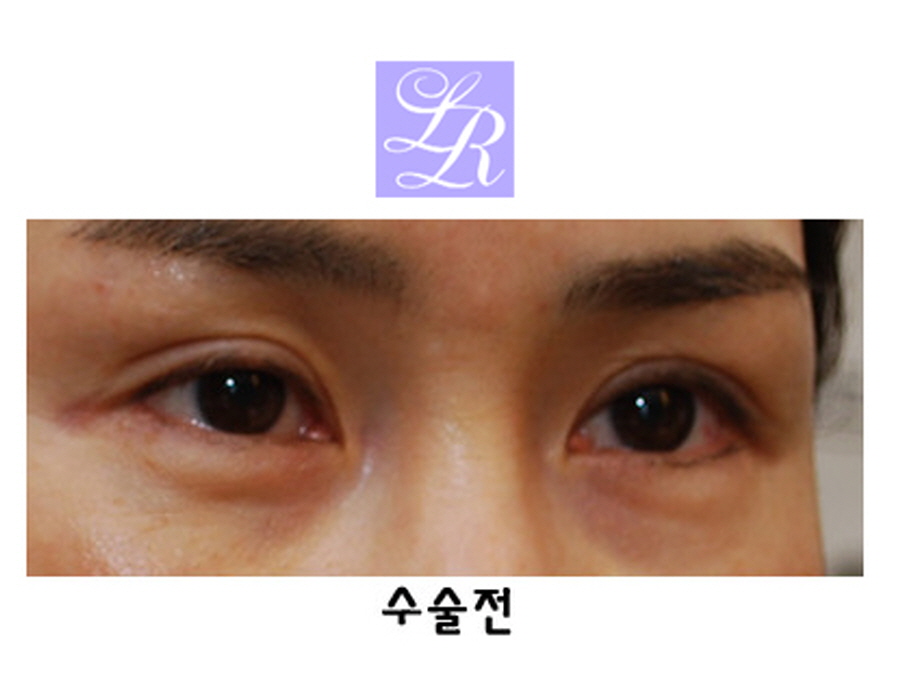
On the side where the eye does not open as well, the muscles also do not fully draw inward, so the fat connected to the muscle is pulled into the inner part of the eye,
and a sunken appearance may occur, making the upper eyelid look hollow.
The procedure that solves these various problems all at once is #ptosis-correction surgery.
All eye surgery-related procedures broadly have the effect of ptosis correction, but true ptosis correction is, of course, the surgery that strengthens the muscles that open the eyes.
Ptosis-correction surgery is the real! ptosis correction. ㅎ
So then, shall we look at the effects of the true asymmetric eye correction methods: ptosis correction, double eyelid revision, and #outer-corner-lowering and lateral canthoplasty?
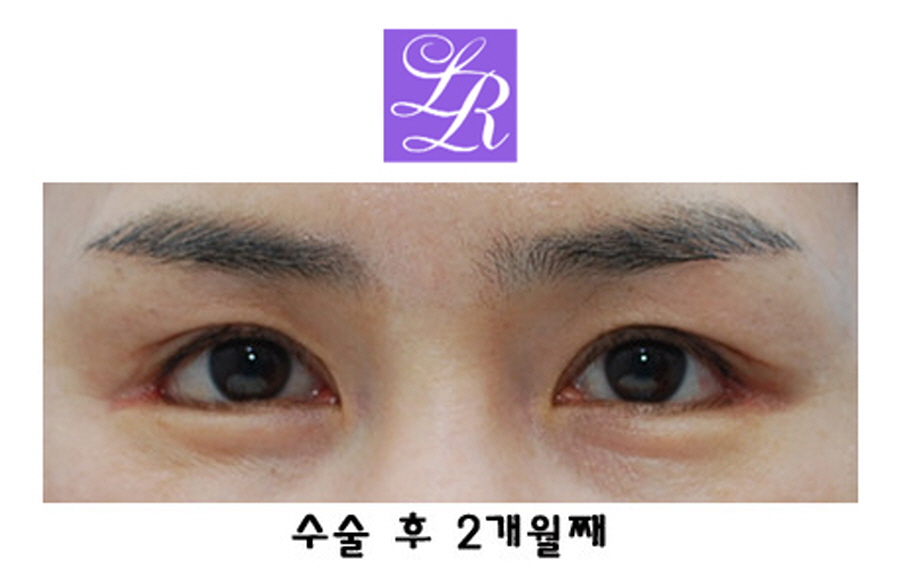
As a result of #double-eyelid-revision #ptosis-correction #lateral-canthoplasty, which are asymmetric eye correction methods,
all of the overall differences mentioned above—eye size, double eyelid size, the degree to which the eyes open, eyebrow position, the sunken upper eyelid symptom,
the degree of tilt of the outer corners of the eyes, and so on—
can be seen in the photo as having been properly corrected!
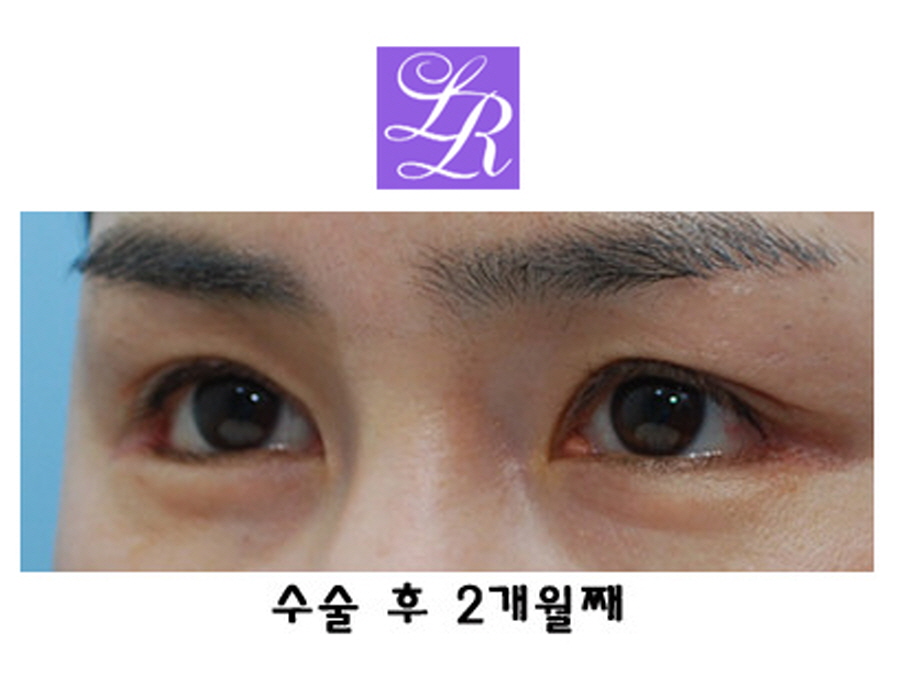
In the side photo as well, it no longer looks like one eye is smaller or like strabismus, and the tilt of the outer corners has become similar, so you can see that the difference in eye size is almost gone.
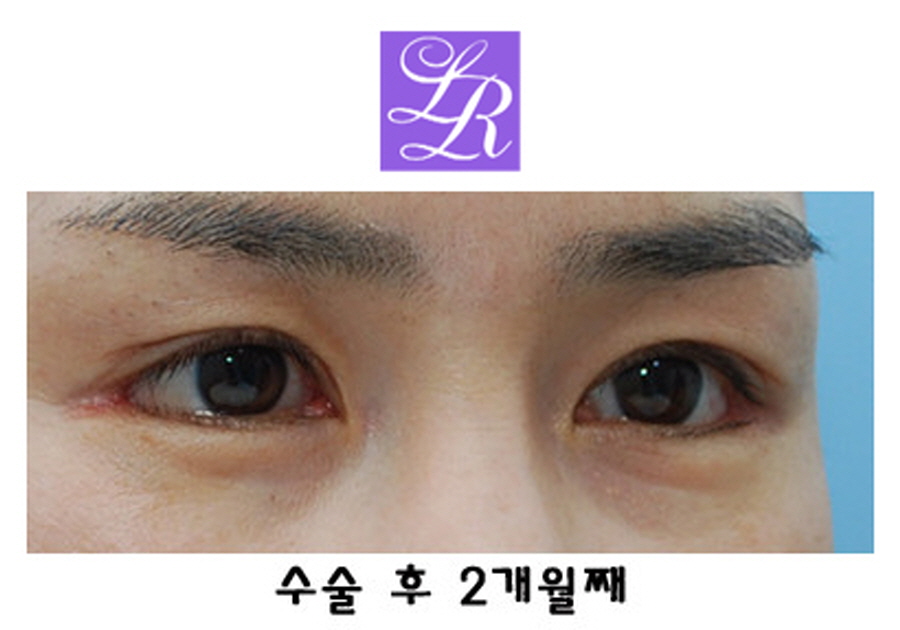
Even when viewed from the other side, it no longer looks like strabismus or asymmetry, and you can see a fairly improved appearance compared to before the surgery.
I hope that people with asymmetric eyes keep in mind that these various asymmetric eye correction methods need to be done together in order to achieve almost complete correction, and
please also check the results through the #asymmetric-eye-correction-video.