Hello.
This is Oks Dental Clinic.
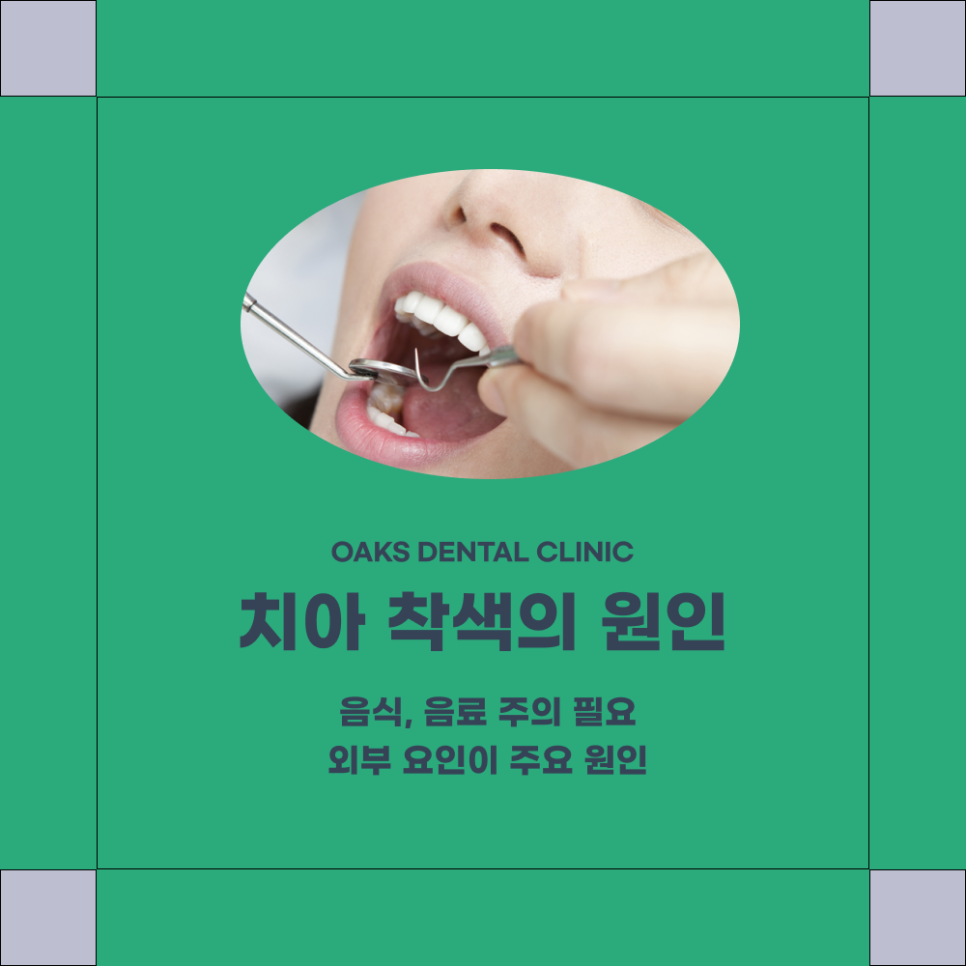
Tooth discoloration refers to a change in the tooth’s original color or the appearance of stains, and it is considered an important issue from an aesthetic standpoint.
Healthy teeth are bright and translucent white, but they can become discolored or stained for various reasons.
Tooth discoloration is classified into extrinsic discoloration and intrinsic discoloration depending on the cause.
Today, let’s look at the main causes of tooth discoloration and how to prevent it.
Causes of Tooth Discoloration
▶ Extrinsic Discoloration
Extrinsic discoloration is a phenomenon caused by pigment buildup on the surface of the teeth, mainly from substances introduced from outside.
● Food and beverages
Foods and drinks with strong pigments, such as coffee, tea, wine, and cola, can easily stain teeth.
In particular, tea and coffee containing polyphenols are representative factors that cause staining on the tooth surface.
● Smoking
Tar and nicotine in cigarettes cause teeth to turn yellow.
If smoking continues for a long period, staining on the tooth surface worsens and is not easily removed.
● Poor oral hygiene management
If proper brushing habits are lacking, plaque and tartar form, which can cause tooth discoloration.
▶ Intrinsic Discoloration
Intrinsic discoloration refers to discoloration that occurs inside the tooth and is difficult to remove with external factors.
● Medication use
Taking tetracycline antibiotics during childhood can cause teeth to become gray or brown.
● Dental trauma
If a tooth receives a strong impact, damage to the pulp tissue can cause the tooth to discolor.
● Aging
As people get older, the enamel wears down and translucency decreases, making teeth appear more yellow.
● Genetic factors
The color and translucency of teeth are determined genetically, and some people naturally have darker or more yellow teeth.
How to Prevent Tooth Discoloration
To prevent tooth discoloration, improving lifestyle habits and practicing proper oral care are essential.
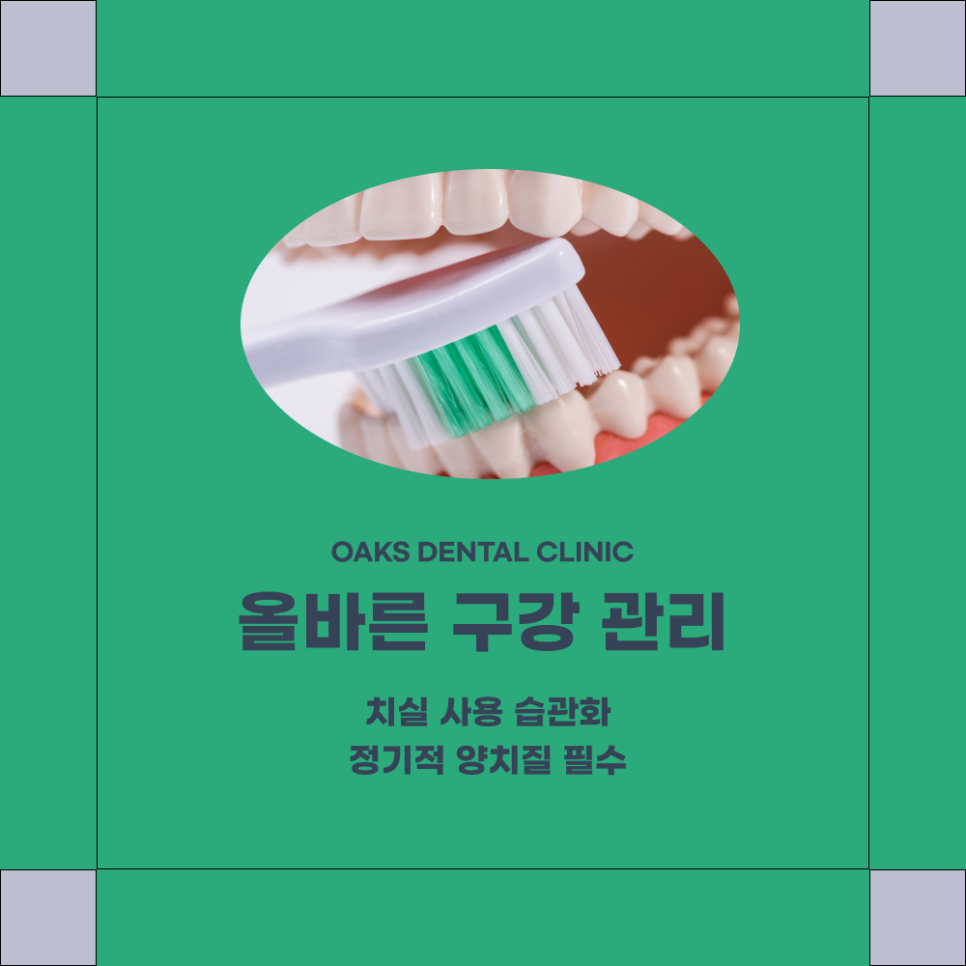
▶ Proper oral hygiene management
Brush properly 2 to 3 times a day, and be sure to brush after consuming foods with strong pigments.
Use dental floss and interdental brushes to remove debris between teeth, and use mouthwash to keep the mouth clean.
▶ Dietary improvements
Reduce your intake of foods and drinks that cause tooth discoloration, or rinse with water immediately after consuming them.
Acidic drinks and fruit juices weaken enamel, so reduce your intake and use a straw to minimize direct contact with the teeth.
▶ Professional dental care
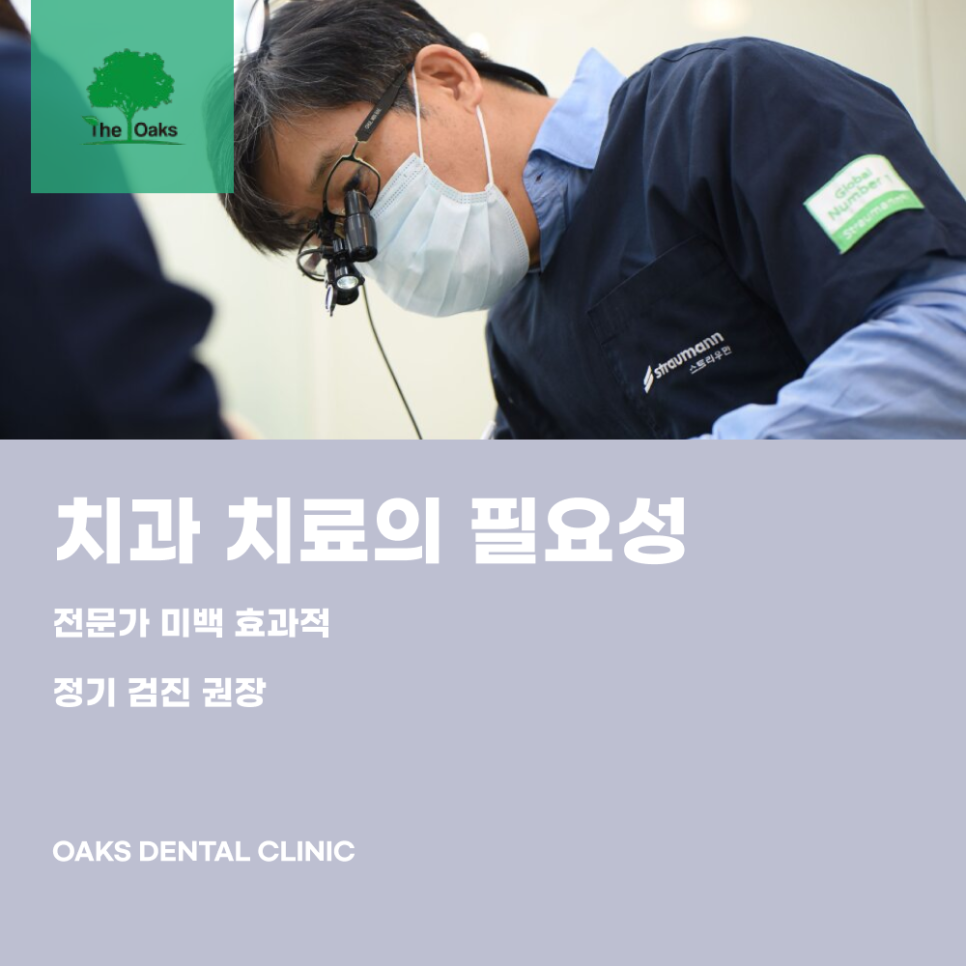
Visiting the dentist regularly for scaling can effectively remove tartar and extrinsic discoloration.
Teeth whitening treatment can improve the color of already discolored teeth.
There are in-office whitening treatments performed at the dental clinic and at-home whitening using self-whitening kits.
▶ Lifestyle changes
Practice quitting smoking to prevent staining caused by tobacco.
When drinking coffee or tea, make it a habit to use a straw or brush your teeth immediately afterward.
How to Deal with Tooth Discoloration
Even if discoloration has already progressed, it can still be improved in various ways.
In-office professional whitening is one of the most effective methods. It uses whitening agents such as hydrogen peroxide to brighten the color of the teeth.
You can also try teeth whitening at home relatively easily by using a self-whitening kit.
If the discoloration is severe, prosthetic treatments such as laminate veneers or tooth contouring may also be considered.
Tooth discoloration is a common problem caused by lifestyle habits and oral care, but if you understand the cause accurately and practice prevention and treatment methods, it can be sufficiently improved.
It is important to maintain bright and healthy teeth through regular oral hygiene, dietary improvements, and routine dental checkups.
Through this, you can protect both a confident smile and oral health at the same time.