Hello.
This is Oks Dental Clinic.
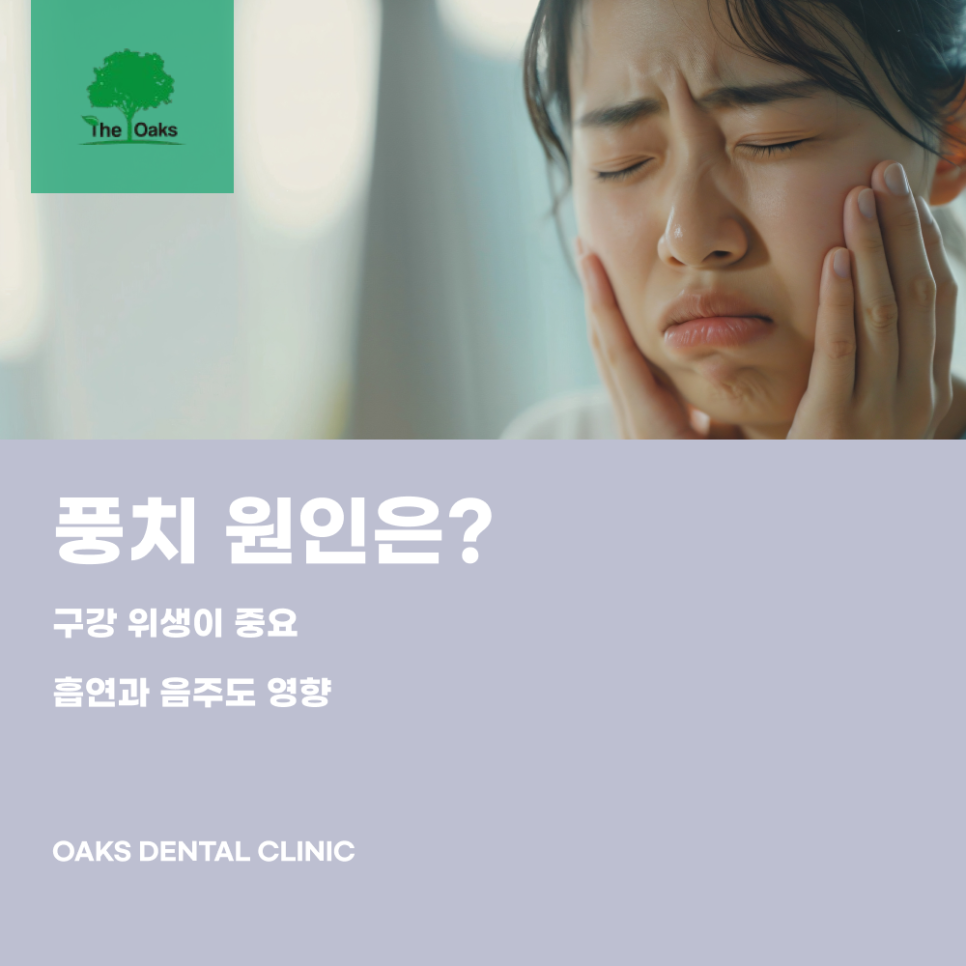
Periodontal disease is a type of periodontal condition in which the gums weaken and the alveolar bone that supports the teeth becomes damaged.
It usually starts as mild gum inflammation, but if left untreated, it can eventually lead to tooth loss.
Today, let’s take a look at periodontal disease treatment.
What Is Periodontal Disease?
Periodontal disease refers to a more advanced stage of periodontitis, a condition that affects not only the gums but also the alveolar bone surrounding the teeth.
It usually begins with gingivitis (mild gum inflammation), and if left untreated without proper care, the inflammation spreads deeper and weakens the tissues that support the teeth.
In severe cases, the teeth may become loose or fall out.
Causes of Periodontal Disease
Periodontal disease can be caused by various factors, and the main causes are listed below.
▶ Poor oral hygiene
If brushing is not done properly, plaque and tartar build up and cause inflammation.
▶ Smoking and drinking
Smoking interferes with blood circulation and weakens gum tissue, while alcohol lowers immunity and increases the risk of bacterial infection.
▶ Improper bite alignment
If the way the teeth fit together is unbalanced, excessive force may be placed on certain areas, damaging the gums and alveolar bone.
▶ Nutritional imbalance
A lack of nutrients such as vitamin C can weaken gum tissue.
▶ Weakened immunity
When immunity is weakened due to diabetes, stress, and other factors, bacterial infections can occur more easily.
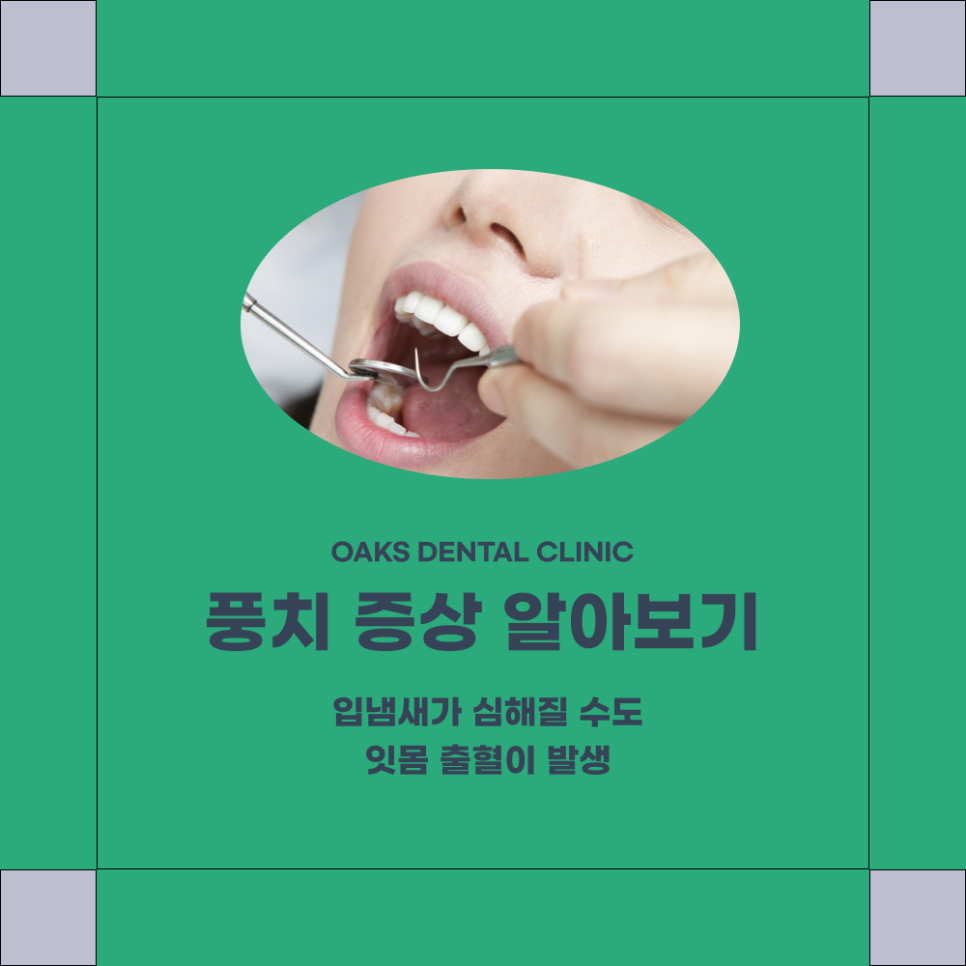
Main Symptoms of Periodontal Disease
In the early stages, periodontal disease may not cause much discomfort, but as symptoms worsen, it can lead to various problems.
▶ Gum bleeding
It is common for the gums to bleed when brushing or chewing food.
▶ Gum swelling and pain
As the inflammation worsens, the gums may swell and pain may appear.
▶ Gum recession
The gums gradually recede, exposing the roots of the teeth.
▶ Increased bad breath (halitosis)
Bacteria and inflammatory substances can cause severe bad breath.
▶ Loose teeth
As the alveolar bone weakens, the teeth become loose and may even fall out in severe cases.
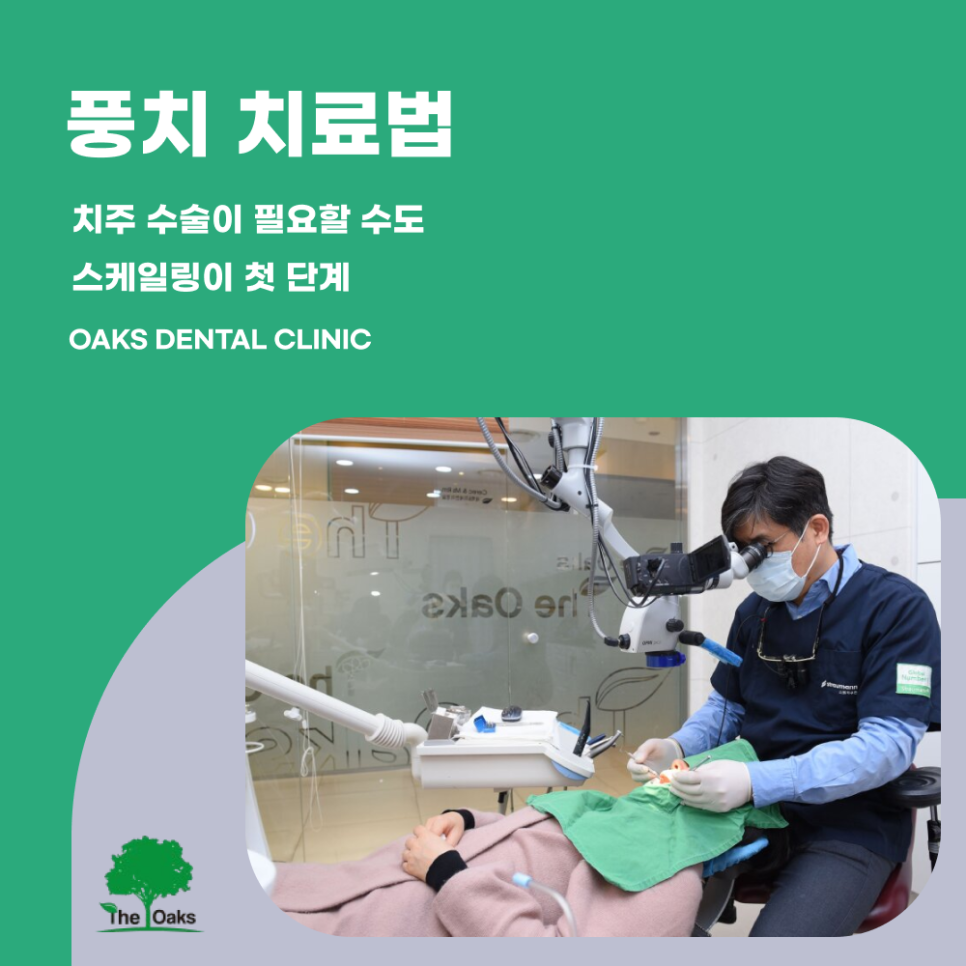
Treatment Methods for Periodontal Disease
The earlier periodontal disease is treated, the faster recovery can be, and the treatment method varies depending on how far it has progressed.
▶ Early-stage treatment
● Scaling
Removes tartar and plaque to relieve gum inflammation.
● Proper brushing habits
Maintain oral cleanliness by using a soft toothbrush and dental floss.
▶ Moderate periodontal disease treatment
● Root planing (curettage)
A treatment that removes tartar and inflamed tissue from inside the gums.
● Antibiotic treatment
If inflammation is severe, antibiotics are used to reduce bacterial infection.
▶ Severe periodontal disease treatment
● Periodontal surgery
If the gums are severely damaged, the gums are incised to treat the alveolar bone and gum tissue.
● Implant or prosthetic treatment
If teeth have been lost, implants or dentures can be used to restore function.
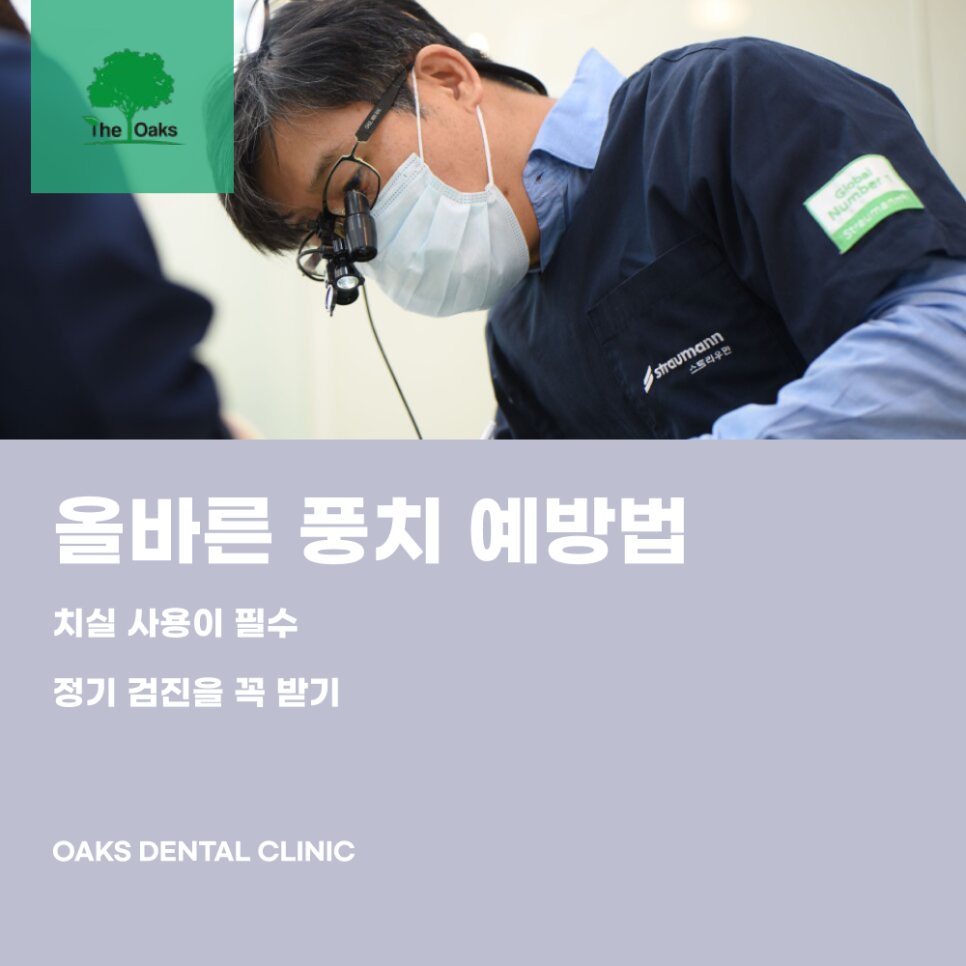
How to Prevent and Manage Periodontal Disease
Prevention is the most important thing for periodontal disease, and practicing the methods below can help maintain healthy gums.
▶ Proper brushing habits
Brush 2 to 3 times a day with a soft toothbrush, and use interdental brushes and dental floss together.
▶ Regular dental checkups
Visit the dentist every 6 months for scaling and to check the condition of your gums.
▶ Reduce smoking and drinking
Smoking is a major cause of periodontal disease, so quitting is recommended.
Excessive drinking can lower immunity and worsen inflammation.
▶ Maintain a balanced diet
Eat foods rich in vitamin C, calcium, and protein to maintain gum health.
Foods high in sugar are best avoided because they promote bacterial growth.
▶ Stress management
Stress can weaken immunity, so manage it through proper rest and exercise.
Periodontal disease is a serious condition that can lead to tooth loss if left untreated, but it can be managed well through early treatment and prevention.
By practicing proper oral hygiene habits and regular dental checkups, you can maintain healthy gums.