Gangnam Station Dental Clinic: An Explanation of the Types of Prosthodontic Treatment.
Hello.
This is OX Dental Clinic.
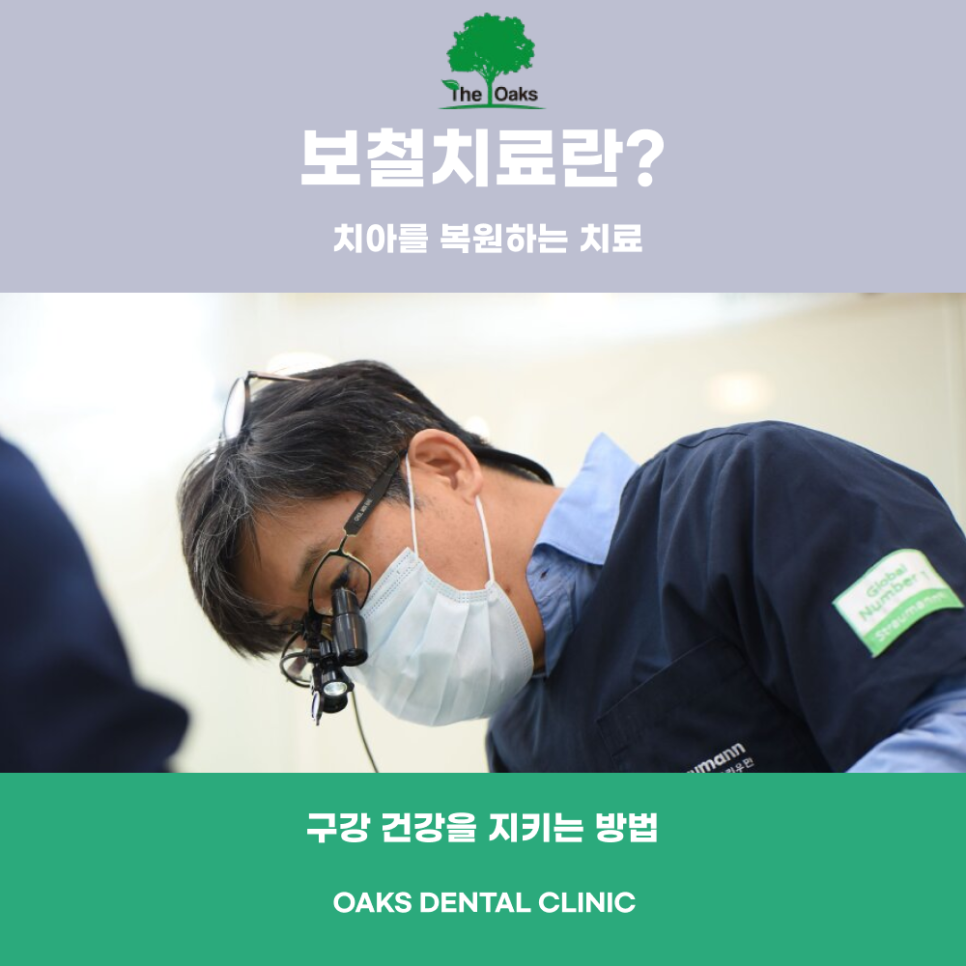
Today, we will look at prosthodontic treatment, an effective way to restore damaged teeth.
What Is Prosthodontic Treatment?
Prosthodontic treatment is a dental treatment that uses artificial methods to restore teeth that have been damaged or lost due to cavities, trauma, aging, or other reasons.
Teeth perform not only the function of chewing food but also play roles in pronunciation and appearance, so their loss can cause various inconveniences.
Prosthodontic treatment plays an important role in maintaining oral health by addressing these problems and restoring dental function.
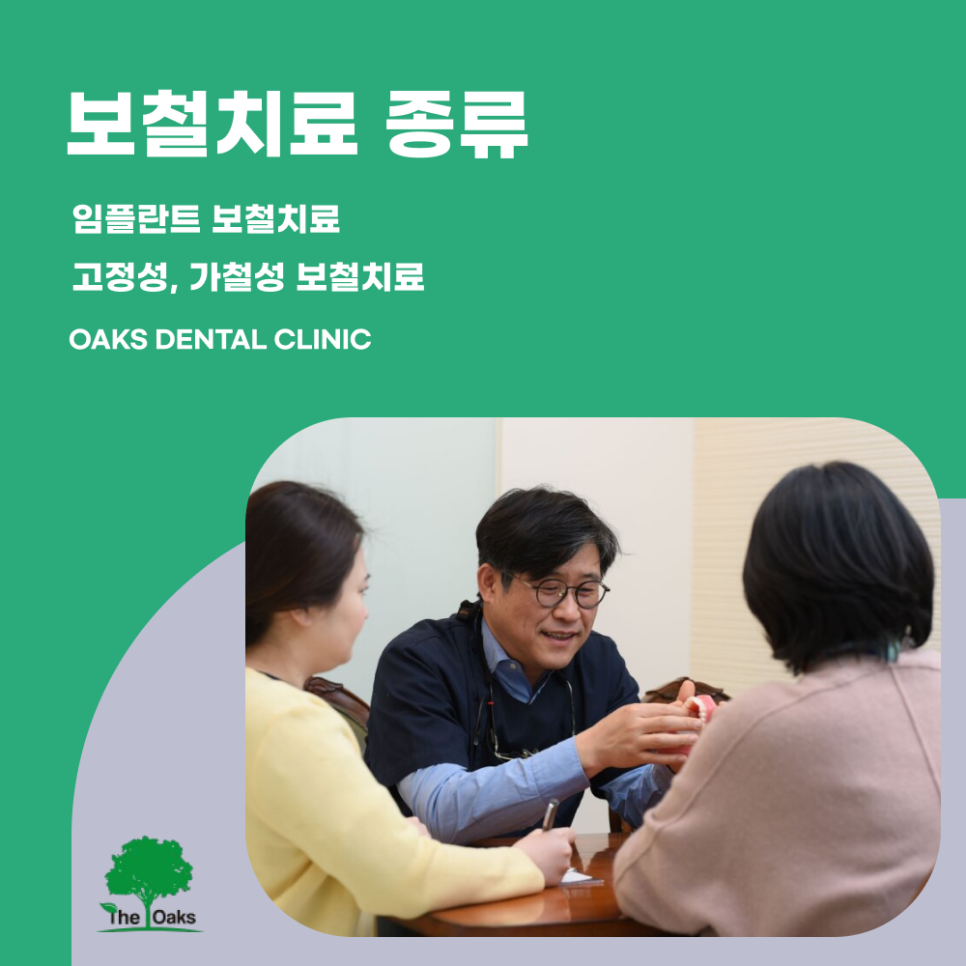
Types of Prosthodontic Treatment
▶ Fixed Prosthodontic Treatment
Fixed prosthodontic treatment restores damaged teeth using prostheses that patients cannot remove themselves.
The representative methods are as follows.
● Crown Treatment
Crown treatment involves placing a prosthesis over a tooth to protect it and restore its function when its structure has been severely damaged.
Crowns are made from a variety of materials, including metal, porcelain, and zirconia. Porcelain crowns, which offer an appearance similar to that of natural teeth, are widely used.
● Bridge Treatment
A bridge is a method of replacing one or more missing teeth by using the adjacent teeth to restore the area of tooth loss.
The teeth on both sides of the missing tooth are used as supports, and the prosthesis is connected between them, allowing it to perform functions similar to those of natural teeth.
However, the supporting teeth may need to be filed down, which can be a burden.
▶ Removable Prosthodontic Treatment
Removable prosthodontic treatment uses prostheses that patients can put in and remove themselves. It includes partial dentures and complete dentures.
● Partial Denture
A partial denture is a prosthesis used when some teeth are missing.
It is made of metal or plastic and is secured by attaching clasps to the remaining natural teeth.
Although it is a relatively economical treatment, it may feel uncomfortable when worn.
● Complete Denture
A complete denture is a prosthesis used when all teeth have been lost.
It is custom-made according to the condition of the patient’s gums and jawbone, and an adjustment period is needed at the beginning of use.
Recently, dentures combined with implants, known as implant overdentures, have also been widely used.
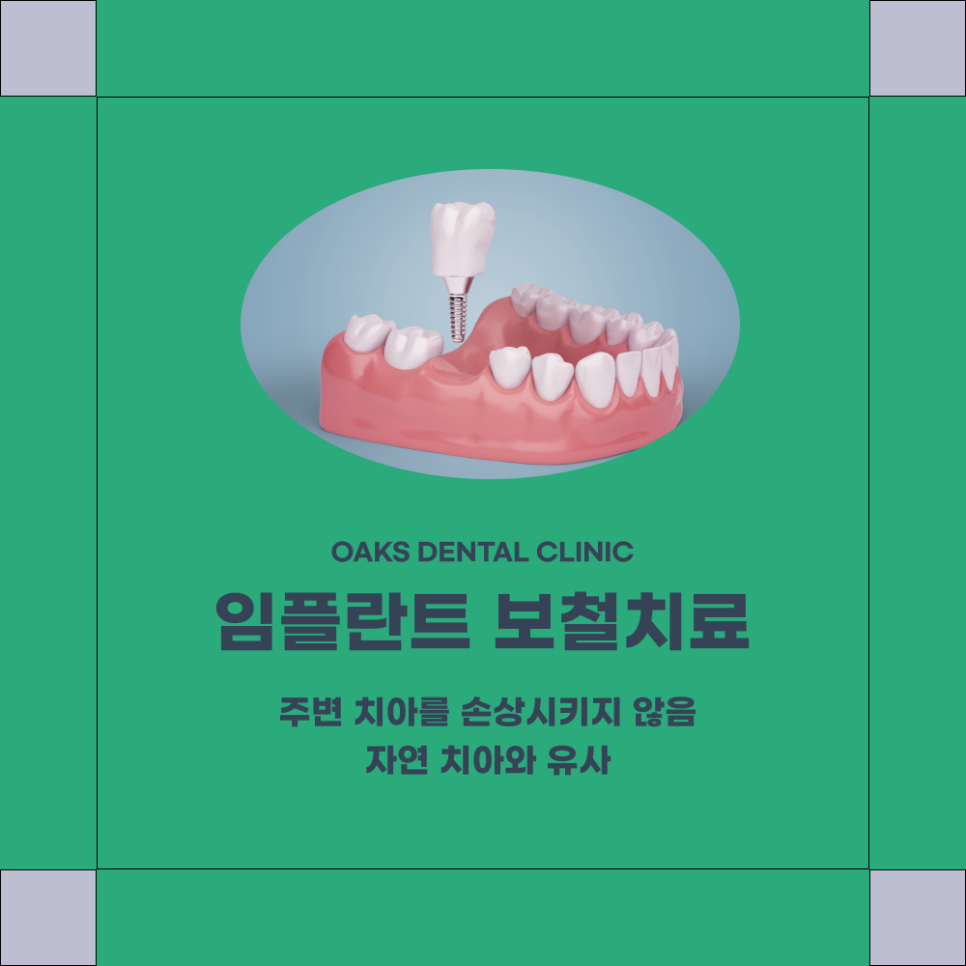
▶ Implant Prosthodontic Treatment
Implant prosthodontic treatment involves placing an artificial root in the jawbone and connecting a prosthesis on top of it.
It provides functions and appearance similar to those of natural teeth, and one advantage is that it does not damage the surrounding teeth.
● Advantages of Implants
⊙ Functions similar to those of natural teeth
They provide strong and stable chewing ability.
⊙ Minimizing damage to surrounding teeth
Unlike a bridge, adjacent teeth do not need to be filed down.
⊙ Jawbone protection
When a missing tooth is left untreated for a long time, the jawbone may be resorbed. Implants can help prevent this.
● Disadvantages of Implants
⊙ Cost burden
They tend to cost more than other prosthodontic treatments.
⊙ Need for surgery
Surgery is required because an artificial root must be placed in the gum bone, and the recovery period may be somewhat long.
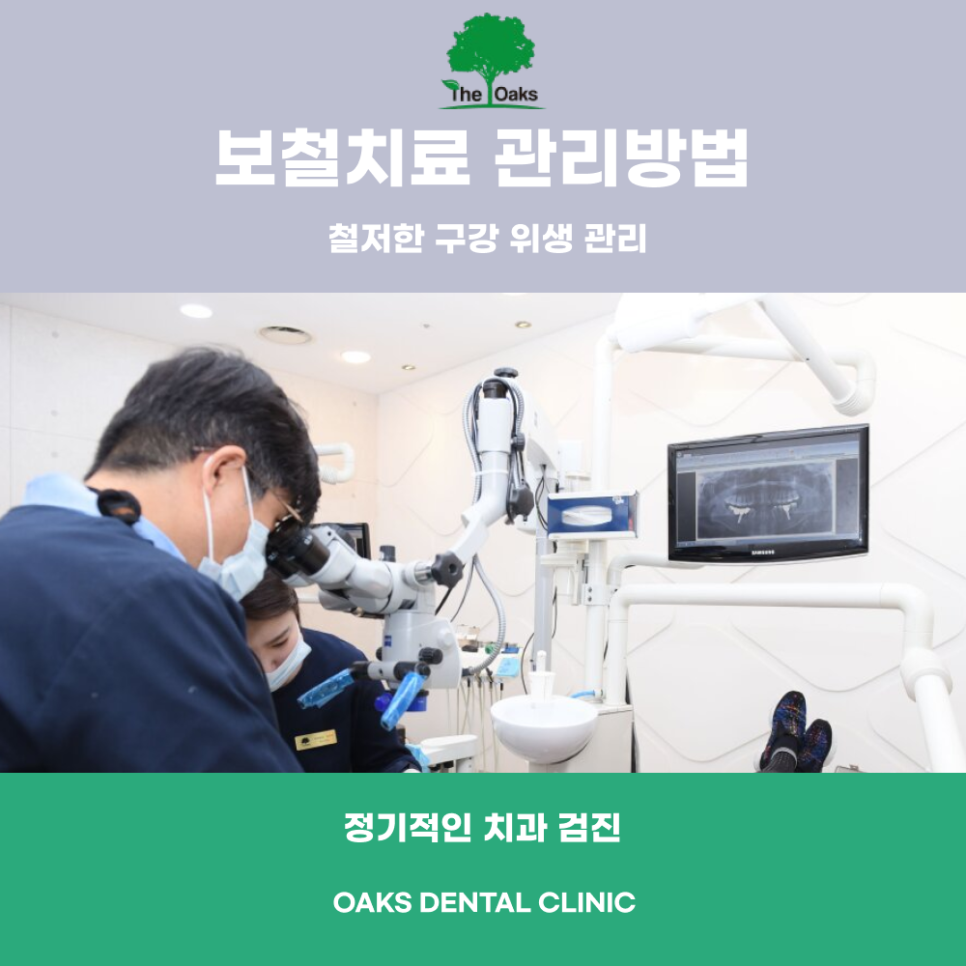
How to Care for Your Teeth After Prosthodontic Treatment
Proper care is essential after prosthodontic treatment.
Because prostheses may become damaged or cause inflammation in the mouth, it is advisable to follow the guidelines below.
▶ Thorough Oral Hygiene Management
● Brush your teeth carefully
The area around the prosthesis should be cleaned carefully.
In particular, implants require more thorough care to help prevent gum inflammation, known as peri-implantitis.
● Use dental floss and interdental brushes
Care should be taken to prevent food from becoming trapped between the prosthesis and natural teeth.
▶ Regular Dental Checkups
Dental checkups every 6 months to 1 year are recommended so that the condition of the prosthesis can be examined and it can be adjusted or replaced if necessary.
▶ Be Careful When Eating
Hard or chewy foods can place stress on the prosthesis, so caution is advised.
You may be sensitive to hot or cold foods, so it is advisable to consume them carefully at first.
The Importance of Prosthodontic Treatment
Prosthodontic treatment does more than simply replace teeth; it plays an important role in maintaining oral health and improving quality of life.
If missing teeth are left untreated, the surrounding teeth may shift, causing the bite to become misaligned. Difficulty chewing food properly may also lead to digestive problems.
In addition, you may experience psychological stress due to changes in appearance.
Therefore, when a tooth is damaged or lost, it is important to receive prosthodontic treatment at the appropriate time.
With the development of modern dental technology, a variety of prosthodontic treatment options are available. It is advisable to choose the treatment method best suited to the patient’s oral condition.
Prosthodontic treatment is an essential dental treatment for restoring the function and appearance of teeth.
Consistent care is essential after prosthodontic treatment, and it is important to check the condition of the prosthesis through regular dental examinations.
Healthy teeth are an important factor in determining quality of life. Although preventing tooth loss is most desirable, if you have unavoidably lost a tooth, we hope that appropriate prosthodontic treatment will help you maintain a healthy and beautiful smile.