When Is Tooth Extraction Necessary at a Daechi-dong Dental Clinic?
Hello.
This is Oks Dental Clinic.
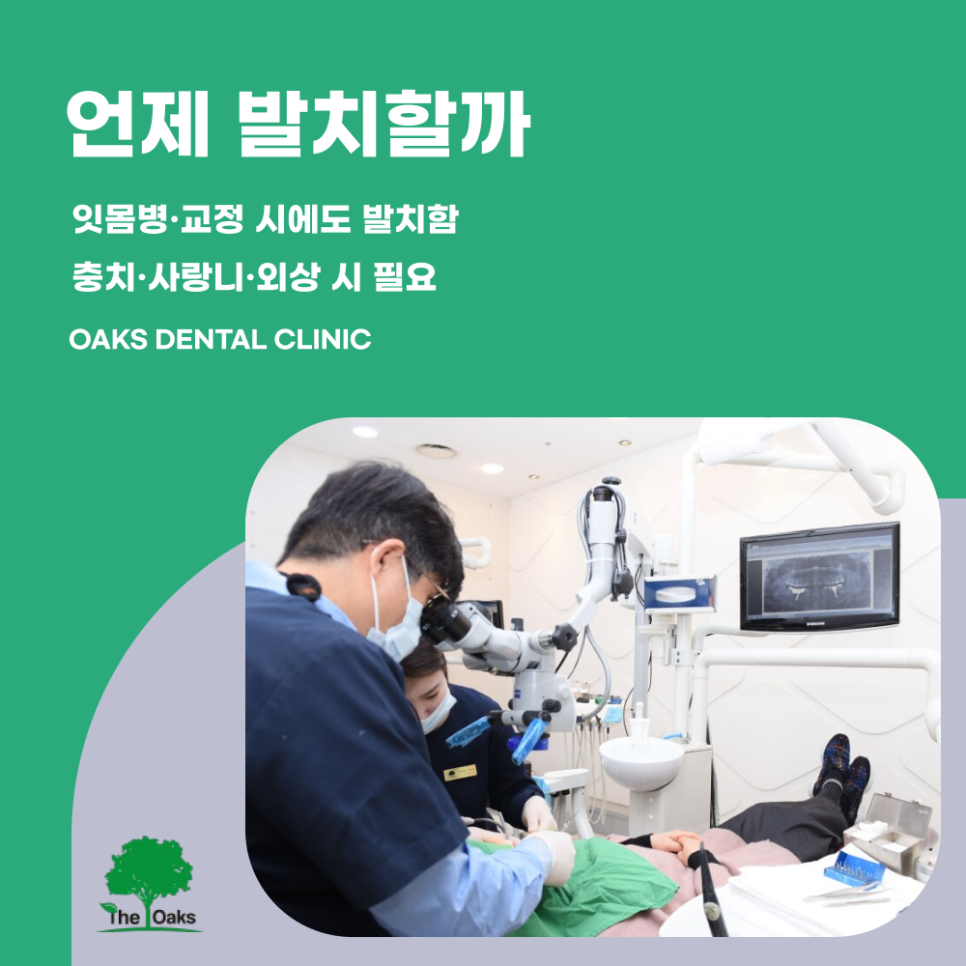
Tooth extraction is a dental treatment that removes a tooth from the oral cavity, commonly described as “having a tooth pulled.”
Although it is one of the dental treatments that many people find the most frightening and burdensome, advances in modern dentistry allow it to be performed relatively quickly and safely.
Tooth extraction does more than simply resolve a problem with a tooth. It also plays an important role in maintaining oral health afterward and preparing for other treatments.
Today, we will look at the situations in which tooth extraction is necessary.
When Tooth Extraction Is Necessary
Tooth extraction may be necessary in a variety of situations.
▶ Severely advanced tooth decay
When tooth decay reaches the tooth’s nerve and the inflammation spreads to the surrounding jawbone (alveolar bone), it becomes difficult to preserve the tooth, making extraction necessary.
▶ End-stage periodontal disease (gum disease)
When the gum tissue and alveolar bone are severely damaged and the tooth becomes loose, extraction is recommended because it is difficult to maintain the tooth’s function.
▶ Wisdom tooth problems
Wisdom teeth may cause pain or inflammation if they do not erupt properly or grow in an abnormal direction.
In particular, impacted wisdom teeth can adversely affect the surrounding tissues, so extraction is necessary if they cause recurring problems.
▶ Extraction for orthodontic treatment
When the teeth are crowded or there is insufficient space in the jawbone, some teeth may be extracted to create space for orthodontic treatment.
▶ Tooth fracture or trauma
If a tooth is deeply fractured or damaged down to the root due to an external impact or other trauma, extraction is performed when restoration is difficult.
The Tooth Extraction Process
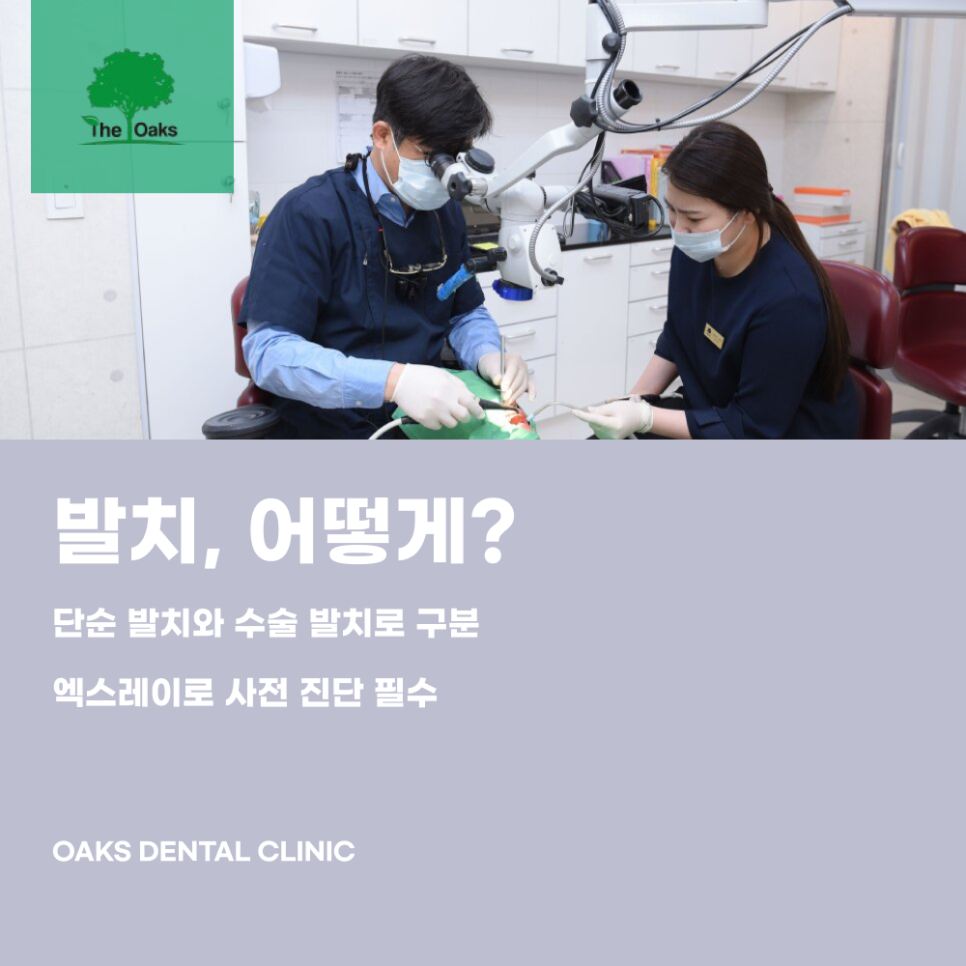
Tooth extraction is broadly divided into simple extraction and surgical extraction.
▶ Simple extraction
This is mainly performed when removing teeth such as front teeth that have simple roots and are exposed outside the gums.
After local anesthesia, the tooth can be loosened and easily removed.
▶ Surgical extraction
This is performed when the structure is complex, such as in the case of a tooth with deep roots or an impacted tooth like a wisdom tooth. The method involves making an incision in the gums, removing part of the bone, and then extracting the tooth.
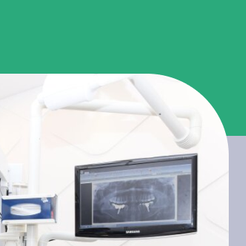
Before extraction, X-rays are always used to check the tooth’s position, root shape, and relationship to the nerves. The treatment plan is established by considering the patient’s overall health and any medications they are taking.

Post-Extraction Precautions
After extraction, care is necessary to prevent side effects such as bleeding, infection, pain, and dry socket.
For 24 hours after extraction, avoid actions that could dislodge the blood clot, such as rinsing your mouth, using a straw, or spitting.
Keep firm pressure on the gauze for at least 30 minutes. Once bleeding has been confirmed to have stopped, it is best to avoid strenuous exercise and saunas.
If you experience pain, take the prescribed pain medication. To prevent infection, you must also take all prescribed antibiotics without missing any doses.
In particular, the blood clot that forms at the extraction site plays an important role in healing the wound, so be careful not to remove or disturb it intentionally.
If the blood clot disappears, dry socket may develop, causing severe pain and delayed healing.
Treatment Plans After Extraction
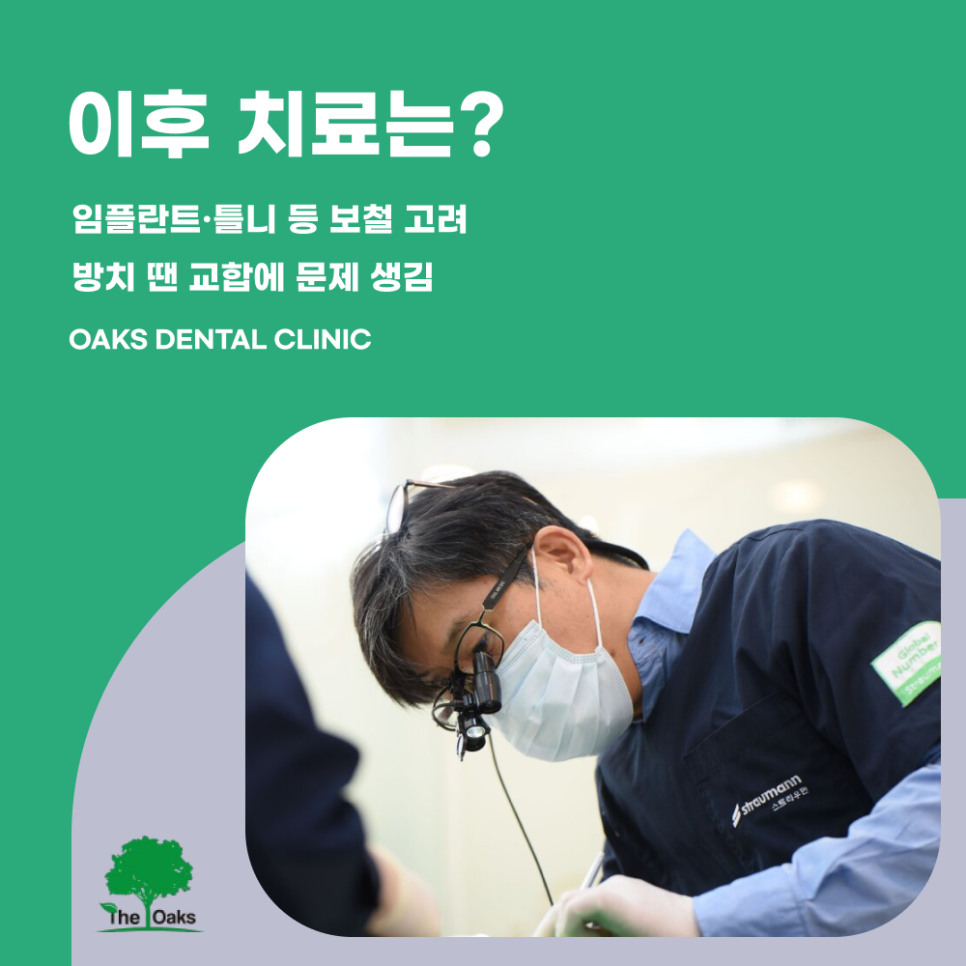
If the extraction site is left untreated for a long period, adjacent teeth may shift into the empty space, or the opposing tooth may descend, causing the overall bite to become misaligned.
Therefore, it is advisable to restore the area with dentures, a bridge, an implant, or another prosthetic treatment.
In particular, an implant involves placing an artificial tooth root into the bone and is a replacement treatment that offers function and aesthetics most similar to those of a natural tooth.
However, sufficient bone volume and healthy gums are important for implant treatment, so a thorough consultation with a dental specialist is necessary.
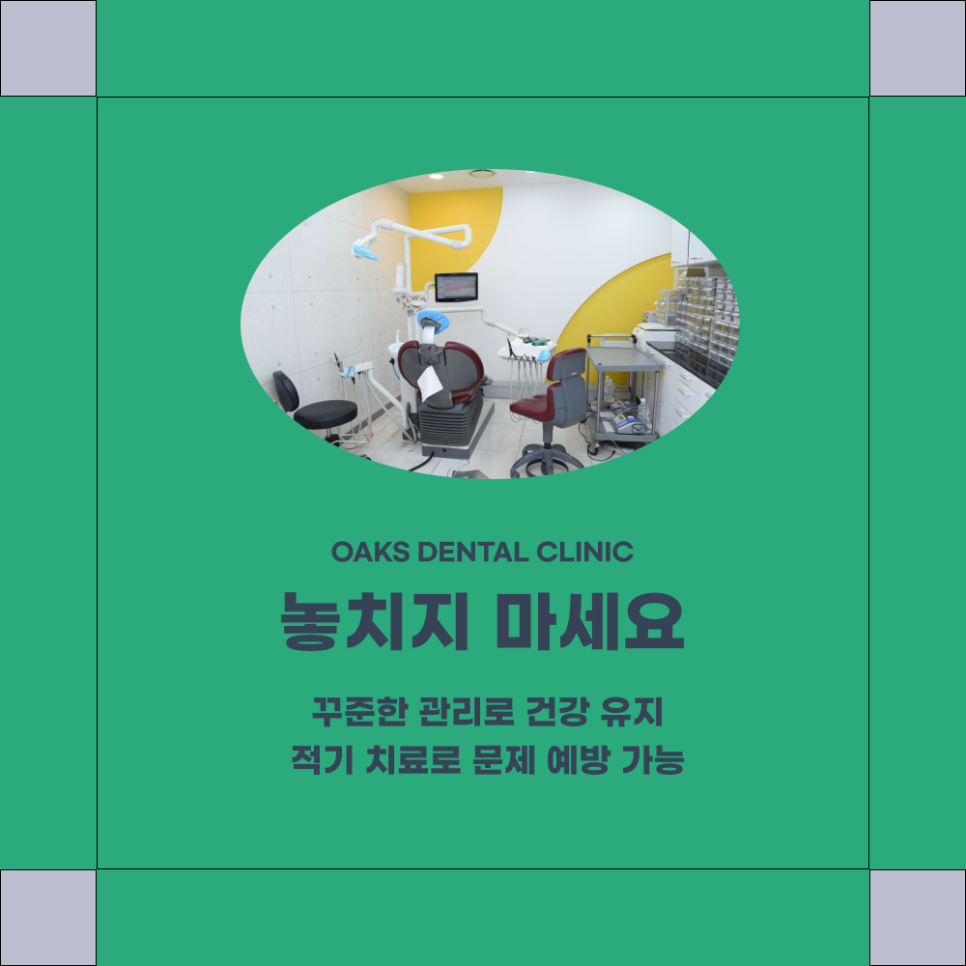
Tooth extraction is not simply the removal of a tooth; it is a highly important procedure for restoring and maintaining oral health.
If extraction is performed at the appropriate time under an accurate diagnosis and treatment plan, you can prevent more serious problems in advance.
In addition, through consistent care after extraction and appropriate replacement treatment, you can maintain a healthy and attractive oral condition.