Hello.
This is Ox Dental Clinic.
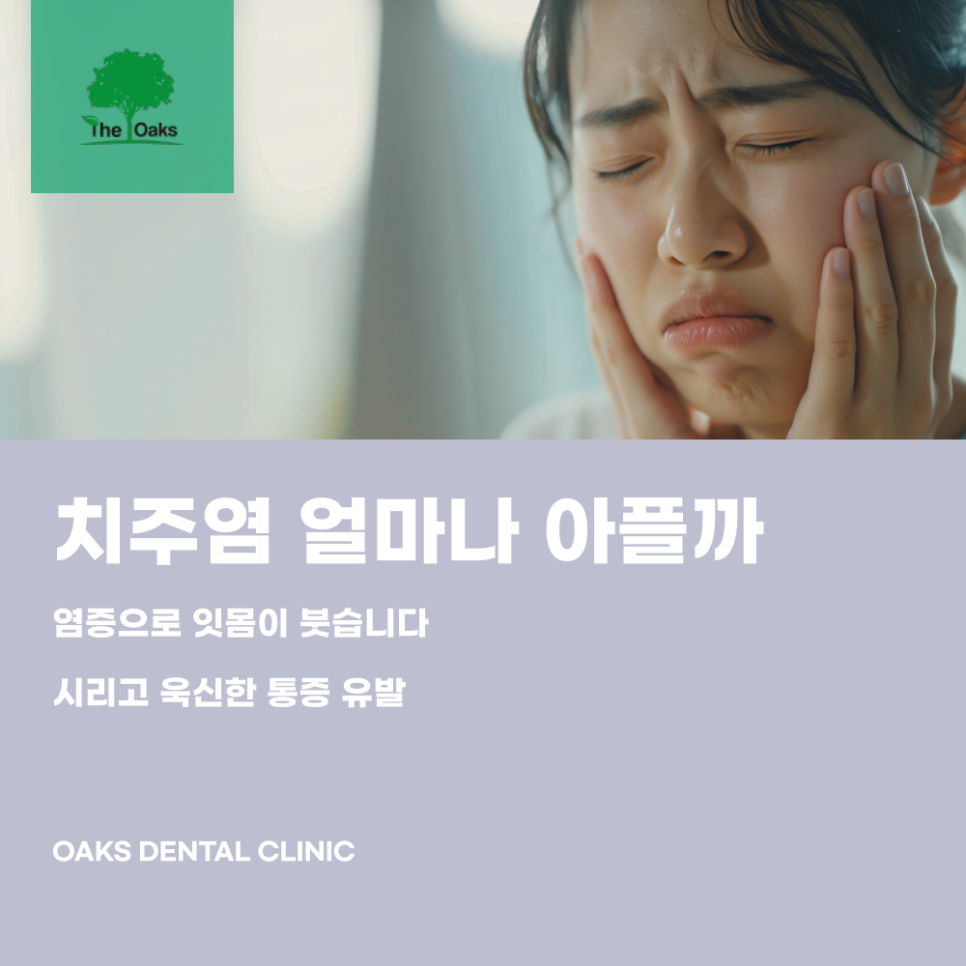
Periodontitis is a chronic disease considered one of the main causes of tooth loss among adults.
It is a condition in which inflammation develops in the gums and the alveolar bone that supports the teeth. In its early stages, mild bleeding may occur in the gums, but if left untreated, the inflammation can worsen, causing the gums to recede and, in severe cases, the teeth to become loose or even fall out.
The pain that occurs when periodontitis worsens can significantly interfere with daily life and make the seriousness of the condition apparent.
Today, we will take a look at periodontitis pain.
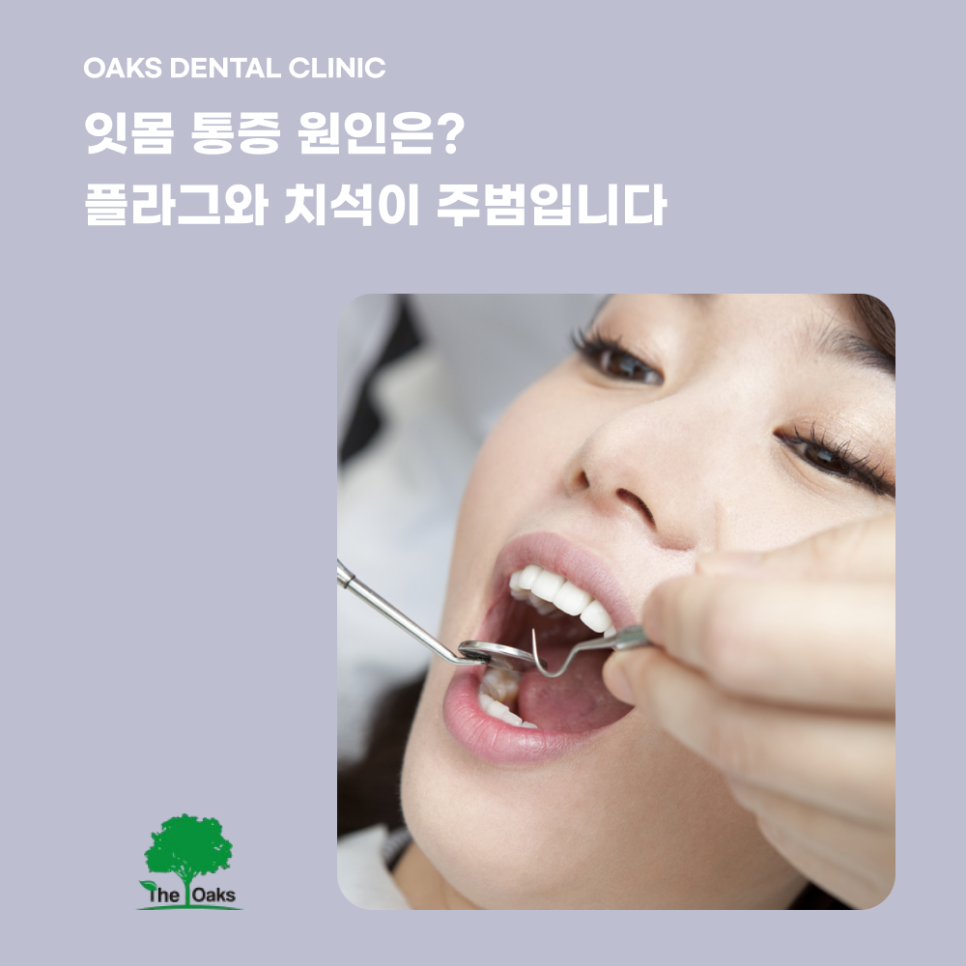
Causes of Periodontitis Pain
Pain caused by periodontitis mainly results from inflammation and the tissue damage it causes.
When food debris and bacteria form plaque and tartar, these substances irritate the gums and cause inflammation.
Over time, the inflammation spreads beyond the gums to the alveolar bone, damaging the tissues that support the teeth.
During this process, pain may occur for the following reasons.
▶ Swelling and pressure caused by inflammation
When the gums become inflamed, they swell and become sensitive, so even minor stimulation may cause pain.
Because the pressure inside the gums increases, discomfort may occur when chewing food or brushing your teeth.
▶ Increased sensitivity due to exposed tooth roots
As the gums recede and the tooth roots become exposed, sensitivity may worsen, and pain may occur when consuming cold or sweet foods.
▶ Formation of a periodontal abscess
As periodontitis progresses, a periodontal abscess may form when pus accumulates due to a bacterial infection.
In this case, severe pain, swelling of the gums, and a feeling of warmth may occur.
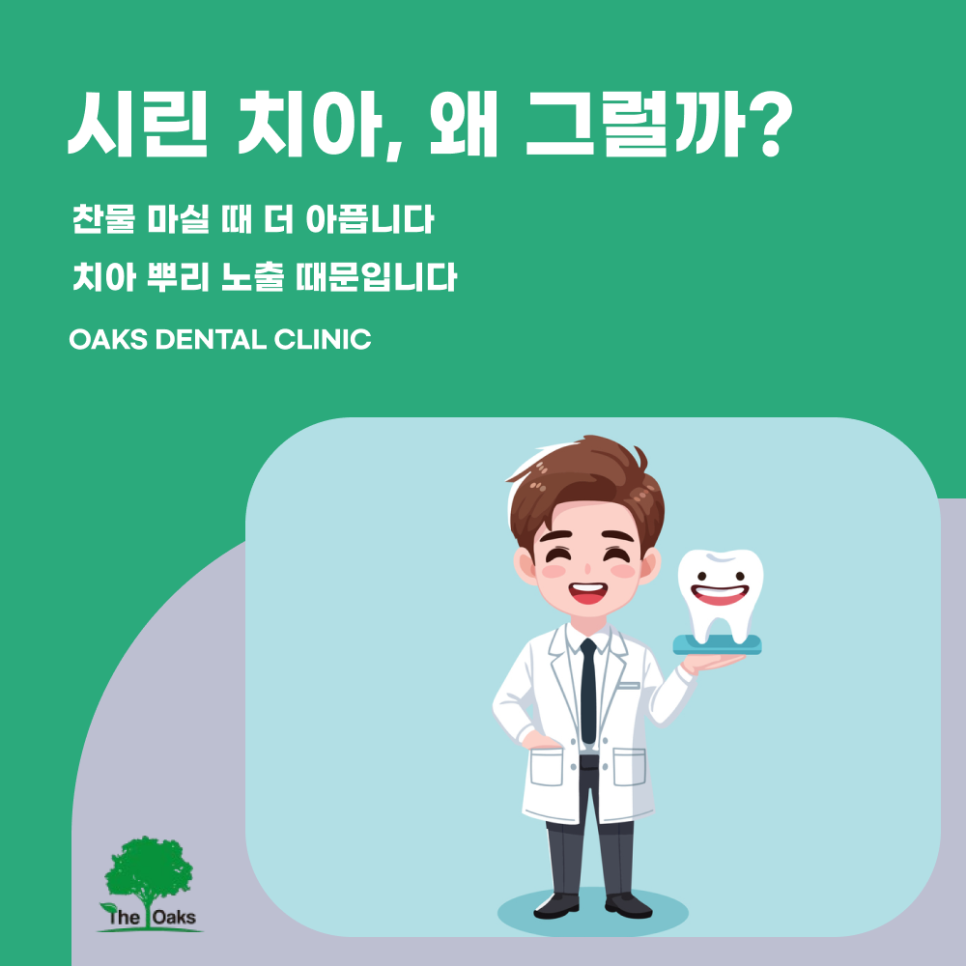
Symptoms of Periodontitis Pain
Pain caused by periodontitis is different from ordinary toothache.
If you experience the symptoms below, you should consider the possibility of periodontitis.
▶ Your gums bleed easily and feel painful when you brush your teeth.
▶ Your gums are swollen and painful when pressed.
▶ Your teeth feel sensitive and painful when consuming cold water or sweet foods.
▶ You feel discomfort in your teeth when chewing food, and in severe cases, your teeth may become loose.
▶ Pus may come from a specific area, or the lymph nodes beneath the jaw may become swollen.
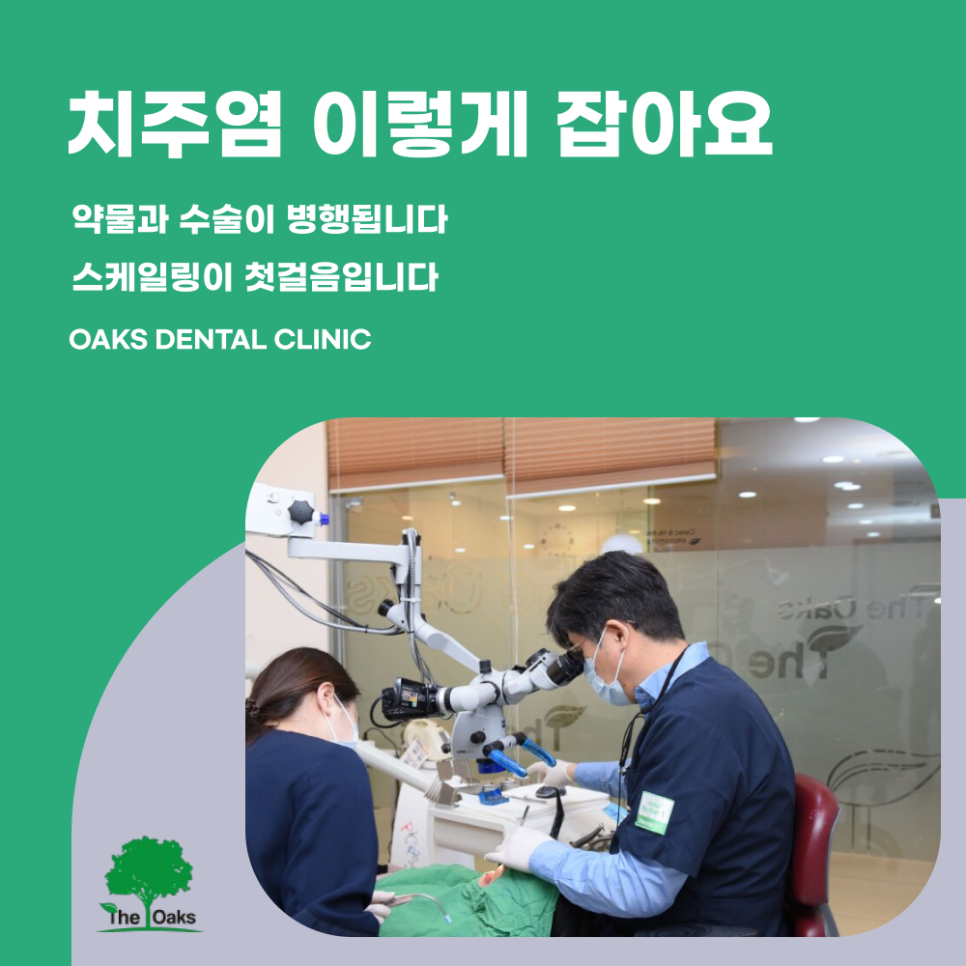
Treatment Methods for Periodontitis Pain
Professional treatment and regular oral hygiene care are important for relieving periodontitis pain and addressing its underlying cause.
▶ Scaling and root planing
Scaling, which removes plaque and tartar, is the first step in treating periodontitis.
Afterward, root planing smooths the surfaces of the tooth roots and can help prevent bacteria from accumulating again.
▶ Medication
When inflammation is severe, antibiotics or anti-inflammatory medication may be prescribed to reduce pain and relieve inflammation.
▶ Periodontal surgery
In cases of severe periodontitis, surgery may be necessary to make an incision in the gums and remove inflamed tissue and tartar from deep areas.
▶ Daily care
It is important to maintain thorough oral hygiene through proper toothbrushing, flossing, and the use of mouthwash.
Regular dental checkups are also a good way to detect early signs of abnormalities at an early stage.
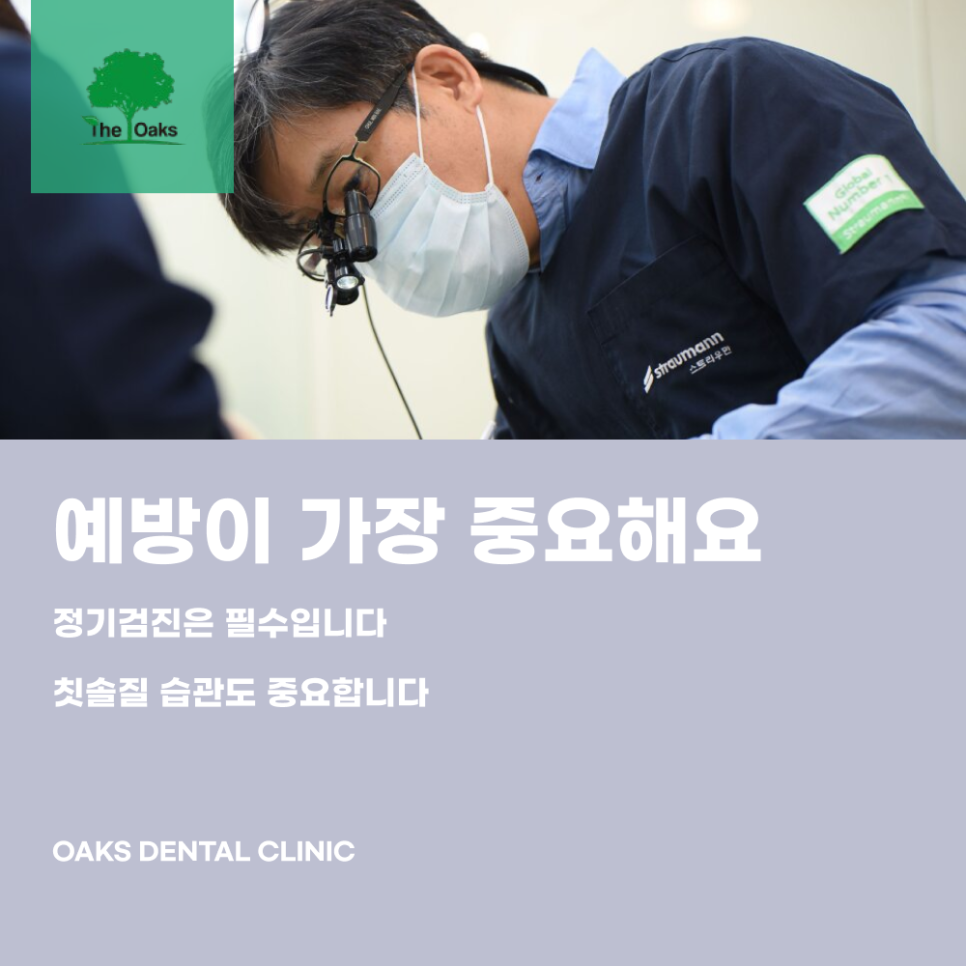
Prevention is the best treatment.
Periodontitis is a preventable disease.
Thorough toothbrushing two or three times a day, regular scaling, a healthy diet, and quitting smoking can effectively help prevent periodontitis.
In particular, periodontitis often causes little to no pain in its early stages, making it difficult to notice. Therefore, by the time symptoms appear, the disease may already have progressed significantly.
For this reason, regular checkups and consistent oral care are especially important.