Why Do Dental Resin Prices Differ at Sinsa-dong Dental Clinics?
Hello.
This is Ox Dental Clinic.
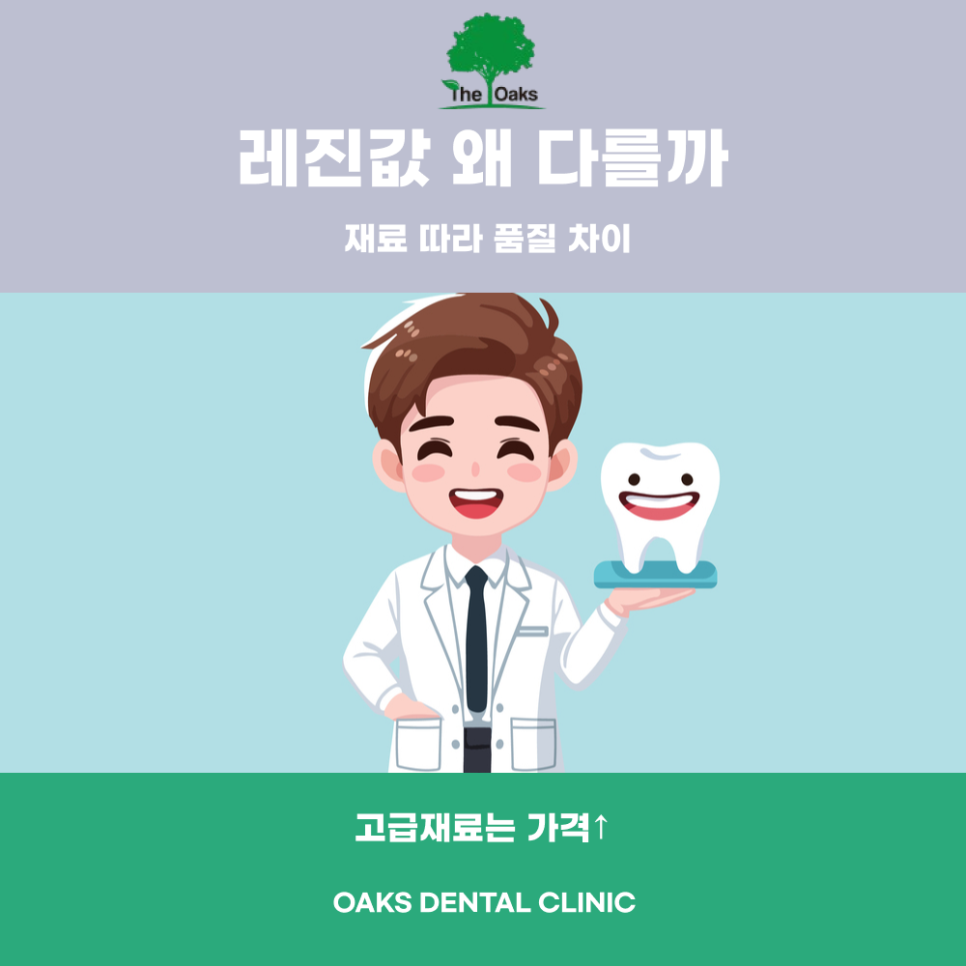
One of the more common materials used in dental treatment is “resin.”
It is frequently used for cavity treatment, chipped front teeth, and small cosmetic restorations.
However, when you visit a clinic, you may find that resin prices vary considerably.
Some clinics charge only tens of thousands of won, while others charge more than 100,000 won.
It is easy to think, “Isn’t all resin basically the same?” However, there are valid reasons for the difference in price.
Today, we will look at why dental resin prices differ.
Differences in the Resin Materials Used
Not all resin is made from the same material.
There are various types depending on the manufacturer, product line, aesthetics, strength, and other factors.
▶ Standard resin
It is affordable and can be used for quick treatment, but it may become discolored or worn over time.
▶ Premium aesthetic resin
It is used in highly visible areas such as the front teeth and can reproduce a color and translucency that closely resemble natural teeth.
Naturally, it is also more expensive.
In addition, some dental clinics use a layering technique involving resins in various shades over multiple stages to create more precise restorations.
This requires more time and increases material costs.
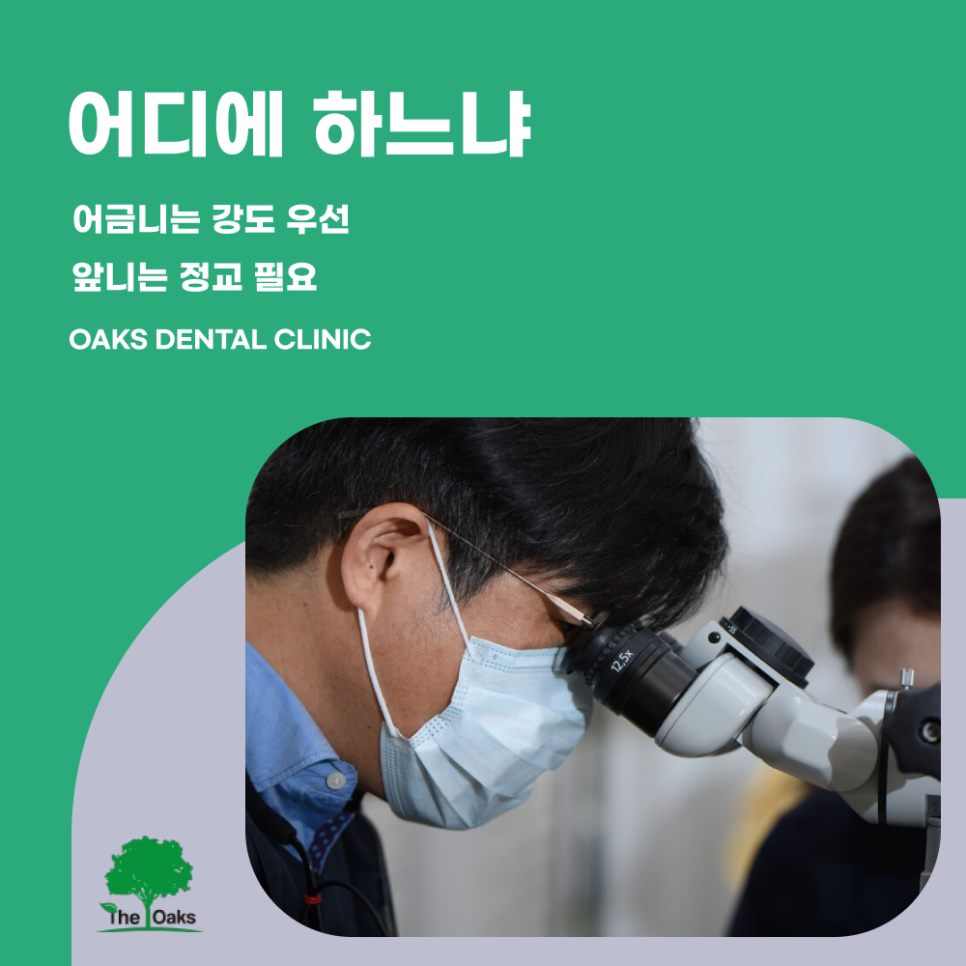
Differences Based on the Treatment Area and Difficulty
Even when the same resin is used, the price may vary depending on where it is applied.
▶ Front teeth
Because this is the most important area aesthetically, more precise work and careful shade adjustment are required.
▶ Molars
Because they are subjected to significant chewing forces, strength is important, as is bonding strength.
In addition, the difficulty and treatment time vary depending on the size and depth of the cavity, including whether simple filling is sufficient or reinforcement is needed after root canal treatment.
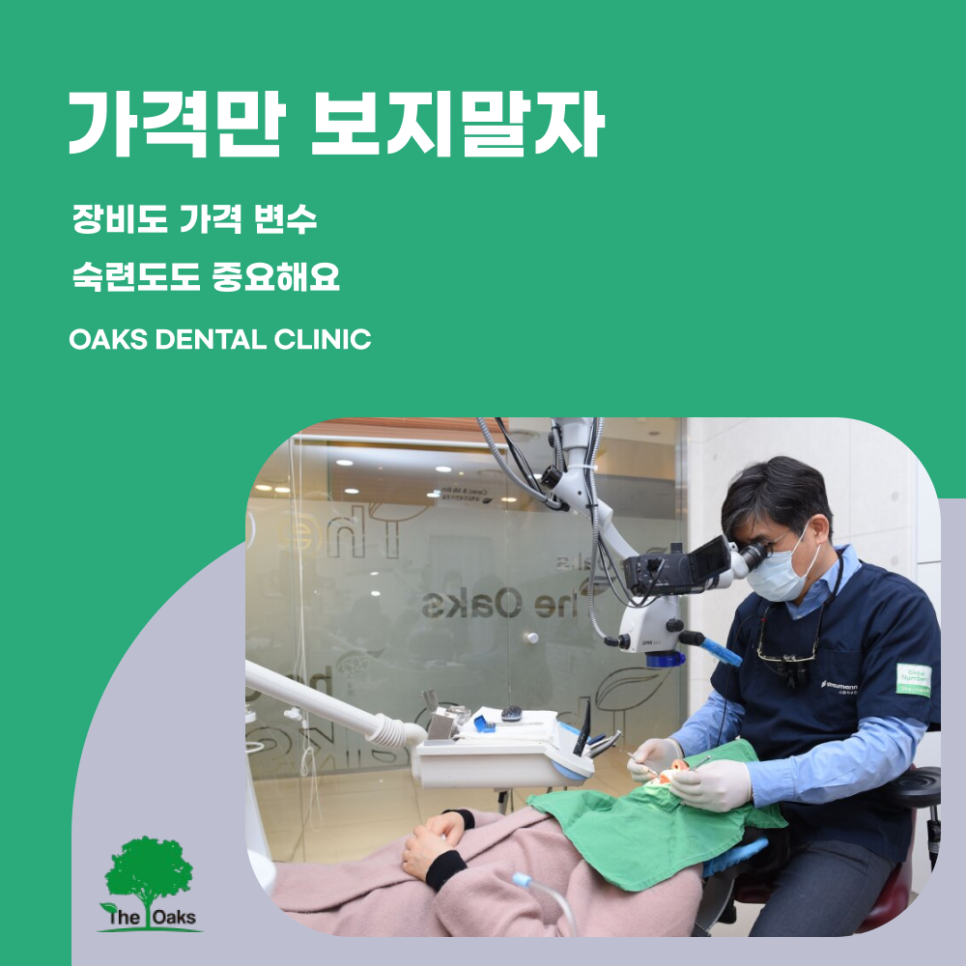
The Dentist’s Skill and Treatment Time
Resin treatment requires more delicate skills than you might expect.
The tooth must be cleanly prepared, the resin must be placed little by little while keeping the area dry, and the shape and bite must be adjusted.
The more precise each of these steps is, the more natural and durable the result can be.
Therefore, treatment by an experienced dentist requires more time and effort, which may result in a higher price.
Dental Equipment and Systems
A dental clinic equipped with high-quality equipment, sterilization systems, and digital devices may provide a higher overall level of care.
For example, when high-magnification loupes or a microscope are used, even minute areas can be examined precisely, which may lead to better results.
Precision light-curing units, high-performance suction devices, and digital diagnostic equipment can improve patient comfort and the consistency of treatment results.
Because this equipment also has a significant impact on a clinic’s operating costs, it can contribute to price differences.
Whether Health Insurance Applies
In general, resin treatment for cavities is not covered by health insurance.
However, fillings for permanent teeth in certain age groups—for example, children aged 12 or younger—may be covered by health insurance.
When insurance coverage applies, the patient’s out-of-pocket payment is reduced, allowing treatment at a relatively lower cost.
However, for most adults, resin treatment is a non-covered service, so prices are set independently by each dental clinic.
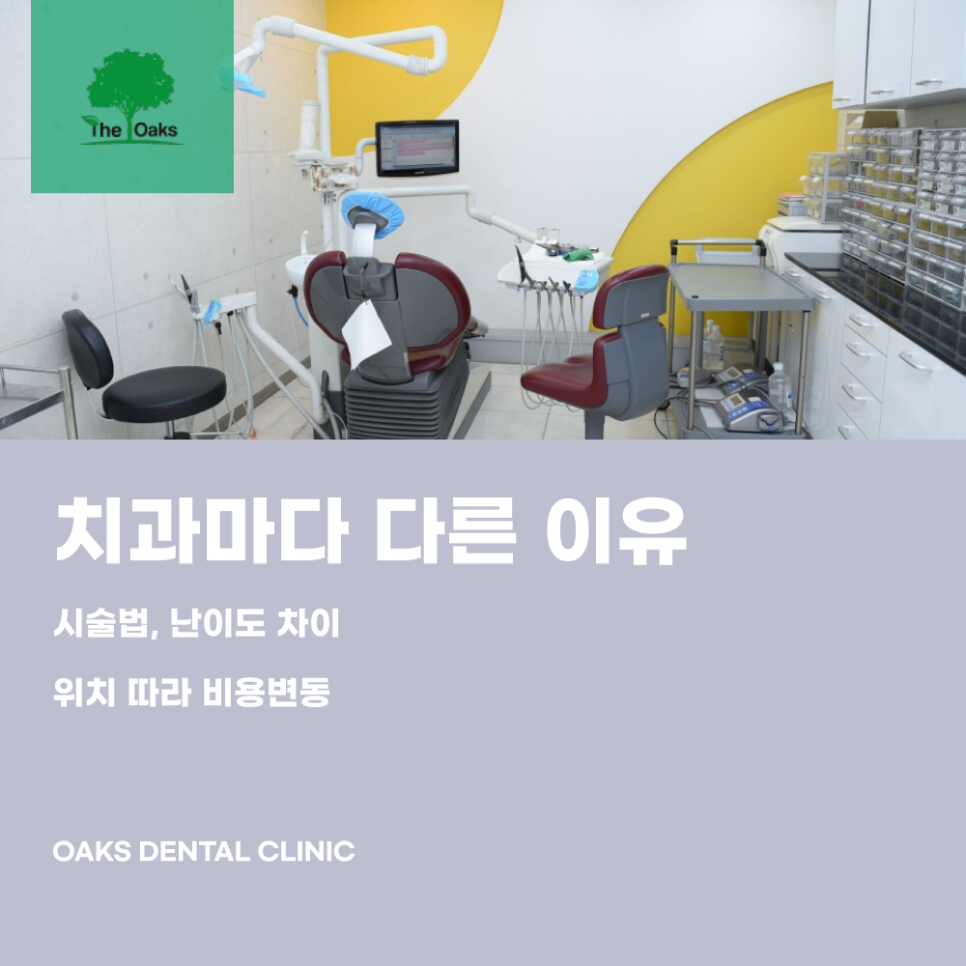
Consider “Value for Money” Rather Than Price Alone
When choosing dental resin treatment, it is important to consider not only the price, but also what materials are used, how precise the procedure is, and how long the treatment is likely to remain effective.
If you choose based solely on a low price and the restoration breaks again or becomes discolored, requiring retreatment, the total cost may actually be higher.
Because resin treatment involves removing part of the tooth, it cannot be reversed once performed.
If you want treatment that will continue to fit your teeth well over time, carefully compare the overall quality of care, not just the price.