Let’s Learn About Dentures at Jagog-dong Dental Clinic.
Hello.
This is Oks Dental.
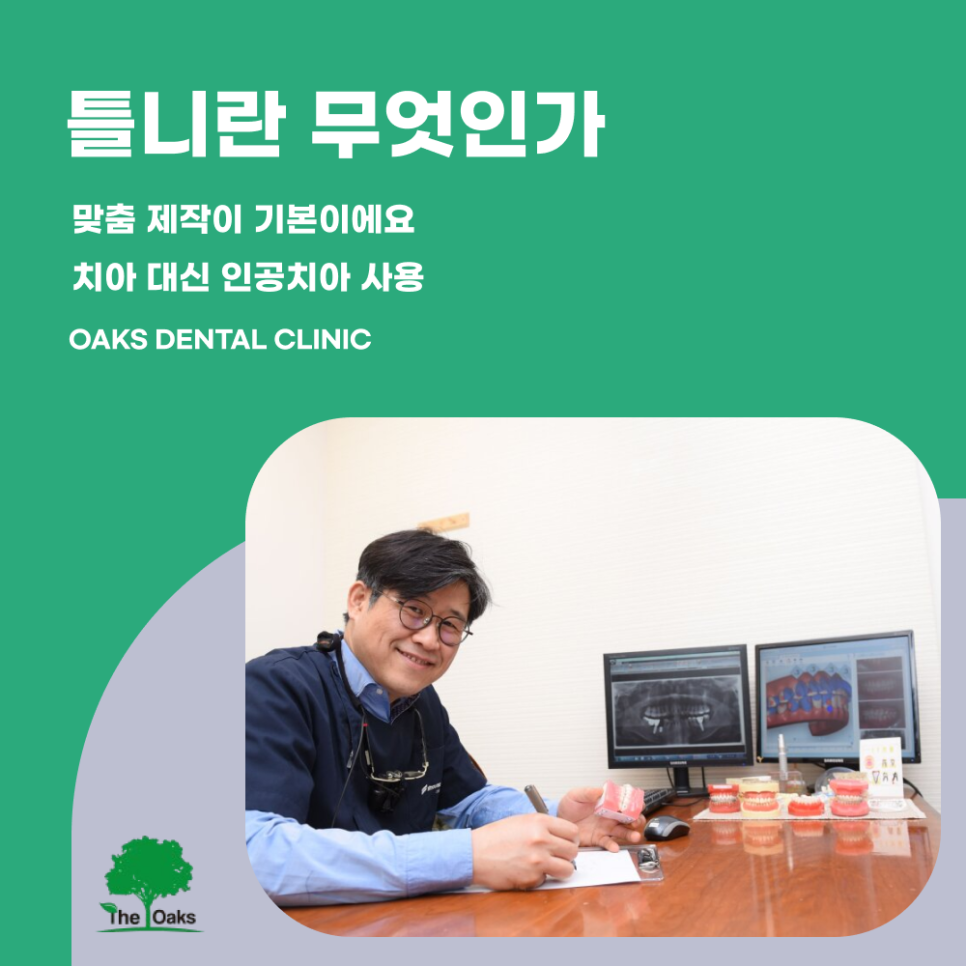
As we age, our natural teeth may gradually weaken or become lost.
In particular, many people in their 60s and older lose some or all of their teeth, making it difficult to chew food or speak.
In such cases, dentures can be helpful.
Dentures are an important treatment option that replaces missing teeth, restores chewing function, and improves appearance.
Today, we will learn about dentures.
What Are Dentures?
Dentures are dental prostheses that restore function and appearance by placing artificial teeth where natural teeth are missing.
They are divided into partial dentures, which replace several missing teeth, and complete dentures, which replace all teeth. They are custom-made according to the patient’s dental condition.
They are generally made from acrylic resin or metal. Because they rest directly on the gums, comfort and fit are very important.
When Are Dentures Needed?
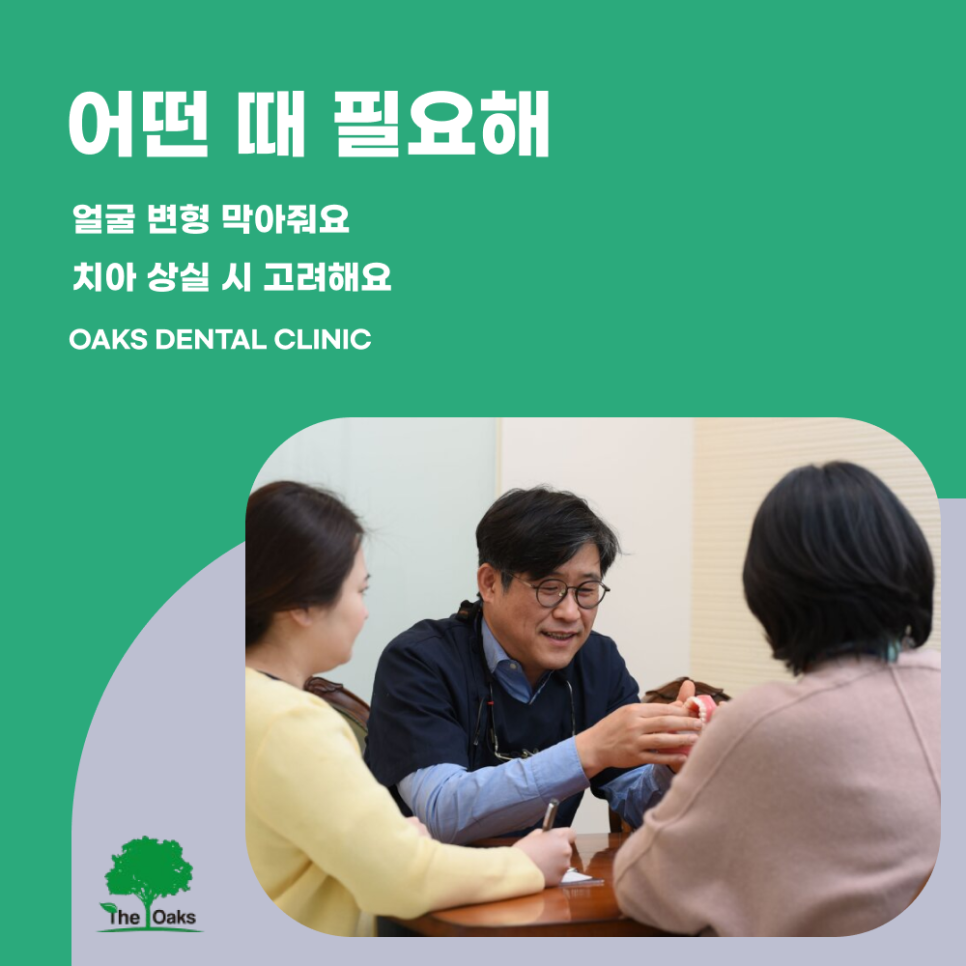
Dentures are not automatically needed simply because a tooth is missing.
The need for dentures is determined by considering the number and location of the missing teeth, the condition of the gums, and other factors as a whole.
In general, dentures may be recommended when two or more adjacent teeth are missing or when all teeth are absent.
If missing teeth are left untreated without dentures, problems such as difficulty eating, unclear pronunciation, and changes in facial contours may occur. This may also negatively affect the remaining teeth.
Types and Features of Dentures
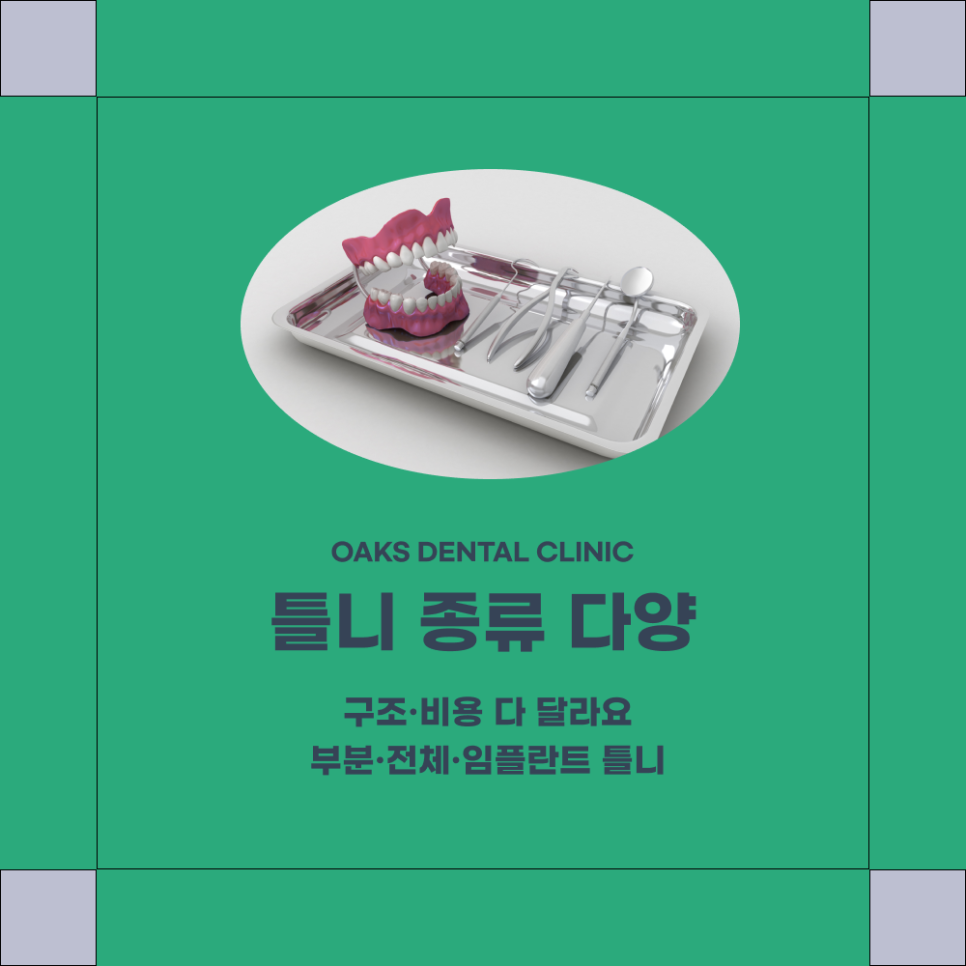
Dentures are broadly divided into partial dentures, complete dentures, and implant-supported dentures, which have recently become popular.
▶ Partial Dentures
Partial dentures replace some teeth and are secured by attaching clasps to the remaining natural teeth.
They are relatively affordable, but the clasps may be visible, making them less aesthetically pleasing.
▶ Complete Dentures
Complete dentures are used when all the teeth in the upper or lower jaw are missing and are designed to cover the entire gum area.
They may feel uncomfortable at first, but users generally become accustomed to them over time.
▶ Implant-Supported Dentures
This method involves placing several implants and securing the dentures onto them. It provides excellent retention and stability.
However, the cost is relatively high.
Denture Costs and Health Insurance Benefits
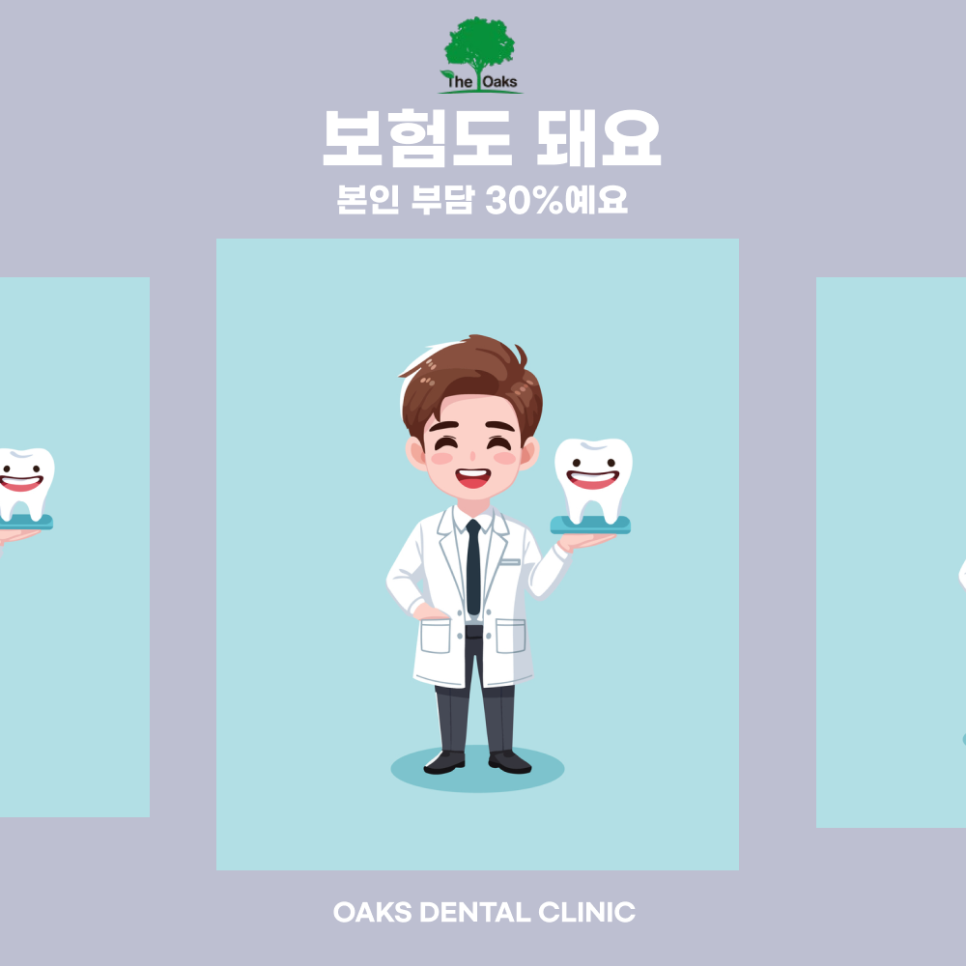
Dentures used to be an expensive treatment, but health insurance coverage is now available, significantly reducing the financial burden for older adults.
People aged 65 or older may receive insurance support for both partial and complete dentures above a certain amount.
With health insurance coverage, the patient’s share of the cost is reduced to approximately 30%, while recipients of medical aid may receive greater benefits.
However, costs may vary depending on the denture materials and whether additional procedures are required.
Denture Care and Precautions
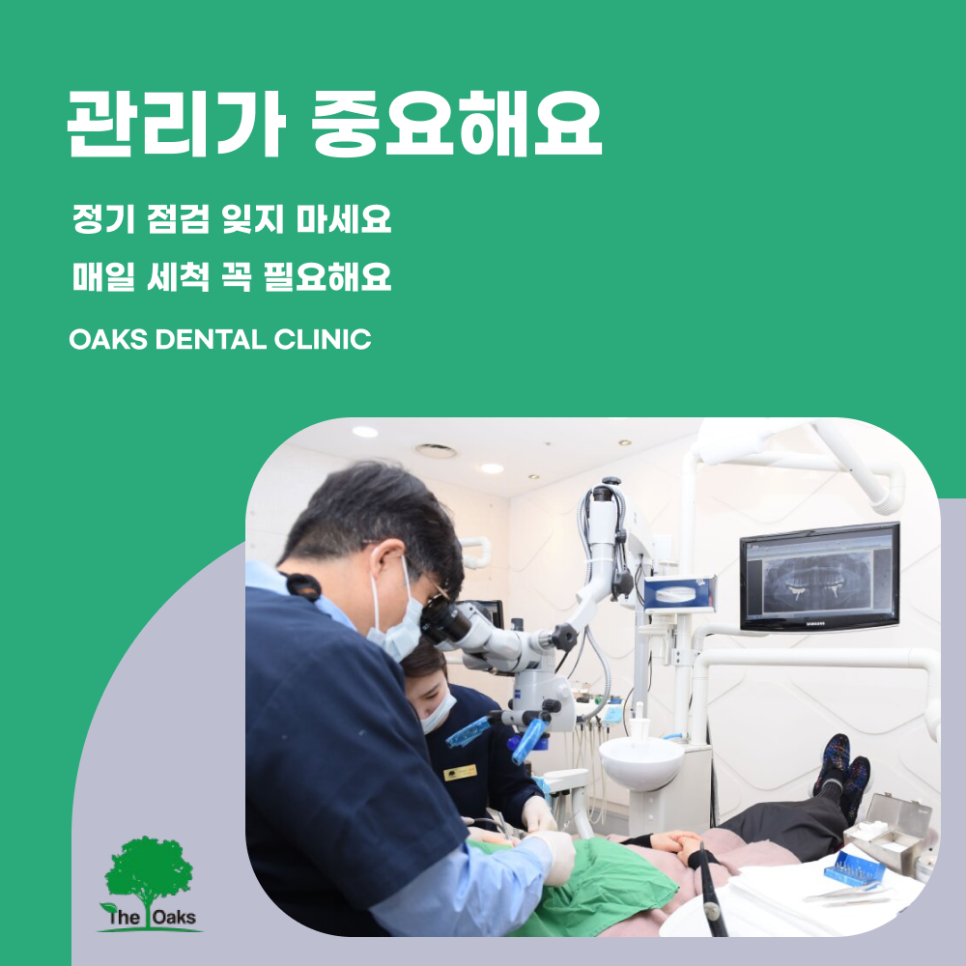
If dentures are not properly maintained, problems such as oral inflammation, bad breath, and an improper fit may occur.
They should be cleaned thoroughly every day with a brush designed for dentures and stored in water to help prevent deformation.
It is also best to avoid sleeping while wearing dentures.
Because the gums may change shape or the dentures may wear down over time, it is important to have their condition checked during regular dental examinations and have them adjusted when necessary.
In Closing
Dentures are not simply prosthetic devices; they are an important way to help restore quality of life.
With well-fitting dentures, everyday activities such as eating, talking, and smiling can become much more comfortable.
By understanding dentures accurately, choosing the type that suits you, and having them checked regularly, you can maintain a healthy oral condition for a long time.