Sinsa-dong Dental Clinic: Is implant pain normal?
Are you worried?
Hello.
This is Oks Dental Clinic.
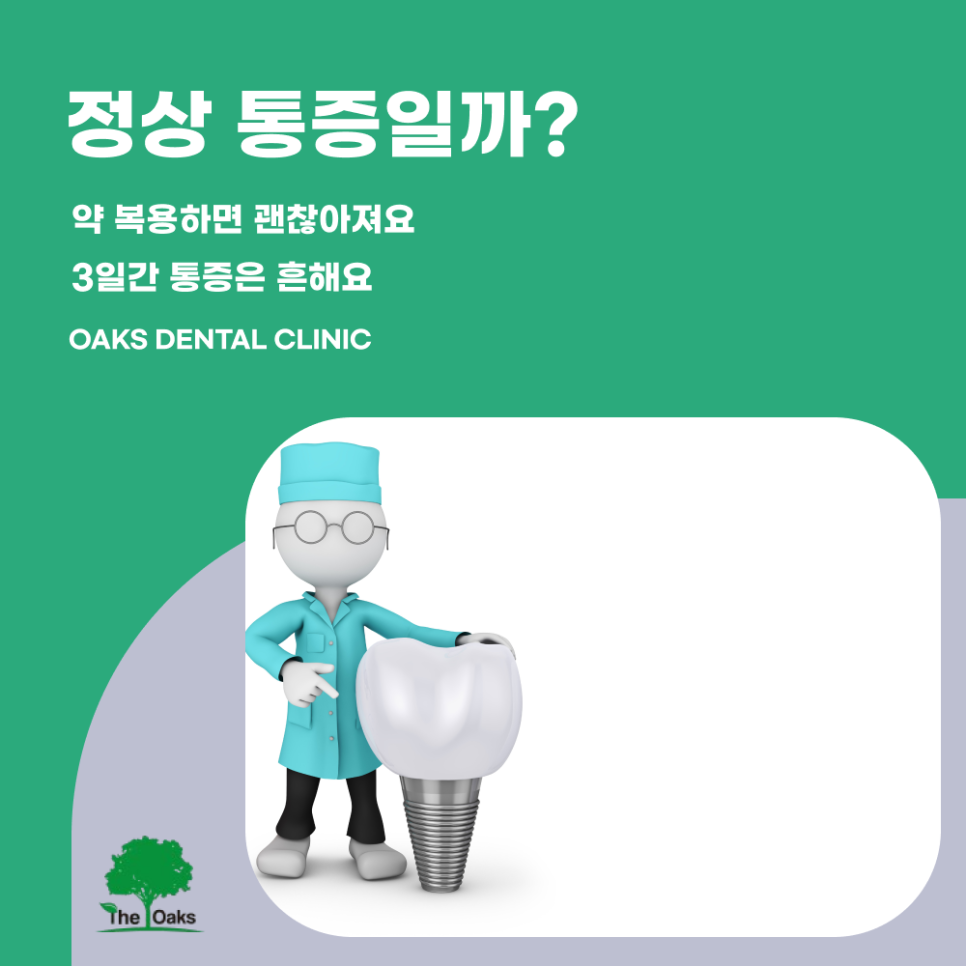
Implants are one of the most effective treatment options for replacing missing teeth.
However, many people worry about the pain they feel after implant surgery.
They wonder, “Is this pain normal?” or “Could something be wrong?”
Today, we will explain in detail the causes of pain after an implant, whether it is normal, and how to manage it.
How much pain after an implant is normal?
Implant surgery is a surgical procedure in which the gums are incised and an artificial tooth root (implant) is placed into the jawbone.
Therefore, a certain amount of pain or discomfort after surgery is part of the normal recovery process.
In general, the following reactions are considered within the normal range.
▶ Pain, swelling, and slight bleeding on the day of surgery to about 3 days afterward
▶ Discomfort when eating
▶ Mild fever, slight bruising, etc.
These symptoms usually improve gradually within 3 to 7 days, and the pain can also be controlled by taking the prescribed medication.

When the pain may be abnormal
However, caution is needed in the following cases.
▶ Pain lasts more than 1 week or gradually gets worse
▶ Pain is not controlled even after taking painkillers
▶ High fever (38°C or higher), pus discharge
▶ Severe bleeding, the gums are very swollen and there is a bad smell
▶ Severe pain when chewing or a feeling that the implant is loose
These symptoms may indicate infection, nerve damage, damage to surrounding tissues, implant failure, or other problems, so you should visit a dental clinic as soon as possible for an accurate examination.
What causes the pain?
There are various reasons why pain occurs after an implant.
🔹 Irritation from the surgery itself
The incision and bone drilling temporarily irritate the surrounding nerves and tissues.
🔹 Infection
If oral hygiene is not properly maintained or bacteria enter the surgical site, inflammation can occur.
🔹 Placement near a nerve
Mandibular (lower jaw) implants are close to the nerve canal, so in rare cases nerve irritation or injury can occur.
🔹 Excessive force
Putting strain on the surgical site or chewing hard foods can interfere with healing and cause pain.
🔹 Individual factors
If your immune system is weak or your overall health is poor due to diabetes, smoking, or other factors, the pain may last longer.

How to manage and relieve pain
To minimize pain after surgery, the following care is important.
✅ Take medication properly
Take the prescribed painkillers and antibiotics exactly at the scheduled times.
✅ Ice packs
For a few days after surgery, ice packs can help reduce swelling and pain.
(Use for 10 to 15 minutes at a time, wrapped in a towel.)
✅ Keep the mouth clean
Gently rinse and brush your teeth, and make sure no food debris remains.
✅ No smoking or drinking
Smoking and alcohol interfere with blood circulation and slow recovery, so they must be avoided.
✅ Eat soft foods
Avoid hard and hot foods, and eat items such as porridge or rice gruel.
✅ Avoid strenuous exercise
Strenuous activity immediately after surgery can delay recovery, so caution is needed for at least 1 week.
Advice for those whose pain lasts a long time
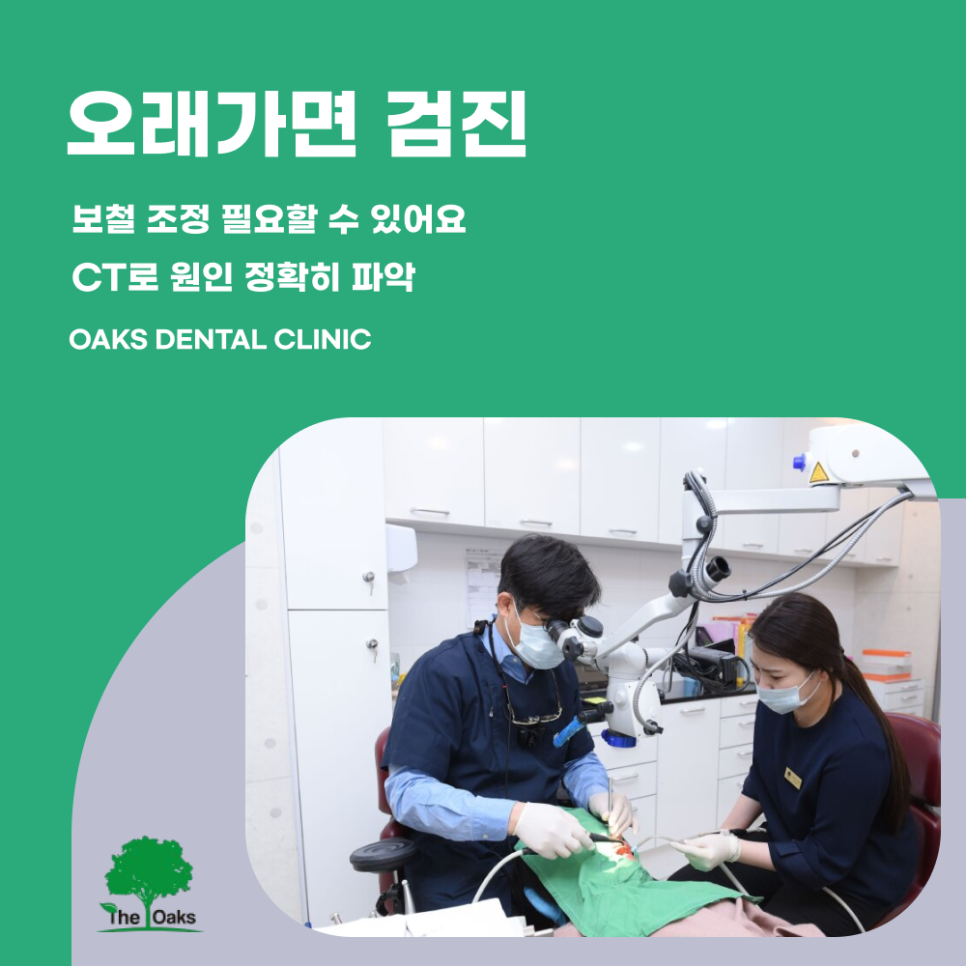
If implant pain lasts a long time or keeps recurring, it is necessary to comprehensively examine various factors such as the implant position, gum condition, bone condition, and any systemic disease.
A detailed assessment through 3D CT imaging should be performed, and if needed, active follow-up measures such as prosthetic adjustment or inflammation treatment should be carried out.
In closing...
Pain after implant surgery is mostly temporary and a natural part of the process.
However, if the pain is excessively severe or lasts too long, diagnosis and treatment by a specialist dental clinic are necessary so that it does not lead to a bigger problem.