Hello.
This is OX Dental Clinic.

Have you ever experienced bleeding gums or felt that your teeth were loose?
Most people focus only on tooth pain, but in fact, the health of the ‘gums,’ that is, the periodontal tissues, is the most important factor in keeping your teeth healthy for a long time.
That is because once the gums and bone that support the teeth are damaged, even healthy teeth can eventually fall out.
Today, let’s take a closer look at ‘periodontal surgery,’ which is performed when periodontitis has progressed to a certain extent.
What is periodontal disease?
Periodontal disease refers to what is commonly called ‘gum disease.’
Plaque, tartar, bacteria, and other factors cause inflammation in the gums and gradually damage even the alveolar bone (gum bone) that supports the teeth.
In the early stages, it starts with bleeding gums or swelling, but as it progresses, it can lead to serious consequences such as loose teeth or tooth loss.
Periodontal disease can be broadly divided into two stages.
▶ Gingivitis: inflammation limited to the gums
▶ Periodontitis: inflammation has spread to the jawbone supporting the teeth
In the gingivitis stage, recovery is possible with scaling and gum treatment, but when it progresses to periodontitis, periodontal surgery becomes necessary.
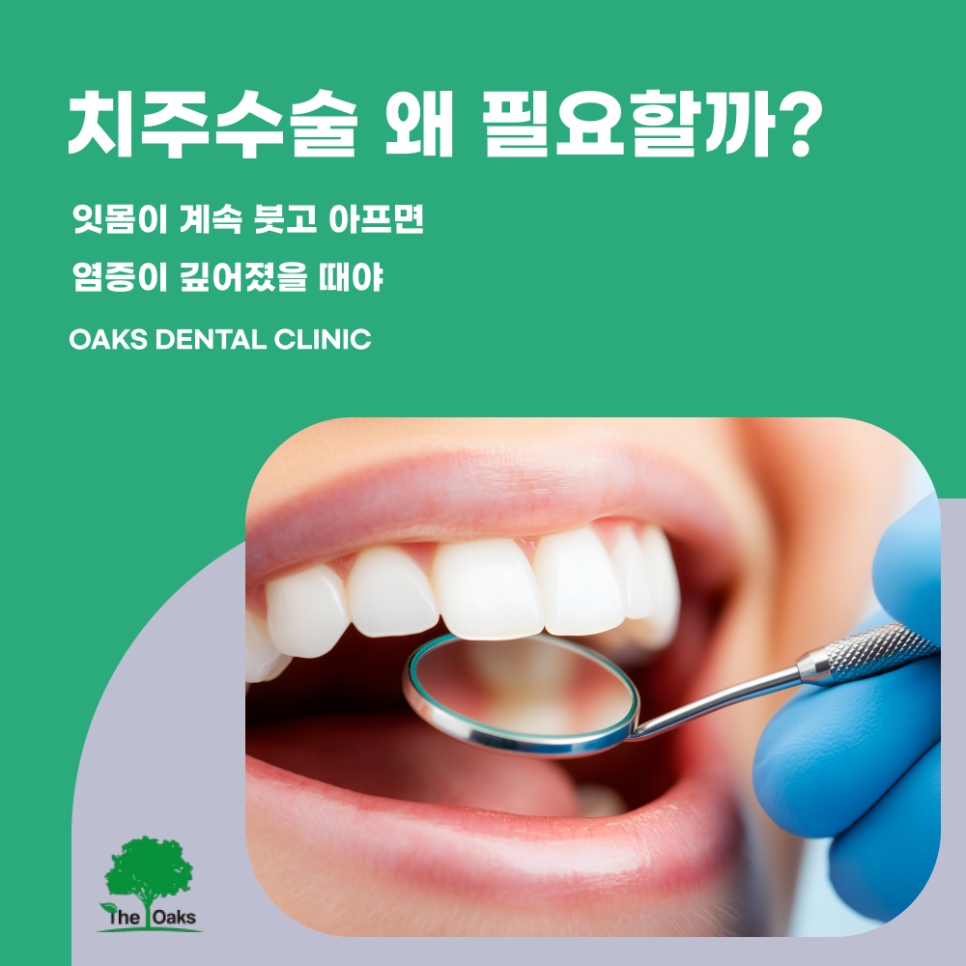
In what cases is periodontal surgery needed?
Periodontal surgery is considered in the following cases.
▶ When gum inflammation continues despite scaling and gum treatment
▶ When the bone has been damaged enough to make the teeth loose
▶ When tartar and bacteria have built up deep in the gums and are difficult to remove
▶ When the periodontal pocket depth (inflammation pocket) is 5 mm or more
▶ When the shape of the gums needs to be improved for cosmetic reasons
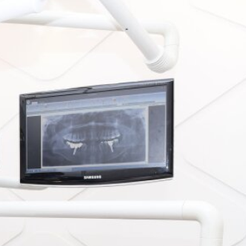
A decision about whether surgery is needed is made after accurately diagnosing the condition of the alveolar bone and the degree of inflammation.
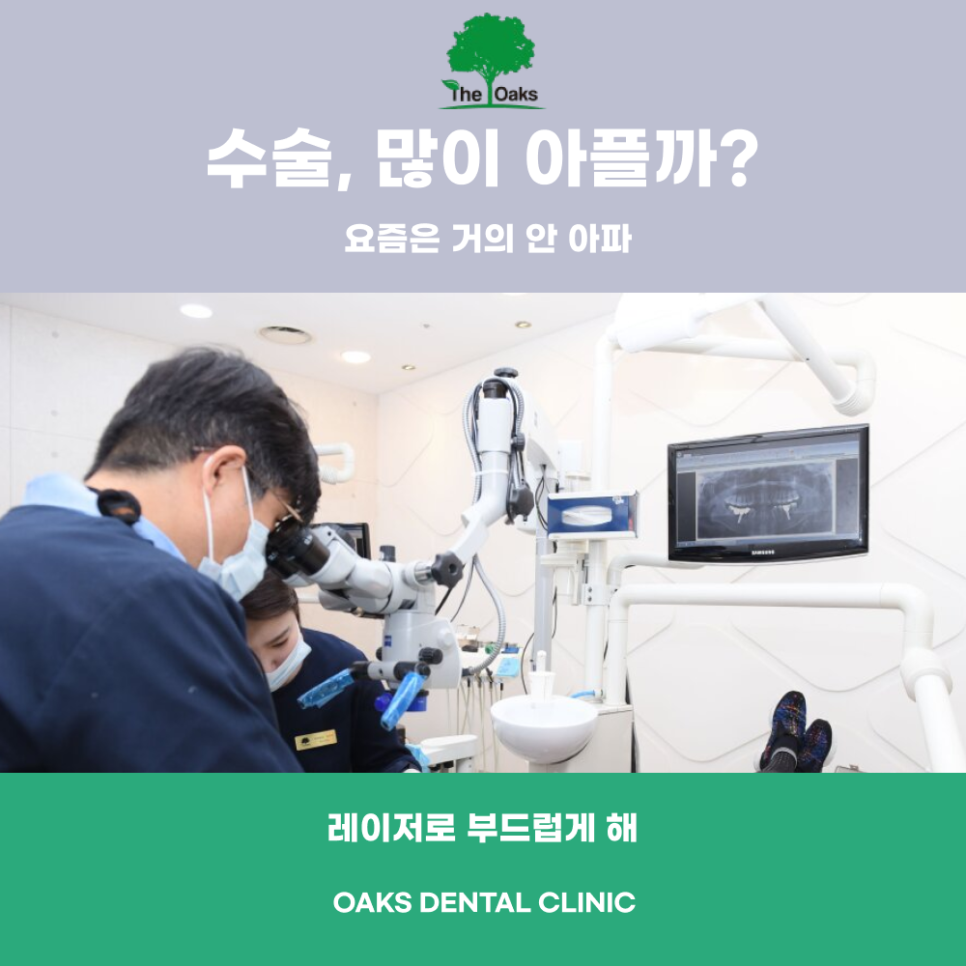
What types of periodontal surgery are there?
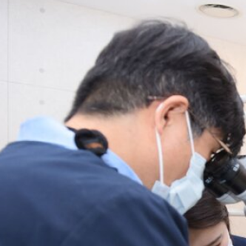
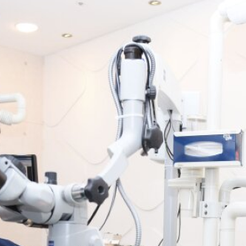
When people hear periodontal surgery, they may vaguely think it is frightening and very painful, but in fact, these days it is performed gently and safely using lasers or microsurgical instruments.
The representative types of surgery are as follows.
- Gingival curettage (deep gum cleaning)
This procedure removes tartar and infected tissue from the inflamed area using special instruments without incising the gums.
It is mainly used for mild to moderate periodontitis and has a fast recovery.
- Gingivectomy (gum reshaping)
This procedure partially removes gums that are excessively swollen due to severe inflammation and reshapes them to help with better inflammation management.
- Flap surgery
This surgery involves incising the gums to directly remove inflammation and tartar deep around the roots.
It is commonly performed for patients with moderate to severe periodontitis, and regenerative treatment may be combined depending on the bone condition.
- Bone grafting & tissue regeneration
When the gum bone has severely deteriorated, this surgery uses artificial bone or autologous bone to regenerate the bone.
Using a special membrane (GTR), it prevents gum tissue from growing into the bone area and encourages healthy bone to grow.
Recovery and care after surgery
After periodontal surgery, thorough hygiene management and regular checkups are most important.
Even a simple procedure has a high chance of recurrence if care is neglected.
※ Precautions after surgery
▶ Take prescribed medication strictly on time
▶ Avoid spicy or irritating foods and eat mainly soft foods
▶ Brush gently around the surgical area, and use mouthwash as an additional hygiene measure
▶ Quitting smoking and alcohol is essential; remove factors that hinder gum recovery
▶ Check gum recovery status through regular checkups
In closing...
Gum health is just as important as tooth health.
No matter how strong your teeth are, if the gums collapse, they cannot be used for long.
Before periodontal disease worsens, or even if surgery is needed, precise treatment can help preserve your natural teeth for as long as possible.
If you have symptoms such as bleeding gums or loose teeth, please visit a dental clinic to get an accurate diagnosis of your gum condition before it is too late.
Protecting your natural teeth can start right now.