Hello.
This is Oks Dental Clinic.
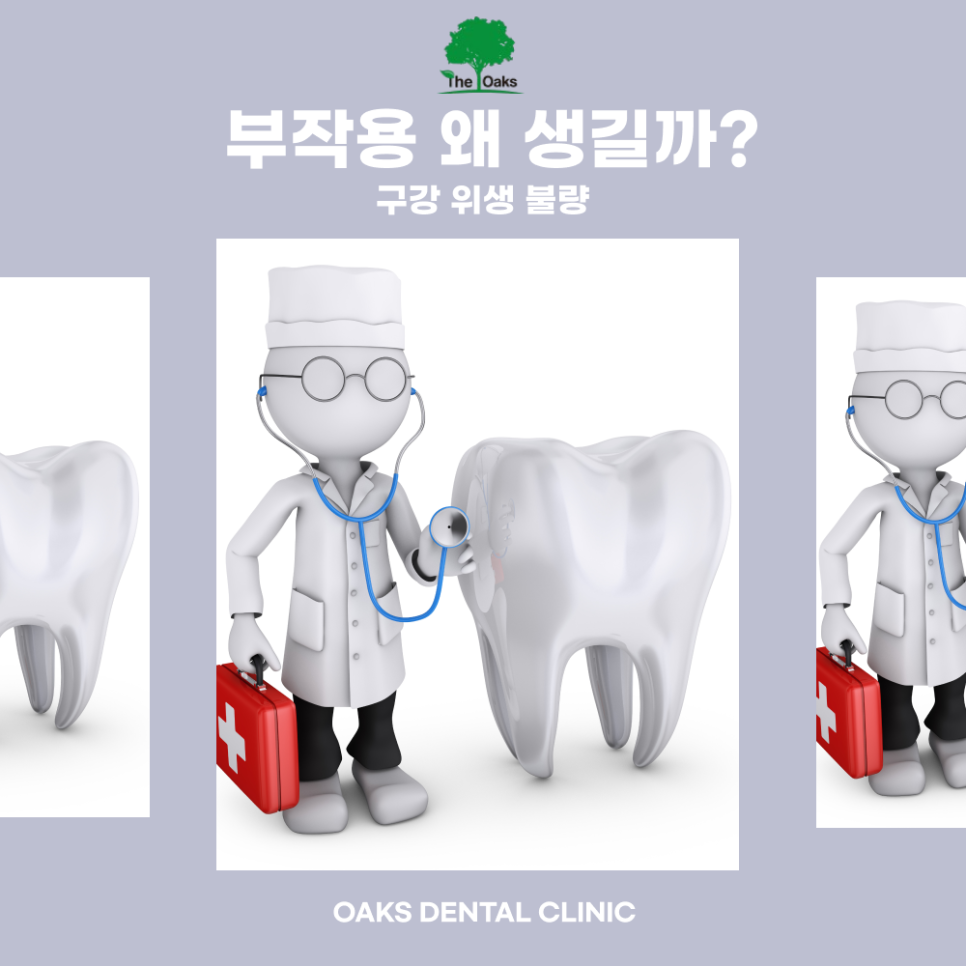
Implants are a treatment that can restore missing teeth to look and function like natural teeth, and many people choose them because they are excellent in both function and aesthetics.
However, no matter how good a treatment is, there is always a possibility of side effects.
In particular, because implants involve surgical procedures, sufficient understanding and preparation are needed before treatment.
Today, we will explain the types and causes of implant side effects, as well as prevention methods, that those preparing for implant treatment or already undergoing treatment should definitely know.
Why do implant side effects occur?
Implants are a treatment in which an artificial tooth root (screw) is placed into the jawbone within the gums, and then a prosthetic tooth is attached.
Because they are closely connected to complex structures such as bone, gums, and nerves, various side effects may occur depending on the situation.
Common causes are listed below.
▶ Excessive treatment or inaccurate placement
▶ Poor oral hygiene
▶ Underlying conditions (diabetes, osteoporosis, etc.)
▶ Smoking and drinking
▶ Constitutional or immune responses
These factors can work together, leading to discomfort or problems after treatment.
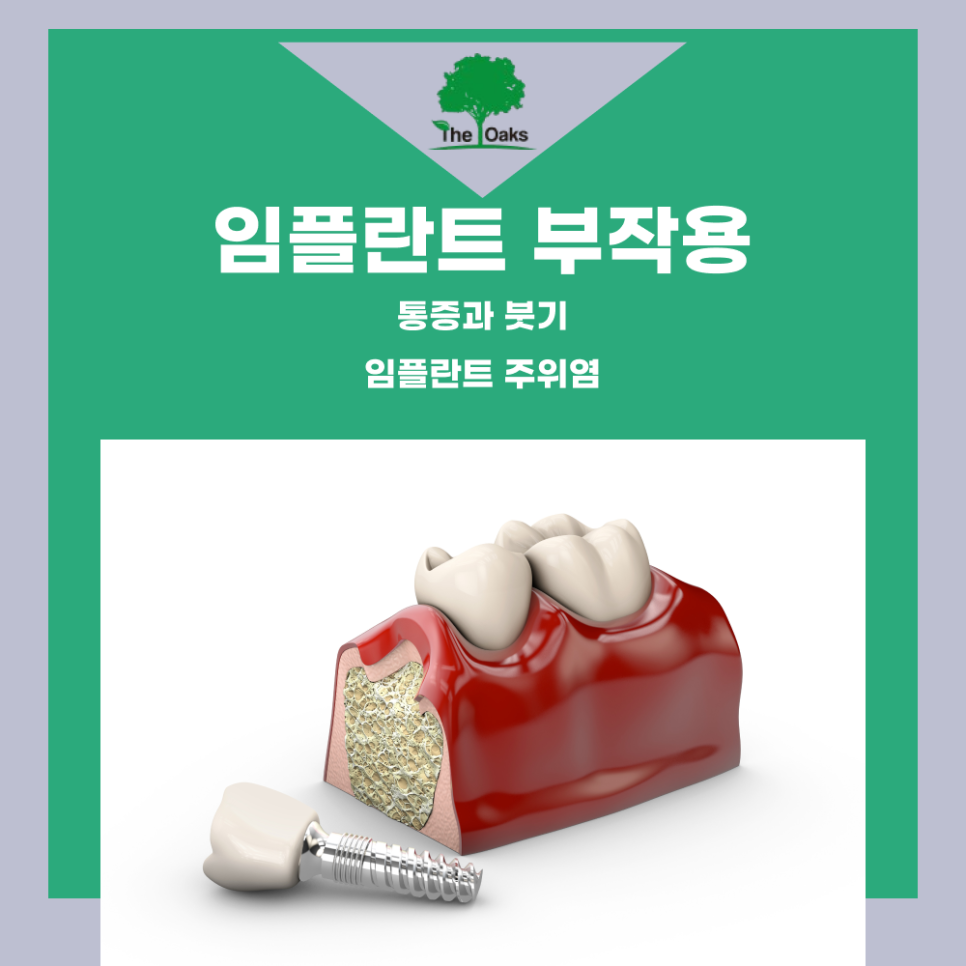
Common implant side effects
- Pain and swelling
For 2–3 days after surgery, mild pain, swelling, and a slight fever may occur, which is a normal part of the recovery process.
However, if the pain continues for more than a week or gradually becomes worse, infection or tissue damage should be suspected.
✔️ Prevention tip: Ice packs after surgery, taking medication, and avoiding strenuous exercise are essential!
- Peri-implantitis
Also called “implant gum disease,” this is a condition in which inflammation develops in a form similar to periodontitis.
When plaque and bacteria accumulate around the implant, they can dissolve the bone and weaken the support for the implant.
If treatment is delayed, the implant may become loose or fall out.
✔️ Prevention tip: Brush at least twice a day + use dental floss/interdental brushes, and regular checkups are essential.
- Infection
If bacteria enter during the process of incising the gums and performing the procedure in the bone, an infection can occur.
In the early stages, it may begin with pain, pus, and swelling, and in severe cases, an inflammatory response may spread throughout the body.
✔️ Prevention tip: Take antibiotics before and after surgery, and maintain oral cleanliness.
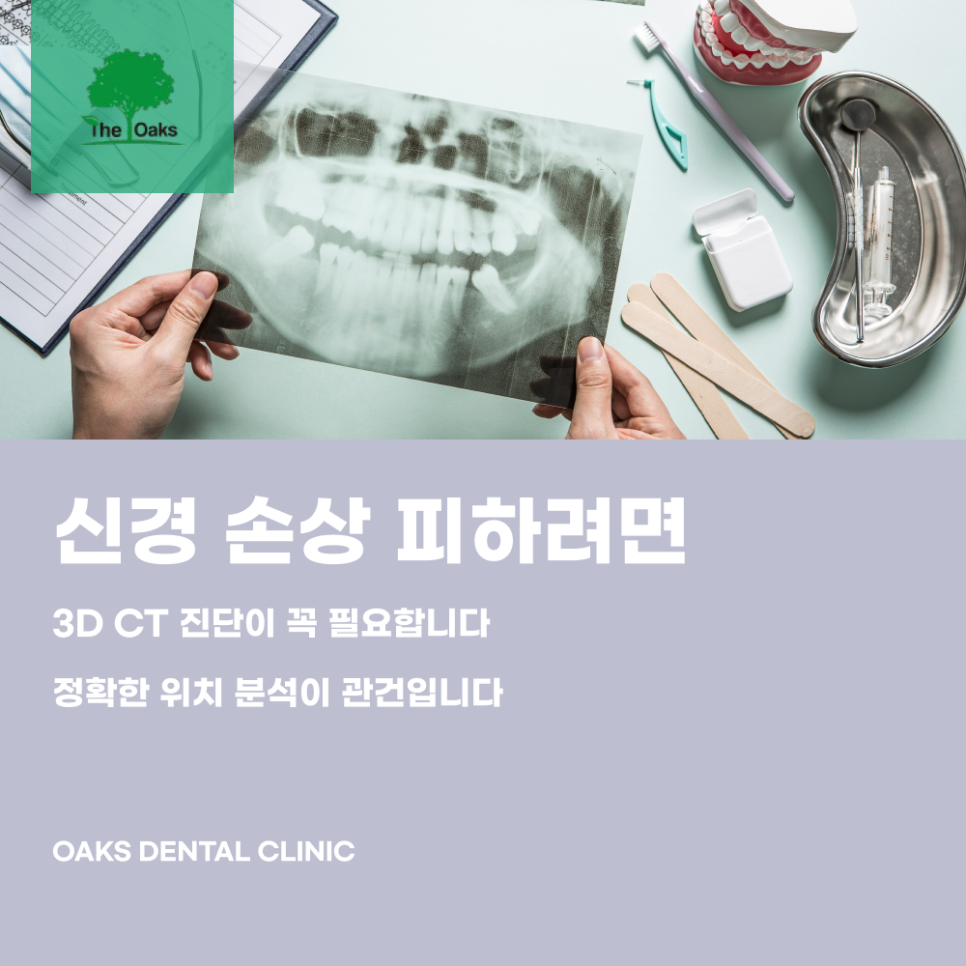
- Nerve damage
When placing an implant in the lower jaw, because it is positioned close to the nerve canal, sensory abnormalities, pain, or numbness in the lips may rarely occur.
This is a side effect that can happen when the procedure is performed aggressively without accurate location analysis.
✔️ Prevention tip: Precise diagnosis through 3D CT imaging is the most important step.
- Implant fracture or loss
If the placement position is inappropriate or excessive force is applied continuously, the implant screw or prosthetic tooth may break or come out.
✔️ Prevention tip: Regular checkups are needed to adjust balance and check the bite.

How can side effects be prevented?
Implant side effects do not necessarily happen; in many cases, they can be prevented.
Please follow the guidelines below.
🔹 Establish a treatment plan suited to your individual condition through precise diagnosis
🔹 No smoking or drinking for one week after surgery
🔹 Brush properly every day + use dental floss
🔹 Regular checkups every 6 months to 1 year
🔹 Visit the dental clinic immediately if you notice any unusual symptoms
In particular, it is very important to receive treatment at a dental clinic with extensive clinical experience and precision diagnostic equipment.
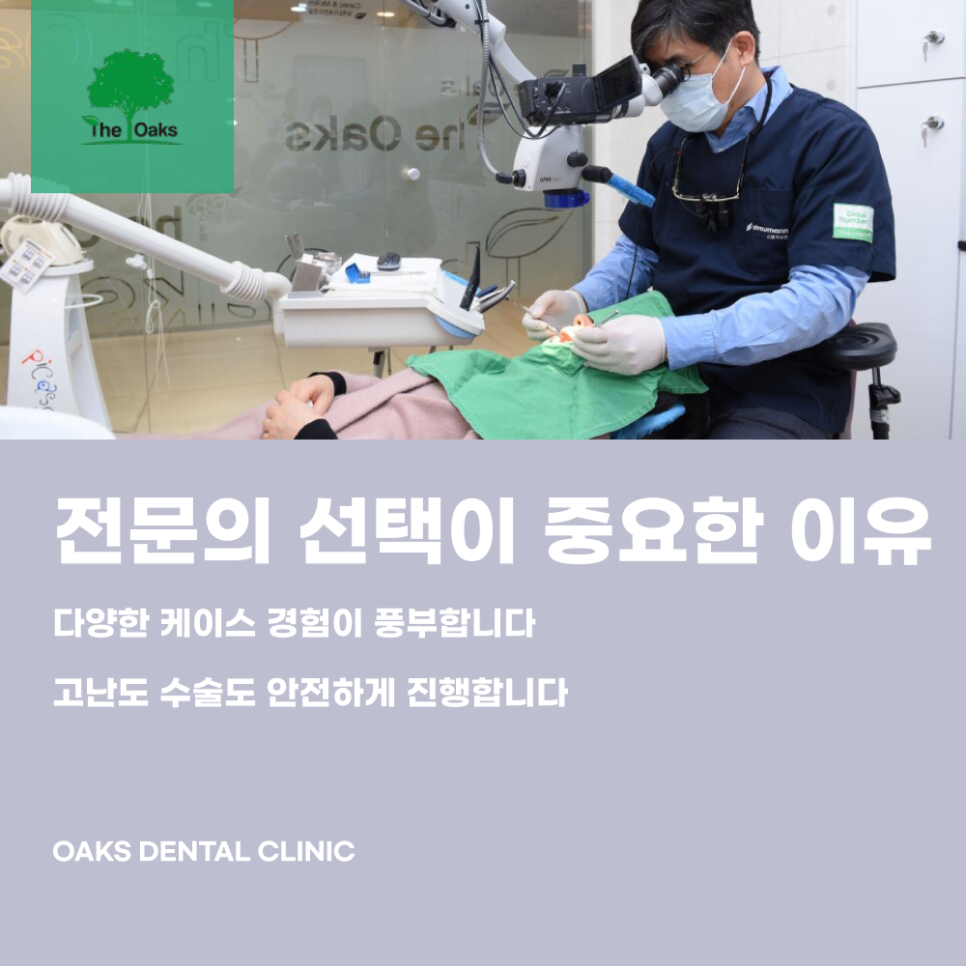
What is different about an implant specialist?
An implant specialist refers to a dentist who is officially recognized as qualified by organizations such as the Korean Academy of Prosthodontics or the Korean Association of Oral and Maxillofacial Surgeons, and who is skilled in “high-difficulty surgeries.”
✔️ Extensive clinical experience
If a general dentist performs 10 implants a year, a specialist directly performs hundreds or more surgeries per year and gains experience with a variety of cases.
✔️ Precise diagnosis and planning
Using the latest equipment such as 3D CT and oral scanners, specialists analyze the patient’s bone structure, nerve position, and chewing habits to create a customized plan.
✔️ Safe treatment even for complex cases
Cases requiring bone grafting
Patients with systemic conditions such as diabetes or high blood pressure
Cases requiring re-treatment
In these difficult situations, an experienced specialist can perform the surgery more precisely and safely.
In closing...
Implants are an excellent treatment method, but post-treatment care and patient-specific diagnosis are just as important.
Are you experiencing discomfort after implant treatment?
Or are you planning an implant but worried about side effects?
We hope you can maintain your implants for a long time through thorough preoperative examinations and careful follow-up care at a dental clinic with an implant specialist.