Yeoksam-dong dental clinic sinus lift surgery: preparation is more important than worry.
Hello.
This is Oks Dental Clinic.
Among those considering implants, there are often people who say, “I was told I can’t get one because I don’t have enough bone.”
In particular, the upper back teeth area tends to have thin bone anatomically, and because there is an empty space called the “maxillary sinus” above it, implant placement is often difficult.
The treatment needed in these cases is called a “sinus lift surgery.”
It may be an unfamiliar term, but it is a very important step for placing implants more firmly and stably.
Today, I’ll explain sinus lift surgery, one of the essential treatments for implants.
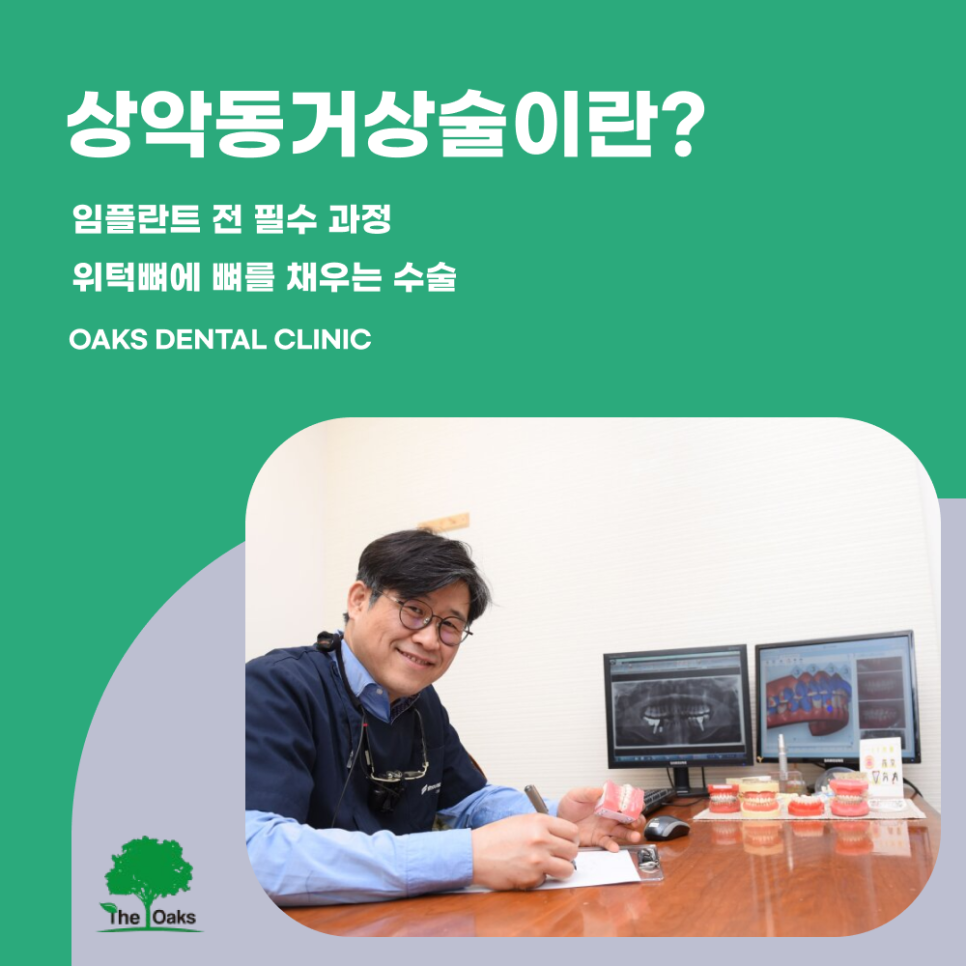
What is sinus lift surgery?
Sinus lift surgery is a procedure in which the maxillary sinus in the upper molar area is lifted, and artificial bone (or autogenous bone) is grafted underneath it.
The maxillary sinus is an empty space located beside the nose, and it sits directly above the roots of the upper molars.
In this area, bone is naturally resorbed as we age, and when teeth are lost, bone can decrease even faster.
As a result, there may not be enough bone thickness or height to place an implant.
In such cases, sinus lift surgery creates space and provides a foundation for the implant to be placed stably.
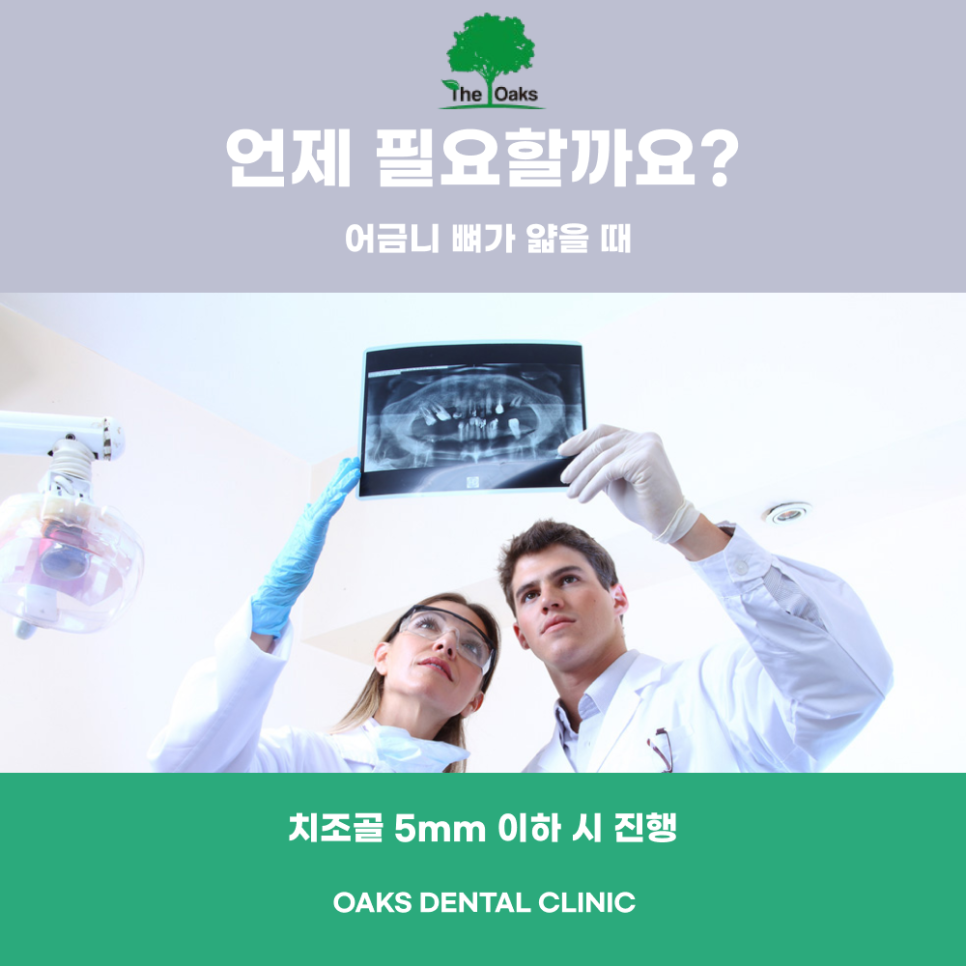
In what cases is it needed?
Sinus lift surgery is performed in the following cases.
▶ When the bone height in the upper molar area is 4–6 mm or less
▶ When the maxillary sinus is greatly expanded and there is not enough space for implant placement
▶ When bone around the area has been significantly resorbed after a tooth has been missing for a long time
▶ When a previous implant attempt failed and revision surgery is needed
In particular, when CT scan results show a narrow gap between the maxillary sinus and the alveolar bone, the likelihood of needing this surgery is higher.
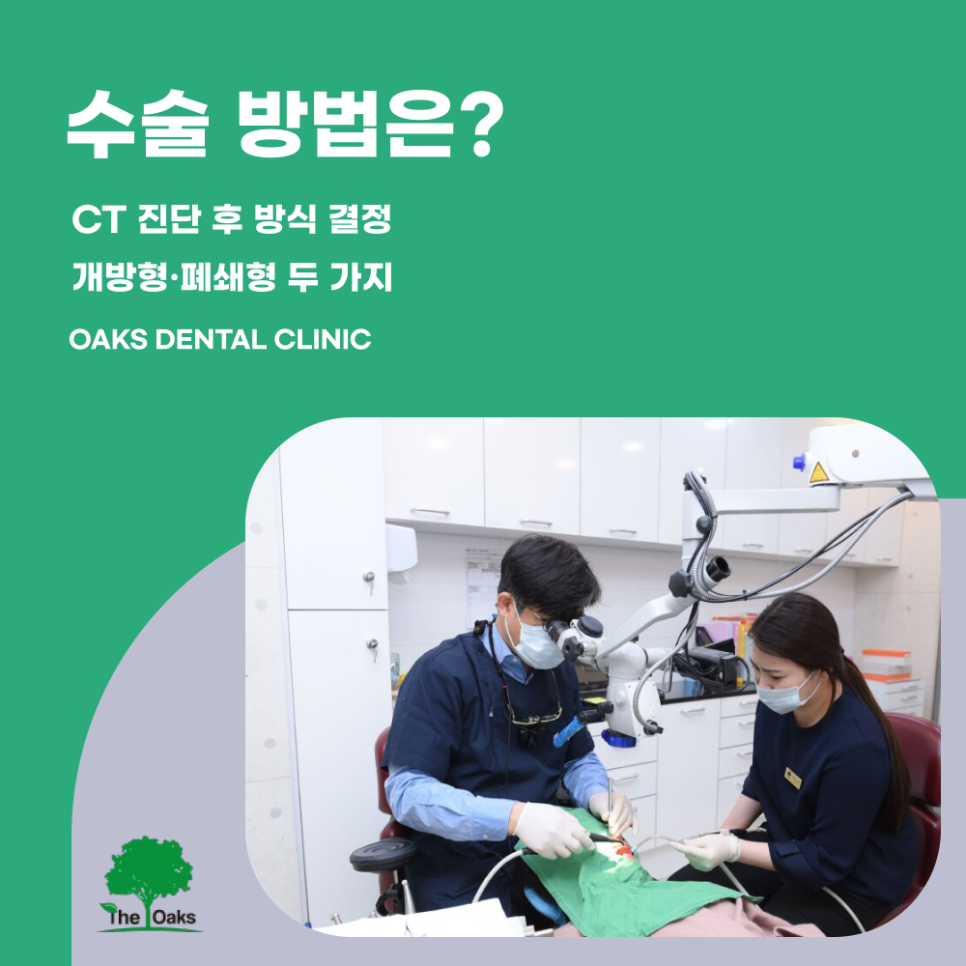
What types of surgical methods are there?
Sinus lift surgery has two methods depending on the level of difficulty and the approach used.
- Open sinus lift surgery
(Lateral Approach)
A method that opens the side of the maxillary sinus to graft bone
▶ Performed when the bone height is very insufficient, at 4 mm or less
▶ Recovery takes longer, but stable bone can be secured
- Closed sinus lift surgery
(Crestal Approach)
Performed by pushing the bone upward through the implant placement site
▶ Used when 5 mm or more of bone remains and reinforcement is needed
▶ Recovery is faster, and bleeding or pain is relatively less
The appropriate method is selected according to the patient’s bone condition, and in some cases, sinus lift surgery and implant placement are performed at the same time.
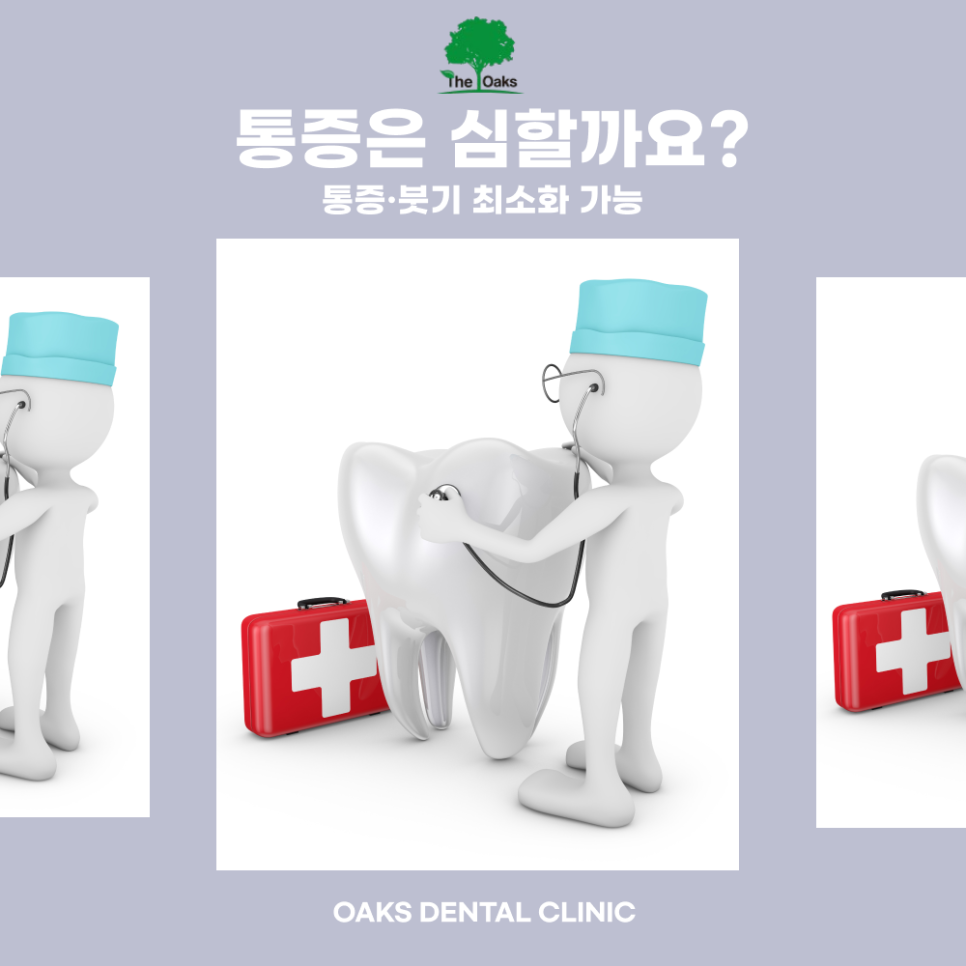
Will there be pain or side effects?
As with all surgeries, sinus lift surgery also has points to be careful about.
However, when performed by an experienced specialist and managed thoroughly, pain and side effects can be minimized.
Possible side effects include the following.
▶ Temporary pain and swelling
▶ Damage to the maxillary sinus membrane
▶ Bleeding
▶ Sinusitis (rare)
Postoperative care is also important!
After surgery, you must follow the instructions below so that the bone can settle properly.
▶ Do not blow your nose forcefully or sneeze hard for 2 weeks
▶ Do not drink through a straw
▶ No smoking or drinking alcohol
▶ Take prescribed medication at the scheduled times
▶ Use cold compresses for 2–3 days to reduce swelling
▶ Avoid strenuous exercise
And most importantly, regular checkups!
It is very important to regularly check the condition of the bone and gums before and after implant placement.
In closing...
To use implants for a long time and with strength, the underlying bone is the most important factor.
Sinus lift surgery is not a difficult or scary operation, but a preparation process to help your implant last longer.
If you have been told, “There isn’t enough bone in the upper molar area,” don’t worry and start with an accurate diagnosis first.