Cheongdam-dong Dental Clinic Root Canal Treatment: The Last Way to Save a Painful Tooth!
Hello.
This is OX Dental Clinic.
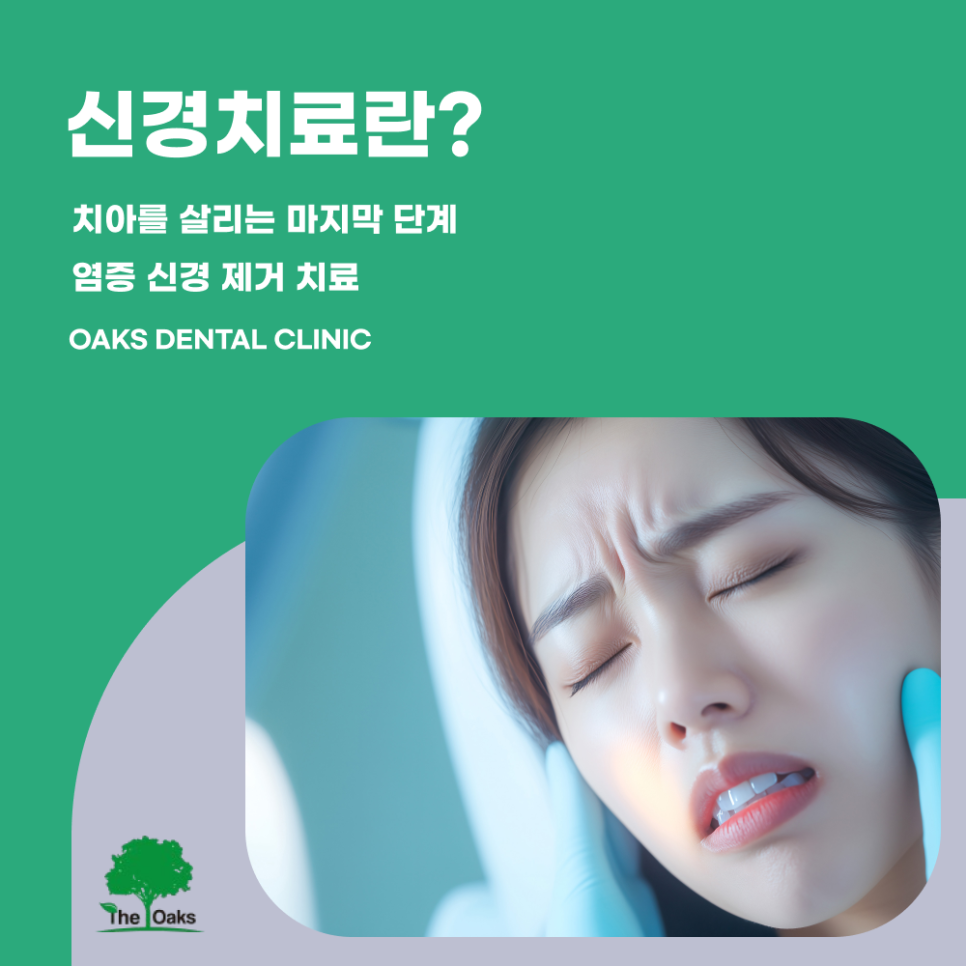
“My tooth hurts so much, it feels like it’s going to crack.”
“I had a cavity treated before, and the same area hurts again.”
“Both cold and hot things make it sensitive.”
Many people who come in with these symptoms often have not just a simple cavity, but inflammation of the tooth nerve.
The treatment needed in this case is root canal treatment.
Root canal treatment is the last treatment method that can save a tooth without extracting it. Today, I’ll explain its importance and the treatment process in detail.
What Is Root Canal Treatment?
Root canal treatment, as the name suggests, is a procedure used when the nerve (pulp) inside the tooth is damaged due to inflammation or infection. The damaged tissue is removed, and the inside is thoroughly disinfected to reduce pain and preserve the tooth.
Its medical term is root canal treatment.
A tooth may look like a hard structure from the outside, but inside it has small channels called root canals through which nerves and blood vessels pass.
If bacteria enter this area, severe pain, swelling, and in serious cases, even pus can develop.
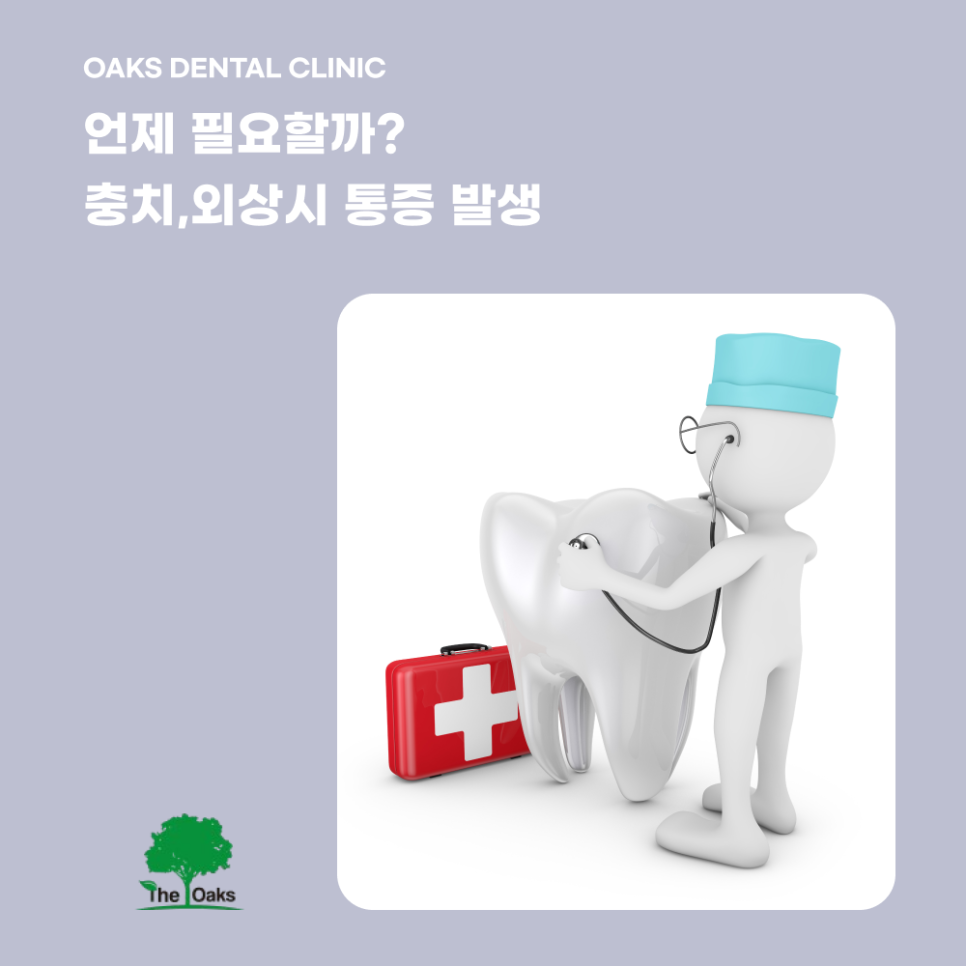
When Is Root Canal Treatment Needed?
▶ When a cavity is so deep that the infection has reached the nerve
▶ When a tooth is cracked or fractured due to trauma
▶ When pain returns in a previously treated tooth
▶ When pus is coming from the gum area
▶ When severe sensitivity, heat, or sharp pain is felt while chewing
In particular, when a severe cavity is left untreated, the infection spreads along the nerve to the root tip, and in many cases recovery is impossible without root canal treatment.
What Is the Root Canal Treatment Process Like?
▶ Anesthesia and removal of the infected area
→ To reduce pain, the damaged decayed portion is removed after local anesthesia.
▶ Nerve removal and root canal enlargement
→ The infected nerve and tissue are removed, and the channels inside the root are cleaned and shaped.
▶ Disinfection and filling
→ After disinfecting the inside of the root thoroughly so that it is free of bacteria, the empty space is filled with a special material.
▶ Prosthetic restoration
→ If the remaining tooth is weak, a crown is placed to protect the tooth.
Usually, 2 to 3 visits are needed, and depending on the condition, treatment may continue beyond that.
Does Root Canal Treatment Hurt?
Many people worry because they associate “root canal treatment = pain.”
However, anesthesia techniques have advanced these days, so in most cases the procedure is performed without pain.
That said, there may be some mild soreness or tenderness for a few days after treatment.
This is a natural part of the healing process in the area that had inflammation, so there is no need to worry too much.
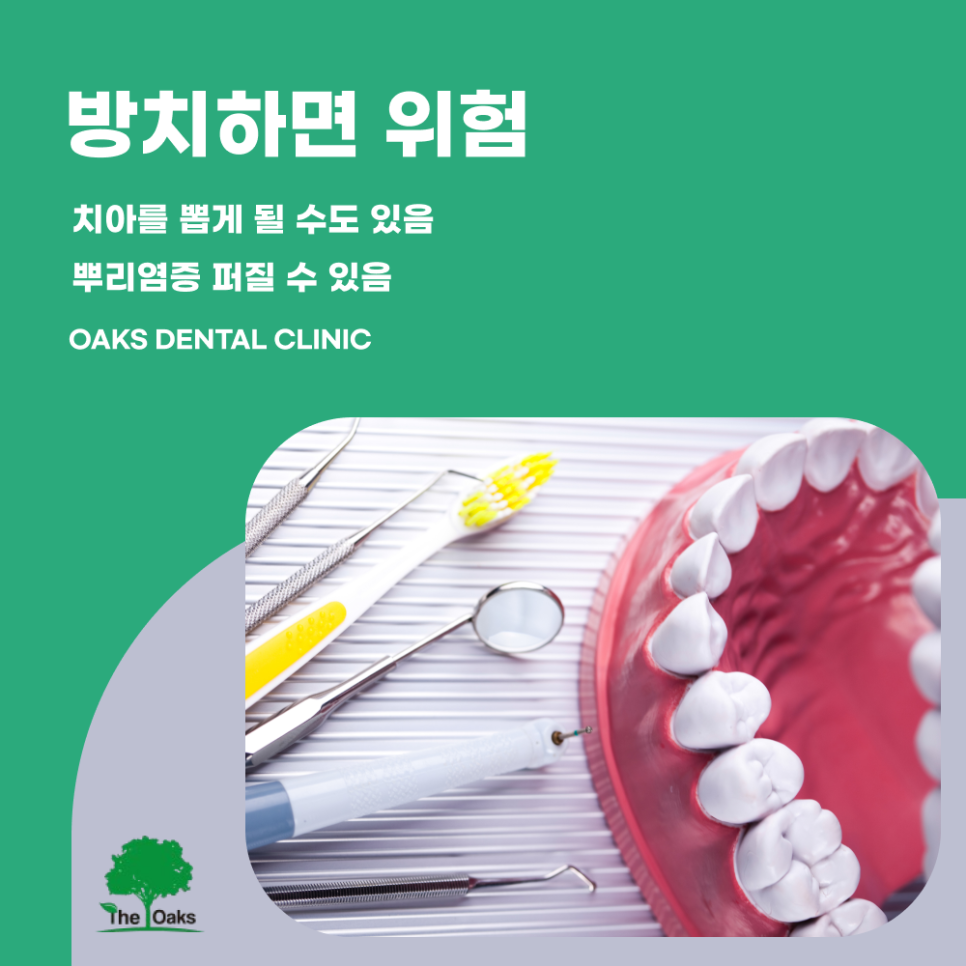
What Happens If Root Canal Treatment Is Left Untreated?
If nerve inflammation becomes severe and is not treated, bacteria can spread beyond the tooth root to the gum bone (alveolar bone).
In that case, the gums may swell and pus may form, the cheeks may swell and a fever may develop, nearby teeth may also be affected, and eventually the tooth may need to be extracted.
Therefore, root canal treatment is not just a treatment to stop pain, but the last chance to save the tooth.
Precautions After Root Canal Treatment
▶ Avoid hot foods and hard foods for about one day after treatment
▶ Be careful when eating until the anesthesia wears off
▶ Do not chew with the treated tooth during treatment
▶ Be sure to place a crown after treatment to prevent tooth fracture
▶ Regular checkups and oral hygiene management are essential
In particular, teeth that have undergone root canal treatment become structurally weaker, so it is essential to protect them with prosthetic treatment.
To Wrap Up...
Root canal treatment is not a painful procedure, but a necessary process of recovery so that you can use your tooth for longer.
If you currently have a painful tooth without a clear explanation, it may not be a simple cavity.
We hope you receive an accurate diagnosis before it is too late and do not miss the timing for treatment.