Sinsa-dong Dental Clinic Implant Placement: What Is the Process?
Hello.
This is Oaks Dental Clinic.
When a tooth is lost, the strongest replacement treatment that is closest to a natural tooth is definitely an implant.
Among them, “implant placement” is the core stage of this treatment.
But when treatment is actually approaching, worries and questions naturally arise, such as “What exactly is implant placement?”, “Does the surgery hurt?”, and “How long does treatment take?”
Today, I’ll explain in detail what implant placement is and what process it goes through.
What Is Implant Placement?
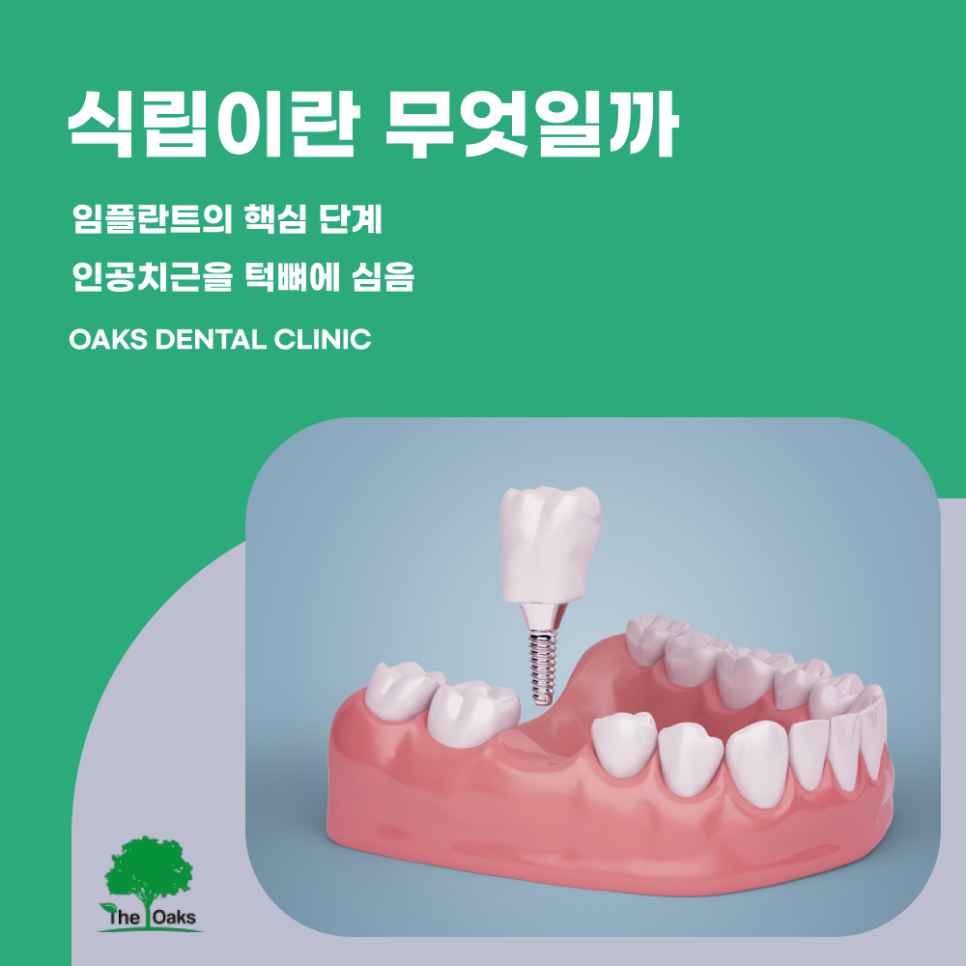
An implant is a treatment in which an artificial root (screw-shaped) is placed into the jawbone to replace a missing tooth.
Once this artificial root is stably integrated with the bone, an artificial tooth (prosthesis) can be placed on top of it.
The process of directly “placing” the artificial root into the bone is called implant placement.
Simply put, you can think of it as a stage similar to “foundation work.”
Before Placement, an Accurate Diagnosis Comes First
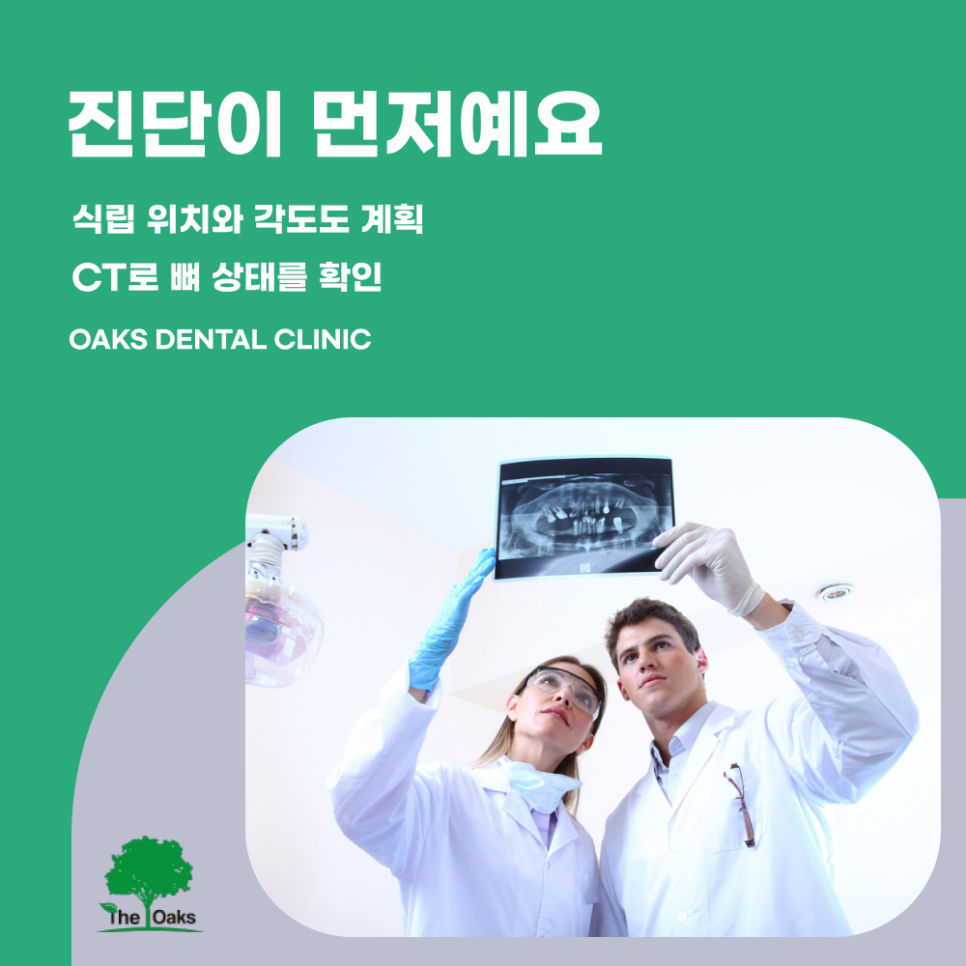
Before implant placement, an accurate diagnosis and treatment plan are essential.
We carefully check the condition before placement through the following steps.
▶ Check the amount and location of bone using panoramic X-ray and CT scans
▶ Identify the position of nearby nerves, blood vessels, and the maxillary sinus
▶ Check systemic diseases, medications, and gum health
▶ Simulate the placement position, angle, size, and more
This precise diagnosis is the basis for a safe placement surgery and long-lasting results.
How Is Implant Placement Surgery Performed?
Implant placement surgery is usually carried out in the following order.
▶ Incision of the gum after anesthesia
→ Local anesthesia is used to reduce pain, and the gum is gently incised.
▶ Create a placement space in the jawbone
→ A drill is used to create the placement space at the designated location.
▶ Fix the implant
→ The artificial root (titanium) is placed into the jawbone, and the gum is sutured again.
▶ Wait for the healing period
→ Wait about 2 to 4 months for the bone and implant to bond firmly.
The treatment period may be adjusted depending on the patient’s bone condition and body type.
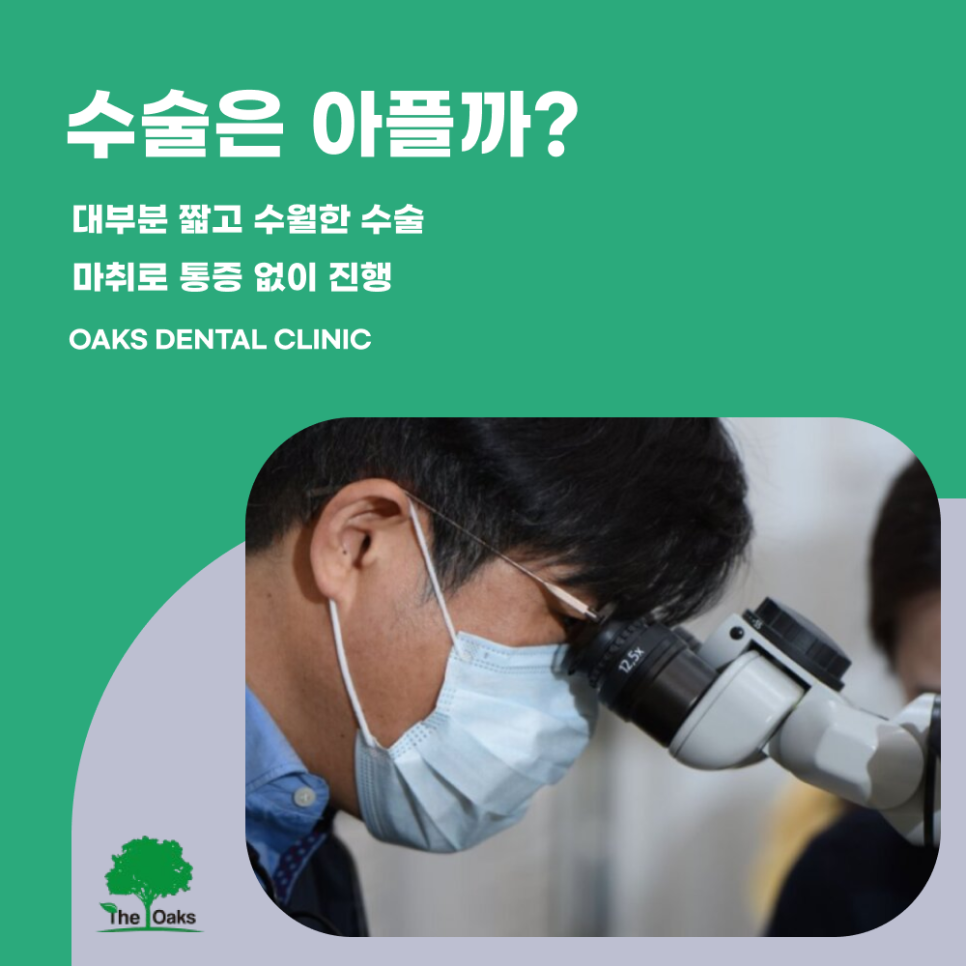
Is It a Scary Surgery?
Don’t worry about pain.
Many people think implant surgery is a “very painful surgery,” but the actual surgery time is relatively short, around 20 to 40 minutes, and because anesthesia is administered sufficiently, you will feel little to no pain during the procedure.
After surgery, there may be some swelling or soreness, but it is usually well managed with prescribed medication and cold compresses.
Most patients say, “It was easier than I thought.”
The Healing Period After Placement Is Important
After implant placement, the artificial root must firmly bond with the bone through a process called osseointegration.
During this time, you should be careful about the following.
▶ Do not chew food on the affected area
▶ Avoid very hot foods
▶ Minimize irritation to the wound when brushing your teeth
▶ Quit smoking (it interferes with bone regeneration)
▶ Take the prescribed medication regularly
Only when this period goes well can a strong prosthesis also be successfully placed.

In These Cases, Bone Grafting May Also Be Needed
A representative case in which implant placement is difficult is when there is insufficient jawbone.
In such cases, bone grafting is used first to secure the placement space, and then the implant is inserted.
▶ When the bone has been resorbed because a tooth has been missing for a long time
▶ When bone has been lost due to periodontitis
▶ When the maxillary sinus is large and the bone height is low
Frequently Asked Questions After Implant Placement
Q. How long do implants last?
A. If well managed, they can be used for more than 10 years. Regular checkups are important.
Q. Are implants weaker than natural teeth?
A. Their chewing force is close to that of natural teeth, and they are much stronger than dentures.
Q. What if multiple implants are needed?
A. In addition to individual implants, bridge-type and full-mouth implants are also possible.
In Closing...
Implant placement is not simply placing a screw; it is a “scientific treatment” that involves a complex process, including precise diagnosis, safe surgery, and recovery.
If you are currently considering implants, please receive an accurate diagnosis and consultation to find an implant you can use for a long time.