Yeoksam-dong Dental Clinic: If you develop a toothache, don’t leave it alone, and make sure to identify the cause accurately first.
Hello.
This is Oaks Dental Clinic.
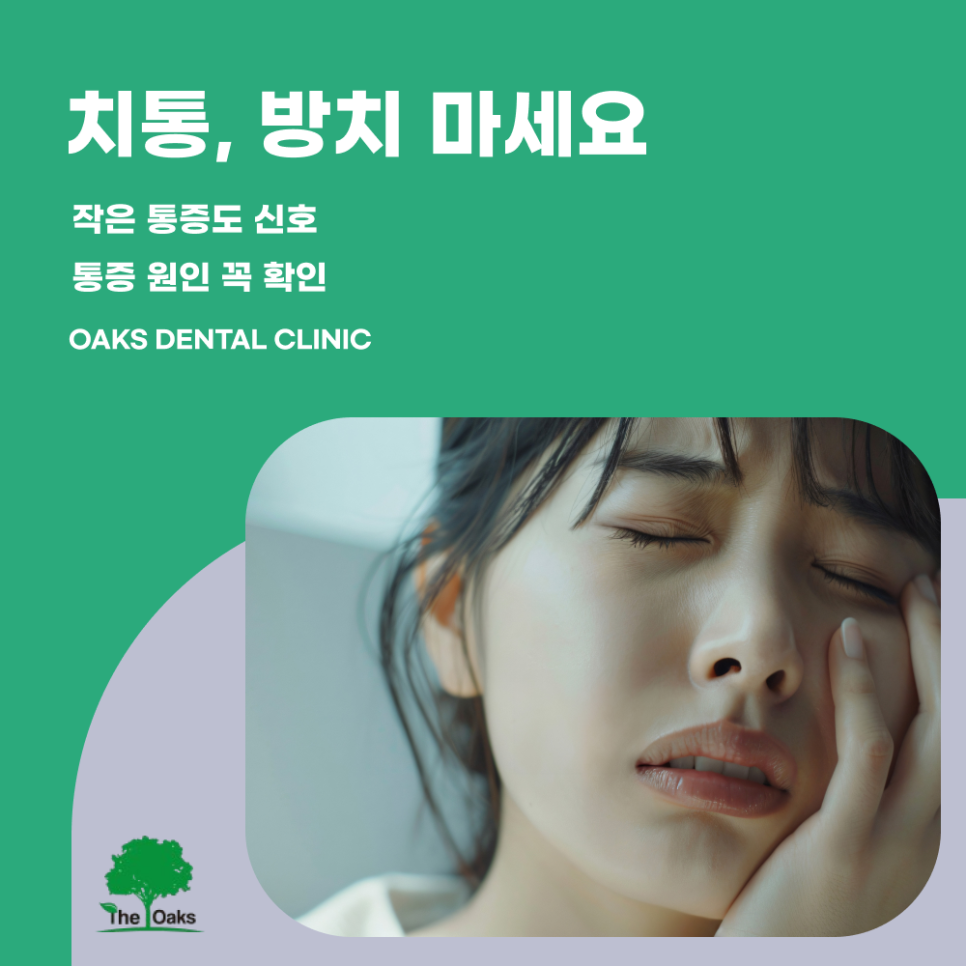
“My tooth hurts so much…”
Many people worry like this before they actually visit the dentist.
A toothache does not simply mean “pain.”
The actual problem can range from early cavities to nerve damage, gum disease, and temporomandibular joint abnormalities.
Today, we’ll explain how to identify the cause as soon as a toothache starts, along with the necessary treatments and prevention methods.
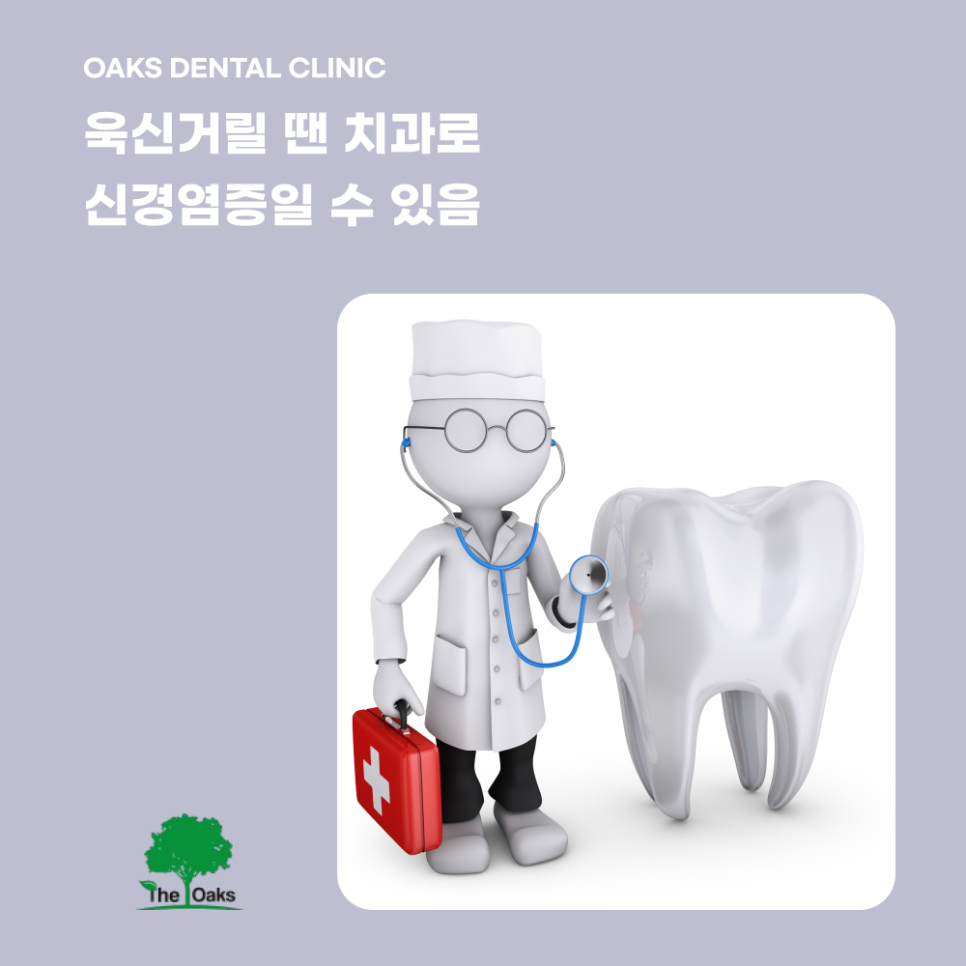
What kind of pain should you pay attention to?
▶ A sharp, sensitive pain when exposed to cold water or sweets
▶ Throbbing pain even when simply pressing on the area
▶ A dull, stiff feeling in the jaw or muscles when opening the mouth
▶ A persistent, mild ache, or pain severe enough to keep you from sleeping
If you have these symptoms,
there is a high chance it is not just a temporary discomfort,
so it is important to get checked quickly.
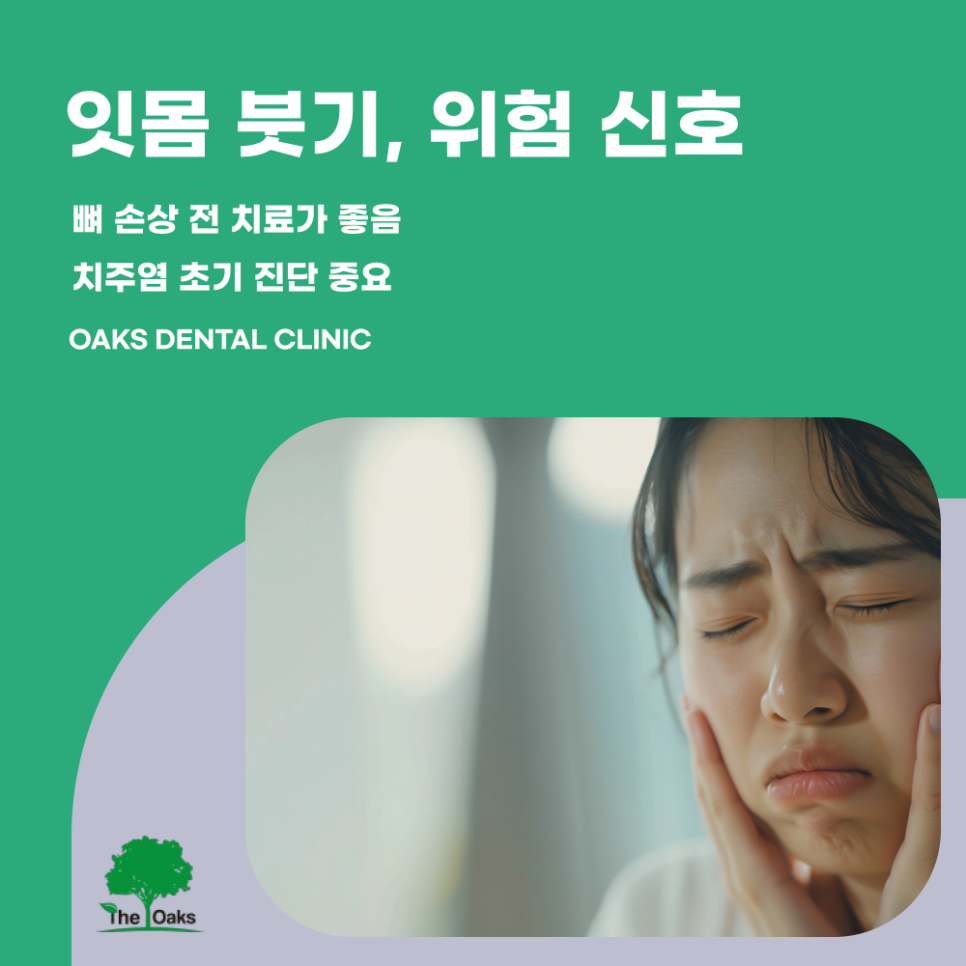
Representative causes of toothache
- Cavities or nerve infection
Early cavities usually cause little sensitivity,
but as they deepen, inflammation can spread to the nerve,
leading to severe pain, pus, swelling, and more.
- Gum disease (periodontitis)
If it progresses along with symptoms such as swollen gums and bleeding,
it can be felt as a toothache.
In severe cases, damage to the alveolar bone may cause the teeth to become loose.
- Temporomandibular joint dysfunction
If your jaw muscles feel stiff when chewing,
or if you hear a cracking sound,
it may be pain caused by a TMJ problem.
- Cracks or fractures in a tooth
If a tooth is split or cracked, pain increases when chewing,
and the deeper the crack becomes, the more likely an inflammatory reaction may appear.
This is how toothache diagnosis and treatment proceed
Step 1: Detailed diagnosis
The cause is identified through X-rays, oral photos, percussion tests, and more.
Step 2: Cause-specific treatment approach
Cavities - resin, inlay, root canal treatment, etc.
Periodontitis - scaling, SRP, surgery if needed
TMJ - physical therapy, splint
Cracked tooth - crown or precise restoration
Step 3: Recovery and management
After treatment, the recovery status is monitored, and if there is pain or anything unusual, visit the clinic immediately.

How should you manage your teeth after toothache?
▶ Brush at least twice a day and use proper brushing techniques
▶ Make active use of dental floss and interdental brushes
▶ Regular checkups and scaling
(Every 6 months to 1 year)
▶ Avoid very hard foods and biting ice
▶ For those with stress or teeth-grinding habits, splint treatment
▶ Carefully manage chronic conditions such as diabetes or high blood pressure
In closing...
Don’t suffer through a toothache alone.
A toothache is a signal.
If you ignore it even a little, you may need more extensive treatment,
and you could even lose a tooth.
But
✅ if you accurately identify the cause
✅ receive appropriate treatment
✅ and manage it well through your daily habits
you can return to a healthy oral environment without toothache.
A dental clinic is not a scary place,
but the starting point for regaining your health.