Cheongdam-dong Dental Clinic Tips for Recovery After Impacted Wisdom Tooth Extraction!
Hello.
This is Oks Dental Clinic.
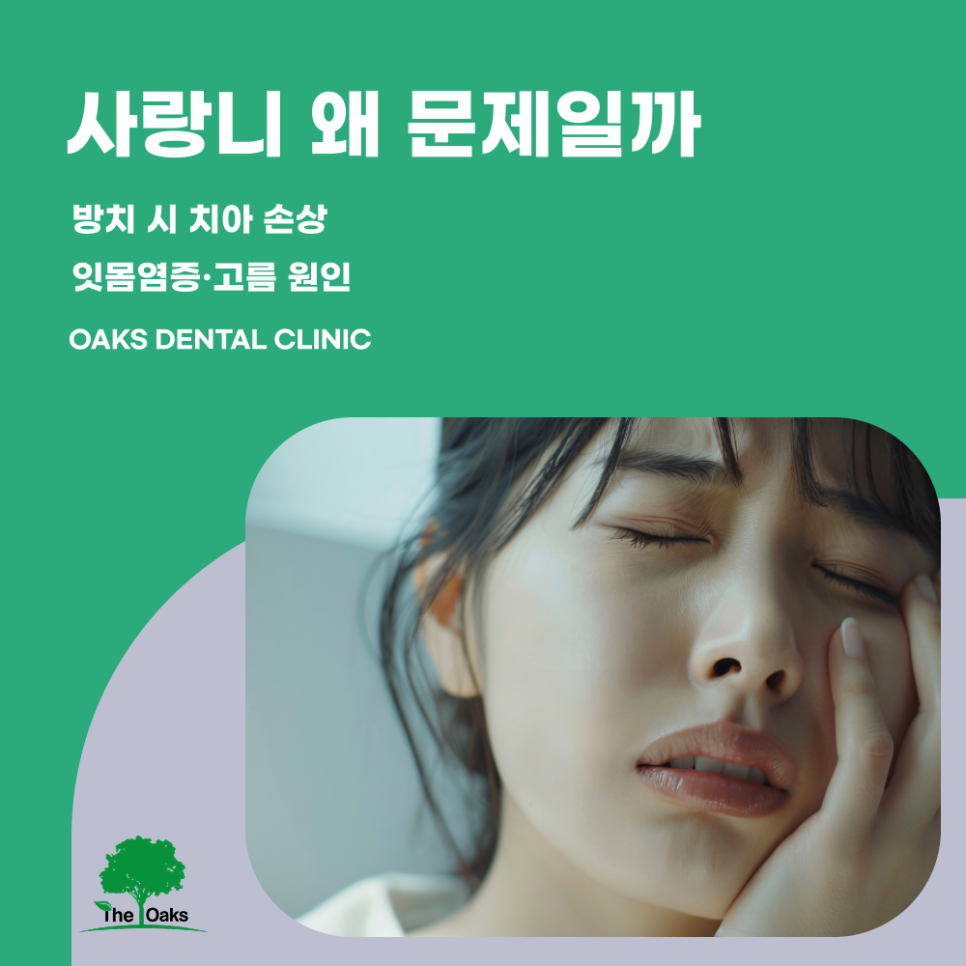
“Inside my jaw keeps throbbing.”
“I have trouble opening my mouth because of my wisdom tooth…”
Many patients say things like this
when they visit the dentist.
Wisdom teeth, especially impacted ones, can
quietly cause inflammation inside the mouth,
then suddenly appear as severe pain or swelling,
and can even affect the surrounding teeth.
Today, at a Cheongdam-dong dental clinic,
we’ll take a look at impacted wisdom tooth extraction,
a topic many people are unfamiliar with.
Why are impacted wisdom teeth a problem?
Wisdom teeth are the third molars at the very back
of the mouth. Because the jaw has become smaller
and, genetically, modern people often do not have
enough space, they frequently fail to erupt properly.
In such cases:
▶ Gum inflammation and pus formation
The gums may swell repeatedly,
and pus can form.
▶ Damage to adjacent teeth
A wisdom tooth can press on the root of the neighboring tooth
or cause decay, leading to damage.
▶ Jaw joint pain and limited mouth opening
Strain on the jaw muscles or joints
can cause pain or stiffness.
As you can see, impacted wisdom teeth can cause
various problems if left untreated, so after a precise diagnosis,
it is important to remove them at the appropriate time.
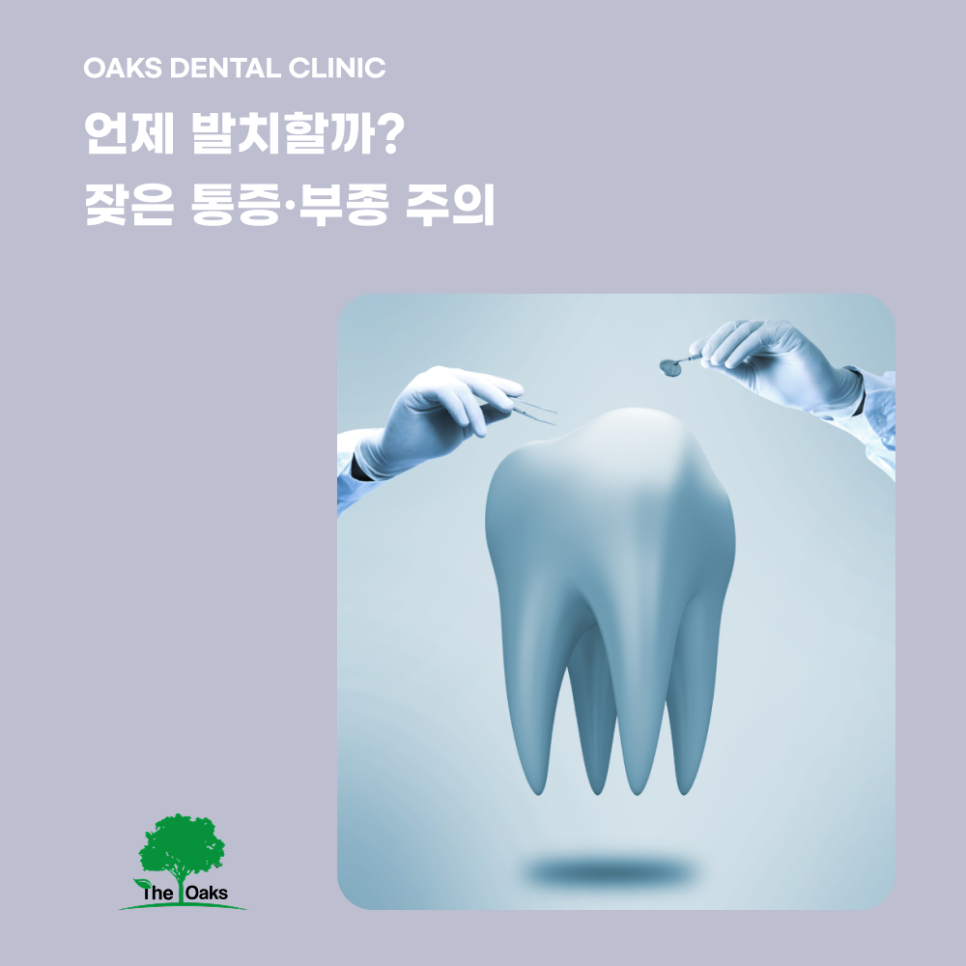
When is extraction necessary?
▶ If swelling, pain, or inflammation of the gums
keeps recurring
▶ If it can damage the root of the adjacent tooth
▶ If the pain is so severe that even opening the mouth is difficult
▶ If CT scans or similar imaging show it is deeply embedded in the bone
and difficult to access with standard treatment
If these situations are present,
impacted wisdom tooth extraction
will be considered carefully.
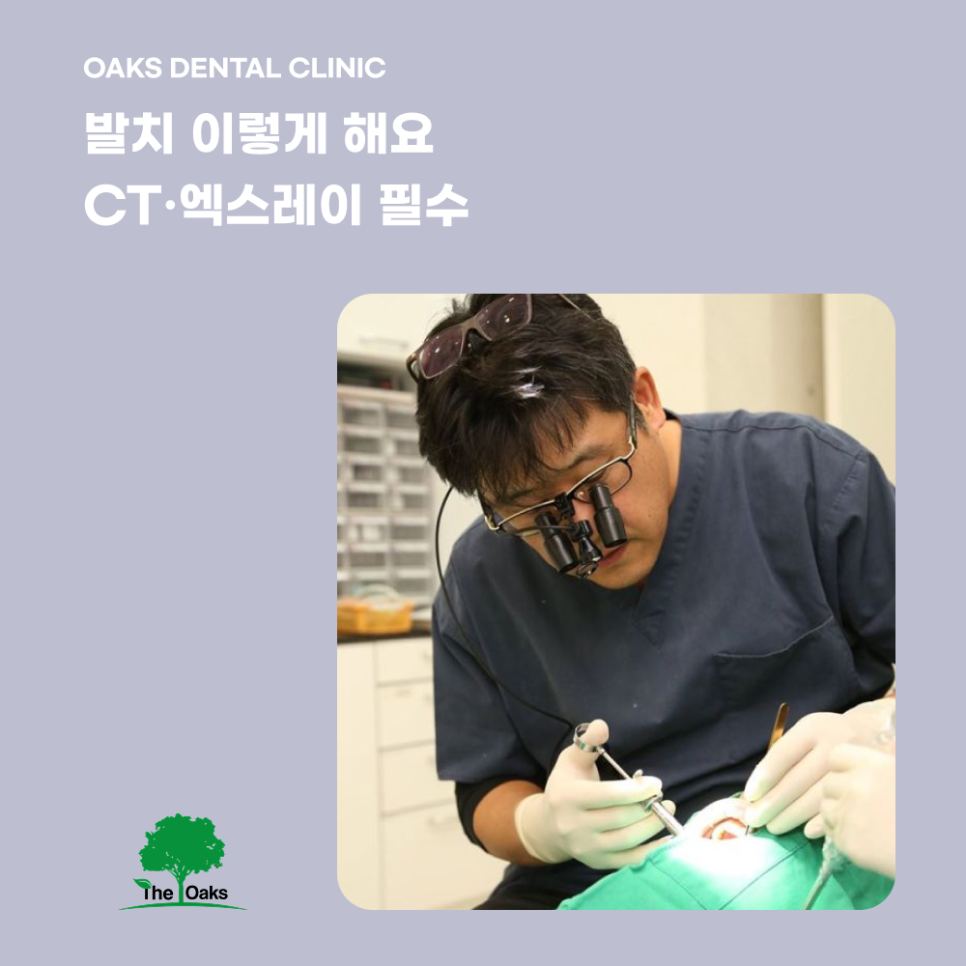
What is the impacted wisdom tooth extraction process like?
▶ Precise diagnosis and planning
A CT scan and X-ray are used to assess the wisdom tooth’s position,
its relationship to the nerve canal and maxillary sinus,
and the difficulty of extraction.
▶ Anesthesia and procedure
The procedure is performed under local anesthesia or,
if necessary, sedation anesthesia.
After making an incision in the gum,
the wisdom tooth is separated and removed.
▶ Disinfection and suturing
The gum is carefully cleaned and sutured
to reduce inflammation and support recovery.
How can we help with recovery?
▶ Cold compress
For 24 hours after surgery,
use a cold compress (20 minutes on, 10 minutes off)
to reduce swelling.
▶ Diet control
Eat mainly soft or liquid foods for about 5 to 7 days.
▶ Keep the mouth clean
The day after surgery, gently rinse with lukewarm salt water.
▶ Watch for complications
⊙ Dry socket
The blood clot may be removed,
causing severe pain.
Medication and additional treatment may be needed.
⊙ Nerve damage
Reduced chewing sensation or numbness can occur,
but in most cases it is temporary.
Other issues such as bleeding and infection may also occur.
After impacted wisdom tooth extraction, take care like this
▶ Be sure to take the prescribed anti-inflammatory medicine and painkillers
▶ Do not smoke or use a straw
To prevent loss of the blood clot
▶ Avoid strenuous exercise or excessive movement
and rest
▶ Visit the clinic immediately if anything unusual occurs during recovery
Such as excessive pain, high fever, bleeding,
or abnormal nerve reactions
▶ Regular dental checkups
In closing...
Impacted wisdom teeth usually quietly
make problems worse and then suddenly
appear with severe pain.
But if you receive an accurate diagnosis,
have the procedure performed by an experienced clinician,
and follow careful recovery management,
you can recover comfortably,
from being able to open your mouth again
to chewing food.
If you are wondering, “I think I may have a wisdom tooth problem,
what should I do?”
please visit the dentist right away.