Nonhyeon-dong Dental Clinic aesthetic prosthetics, treatment that restores confidence with just one smile!
Hello.
This is OX Dental Clinic.

“I'm not happy with how my teeth look when I smile.”
“There are gaps between my teeth, or the color bothers me,
so taking photos feels uncomfortable.”
“I don't want to see my front teeth discoloring or
chipping easily.”
There are surprisingly many people with these concerns.
In the past, dental treatment was limited to
simply fixing teeth that were painful or uncomfortable,
but today, it is an era in which
not only function but also
esthetic aspects are considered.
The treatment needed at times like this is
“aesthetic prosthetics.”
Today, we at the Nonhyeon-dong Dental Clinic will explain
what aesthetic prosthetics are,
including the types, features, procedure, and maintenance methods.
What is aesthetic prosthetics?
Prosthetics is a treatment that restores damaged teeth or
replaces lost teeth,
and esthetics means paying attention to visual
beauty as the word suggests.
Therefore, aesthetic prosthetics
is not simply a way to restore chewing function,
but a treatment that also pays attention to tooth color, shape, translucency,
and harmony with the surrounding teeth.
It is suitable for cases such as when the front tooth color has changed, the shape of the teeth
is uneven and looks unattractive,
or when gaps between teeth make you self-conscious
when smiling.
It can also be very helpful when old prosthetic restorations become discolored
or their margins become visible and bothersome.
Types and features of aesthetic prosthetics
There are several methods of aesthetic prosthetics.
Typical examples include laminate veneers,
all-ceramic crowns, zirconia crowns,
and resin veneers.
Laminate veneers are
made by lightly shaping the outer surface of the tooth and
adding ceramic over it.
Because they require minimal tooth reduction and look natural,
they are often used to improve the appearance of front teeth.
However, they are not suitable for every tooth,
so the condition must be carefully evaluated.
All-ceramic crowns or
zirconia crowns cover the entire tooth,
providing excellent strength and a natural
esthetic appearance.
In particular, zirconia offers both
durability and esthetics,
so it is widely used for both molars and front teeth.
On the other hand, resin veneers or
minimal-prep laminate veneers can be done with almost no tooth reduction,
so they are less burdensome, but because they are less durable,
there is a risk of breakage depending on the usage environment.
Therefore, it is important to comprehensively consider the patient's tooth condition,
occlusion, desired level of esthetics,
and other factors when choosing the most appropriate method.
Conditions for good aesthetic prosthetics
Aesthetic prosthetics
is not simply a matter of using good materials.
An accurate diagnosis and sufficient consultation
must come first.
The patient's tooth color, shape, gum line,
and occlusion must be analyzed in detail,
and a customized design based on that analysis is necessary.
It is also important to proceed in a way that preserves as much natural tooth structure as possible.
Tooth reduction should be minimized,
and when necessary, precise fabrication should be performed using advanced equipment such as
the CAD/CAM system.
In addition, it is advisable to provide patients
with various options.
Rather than insisting on only one method,
explaining the pros and cons of several methods such as laminate veneers, crowns, and bridges,
and allowing the patient to make a decision only after fully understanding them,
is what I believe to be an ethical approach.
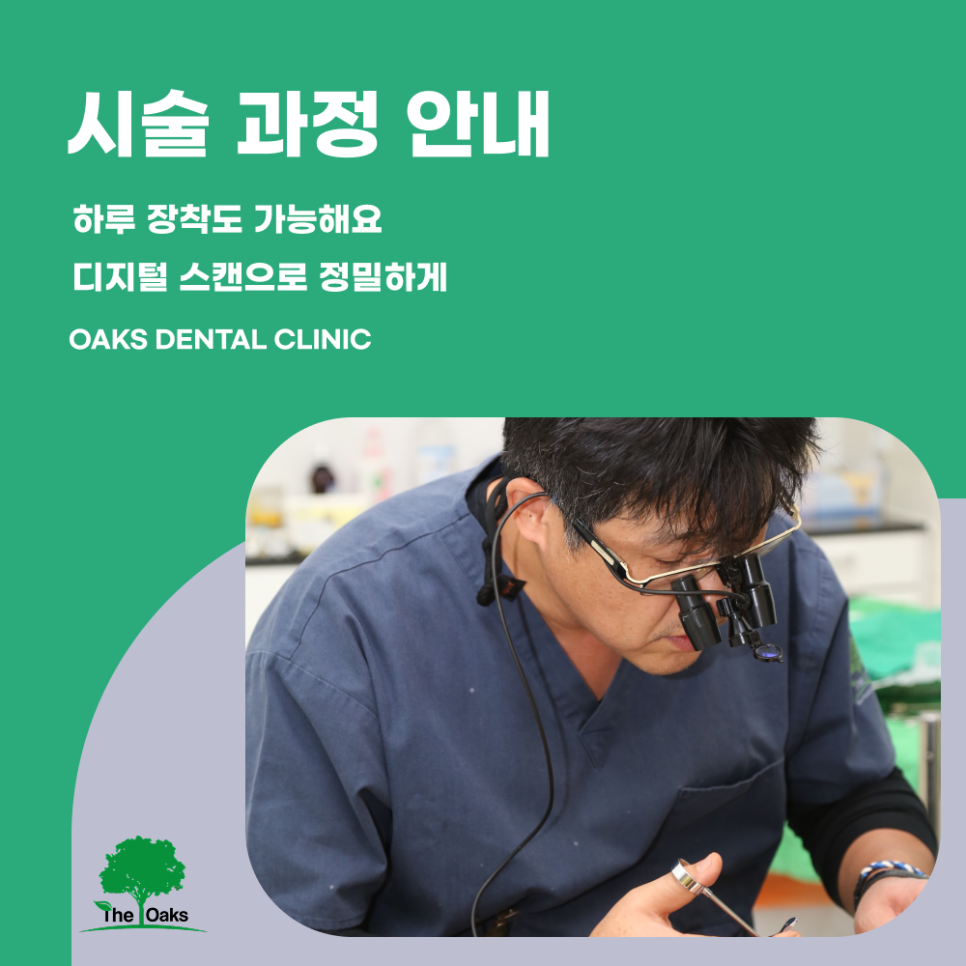
How is the procedure carried out?
Aesthetic prosthetics usually begins with consultation and diagnosis.
After carefully identifying the patient's tooth color, shape,
and desired goals,
a treatment plan is made through oral photographs, images, digital scans, and more.
Then, if necessary, the teeth are minimally shaped,
and impressions are taken or the teeth are scanned with an intraoral scanner to obtain data.
Based on this data, ceramic or zirconia prosthetics are fabricated.
These days, CAD/CAM technology has advanced,
so in some cases fabrication and placement can be completed in a single day.
Finally, the completed prosthetic is placed,
then the occlusion is adjusted and the color harmony with the surrounding teeth is checked
before finishing.
After the procedure, regular checkups and maintenance
are essential.
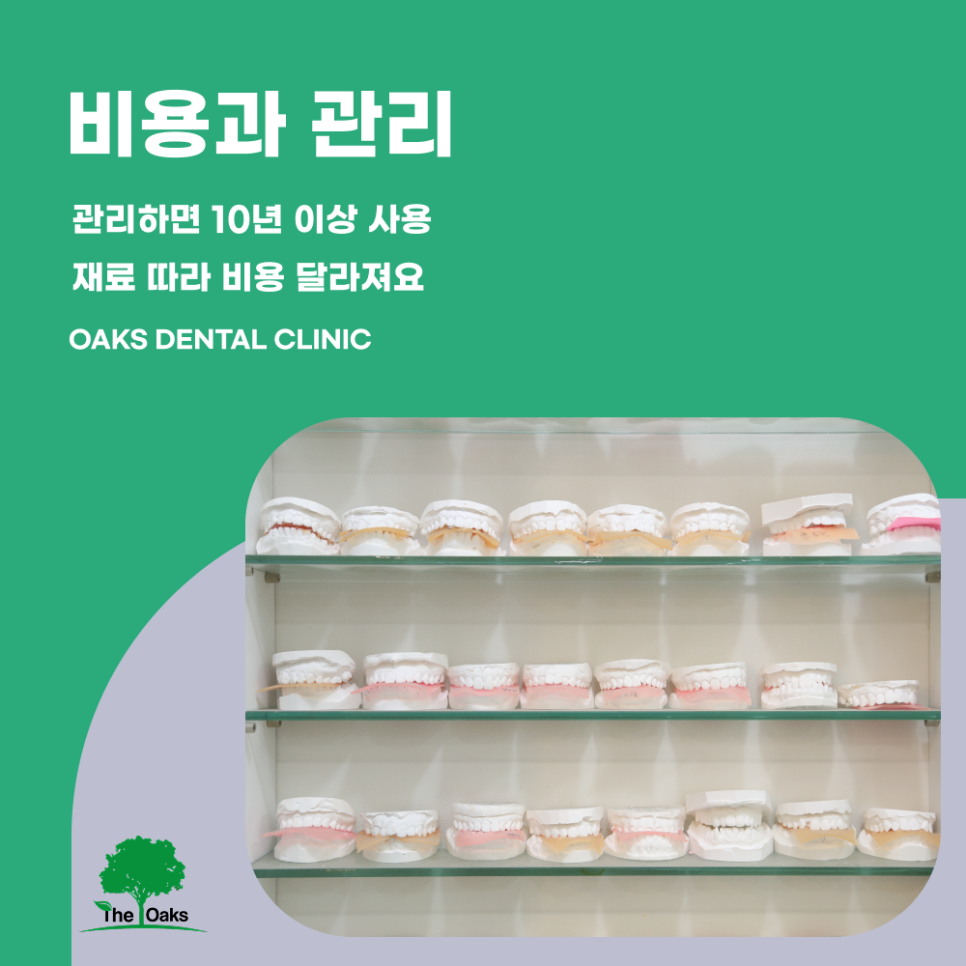
Cost and maintenance
The cost of aesthetic prosthetics varies depending on the materials used,
the clinic's equipment,
and the level of technical expertise.
For example, zirconia crowns are relatively more expensive than other materials
because they offer excellent strength and esthetics.
On the other hand, resin veneers are
cheaper and simpler,
but their durability may be lower.
How long they last depends on the individual's oral hygiene habits,
but with proper care, they can be used for more than 10 years.
Brushing, flossing,
and regular scaling are essential,
and it is also a good idea to be careful about discoloration caused by drinks or food.
Conclusion...
Aesthetic prosthetics is not simply a treatment that covers teeth.
It is a process of regaining your smile and restoring your confidence.
Because it provides not only function but also esthetic satisfaction,
it is one of the treatments with a high level of patient satisfaction.
However, when deciding on treatment,
it is wise to consider not only appearance but also function and long-term stability together.