Hello.
This is Oks Dental.
Teeth do more than simply chew food.
They also have a significant impact on pronunciation, facial balance,
and the impression created by your smile.
However, when teeth become damaged or are lost due to cavities, gum disease, trauma, or other causes,
they can make daily life uncomfortable.
In such cases, prosthodontic treatment restores
the function and shape of natural teeth.
Today, Daechi-dong Dental will explain
everything from the concept and types of prosthodontic treatment
to aftercare.
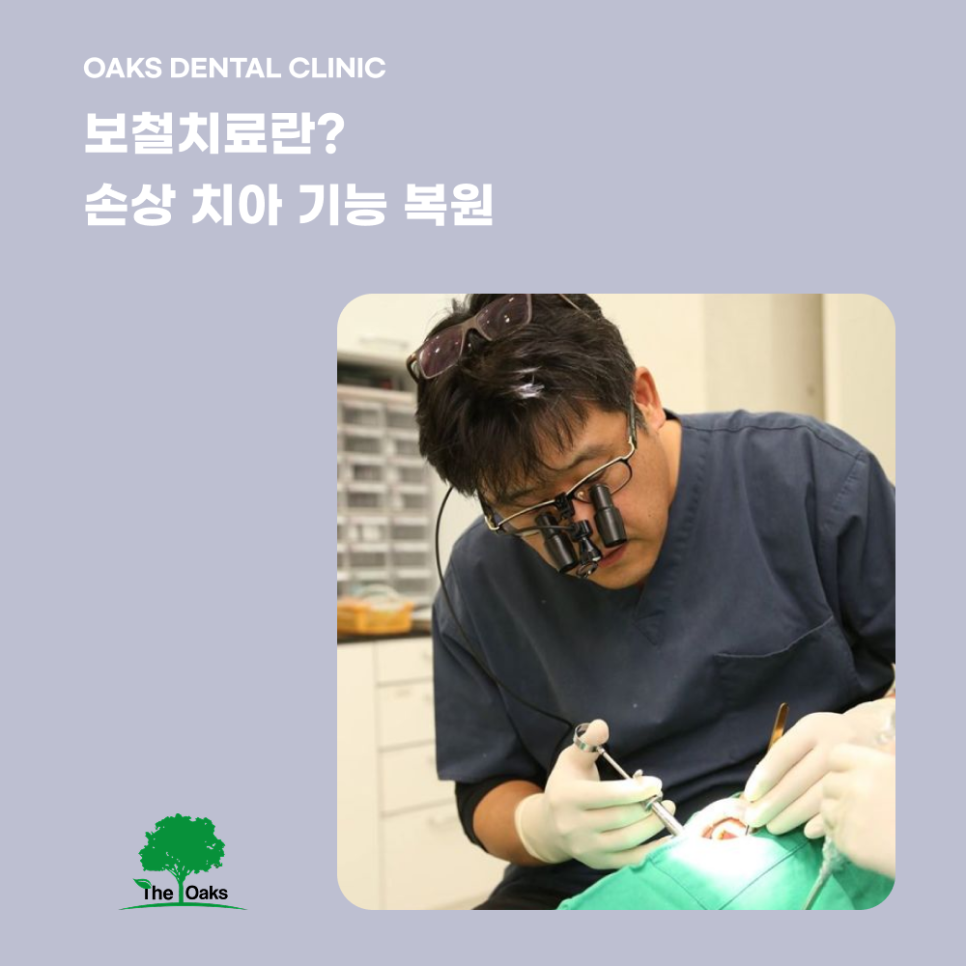
What Is Prosthodontic Treatment?
Prosthodontic treatment restores damaged or missing
teeth with artificial teeth to recover their function
and appearance.
Simply put, it can be described as
“custom restorative treatment that recreates lost teeth.”
Prosthodontic treatment is broadly divided into
fixed prostheses, removable prostheses,
and implant prostheses.
The appropriate method is selected
based on the condition of the teeth, the area of tooth loss,
and the patient’s oral environment.
Fixed Prostheses —
Restorations Firmly Attached Like Natural Teeth
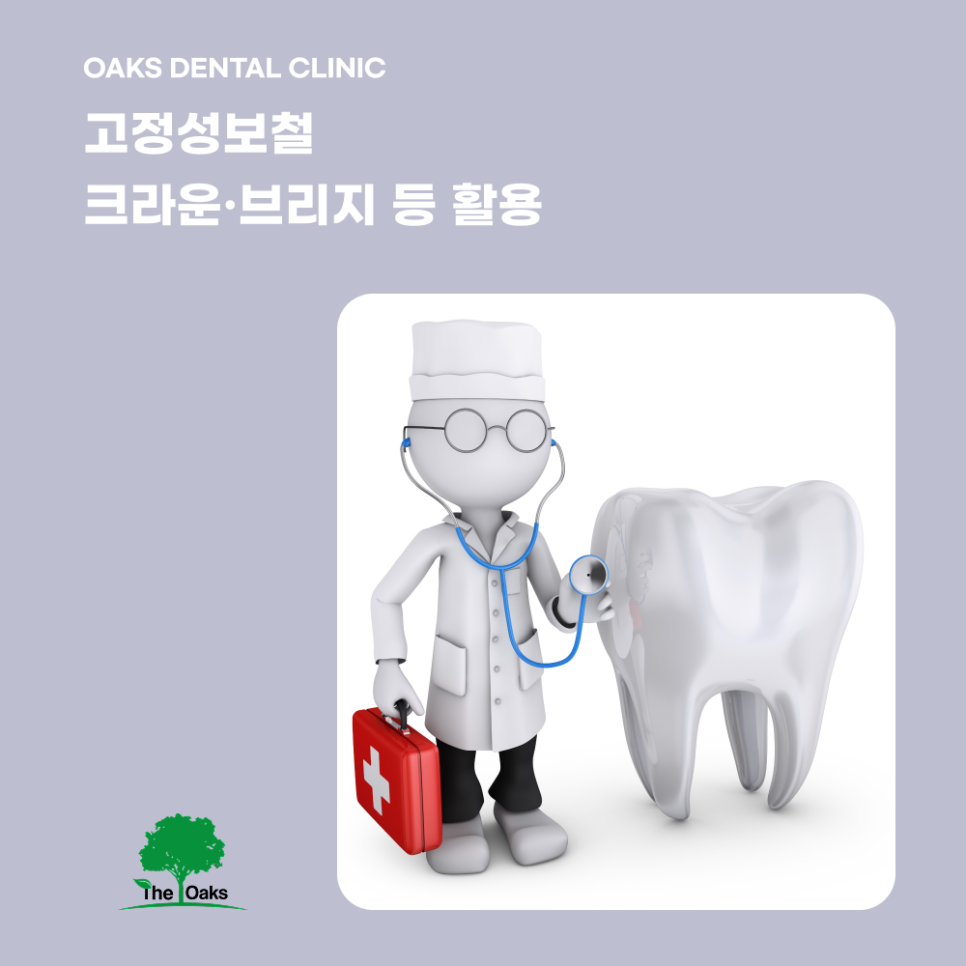
Fixed prostheses are permanently attached
to a tooth or an artificial post (implant).
Common examples include crowns, bridges,
inlays, and onlays.
Crown
This method covers and protects a tooth
that has been severely affected by decay
or weakened after root canal treatment.
They can be made from a variety of materials,
including metal, ceramic, and zirconia,
allowing both appearance and durability
to be taken into consideration.
Bridge
When one tooth is missing, the teeth on both sides
are used as supports to connect an artificial tooth.
This method does not require surgery and provides good stability,
but one disadvantage is that the healthy adjacent teeth
must be reduced.
Inlay/Onlay
These are precision restorations used
when decay or damage affects only part of a tooth.
Because they do not cover the entire tooth,
they help preserve the natural tooth structure
and offer excellent aesthetics with a natural color.
Removable Prostheses —
Dentures That Can Be Removed and Reattached
Removable prostheses are, as the name suggests,
prosthetic appliances that can be taken in and out—in other words, dentures.
They are selected when several teeth are missing
or when fixed treatment is difficult
due to poor gum condition.
Partial Dentures
When only some teeth are missing,
this type is held in place with clasps
attached to the remaining teeth.
Complete Dentures
When all teeth are missing,
artificial teeth are placed over the gums
to restore the entire dentition.
Dentures offer significant economic advantages
and are commonly selected by older adults.
However, they may feel like a foreign object at first,
and periodic adjustments may be necessary
if the gums change.
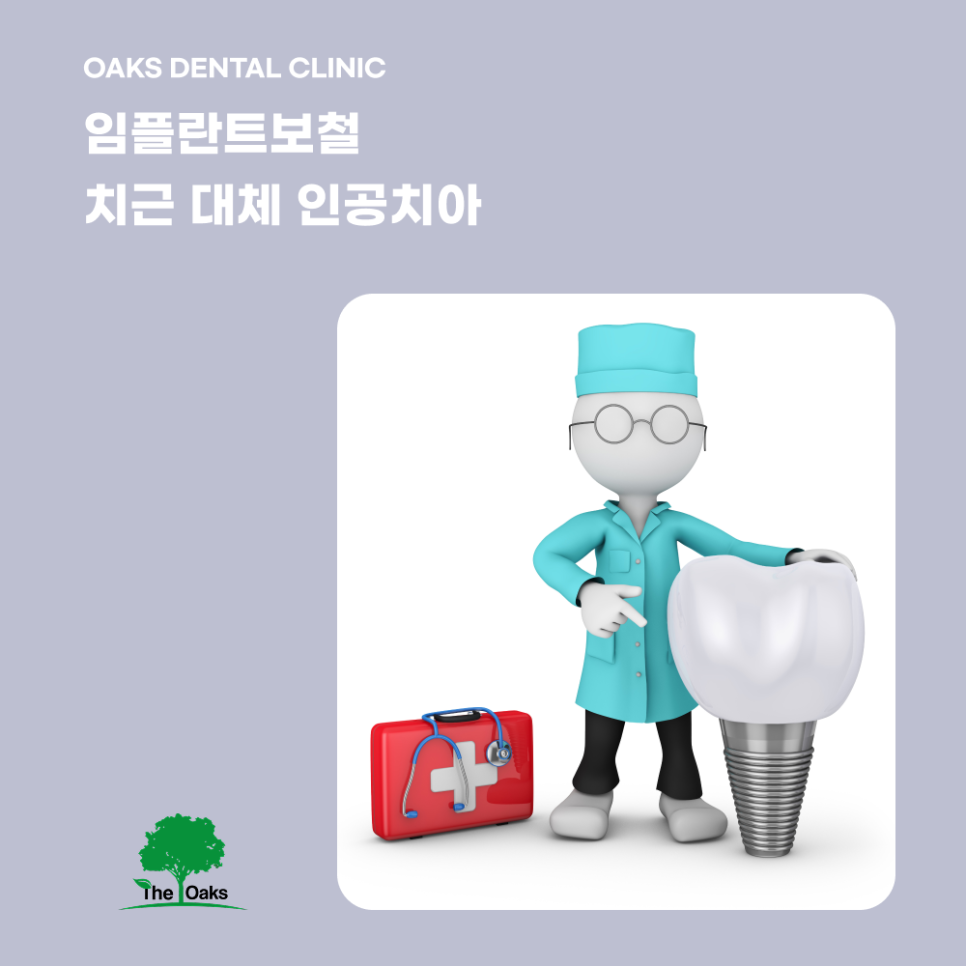
Implant Prostheses —
Artificial Teeth Used Like Your Own Teeth
Implant treatment places an artificial tooth root (a titanium screw)
in the jawbone and connects an artificial tooth
above it.
It provides function and sensation that are nearly the same as natural teeth
and is considered a leading option among fixed prosthetic treatments.
-
Strong chewing ability comparable to that of natural teeth
-
No need to reduce adjacent teeth
-
May be maintained for a long time by reducing jawbone resorption
However, if the jawbone condition is poor
or the patient has a systemic disease,
prior examination is necessary.
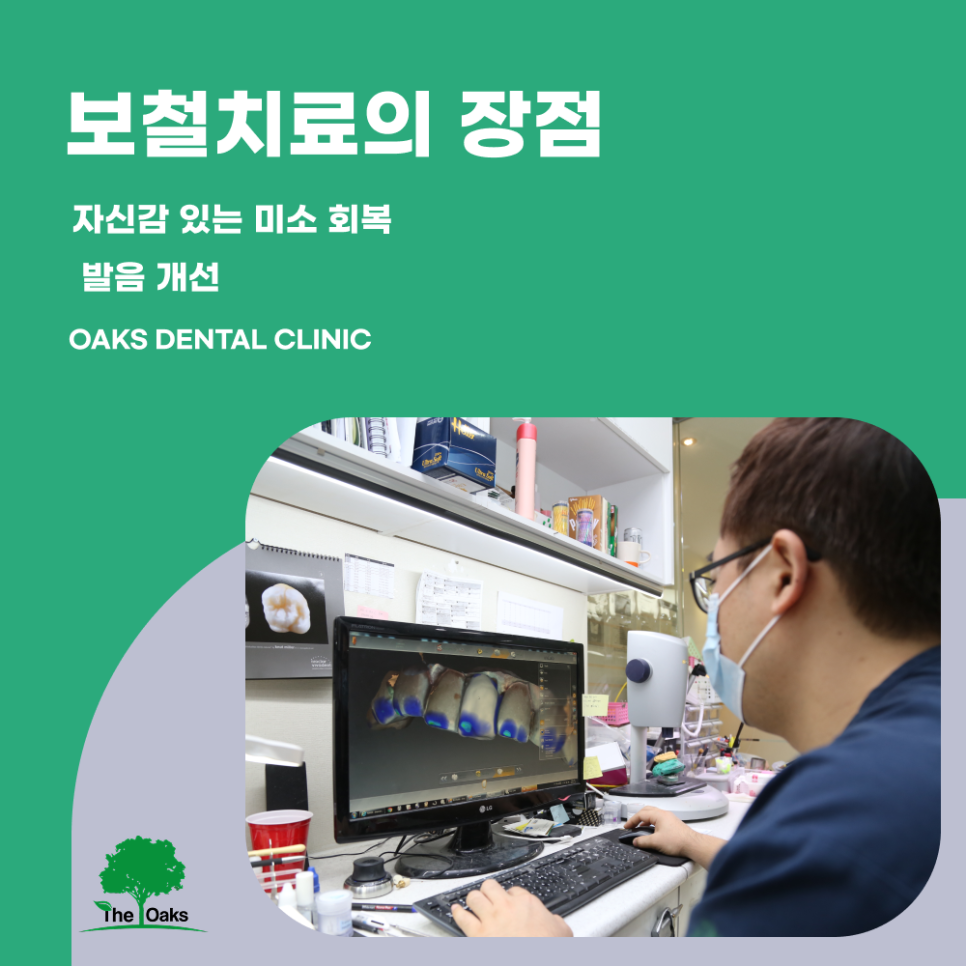
Benefits of Prosthodontic Treatment
Prosthodontic treatment is not simply
a treatment for filling a tooth.
Its greatest advantage is that it can provide
both functional recovery and aesthetic satisfaction
at the same time.
-
Eating becomes more comfortable and chewing function improves
-
Speaking becomes more natural with improved pronunciation
-
Natural facial contours are maintained, helping prevent an aged appearance
-
A confident smile is restored
-
It may help prevent the recurrence of cavities and gum disease
Through prosthodontic treatment, it is possible to restore
not only an individual tooth but also
quality of life and confidence.
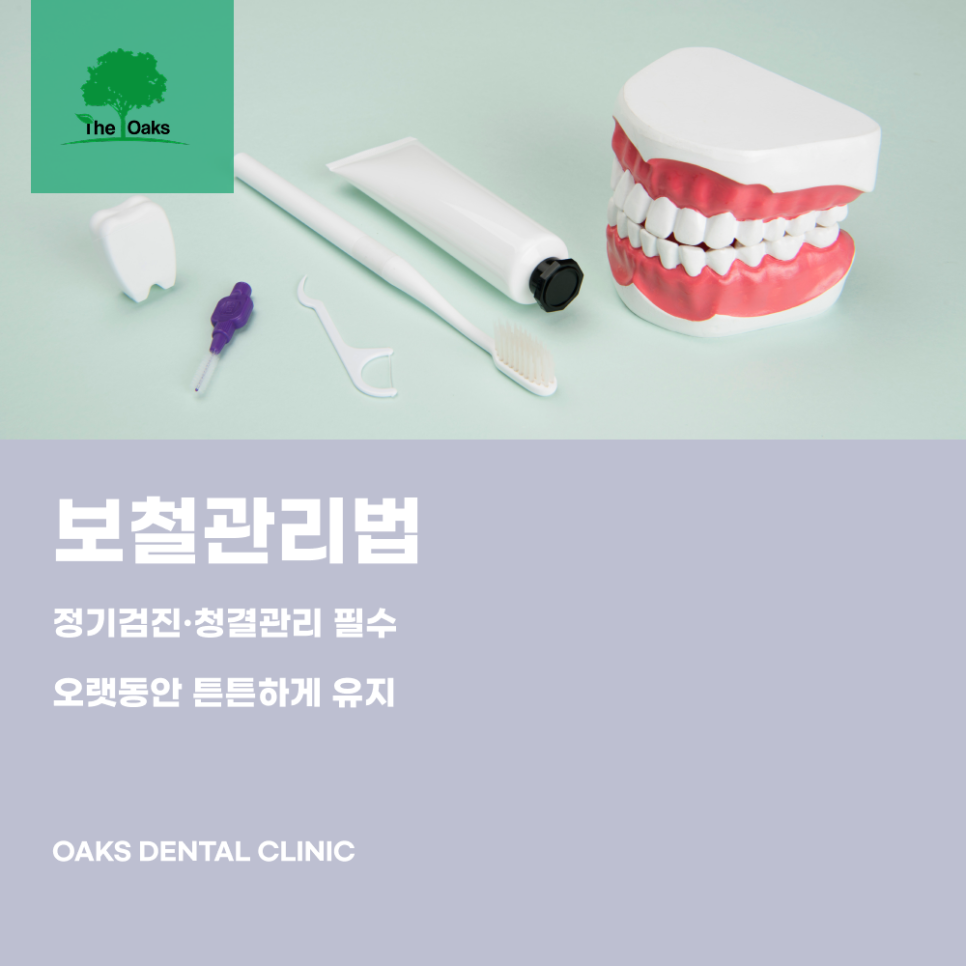
How to Care for Prostheses After Treatment
No matter how precisely a prosthesis is made,
its lifespan varies depending on care habits.
The following basic care guidelines should be followed
to use your prosthesis in good condition
for a long time.
-
Brush thoroughly with a soft toothbrush after meals
-
Remove food debris between prostheses with dental floss and interdental brushes
-
Avoid hard foods such as bones and ice
-
Have regular scaling and dental checkups (every six months)
-
Visit the dentist immediately if the prosthesis becomes loose or sensitivity develops
In particular, because implant prostheses do not have roots
like natural teeth, inadequate gum care
may lead to peri-implantitis.
Regular checkups are important
for early management.
In Conclusion…
Prosthodontic treatment is not simply
“a treatment for filling a tooth,”
but specialized reconstructive treatment
that restores lost function and beauty.
If tooth damage or tooth loss is left untreated,
the alignment of the surrounding teeth may become distorted,
chewing function may weaken,
and the temporomandibular joint may also be affected.
If you are experiencing discomfort
due to tooth damage or cavities,
do not put it off—seek a professional consultation
at a Daechi-dong dental clinic.