Nonhyeon-dong dental clinic: Don’t miss the warning signs of periodontal disease that begin in the gums!
Hello.
This is OX Dental.
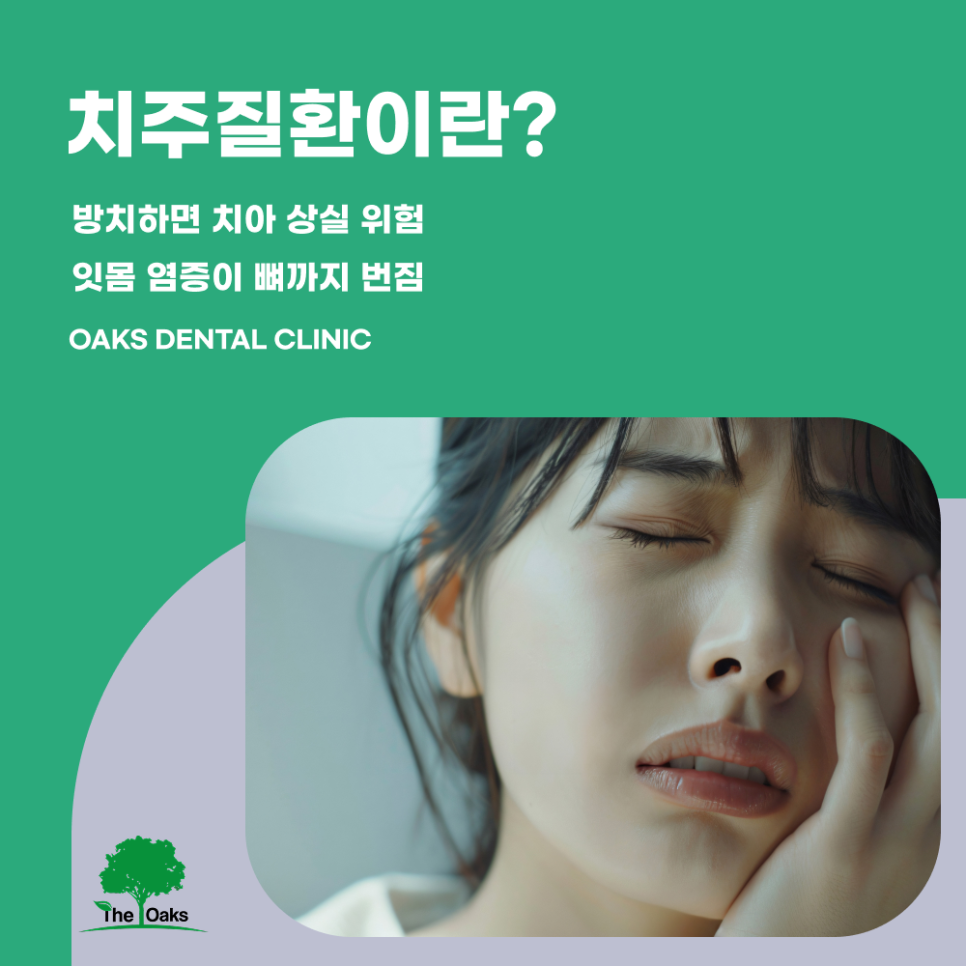
When we think of dental problems,
we often think only of cavities. However,
the leading cause of tooth loss in adults
is actually periodontal disease, not cavities.
At first glance, it may seem like the gums
are just slightly swollen or bleeding,
but if left untreated, the bone that supports
the teeth can also become damaged,
eventually leading to tooth loss.
Today, Nonhyeon-dong dental clinic
will explain in detail why periodontal disease
develops, what symptoms appear,
and how it can be treated.
What Is Periodontal Disease?
Periodontal disease is a condition in which
the gums and alveolar bone—the bone around
the teeth—that surround and support the teeth
become inflamed.
It initially begins as gingivitis,
which is simply inflammation of the gums,
but if it progresses without treatment,
it can worsen into periodontitis,
which causes damage to the alveolar bone.
Gingivitis
The early stage, when only the gums swell and bleed
Periodontitis
A more serious stage involving bone loss,
gum recession, and loose teeth
Periodontal disease is also called
a “silent disease.”
This is because many people do not realize
they have it until it becomes severe.
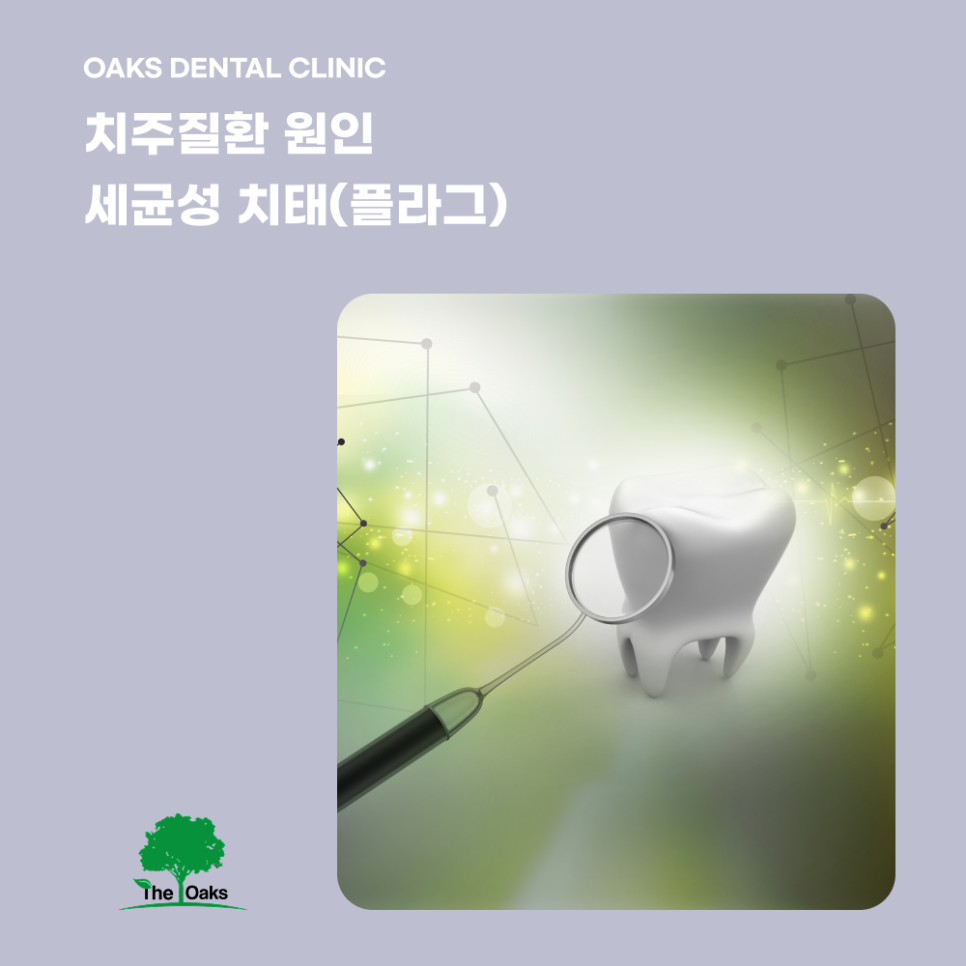
Main Causes of Periodontal Disease
Periodontal disease does not develop
overnight.
The following factors accumulate over time
and can cause the disease.
Bacterial plaque
When teeth are not brushed properly,
a bacterial film forms and becomes
the starting point of inflammation.
Smoking
It interferes with blood flow, hinders gum recovery,
and worsens inflammation.
Stress and systemic diseases
Diabetes and hormonal changes
can increase the risk of periodontal disease.
Genetic factors
If periodontal disease runs in your family,
you should be more cautious.
Misaligned teeth
Bacteria can accumulate easily,
making it difficult to maintain cleanliness.
When small amounts of plaque are not removed
and harden, they become tartar. Inflammation
then progresses beneath the tartar,
destroying the gums and bone.
If You Have These Symptoms, Suspect Periodontal Disease
If even one of the following applies to you,
it is a good idea to get a dental examination.
Your gums bleed after brushing.
Your gums are swollen and painful
when pressed.
You have persistent bad breath.
Your teeth look longer than before.
(Gum recession)
You feel something unusual when chewing.
Your teeth feel looser than before.
Pus comes from your gums,
or you can see a yellowish line.
If symptoms have appeared,
there is a high possibility that the disease
has already progressed.
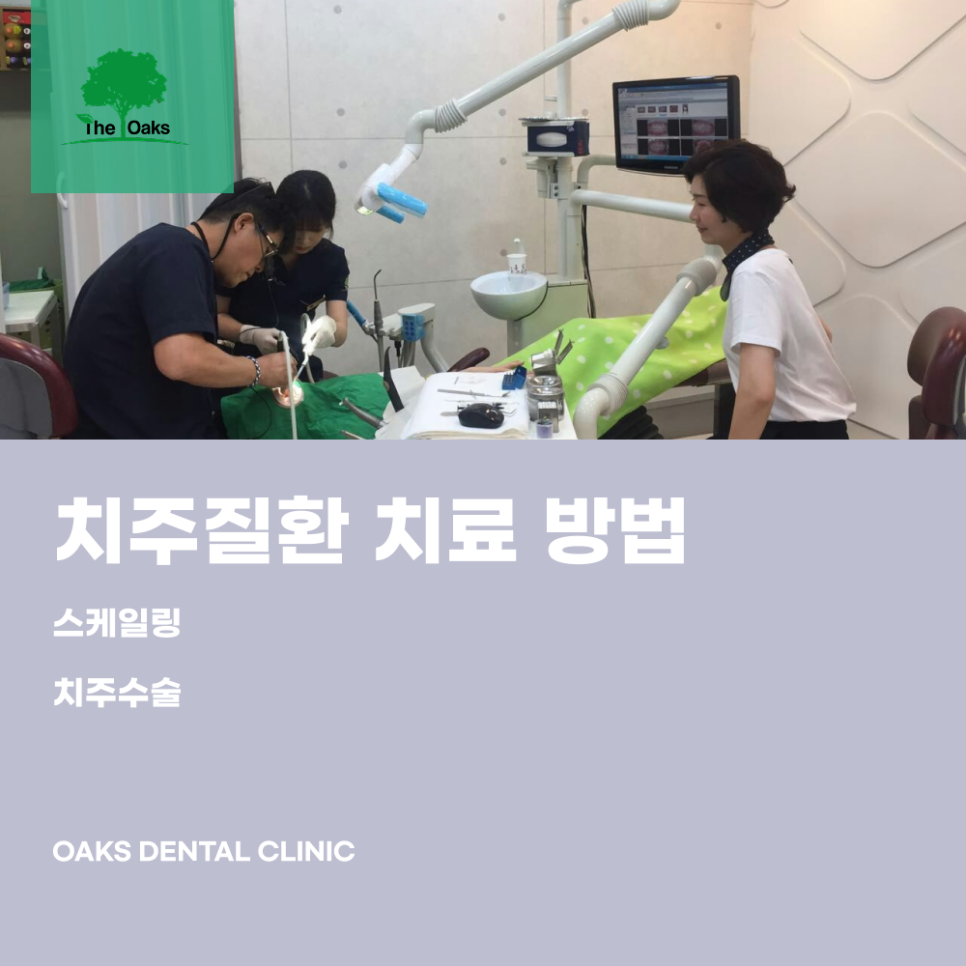
Treatment Methods for Periodontal Disease
Scaling
Removal of tartar and reduction of gum inflammation
Effective during the gingivitis stage
Root planing (Deep Cleaning/SRP)
Removal of bacteria from beneath the gums
and cleaning of inflamed tissue
Active treatment for early periodontitis
Periodontal surgery (gum surgery)
Opening the gums to remove deep areas of infection
and regenerate areas of bone damage
Treatment for progressive periodontitis
Regenerative treatment
Treatment to restore damaged bone
Used for patients with severe periodontitis
Personalized oral hygiene education
Establishing proper care habits is essential
to preventing recurrence.
Regular maintenance care is just as important
as treatment itself.
Periodontal Disease: Prevention Is Important
Periodontal disease can be prevented,
and when it is in its early stages,
it can be reversed.
Brush your teeth properly at least twice a day.
Make flossing and using an interdental brush
part of your regular routine.
Get scaling and regular dental checkups
every six months.
If you smoke, make sure to quit smoking.
Manage stress and receive treatment
for systemic diseases as needed.
Unlike cavities, periodontal disease
is a serious condition that can cause
you to lose your natural teeth.
However, it can be sufficiently prevented
with a little attention and consistent care.
In Closing...
Rather than regretting tooth loss afterward,
it is much more important to protect
your gum health now.
Even if your gums are only slightly swollen
or bleeding, do not dismiss it by thinking,
“It couldn’t be that serious.”
Small changes in the gums may be
the initial warning signs of periodontal disease.
If you notice signs from your gums,
consider getting a dental examination
at a Nonhyeon-dong dental clinic.
A healthy smile begins
with strong, healthy gums.