Gum inflammation at a Yeoksam-dong dental clinic—if left untreated, it can lead to tooth loss.
Hello.
This is Ox Dental.

You have probably experienced bleeding when brushing your teeth or swollen gums at least once.
Most people dismiss it as, “It probably just happened briefly,” but these symptoms may actually be the beginning of gum inflammation.
Gum inflammation can be easily brought under control if managed in its early stages, but if left untreated, it can worsen into periodontitis and may even lead to tooth loss.
Today, a Yeoksam-dong dental clinic will explain everything from the causes of gum inflammation to its treatment and prevention.
What Is Gum Inflammation?
Gum inflammation refers to a condition in which bacteria enter the gums around the teeth, causing swelling or bleeding.
Medically, this is called gingivitis, and if it progresses deeper, it can worsen into periodontitis.
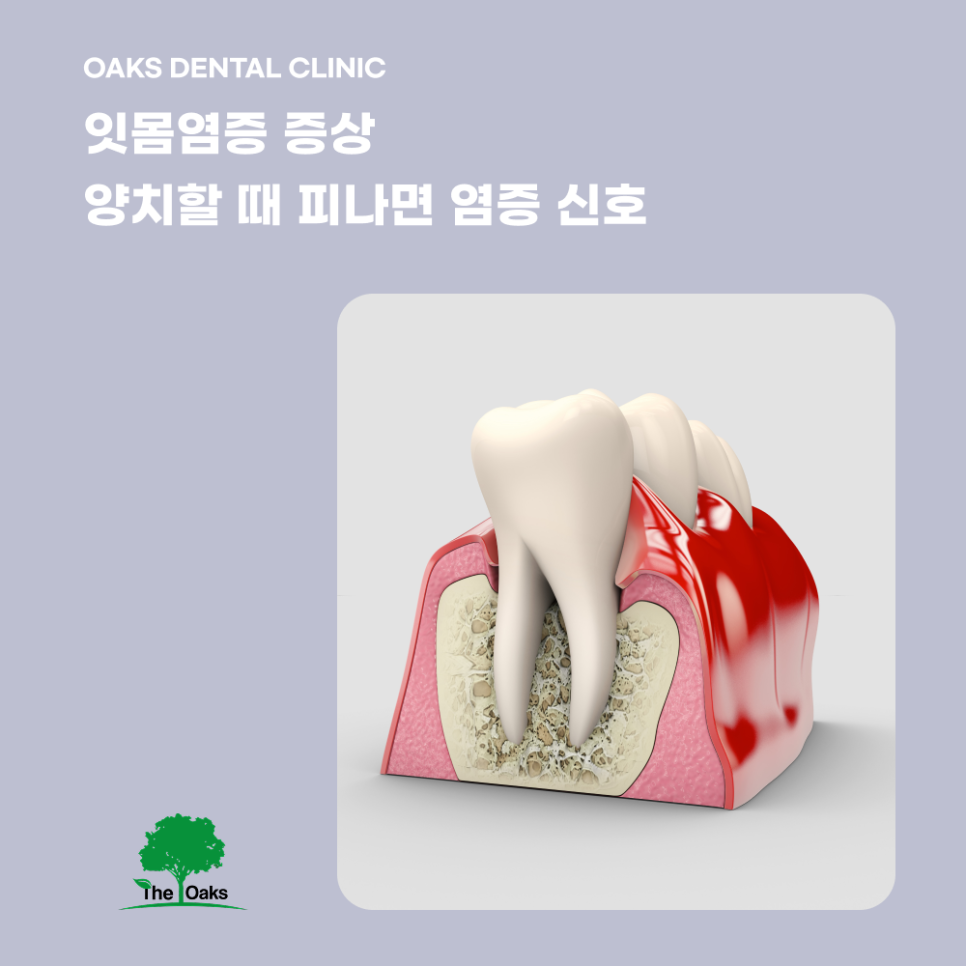
When inflammation develops, the gums swell and become red. Bleeding during brushing and worsening bad breath may also occur.
Because there is usually little pain at this stage, it is easy to ignore. However, if bacteria reach the jawbone, the condition can progress to the point where the teeth become loose.
Gum inflammation is not merely an oral problem; it can also affect overall health.
Causes of Gum Inflammation
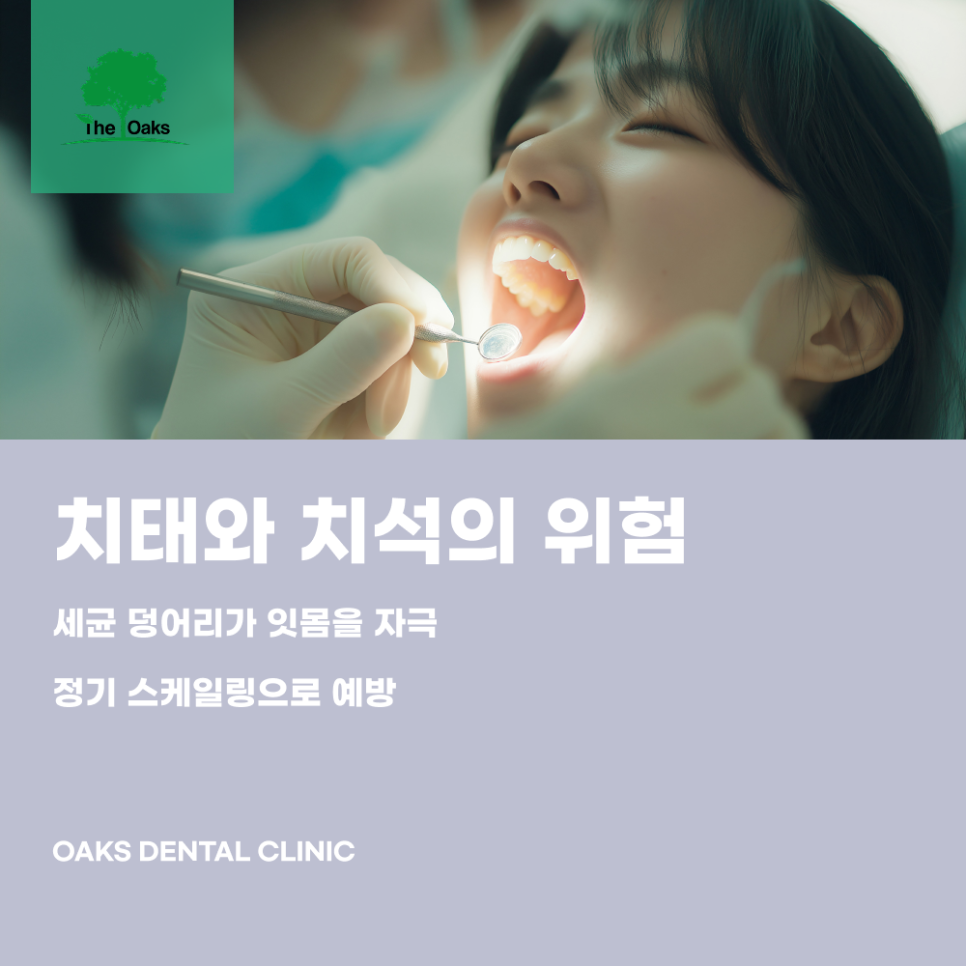
The biggest causes of gum inflammation are dental plaque and tartar.
If you do not brush thoroughly enough, plaque—a mass of bacteria—builds up along the boundary between the teeth and gums.
When this plaque hardens into tartar, the bacteria continuously trigger inflammation and irritate the gums.
The following factors can also worsen gum inflammation.
Smoking
It interferes with blood flow to the gums and slows recovery.
Stress
It weakens the immune system, reducing resistance to bacteria.
Hormonal changes
The gums become more sensitive during hormonal changes such as pregnancy, puberty, and menopause.
Diabetes
Inflammatory responses can become more severe when blood sugar is difficult to control.
Ill-fitting dental prostheses
Food can become trapped more easily, making it easier for bacteria to multiply.
As such, gum inflammation is a complex condition affected by lifestyle, health status, and oral care habits.
Main Symptoms of Gum Inflammation
Gum inflammation is difficult to notice in its early stages, so it is easy to leave untreated.
If you have any of the following symptoms, the inflammation may already be progressing.
-
Your gums bleed when brushing or chewing food.
-
Your gums are swollen and have become red.
-
Your bad breath has worsened.
-
Your gums feel itchy.
-
Gaps have developed between your teeth and gums.
-
Your gums hurt when chewing.
If two or more of these apply to you, there is a high possibility that the condition has progressed beyond gingivitis.
Applying only cold compresses or attempting self-treatment because your gums are swollen may actually worsen the inflammation, so a dental examination is essential.
Treatment Methods for Gum Inflammation
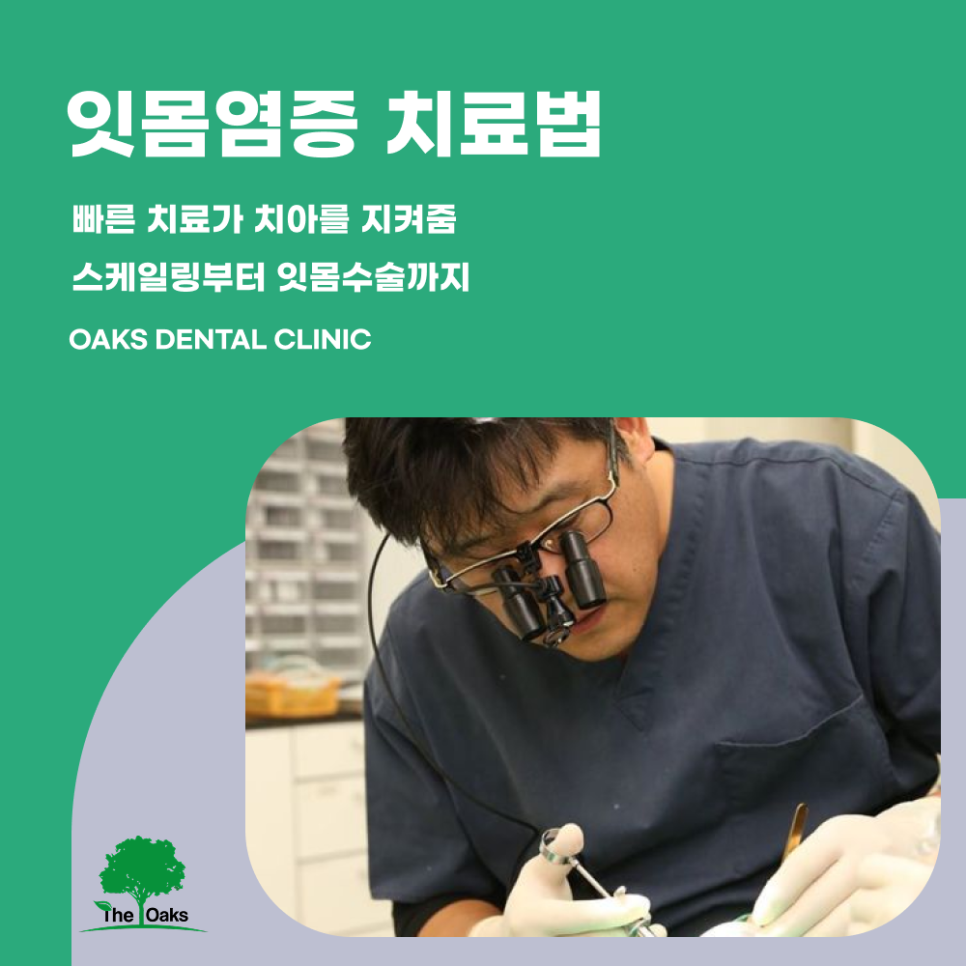
The treatment method varies depending on how far the gum inflammation has progressed.
Scaling (early stage)
This is the most basic treatment and removes tartar and bacterial film from the tooth surfaces.
Early gum inflammation involving swollen or bleeding gums may recover sufficiently with scaling alone.
Root planing (moderate stage)
This is performed when bacteria have spread deep below the gums.
The gums are opened slightly so that the tooth roots can be smoothed, helping prevent bacteria from attaching again.
Gum curettage and gum flap surgery (severe stage)
When there is damage to the alveolar bone or severe inflammation, the gums are incised to remove inflamed tissue.
When necessary, bone grafting or gum regeneration procedures may be performed alongside treatment to restore damaged tissue.
Medication and maintenance care
Antibiotics or anti-inflammatory medication may be used for areas with severe inflammation, followed by regular scaling to prevent recurrence.
The sooner gum inflammation is treated, the more effectively damage to the jawbone can be prevented and the teeth can be maintained in a healthy condition.
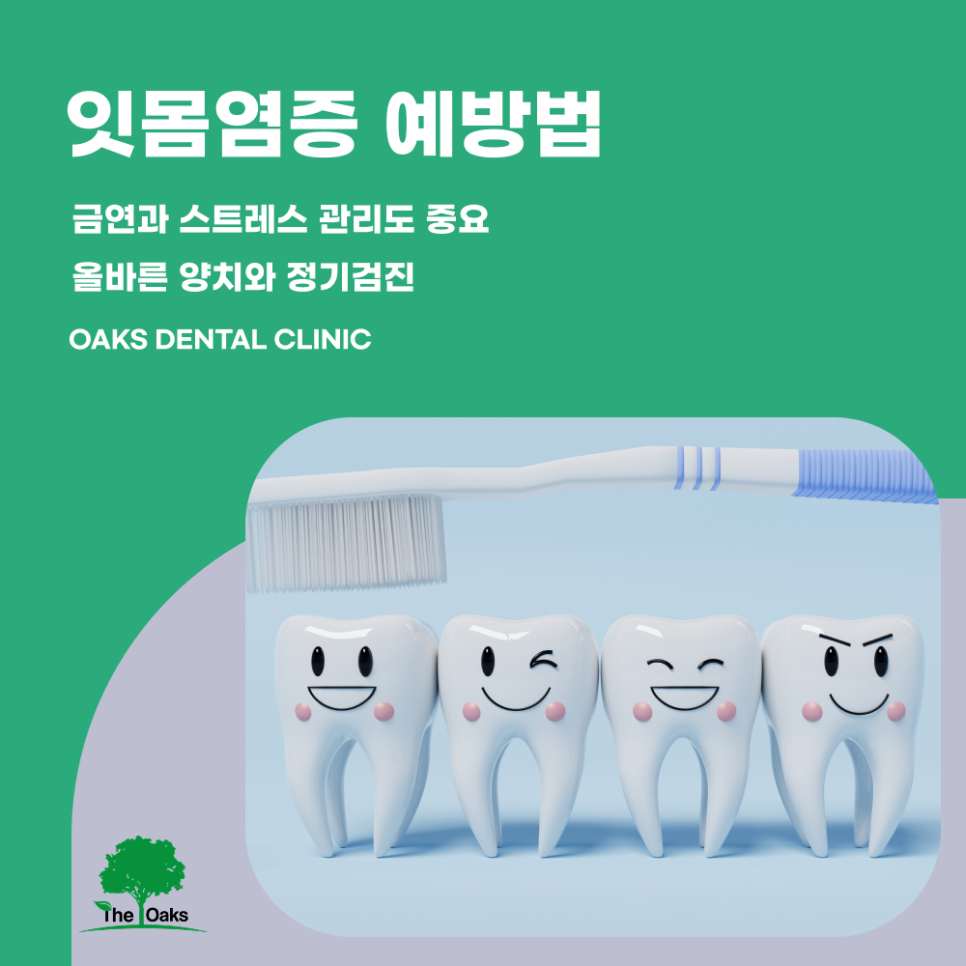
How to Prevent Gum Inflammation
Treating gum inflammation once does not mean the issue is over.
Consistent care is more important than anything else.
-
Brush your teeth properly at least twice a day.
-
Remove bacteria between the teeth with dental floss and interdental brushes.
-
Have scaling and regular dental checkups every six months.
-
Improve blood flow to the gums by quitting smoking.
-
Get sufficient sleep and manage stress.
The best way to prevent gum inflammation is consistent oral care and regular dental visits.
In the early stages, it can be resolved with a simple procedure, but the longer it is left untreated, the more complicated and costly treatment becomes. Early management is key.
In Closing...
Gum inflammation is common, but it is by no means a minor condition.
Even a little carelessness can allow the inflammation to spread to the jawbone, develop into periodontitis, and eventually lead to tooth loss.
If your gums bleed when you brush, it may already be a warning from your gums.
Do not overlook these small signs from your gums. Visit a Yeoksam-dong dental clinic for an examination today.