Dogok-dong dental clinic tartar removal—the beginning of healthy gums.
Hello.
This is Ox Dental.
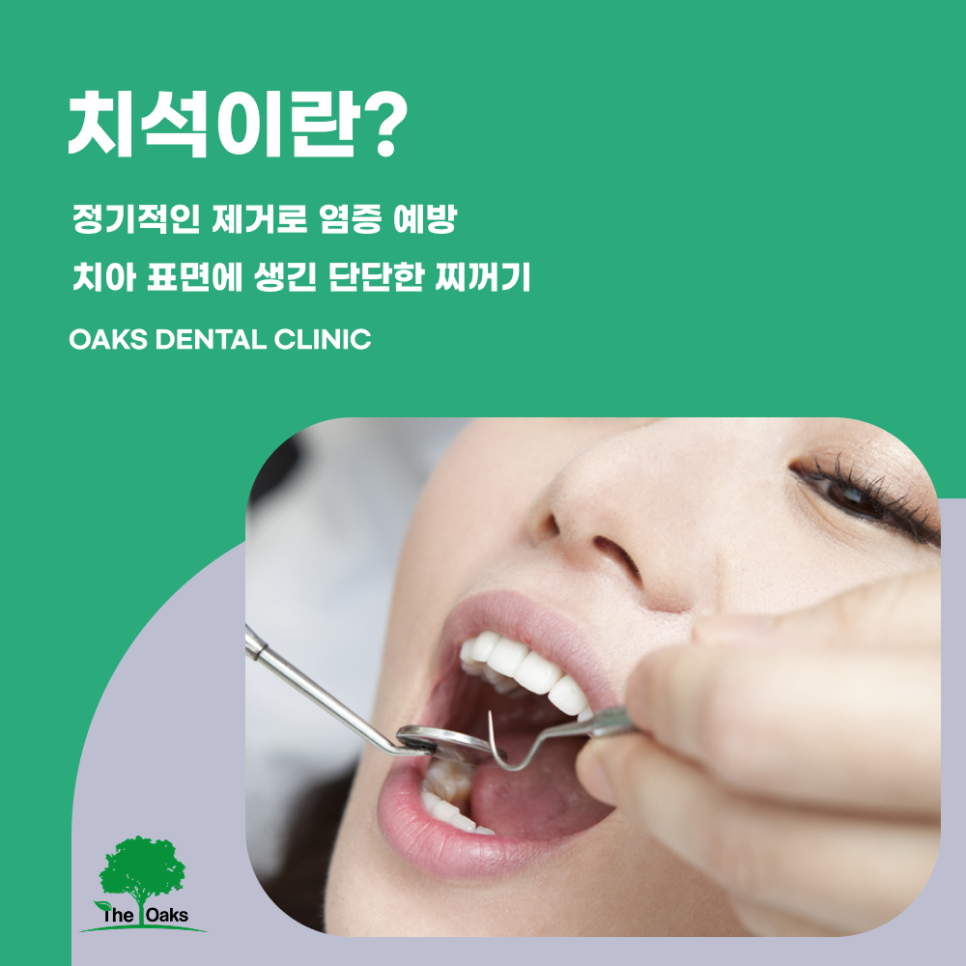
You may brush your teeth every day
to protect your dental health, but even so,
invisible bacteria and debris
remain in your mouth.
When these harden, they become “tartar.”
Tartar is more than simply an unpleasant
cosmetic issue;
it is a major cause of gum disease.
Today, Dogok-dong dental clinic will explain
the need for tartar removal, the process,
and ways to care for your teeth and gums.
What Is Tartar?
Tartar is a hard, stone-like substance
that forms on the surface of the teeth or
along the edges of the gums.
It forms when plaque—a mass of food debris
and bacteria—combines with minerals in
saliva and hardens.
Plaque can be removed by brushing,
but once it hardens into tartar,
it cannot be removed with a toothbrush.
For this reason, professional tartar removal
through regular dental visits is necessary.
Tartar is not merely a cosmetic concern.
Because the surface of tartar is very rough,
bacteria can easily adhere to it, increasing
the risk of developing gum inflammation
(gingivitis) and periodontitis.
Swollen or bleeding gums and severe bad breath
are early signs of inflammation caused by tartar.
Causes of Tartar Formation
Tartar can form in anyone.
It forms more quickly, especially when
brushing is insufficient or the use of
dental floss and interdental brushes is inadequate.
The rate of tartar formation can also vary
depending on the composition of saliva
and the oral environment.
For example, people whose saliva is more viscous
and contains more minerals tend to develop
tartar more quickly.
Smokers, people who frequently drink caffeinated
beverages, and mouth breathers may also
develop tartar more easily.
These habits cause dryness in the mouth,
creating an environment where bacteria
can multiply easily.
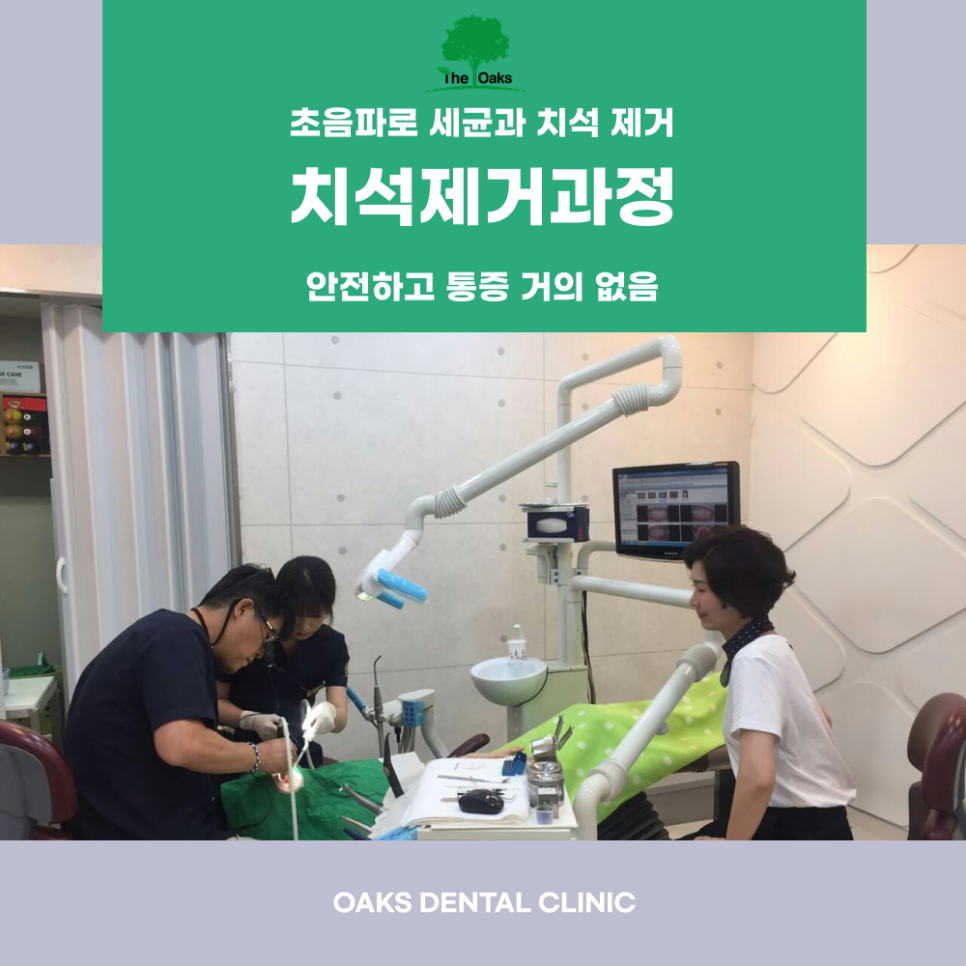
How Is Tartar Removed?
Tartar removal is a procedure that uses
professional equipment, such as an ultrasonic scaler,
to remove tartar attached to the tooth surfaces
and beneath the gums.
The ultrasonic vibrations break up the tartar,
while a fine stream of water washes away bacteria,
so the procedure is almost painless and safe.
Tartar removal proceeds through the following steps.
Examination of Oral Health
The periodontal condition and distribution
of tartar are examined.
Scaling Procedure
An ultrasonic scaler is used to remove tartar
from the tooth surfaces and beneath the gums.
Polishing
Remaining bacterial film is removed,
and the tooth surfaces are smoothed
to help prevent reattachment.
Fluoride Application (Optional)
This protects teeth that may become sensitive
after the procedure and helps prevent cavities.
Tartar removal is generally recommended
once every six months to one year.
However, if periodontitis has progressed,
care at shorter intervals may be necessary.
Precautions After Tartar Removal
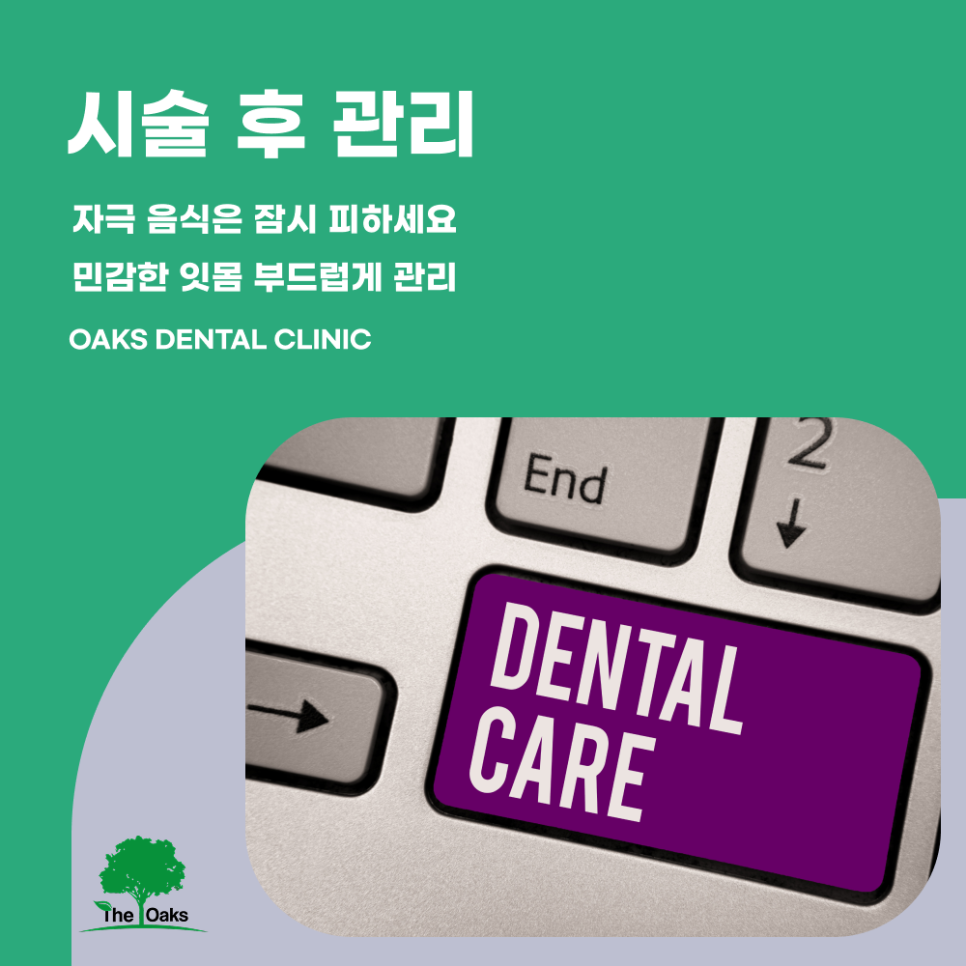
For about a day after the procedure,
the gums may feel slightly sensitive or bleed a little.
This is a natural part of the inflammation
settling down, so there is no need to worry.
However, following the recommendations below
can help speed recovery and reduce recurrence.
Avoid foods that are too hot or too cold
Avoid irritating foods
(spicy or hard foods)
Brush with a soft-bristled toothbrush
Brush thoroughly at least twice a day
and use dental floss
Quit smoking and drink plenty of water
Teeth may temporarily become sensitive
after tartar removal, but this gradually subsides
as the gums recover.
Instead, you may notice positive effects,
such as reduced inflammation and improved breath.
How Can You Prevent Tartar?
Once tartar forms, it cannot be removed on its own,
so prevention is especially important.
Try to practice the following habits consistently.
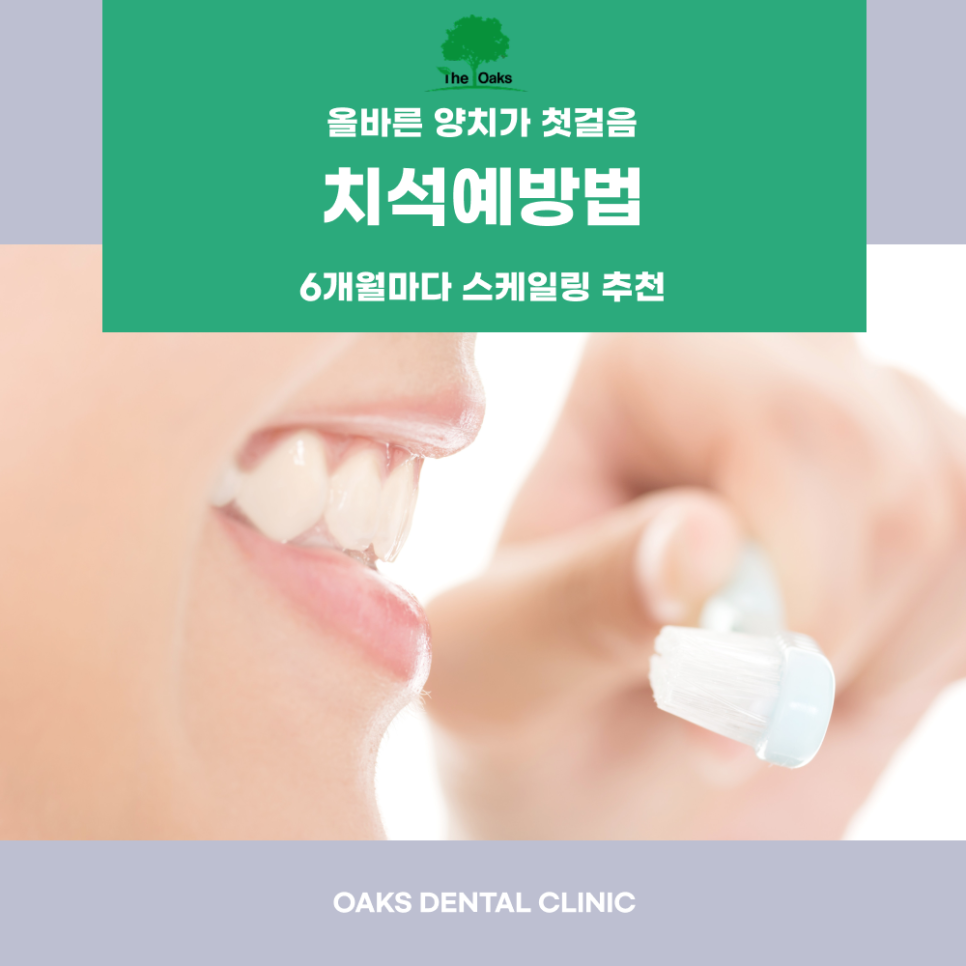
Brush properly at least three times a day
Remove food between the teeth
with dental floss or an interdental brush
Use mouthwash to inhibit bacterial growth
Reduce caffeinated beverages and smoking
Have regular scaling checkups every six months
Regular care alone can significantly reduce
the risk of gum disease.
If your gums are swollen or bleed when brushing,
there is a high possibility that inflammation
has already progressed, so a dental examination
is recommended.
In Closing...
Tartar is not simply an unsightly lump of stone;
it is the starting point of gum disease.
Healthy gums are the foundation
of healthy teeth.
Prevent bacteria and inflammation in your gums
in advance through regular tartar removal
at Dogok-dong dental clinic,
and maintain clean, fresh oral health.