Molar extraction at a Cheongdam-dong dental clinic: a careful treatment story chosen only when it is truly necessary!
Hello.
This is Oks Dental Clinic.
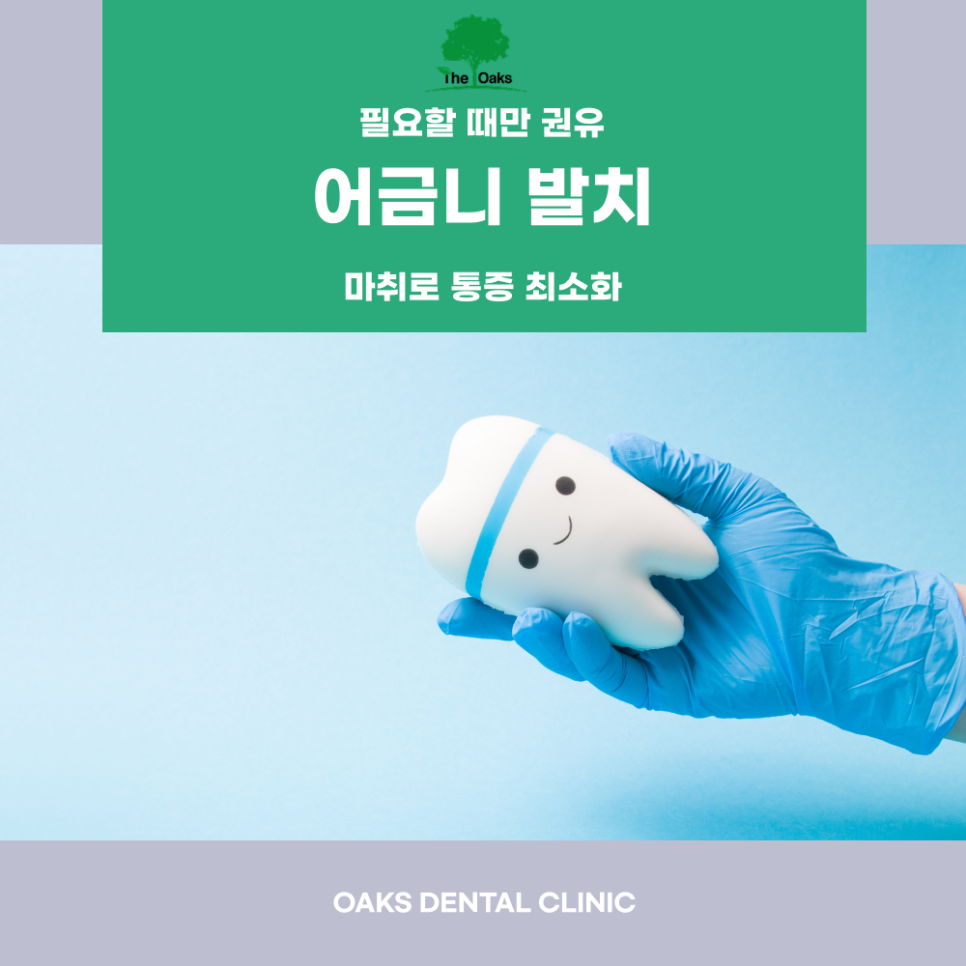
Among dental treatments, the one that worries and frightens many people the most is
“extraction.”
Among them, molar extraction
is often felt as even more burdensome because it is not easily visible
and the roots are deep.
However, in reality, it is not simply a matter of “pulling out a tooth,”
but rather the final protective measure a dental clinic takes to prevent
greater pain and problems.
It may be much easier to understand if you think of it that way.
Today, we will explain from a Cheongdam-dong dental clinic when molar extraction
is necessary, how the procedure is performed,
and what to watch out for after extraction.
When is it absolutely necessary to extract a molar?
Many patients ask,
“Isn’t a molar a tooth we should definitely try to save?”
That is right.
Molars are responsible for most of the chewing force and play a very important role
in maintaining the balance of the dentition, so the rule is to preserve them as much as possible.
However, in the following cases, extraction may be the safer choice.
When decay has progressed so far that there is almost no remaining tooth structure
When periodontal disease has worsened, the tooth has become loose,
and has lost its stabilizing function
When the tooth has broken and the root has also been damaged
When inflammation in the gum bone has spread deeply
and recovery is difficult
When a wisdom tooth is damaging a molar
When space needs to be secured for orthodontic treatment
If you try to keep a tooth like this in place against reason,
pain and inflammation can recur and affect the neighboring teeth as well,
which can lead to even bigger problems.
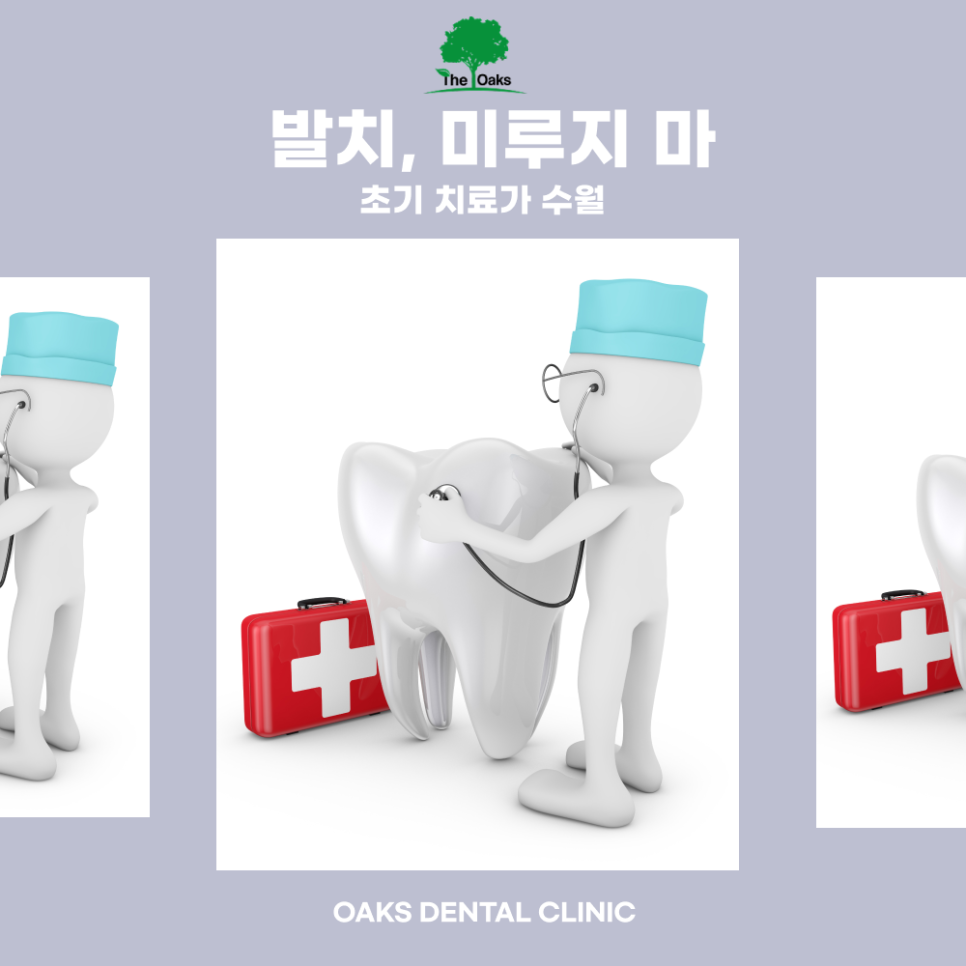
What happens if you delay extraction?
“I’m not in pain yet,
so I’ll watch it a little longer.”
This is a phrase we hear very often in the clinic.
However, if a diagnosis of “extraction needed” has been made,
it is highly likely that the problem has already progressed considerably.
As time passes, inflammation gets deeper
and spreads to surrounding tissues, leading to symptoms such as the following.
Swelling and throbbing pain in the face or gums
A sharp, stabbing sensation when chewing food
Pus may form and bad breath may become severe
Inflammation spreading and damaging the adjacent molar
Greater difficulty of the extraction procedure and a longer recovery period
If extraction is performed early, some cases can end with a simple procedure,
but if it is delayed, the chance of it leading to a larger surgery is very high.
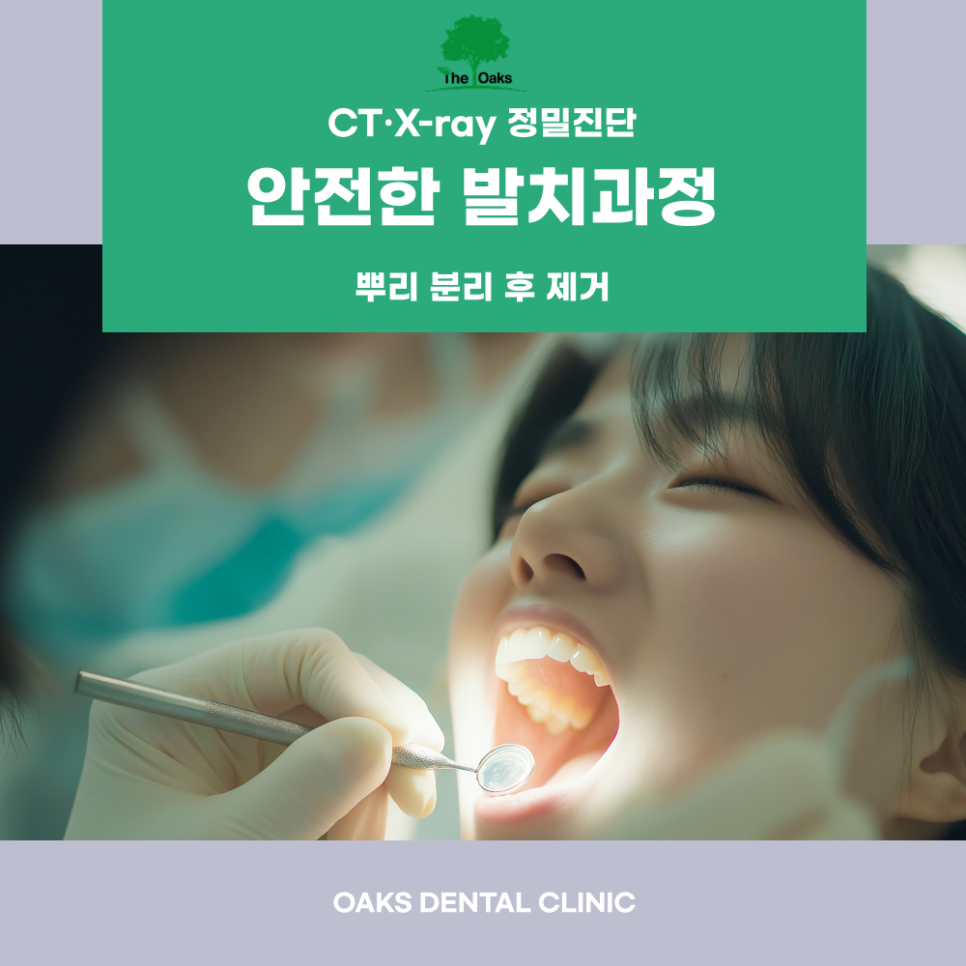
The molar extraction process is much safer and more systematic than you might think
Many people misunderstand extraction as a “scary treatment where the tooth is just pulled out,”
but in reality, it is carried out through a very precise and scientific process.
Careful pre-examination
Through X-rays or CT scans, the number of roots, their depth and location,
the distance to the nerves, the condition of the jawbone,
and other details are checked carefully to establish a safe extraction plan.
Sufficient anesthesia
Modern dental anesthesia is very precise, so it is rare to feel pain during treatment.
Many people even ask, “When did you take it out?”
Safe separation of the tooth
Molars often have multiple roots, so it is rare to simply grasp and pull them out as they are.
Each root is carefully separated,
and the tooth is removed in the direction that causes the least damage.
If necessary, the tooth is divided into small pieces and safely removed.
Cleaning inflamed tissue and suturing
The extraction site is thoroughly cleaned and sutured to help recovery proceed more quickly.
Most molar extractions are often completed in about 15 to 20 minutes.
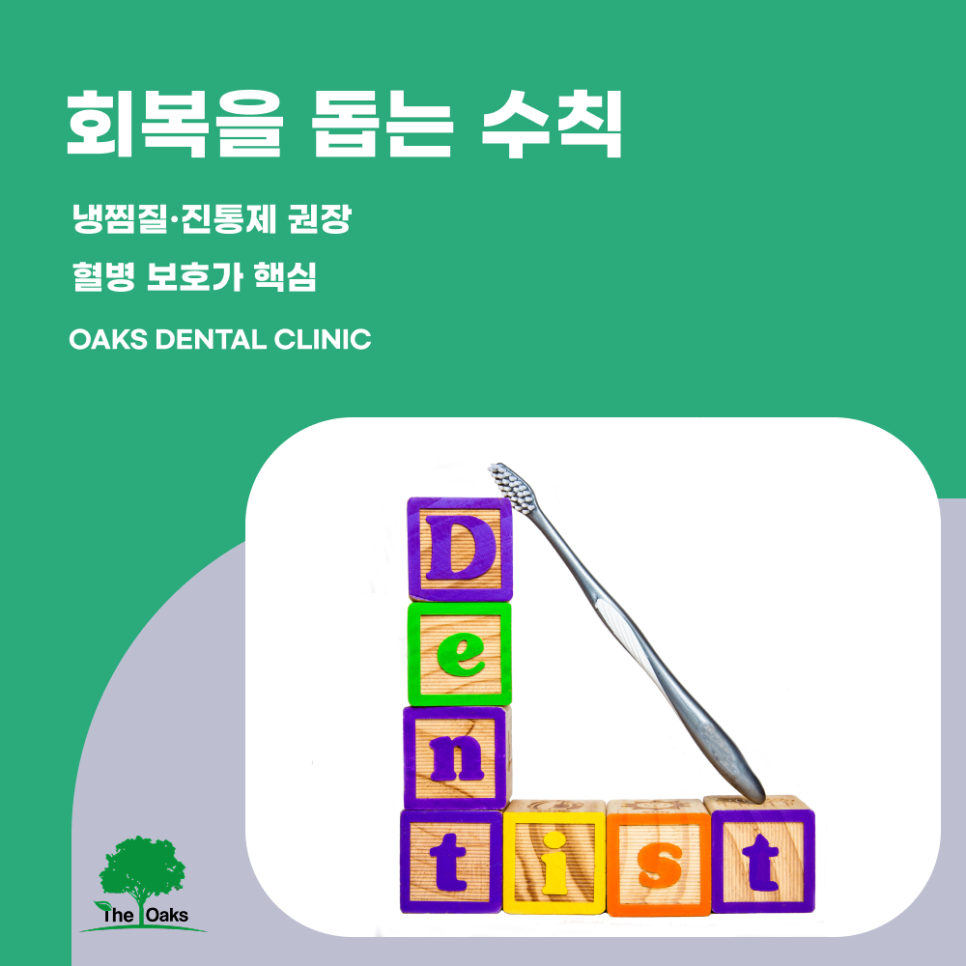
How long do pain and swelling last after extraction?
Pain and swelling for about 2 to 3 days after molar extraction are a natural part of recovery.
In many cases, they can be sufficiently controlled with pain medication and cold compresses,
and most people feel comfortable again within a week.
However, if you have the symptoms below,
you should visit the clinic immediately.
When the pain gradually gets worse
When pus comes out or bad breath is severe
When the extraction site continues to throb
When the bleeding does not stop or the swelling remains severe for a long time
These may indicate complications such as dry socket,
so they should be checked right away.

What should be done about the empty space after molar extraction?
Because molars are the core of chewing function,
if the empty space is left untreated after extraction,
the balance of chewing force is disrupted.
Afterward, jaw joint problems or changes in the alignment of the teeth may occur,
so restorative treatment is important.
The following methods are commonly considered.
Implant
Function and durability closest to natural teeth
Bridge
Chosen when the neighboring teeth are in good condition
Partial denture
Suitable when several teeth are missing
We guide you toward the most stable method based on your individual tooth condition and the amount of jawbone available.
In closing…
Molar extraction is absolutely not a treatment that is decided lightly.
It is also a field where careful diagnosis and experienced clinical skill are very important.
However, one thing is clear:
“Treating it in time when extraction is necessary makes it much easier and safer.”
If you are currently feeling molar pain,
or are dealing with discomfort because the tooth is loose or broken,
please do not worry alone
and get an accurate diagnosis at a Cheongdam-dong dental clinic.
It may be the fastest and smartest choice to prevent a bigger treatment later.