Sinsa-dong Dental Clinic Tooth Resin Treatment: A Treatment That Balances Natural Appearance and Preservation!
Hello.
This is OX Dental Clinic.
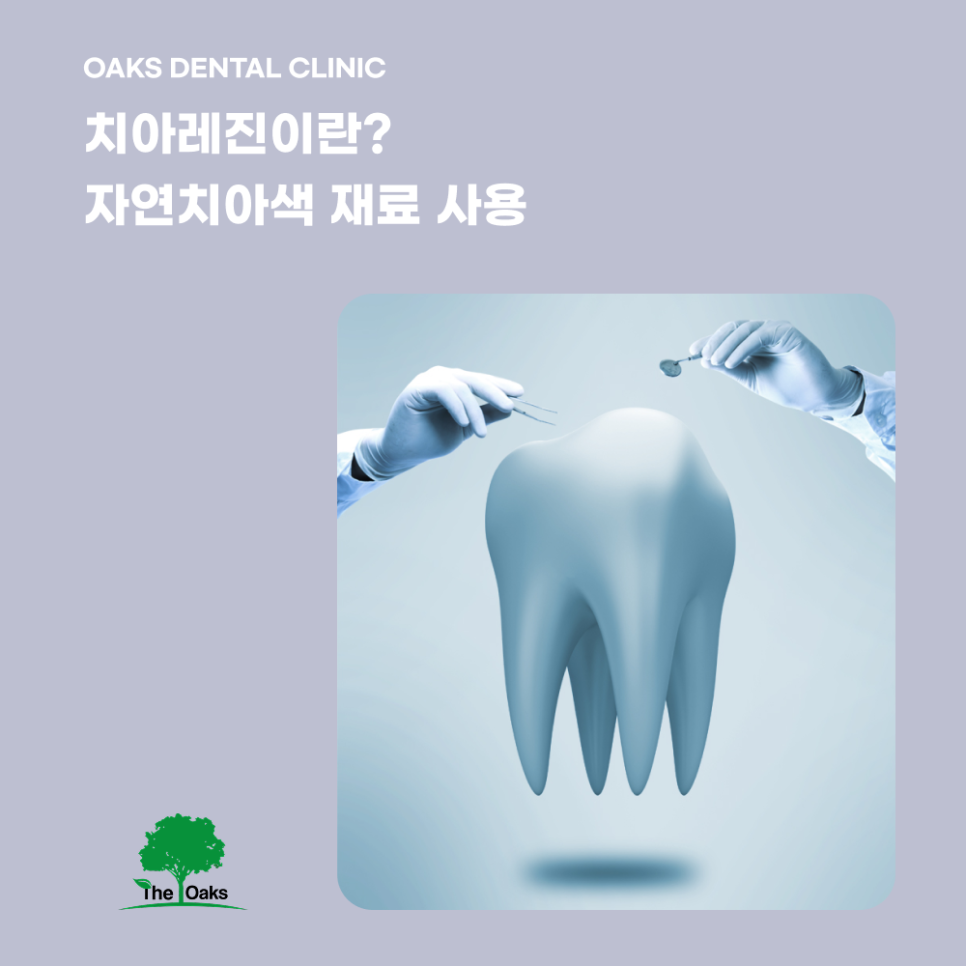
One of the treatments patients inquire about most often at the dental clinic
is resin treatment.
If the front tooth is slightly chipped,
there is a cavity,
or the shape is not to your liking,
it can be improved quickly,
which is why many people choose this treatment.
Today, we will explain at Sinsa-dong Dental Clinic
what tooth resin is,
which cases it is suitable for,
and how the procedure is actually performed.
What Kind of Treatment Is Tooth Resin?
Resin is a restorative treatment that uses a material similar to tooth color
to fill damaged areas or restore shape.
In the past, silver amalgam was widely used,
but these days resin is drawing much more attention
due to its natural aesthetics and ease of use.
The biggest advantage of resin is that treatment can be performed
with only minimal filing of the tooth.
After lightly preparing only the necessary area,
the tooth is filled with resin material and shaped to restore form,
which is very beneficial for preserving the tooth.
In addition, because the color is similar to natural teeth,
the treatment is not noticeable,
so satisfaction is also high in terms of aesthetics.
Situations Where Tooth Resin Is Needed
The scope of resin treatment is quite broad.
It is especially suitable in the following cases.
When a small cavity has developed
Early cavities or relatively small cavities can be treated sufficiently with resin.
If treated quickly, it can also help prevent the need for root canal treatment.
When a front tooth is slightly chipped
Because the color and shape of front teeth are important,
resin, which can restore them naturally, is often used.
When there is a small gap between teeth
Filling a tiny gap with resin for an esthetic finish,
known as “front tooth resin contouring,”
is a very common treatment.
When the shape of a tooth is not satisfactory
Even when the edge of a front tooth is uneven
or one side is shorter and asymmetrical,
resin can be used to create a natural line.
When amalgam replacement is needed
If the silver amalgam is visible and bothersome,
or if it is old and seems like it may fall out,
replacing it with resin makes it neat and clean.
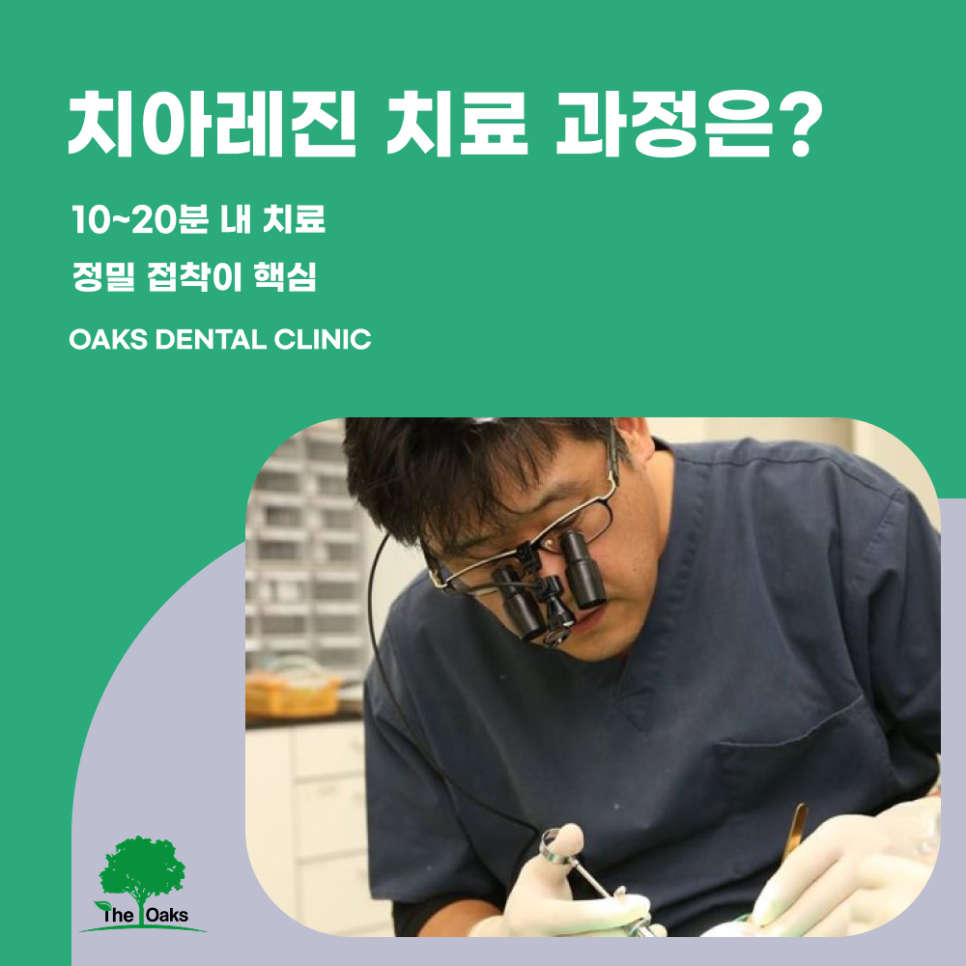
How Is the Tooth Resin Procedure Performed?
Resin treatment is relatively simple
and fast, but accurate bonding and delicate shape adjustment are important.
It is usually performed in the following order.
Examination of cavities and tooth condition
The depth and extent of the cavity are checked through X-rays and a visual examination.
Removal of the damaged area and surface preparation
The cavity area is removed as minimally as possible
to secure only the necessary space.
The key here is to proceed carefully so that the tooth is not damaged excessively.
Filling with resin material
A special adhesive is applied to the preserved tooth,
and resin material that matches the tooth color as closely as possible is selected and built up layer by layer.
Hardening with light curing
The resin is hardened with a light source.
During this process, the shape is adjusted little by little
to create the final form.
Bite adjustment and polishing
Minor adjustments are made so there is no discomfort when chewing,
and finally the surface is polished to complete a natural finish.
Because the entire process can be completed in as little as 10 to 20 minutes,
it is not very burdensome even in a busy daily routine.
Advantages and Limitations of Resin Treatment
Resin is a very useful treatment,
but it is best to understand it correctly before choosing it.
Advantages
Excellent aesthetics because it is similar to natural tooth color
Minimal tooth reduction
Short treatment time and immediate return to daily life on the same day
Less of a financial burden compared with other prosthetic treatments
Limitations
If the cavity is large,
durability may be reduced
Discoloration may occur over time
The lifespan may be shorter in molars,
where chewing force is greater
Restoring very large areas with resin alone is difficult
In other words, it is the best choice for small, localized areas,
but when the extent of damage is large,
it is more stable to move on to an inlay or crown.
How to Maintain Resin So It Lasts Well
Resin can last a long time if properly cared for.
It is important to follow these basic habits.
Avoid biting very hard foods (squid, ice, etc.)
Brush your teeth right away after consuming strongly colored foods
Maintain the spaces between teeth with interdental brushes and dental floss
Check for wear, discoloration, and detachment during regular six-month checkups
In particular, the area restored with resin can easily develop tiny gaps,
so regular checkups are very important.
In Closing…
Tooth resin is a simple treatment,
but it is a restorative treatment that requires accurate judgment and delicate handling.
Because it is useful in a variety of situations,
from small cavities to chipped front teeth and improving shape,
it is best to choose it carefully according to the patient’s situation.
If your teeth are sensitive right now,
if you are concerned about the shape of your front teeth,
or if you suspect a cavity,
ask Sinsa-dong Dental Clinic whether resin is appropriate for you.