Nonhyeon-dong Dental Clinic: Bad Breath Removal Must Start with the Cause.
Hello.
This is OX Dental Clinic.
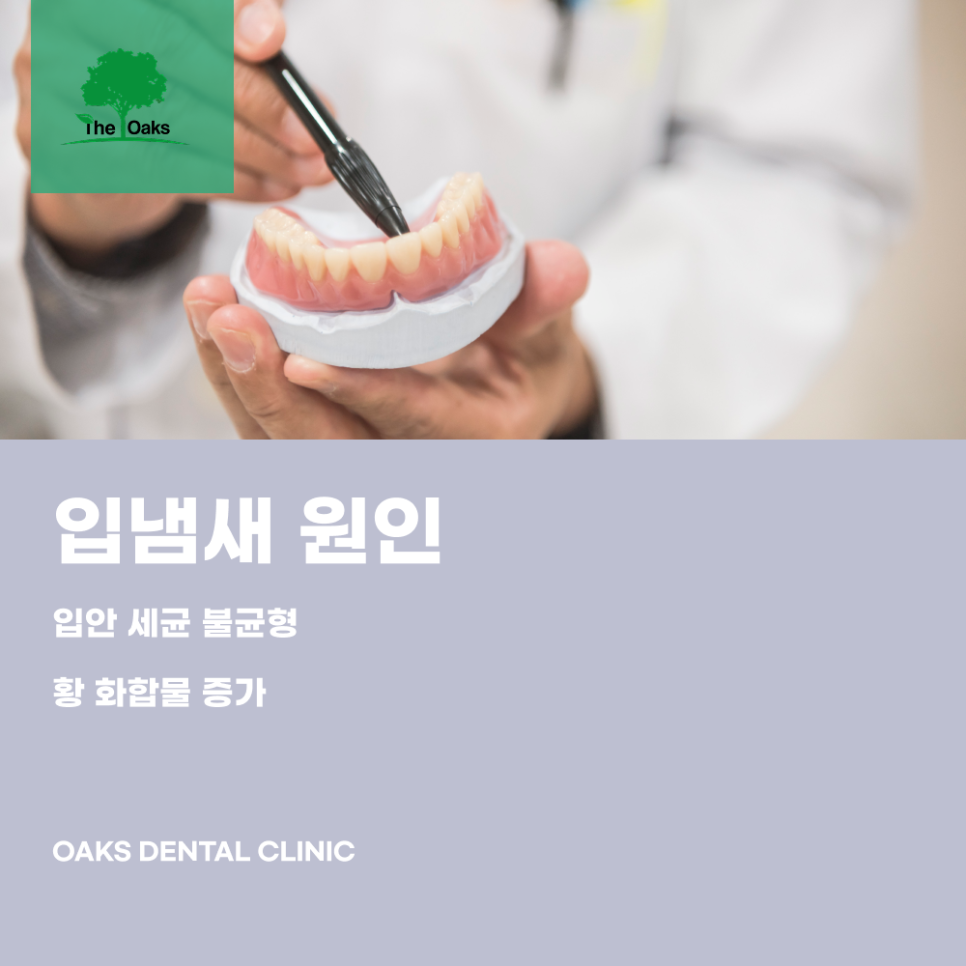
Bad breath is a common problem that can happen to anyone,
but once you start noticing it yourself,
it often becomes a major source of stress in daily life.
When talking with others, you may naturally keep more distance,
your confidence may drop,
and some people feel sensitive enough for it to affect their social life.
Today, we will explain from the reasons bad breath occurs
to how it is actually treated at Nonhyeon-dong Dental Clinic.
Bad breath: why does it happen?
Most bad breath starts in the mouth.
Especially when the oral environment becomes even slightly imbalanced,
bacteria break down proteins and create odor-causing compounds,
called "volatile sulfur compounds."
Rather than a strong garlic-like smell,
it is usually a stale, dull odor.
The representative causes of bad breath are as follows.
Increased tartar and plaque
Tartar and plaque stuck along the gum line are like a home for bacteria.
As bacteria become active in unclean spaces, odor is produced.
Gum disease (gingivitis and periodontitis)
Gums that bleed or swell are already in a state where inflammation has progressed.
Byproducts of inflammation can also create odor,
and food debris can easily get trapped in gum pockets, making the smell worse.
Cavities
When a cavity progresses, bacteria rapidly multiply in the small space that forms inside the tooth.
Even if it is not easily visible from the outside, it can cause a significant odor.
Dry mouth
When there is not enough saliva, the ability to wash away bacteria decreases.
Stress, medication, and mouth breathing during sleep are also common causes.
Poor eating habits
A protein-heavy diet, excessive sugar intake, and insufficient water intake can make bad breath worse.
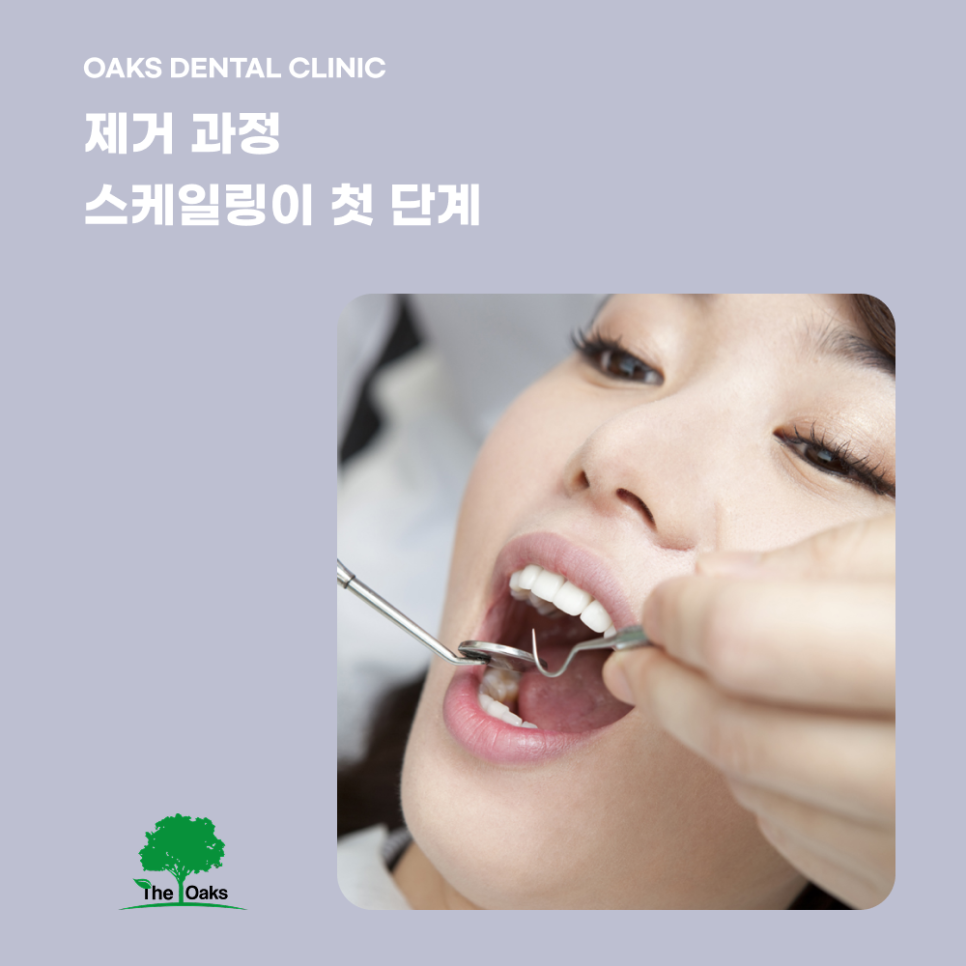
How is bad breath removal done?
Detailed examination (checking the condition inside the mouth)
We photograph the condition inside the mouth, measure gum depth, and carefully check for tartar, cavities, and inflammation.
Because the internal environment matters more than how much is visible on the surface,
a thorough diagnosis is essential.
Initial bacteria removal with scaling
Since most bad breath starts with excessive tartar and plaque,
we first clean the mouth thoroughly through scaling.
In many cases, people feel that the odor has noticeably decreased after just this step.
Treatment for gum disease
If the gum pockets are deep or bleeding occurs frequently,
basic cleaning alone is not enough.
In the case of periodontitis, bacteria are established deep under the gums,
so root planing (SRP) or gum treatment is necessary.
Once the inflammation subsides, the odor also decreases much more steadily.
Cavity treatment
In many cases, cavities are the main cause of bad breath more than expected.
Even a small cavity can lead to decay inside, so it is important to address cavities first.
Improving saliva secretion and adjusting lifestyle habits
For people who habitually breathe through the mouth or whose mouths dry out easily,
improving dry mouth is necessary.
We provide guidance on water intake, salivary gland stimulation,
and, if needed, the use of oral moisturizers.
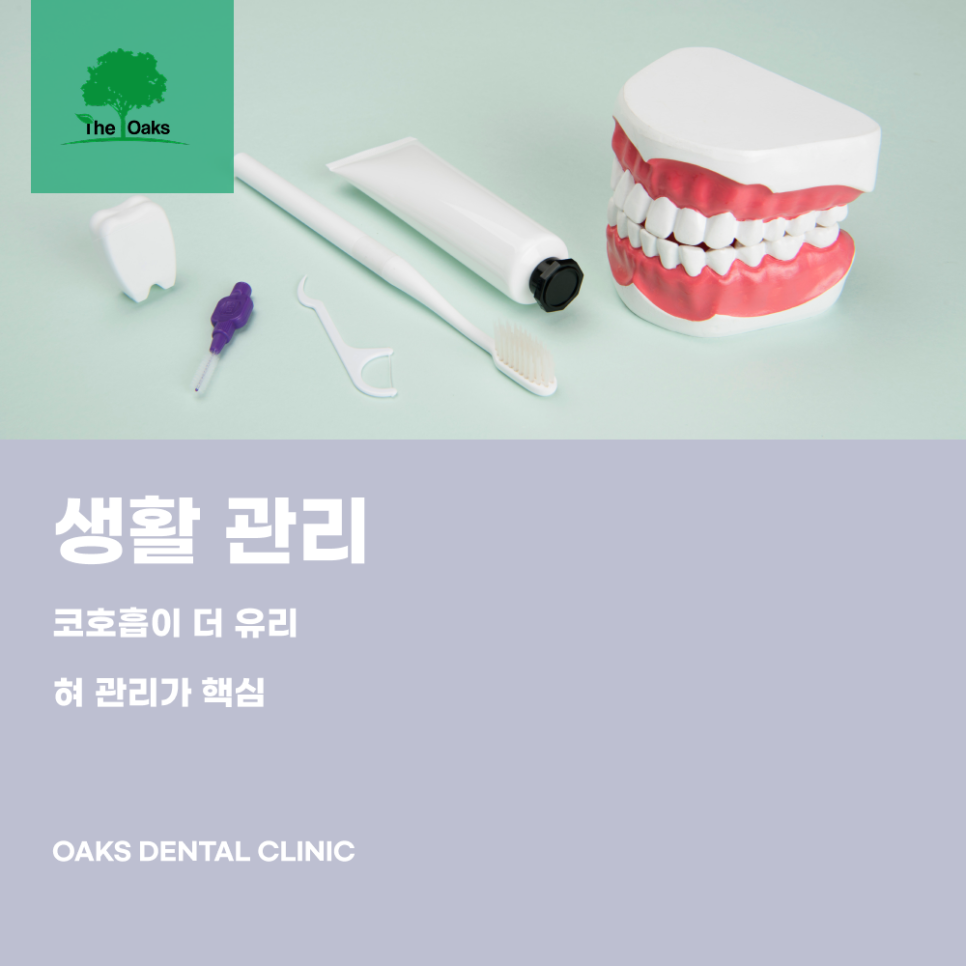
Bad breath management tips you can practice in daily life
If treatment is combined with habit management,
bad breath improves much faster.
Practice nasal breathing instead of mouth breathing
If you sleep with your mouth open, the odor is especially strong in the morning.
Drink water frequently
When your mouth is dry, odor can rise almost without limit.
Please drink small amounts of water even between meals.
Be sure to use floss and interdental brushes
Brushing alone removes only about 40% of debris between the teeth.
Use a tongue scraper
Tongue coating is a major cause of bad breath.
Do not scrape hard; gently clean only the surface.
After eating strong-smelling foods,
brush your teeth immediately or rinse with water
Onions, garlic, coffee, and alcohol make bacterial activity in the mouth more active.
Bad breath treatment: when should you visit the dentist?
It is not easy to judge bad breath on your own.
In many cases, by the time you notice it,
the odor has already progressed quite a bit.
If any of the following apply,
it is best to identify the cause accurately through a dental examination.
When bad breath does not go away easily even after brushing
When odor is present not only in the morning but throughout the day
When the gums swell or bleed frequently
When there are multiple cavities or old restorations
When your mouth dries out often or a sticky feeling remains even after drinking plenty of water
Bad breath is not just a simple inconvenience;
it may also be a signal that something is wrong with the gums, teeth, or oral environment.

In closing...
Bad breath cannot be solved by simply covering it up with perfume.
You need to correct the structure that creates the odor itself for it to improve fundamentally.
If your mouth has been feeling stale lately,
or if someone around you has pointed out an odor,
please feel free to come to Nonhyeon-dong Dental Clinic for a consultation.