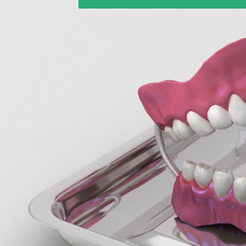
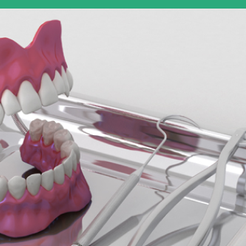
Seokgok-dong Dental Clinic Dentures: How to Regain Lost Tooth Function!!!
Hello.
This is Oks Dental Clinic.
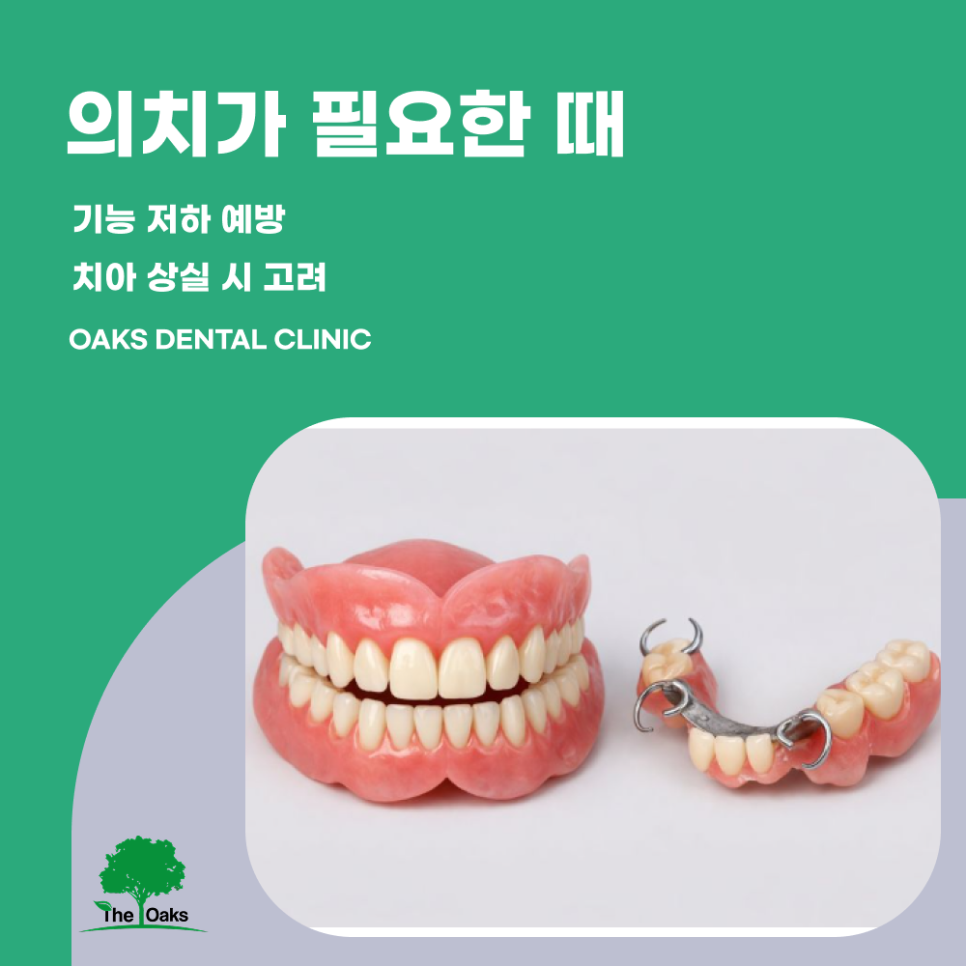
When a tooth is lost, the first
Treatment that comes to mind is dentures.
They are often also called “false teeth,”
but modern dentures are approached with a completely different
concept than in the past.
They are not just a simple aid for chewing,
but an important treatment that considers not only
restoring chewing function, but also speech,
facial contours, and comfort in daily life.
Today, Seokgok-dong Dental Clinic will explain everything from
the reasons dentures are needed to their types,
treatment process, and care methods.
When are dentures needed?
Even losing just one tooth affects the overall balance.
In particular, when multiple teeth are lost or
left untreated for a long time, it becomes difficult to
chew food properly, speech becomes less clear, and
the face may appear sunken.
Since the jawbone is gradually resorbed if it is not used,
leaving the mouth without teeth for a long time is not
good for overall oral health.
In these cases, dentures become a practical treatment option
that can restore function with a relatively lower burden.
What do dentures do?
Dentures are not simply
a device that fills empty spaces.
Their most important role is
restoring chewing function.
Chewing food into small pieces reduces the burden on digestion
and also helps protect stomach health.
They also have a major effect on speech stability.
When front teeth or molars are missing, certain sounds
can easily escape, but dentures make speech sound much
more natural.
In addition, as the muscles around the mouth are supported,
the condition where the face appears too sunken can also be alleviated.
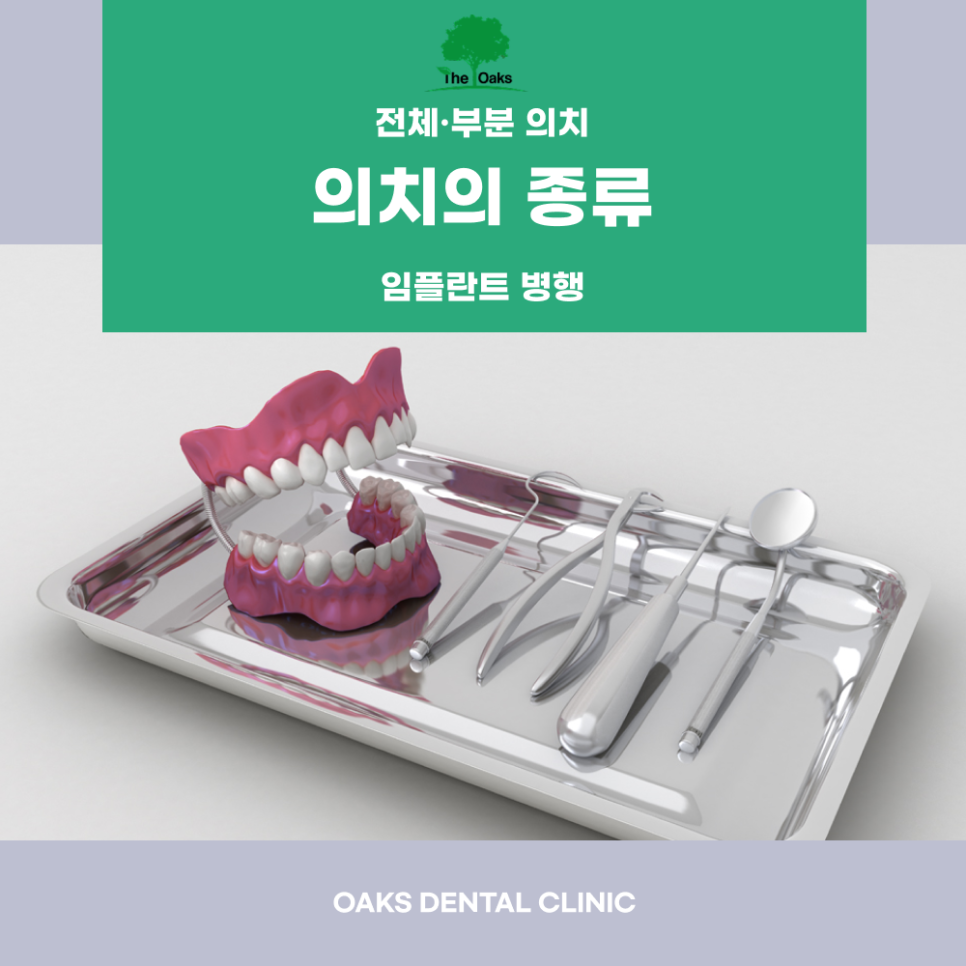
How are the types of dentures divided?
Dentures are divided into several forms depending on the extent of tooth loss
and the condition of the gums.
If all teeth are missing, full
dentures are used, and if only some teeth
are missing, partial dentures are
selected.
Partial dentures are used by hooking onto the remaining teeth,
so they provide relatively good stability.
Recently, methods that combine implants and dentures
are also widely used.
Fixing dentures onto implants has the advantages of reducing wobbling
and increasing chewing force.
The most suitable method is determined by comprehensively considering
the patient’s age, jawbone condition,
and lifestyle habits.
What is the treatment process for dentures?
Denture treatment is a more delicate
process than many people expect.
First, a dental examination is performed to check
the gum condition, remaining teeth, and the shape of the bone.
After that, impressions are taken to create dentures tailored to each individual.
During this process, the height, bite position,
and speech are checked several times.
Even after the finished dentures are fitted, the process is not over immediately; adjusting any discomfort during actual use is an important step.
Going through this process thoroughly helps reduce pain and
foreign-body sensation.
Why denture care is important
The lifespan of dentures varies greatly
depending on how they are cared for.
After use, they must always be cleaned
to remove food debris and bacteria.
It is better to use a denture-specific cleanser rather than regular toothpaste, and when sleeping, removing them and storing them in water is helpful for gum health.
Also, since gum conditions change over time, regular checkups are needed to make sure the dentures still fit well.
Continuing to use dentures that no longer fit can lead to gum pain or inflammation.
In closing...
Dentures are a tool that replaces teeth, but their role is not simple.
Well-fitting dentures make meals, conversation, and smiling feel natural,
improving quality of life.
On the other hand, poorly fitting dentures can turn small inconveniences into major stress.
If you are experiencing discomfort due to tooth loss,
please do not worry alone and
visit Seokgok-dong Dental Clinic
for a consultation.