Yeoksam-dong Dental Clinic Implant Bone Grafting, an Essential Procedure for Successful Implants!
Hello.
This is Oks Dental Clinic.
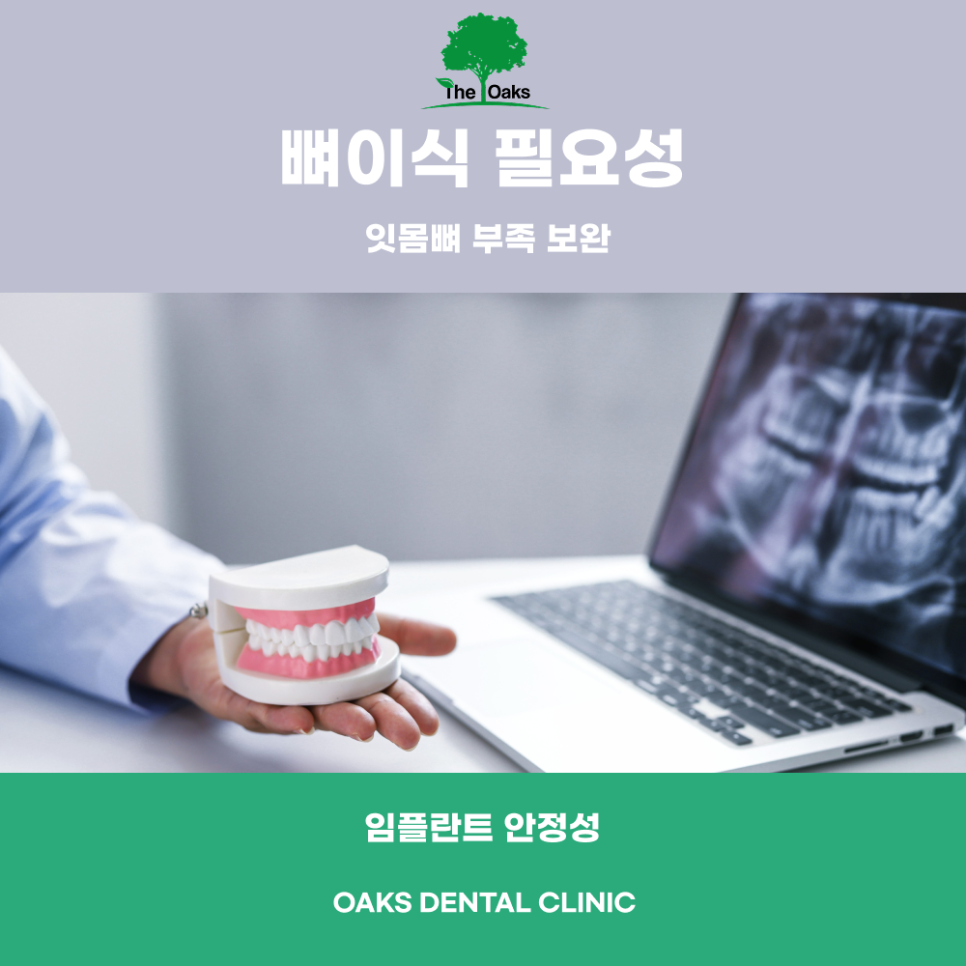
Among those planning to get dental implants,
many often ask,
“Do I need bone grafting too?”
An implant is not simply a procedure
that places an artificial tooth.
It is a treatment that can be used for a long time
only when it is firmly integrated with the jawbone.
Therefore, if the amount and quality of bone
are insufficient, implant bone grafting may become
not an option, but a necessity.
Today, Yeoksam-dong Dental Clinic will explain
what patients need to know about implant bone grafting.
Why Implant Bone Grafting Is Necessary
After losing a tooth, the jawbone gradually
resorbs over time.
In particular, molar areas or sites left untreated
for a long time often have thin bone or
insufficient height, making it difficult to place
a dental implant right away.
In such cases, bone grafting is needed to create
a foundation that can support the implant,
allowing for stable results without loosening.
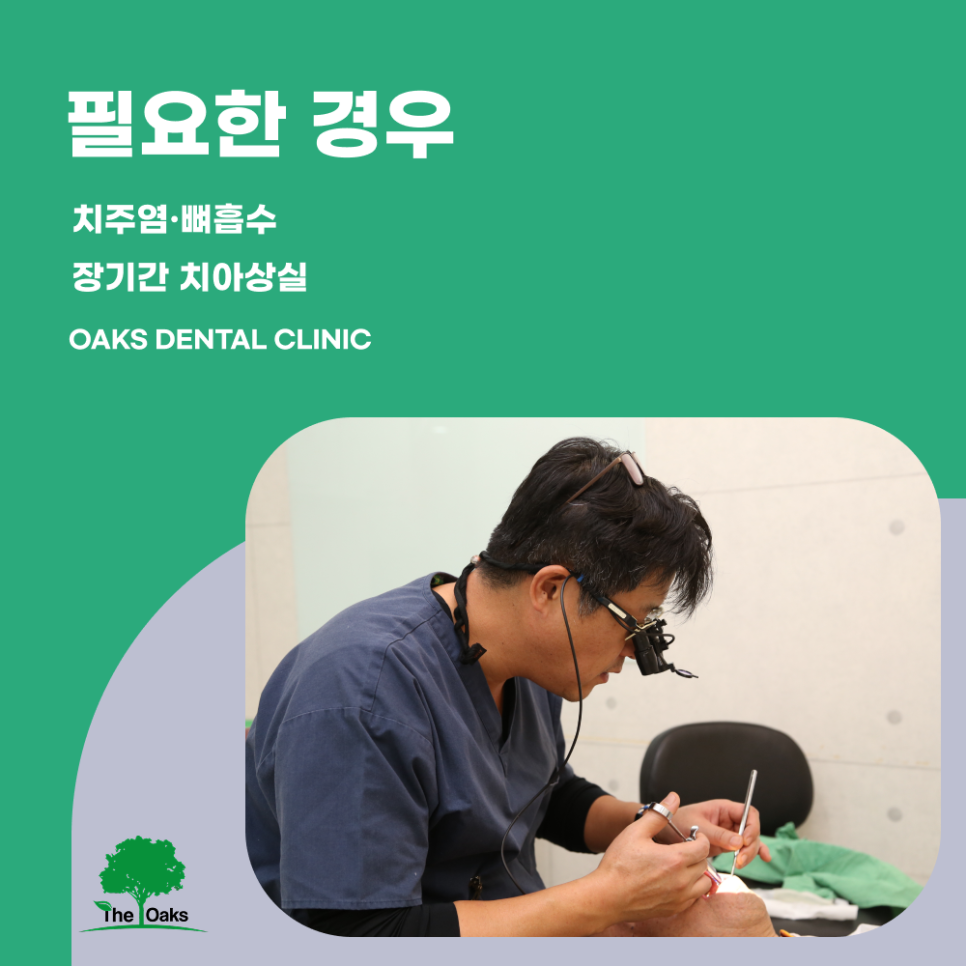
Typical Cases Where Bone Grafting Is Needed
Not every implant patient needs bone grafting.
However, bone grafting is often performed in cases
where a long time has passed since tooth loss,
where a lot of jawbone has been lost due to
periodontitis,
or where the maxillary sinus has descended,
leaving insufficient bone height.
An accurate decision is made after precisely
checking the condition of the jawbone through
3D CT imaging.
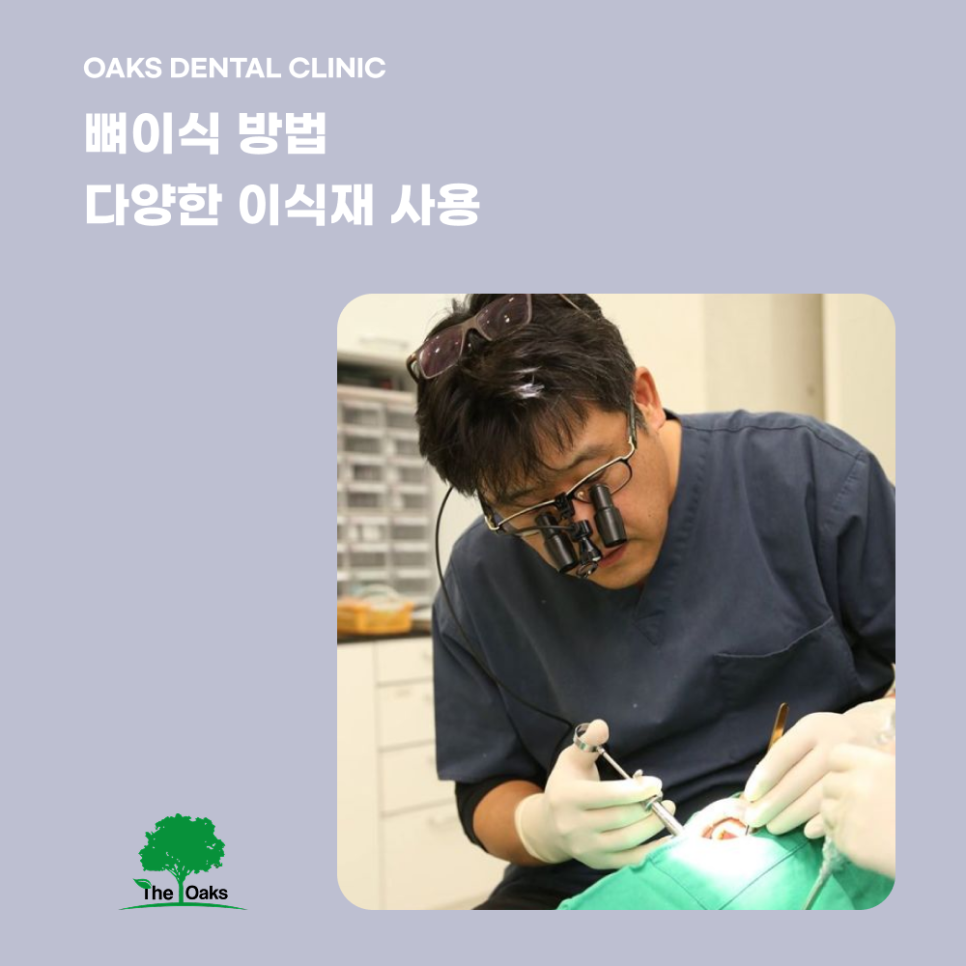
Types of Implant Bone Grafting Methods
Bone grafting is divided according to the materials
and methods used.
These include autogenous bone, allograft,
xenograft, and synthetic bone, which are used
alone or in combination depending on the patient’s
condition.
In addition, depending on the shape of the
insufficient bone, various procedures such as
guided bone regeneration and sinus lift procedures
may be applied.
The important thing is not simply to fill the bone,
but for the grafted bone to integrate well and
support the implant stably.
Recovery Process and Precautions After Bone Grafting
After bone grafting, a certain period of recovery
and stabilization is needed.
For a few days after the procedure, swelling or
discomfort may occur, but in most cases it does
not significantly interfere with daily life.
However, smoking can interfere with bone
integration, so quitting smoking is essential.
Regular visits and management are key factors
that increase the success rate of implants.
Key Points for Increasing Implant Success Rates
The success of implant bone grafting is determined
by a combination of accurate diagnosis, skilled
technique, and proper aftercare.
Rather than forcing the procedure, it is important
to create a plan that fits the current condition of
the jawbone, and to provide safe, predictable
treatment from a long-term perspective.
In Closing...
Implant bone grafting is an important process that
affects the lifespan of an implant.
Rather than focusing only on the immediate
treatment period or burden, it is better to understand
it as an investment for comfortable long-term use.
If you have any questions about implant bone grafting,
please consult Yeoksam-dong Dental Clinic.