Gangnam-gu Dental Clinic gum treatment, the most basic treatment for keeping your teeth for a long time!!!
Hello.
This is Oks Dental Clinic.
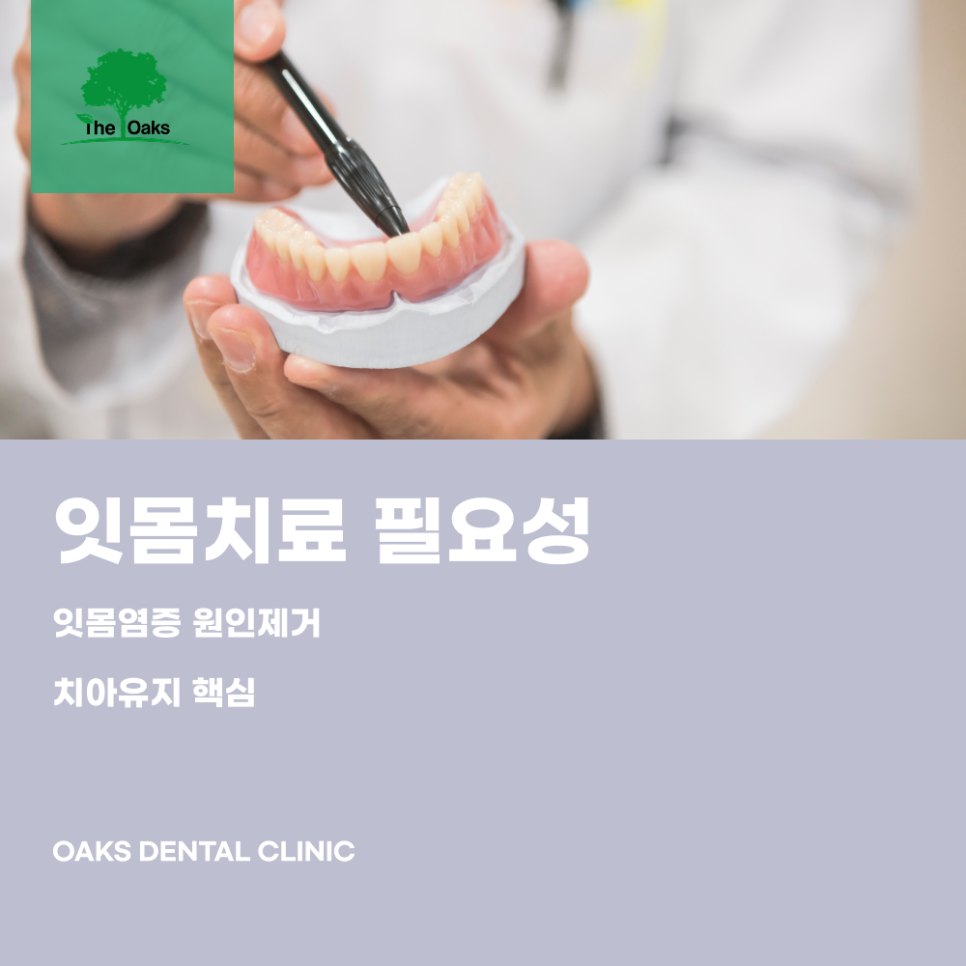
Many people are surprised when they are advised to undergo gum treatment at a dental clinic even though their teeth do not hurt.
However, gum disease often progresses slowly without pain, so by the time symptoms are felt, it is not uncommon for it to have already advanced significantly.
Gum treatment is more than just routine gum care; it is a very important treatment for keeping teeth for a long time without extraction.
Today, Gangnam-gu Dental Clinic will explain the key points you should know about gum treatment.
Why gum treatment is necessary
Gum disease is mainly caused by bacterial plaque and tartar that build up on the tooth surface.
These bacteria cause inflammation in the gums, leading to swelling and bleeding, and gradually damaging the jawbone around the teeth.
The problem is that in the early stages there is little to no pain, so it is easy to leave it untreated.
Gum treatment is an essential process to remove the causes of this inflammation and restore the gums and surrounding tissues to a healthy state.
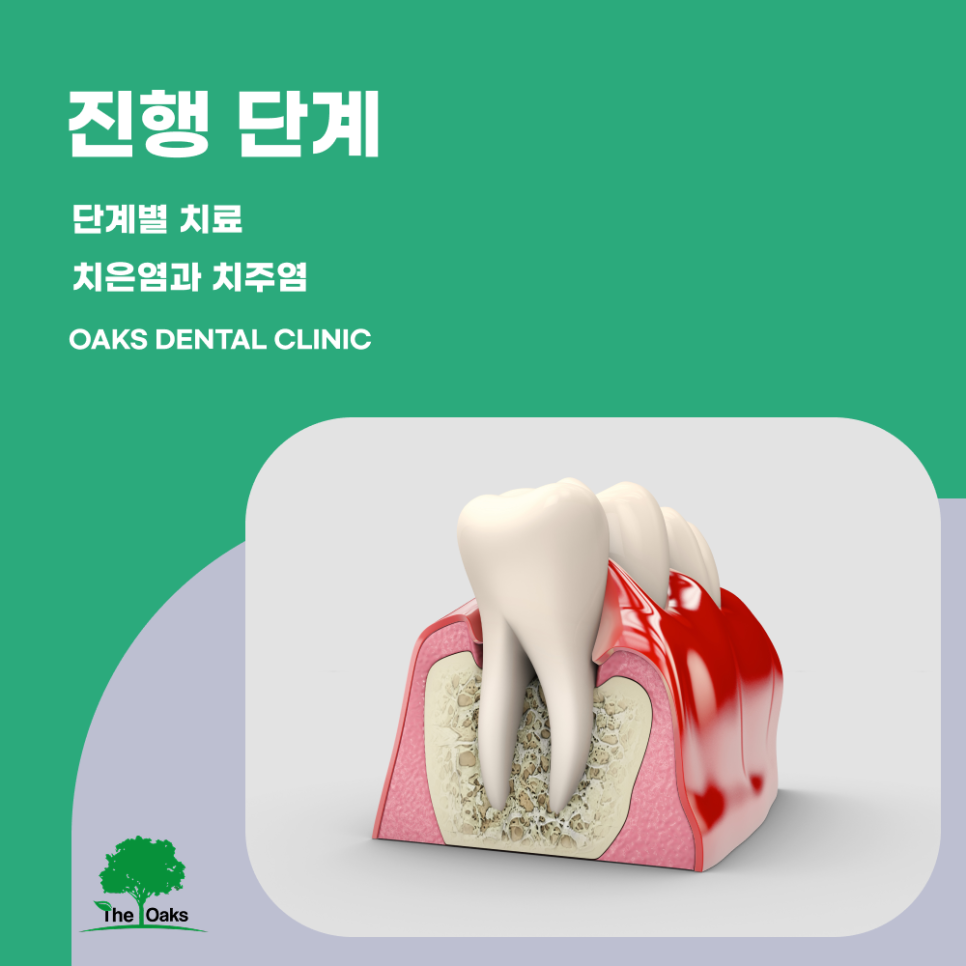
Stages of gum disease
Gum disease is broadly divided into gingivitis and periodontitis.
Gingivitis is a condition in which inflammation is limited to the gums, and it can be recovered with relatively simple treatment and care.
However, if it progresses to periodontitis, the jawbone gradually gets resorbed and the teeth may become loose.
At this stage, the longer gum treatment is delayed, the broader the scope of treatment becomes, and in the long term, the risk of extraction may also increase.
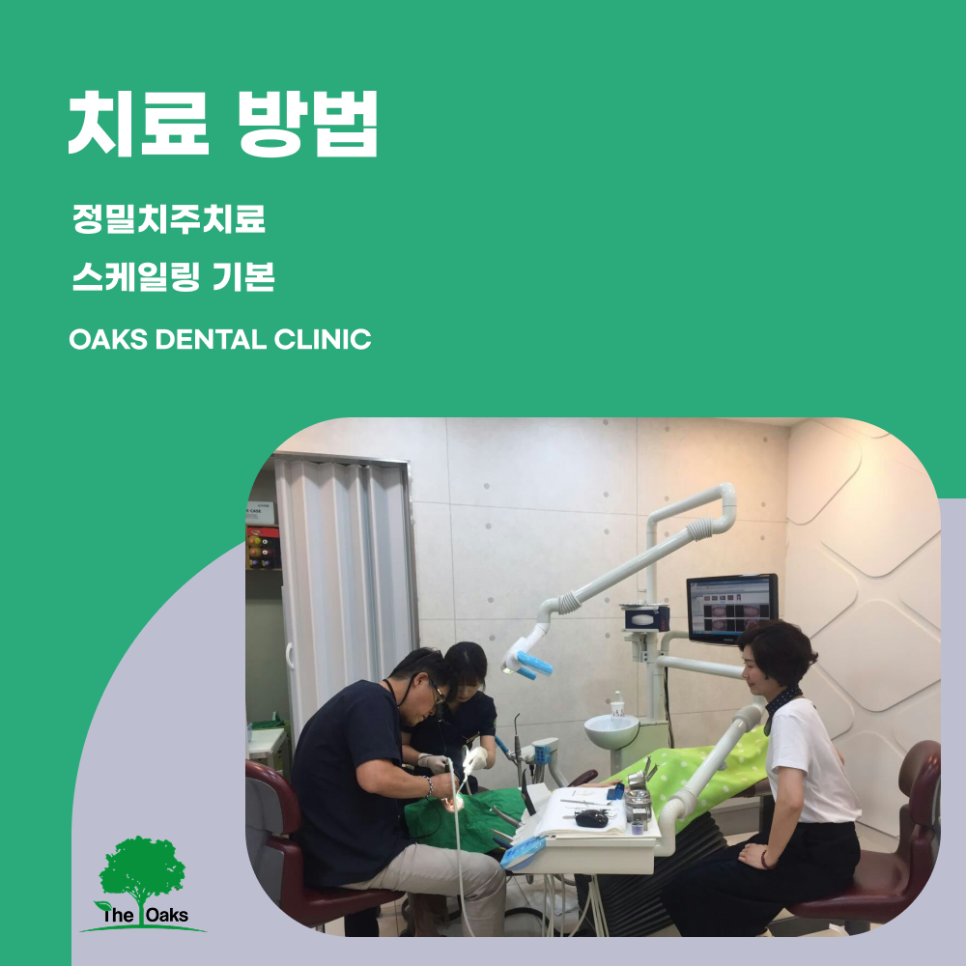
Types and methods of gum treatment
Gum treatment is carried out step by step depending on the severity of the disease.
The most basic treatment is scaling, which removes tartar that has built up on the tooth surface and above the gums.
If the inflammation has progressed deeper into the gums, more precise treatment such as root planing or curettage may be necessary.
This treatment removes tartar and bacteria from inside the gums to help the gums reattach closely to the teeth.
Changes that may occur after gum treatment
After gum treatment, temporary sensitivity or discomfort may occur.
This can be a reaction that appears during the process in which the inflammation subsides and the gums return to their normal position, and it usually eases over time.
In fact, many people experience positive changes after treatment, such as reduced gum bleeding and swelling, as well as improved bad breath.
The importance of post-treatment care
Gum treatment is not a one-time treatment.
Care after treatment plays a key role in maintaining gum health.
Proper brushing, use of dental floss and interdental brushes, and regular dental checkups are necessary to prevent recurrence.
In particular, smoking reduces blood flow to the gums and interferes with recovery, so quitting smoking is very important while receiving gum treatment.
Problems that can arise if gum treatment is delayed
If gum disease is left untreated, the jawbone that supports the teeth continues to be damaged.
As a result, the teeth may become loose or chewing strength may weaken, and eventually the likelihood of extraction increases.
Also, if the condition of the gums is poor, it can affect the success rate of implant or prosthetic treatment, so early treatment is most important.
In conclusion...
Gum treatment is not something you receive only when pain appears; it is closer to preventive care that is done in advance to protect your teeth.
Even if there are no visible symptoms, checking the condition of the gums through regular examinations and receiving appropriate treatment at the right time is the most reliable way to extend the life of your teeth.
If you notice gum bleeding or discomfort, do not brush it off lightly; we recommend consulting Gangnam-gu Dental Clinic.