Gangnam Station Dental Clinic: If your mouth sores keep recurring, don’t just ignore them.
Hello.
This is Oks Dental Clinic.
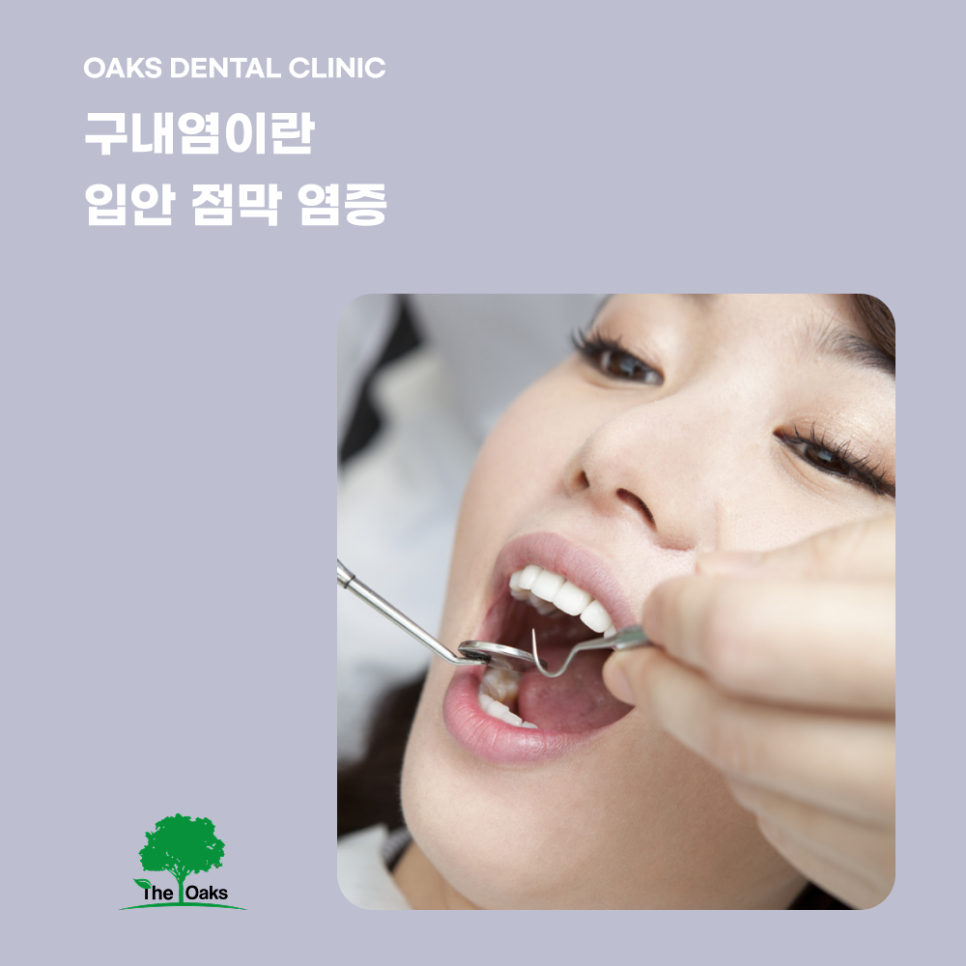
Have you ever felt a stinging sensation in your mouth or discomfort when speaking or chewing food?
Mouth sores are a common condition that most people have experienced at least once, but if they recur or last a long time, it is necessary to look into the cause properly.
Many people think of them as simple wounds and leave them alone, but mouth sores are closely connected to overall oral health.
Today, Gangnam Station Dental Clinic will explain why mouth sores occur and how to manage them.
What Are Mouth Sores?
Mouth sores refer to a condition in which inflammation or ulcers develop on the lining of the mouth.
They can occur in various areas such as the tongue, inner cheeks, gums, and palate, and are characterized by painful lesions accompanied by a white or yellowish coating.
Even if they seem small, the pain can be severe and cause significant inconvenience in daily life.
In particular, the pain often worsens when eating or talking.
Causes of Mouth Sores
The causes of mouth sores are very diverse.
The most common cause is fatigue and a weakened immune system.
When overwork, lack of sleep, and stress build up, the defense of the oral mucosa weakens and inflammation can occur easily.
In addition, mouth injuries, poorly fitting prosthetics, sharp tooth edges, nutritional imbalance, and smoking can also be causes.
In particular, a deficiency in B vitamins and iron is closely related to the development of mouth sores.
Types and Characteristics of Mouth Sores
Mouth sores are divided into several types depending on their form and cause.
The most common aphthous stomatitis is characterized by recurring round ulcers.
Herpetic stomatitis caused by a viral infection tends to involve severe pain along with blisters, and it can also be contagious.
There are also various other forms, such as candidal stomatitis caused by fungi, so appropriate care is needed depending on the symptoms.
Why Mouth Sores Do Not Heal Quickly
In many cases, ordinary mouth sores improve naturally within 1 to 2 weeks.
However, if they last more than 2 weeks or recur frequently, they may not be simple mouth sores.
In some cases, they may be associated with chronic irritation, immune disorders, or systemic diseases, so an accurate diagnosis is necessary.
In particular, if the pain gradually becomes more severe or the sore gets larger, it is advisable to see a dentist or medical professional.
Treatment and Management of Mouth Sores
The key to treating mouth sores is removing the cause and relieving the symptoms.
If the pain is severe, inflammation can be eased with ointments or mouth rinses.
It is also best to avoid irritating foods, as well as hot or spicy foods, and to maintain a soft diet.
Adequate rest, fluid intake, and regular habits are also important factors in recovery.
Lifestyle Habits for Preventing Mouth Sores
To prevent mouth sores, proper oral hygiene is very important in daily life.
When brushing, use a soft toothbrush so as not to injure the gums or mucosa, and drink enough water to prevent dry mouth.
In addition, managing stress and maintaining a balanced diet to support the immune system can greatly help prevent mouth sores.
In Closing...
Mouth sores are common, but they are by no means something to take lightly.
In particular, if they occur repeatedly or do not heal easily, it is necessary to check the condition of your oral health.
If the pain in your mouth continues, do not endure it; we recommend consulting Gangnam Station Dental Clinic for an accurate diagnosis.