Teeth whitening at a Cheongdam-dong dental clinic, the first step to regaining a natural smile!
Hello.
This is Oks Dental Clinic.
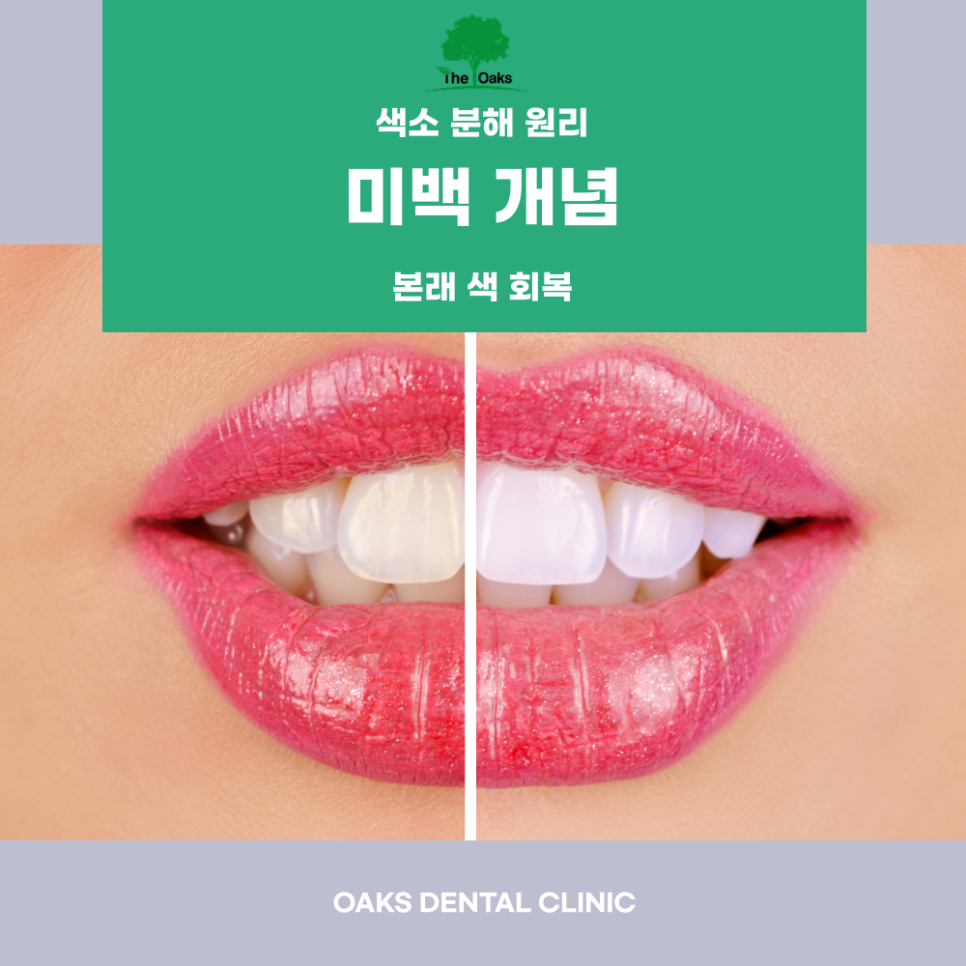
Bright, clean teeth are one of the important factors that influence first impressions.
However, coffee, tea, smoking, and food stains often cause teeth to gradually become darker.
As people notice these changes,
more and more are considering teeth whitening.
Today, we will explain what teeth whitening is,
how it is carried out,
and what to watch out for,
at Cheongdam-dong dental clinic.
What Is Teeth Whitening?
Teeth whitening is a treatment that helps restore the teeth’s original bright color by removing or breaking down pigments deposited on the tooth surface and inside the tooth.
It is not simply about painting the teeth white;
the goal is to improve the shade while preserving the tooth structure as much as possible.
Depending on each person’s dental condition and the cause of staining,
the whitening effect and how long it lasts may vary.
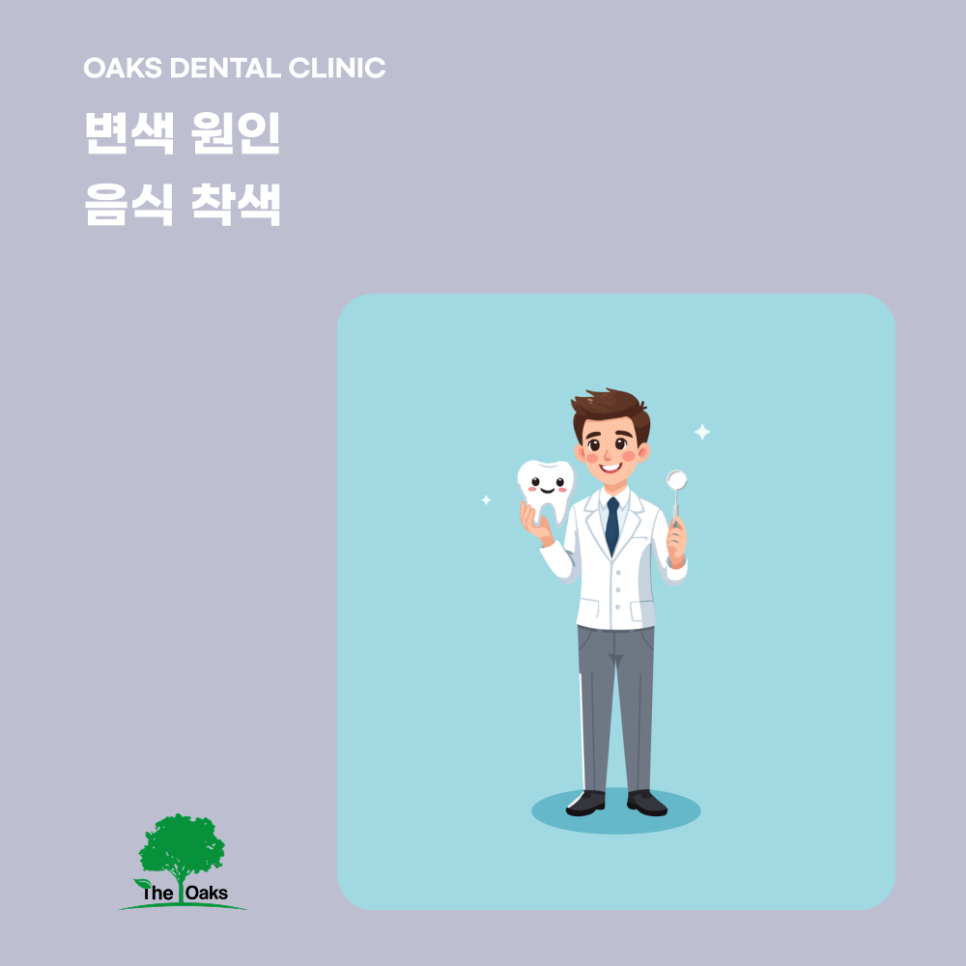
Main Causes of Tooth Color Changes
Tooth discoloration occurs due to various factors.
Foods and drinks with deep colors, such as coffee, wine, and curry,
are representative causes of external staining.
Smoking also makes teeth look darker due to nicotine and tar.
In addition, teeth may change color due to internal discoloration caused by aging,
medication, trauma, and other factors.
Accurately identifying the cause of discoloration is the starting point for effective whitening.
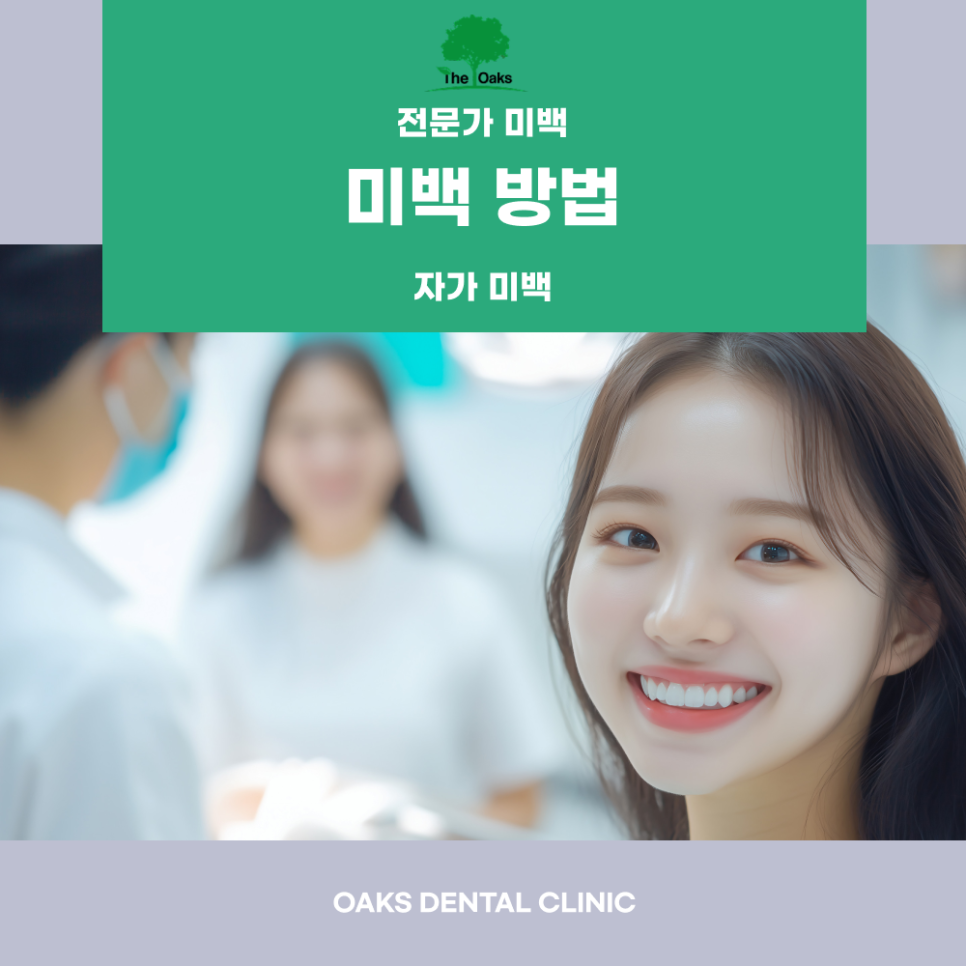
Types and Methods of Teeth Whitening
Teeth whitening is broadly divided into professional whitening and at-home whitening.
Professional whitening is performed at a dental clinic,
and noticeable changes can be expected in a relatively short time.
On the other hand, at-home whitening is a method that uses a custom tray and is carried out consistently over a certain period,
helping improve the tone more naturally.
The two methods may be performed alone or in combination.
Pain and Side Effects During Teeth Whitening
After teeth whitening, temporary sensitivity may occur.
This is a natural response that appears as the tooth surface temporarily becomes more sensitive during the whitening process.
In most cases, it improves over time,
and selecting the right concentration and method for your dental condition can help minimize discomfort.
This is why it is important to check the condition of the teeth and gums in advance.
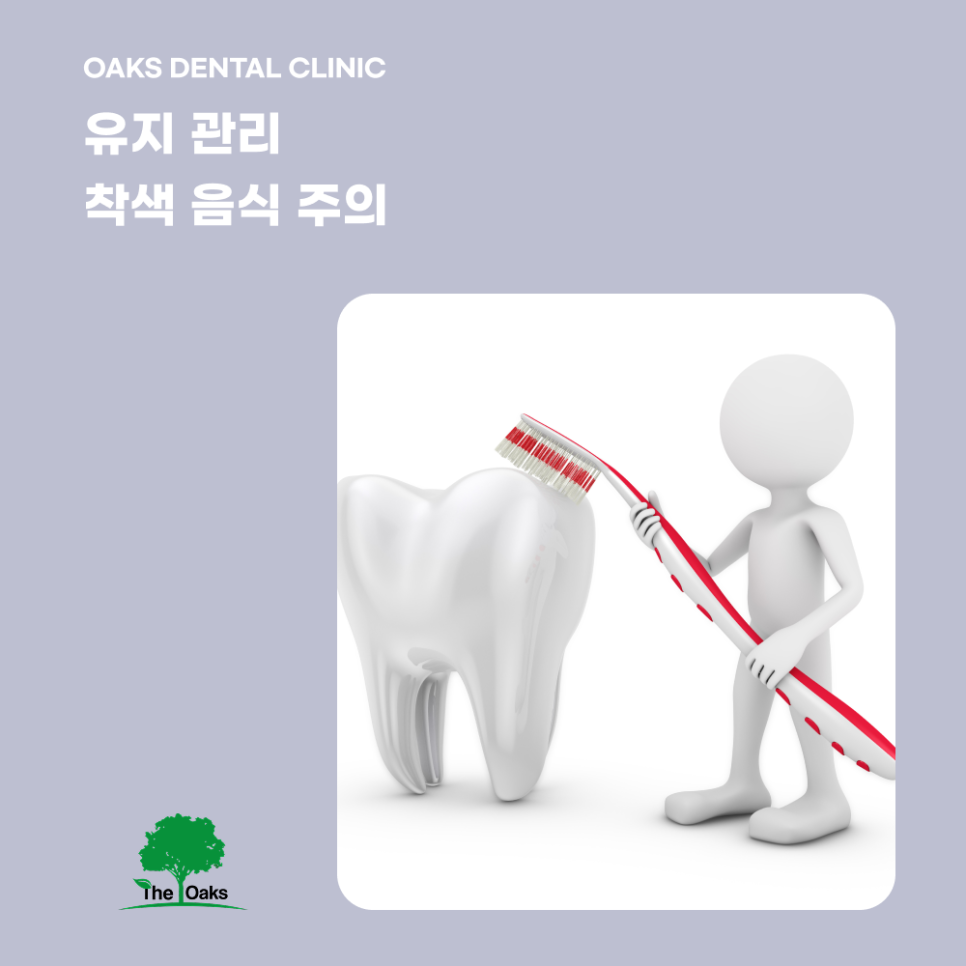
How to Keep Teeth Whitening Results for Longer
Post-whitening care is also very important.
It is best to avoid foods and drinks that cause staining for a certain period, and smoking can quickly reduce the whitening effect.
Maintaining tooth condition through proper brushing habits and regular dental checkups is helpful.
The duration of whitening results may vary depending on lifestyle habits.
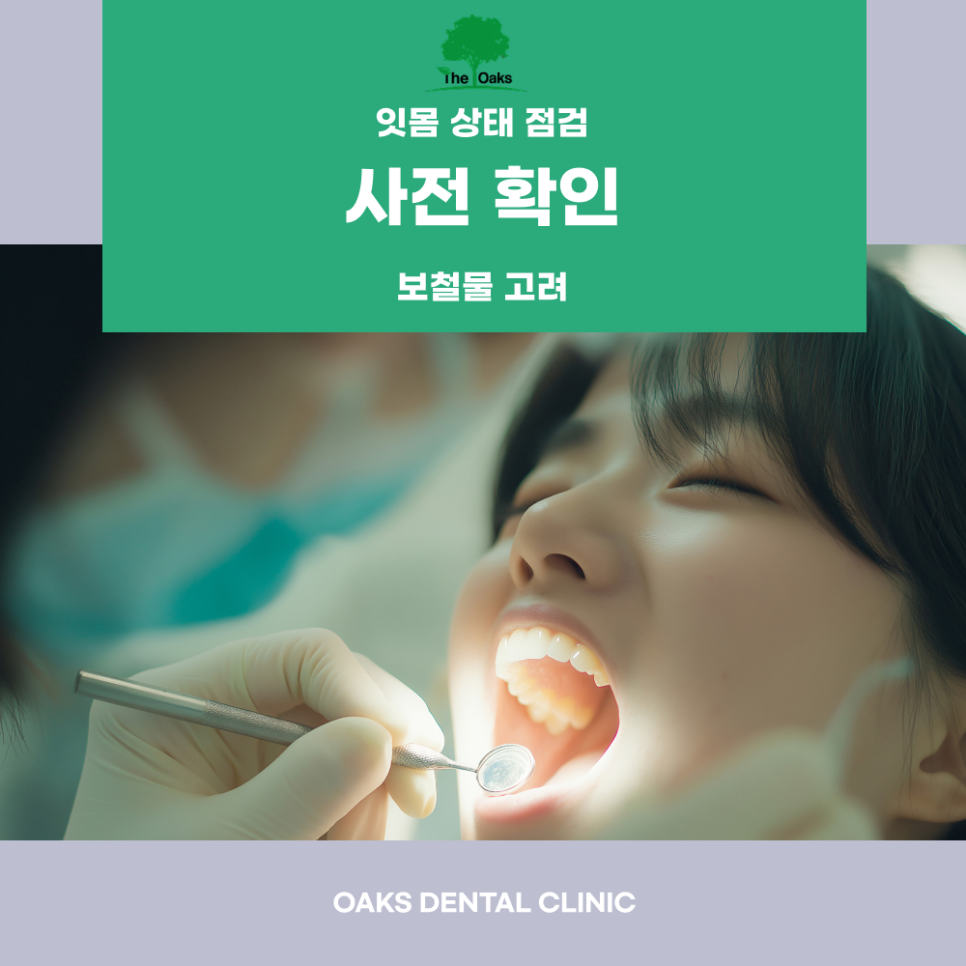
Things to Check Before Teeth Whitening
Not all teeth are suitable for whitening.
If you have cavities, gum disease, or restorations, treatment or consultation before whitening may be necessary.
Also, artificial restorations do not respond to whitening, so it is important to plan with the overall color harmony in mind.
Rather than indiscriminate at-home whitening, it is advisable to proceed safely through professional consultation.
In Closing...
Teeth whitening can be seen as a process that goes beyond simple cosmetic purposes and helps restore a confident smile.
However, since the appropriate method differs depending on an individual’s dental condition and lifestyle habits, sufficient consultation and planning are necessary.
If you are concerned about the color of your teeth,
we recommend visiting Cheongdam-dong dental clinic for a consultation
to find the teeth whitening method that is right for you.