Sinsa-dong Dental Clinic: The more you know about implant side effects in advance, the more you can prevent them.
Hello.
This is Oaks Dental Clinic.
Among the questions most frequently asked during consultations by people considering implants,
one of the most common is, “Are there any implant side effects?”
Implants are a very effective treatment for replacing natural teeth,
but because they are still a surgical procedure,
the possibility of side effects can never be completely ruled out.
However, the important point is that implant side effects
can usually be predicted in advance and sufficiently prevented.
Today, Sinsa-dong Dental Clinic will explain the types and causes of implant side effects,
and the key things you should know to reduce them.
What Are Implant Side Effects?
Implant side effects include any situation in which pain or discomfort persists for a long time after the procedure,
or the implant does not function properly.
Unlike simple temporary pain, if symptoms do not improve or get worse over time,
it is worth suspecting the possibility of side effects.
Because an implant must firmly integrate with the jawbone to lead to a successful treatment,
various symptoms can appear if problems occur during this integration process.
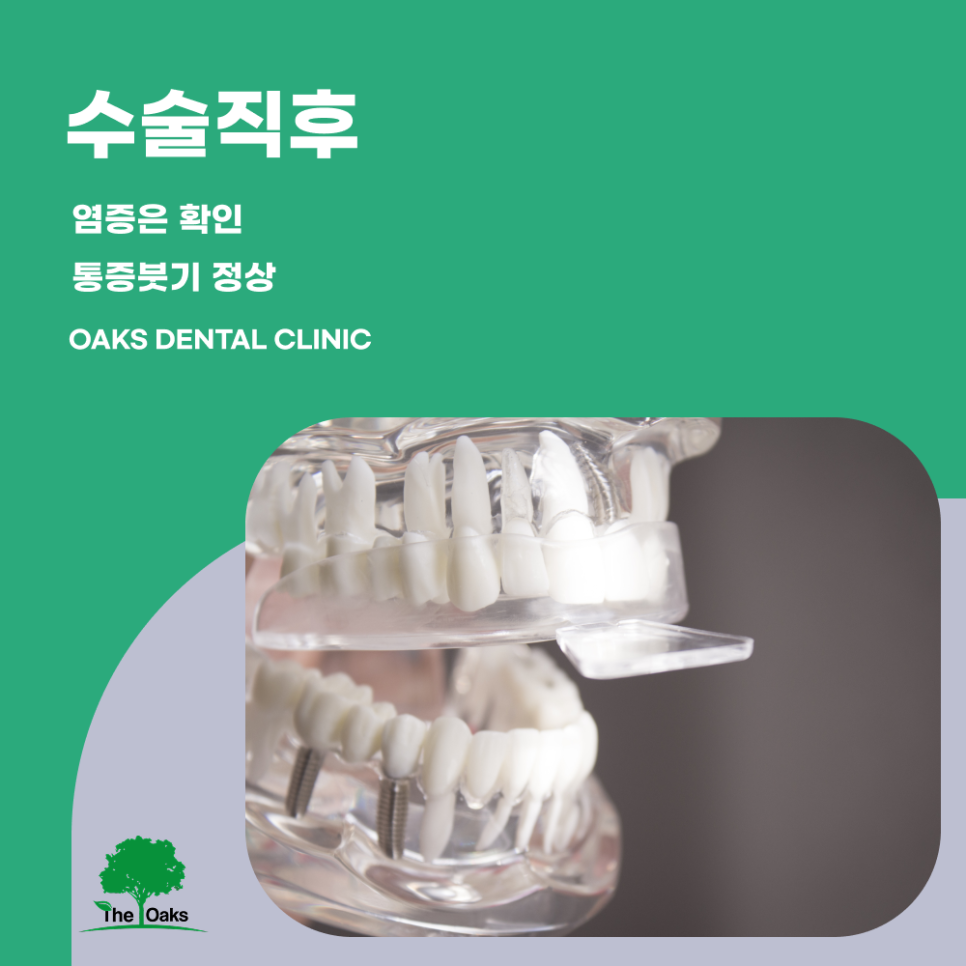
Side Effects That May Appear Right After Surgery
Pain and swelling for a few days after implant surgery are relatively normal reactions.
However, if the pain gradually worsens,
or the swelling does not go down and is accompanied by heat and pus,
inflammation should be considered.
This can occur due to an early infection or delayed wound healing,
and it is important to visit the clinic early and receive treatment.
The later the initial response is delayed, the longer the recovery period may become.
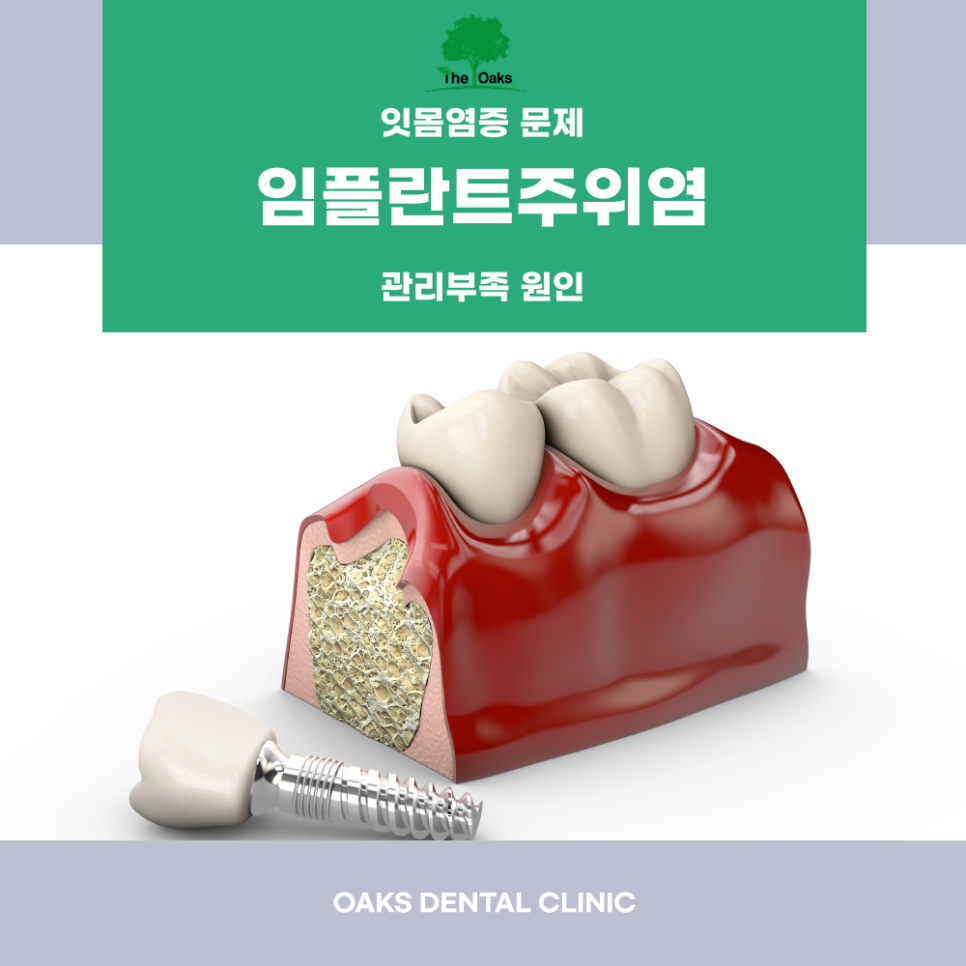
Peri-implantitis, the Most Common Side Effect
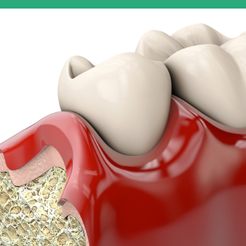
The most frequently mentioned implant side effect is peri-implantitis.
Similar to periodontal disease in natural teeth,
this refers to inflammation of the gum tissue around the implant.
In the early stages, it may begin with gum bleeding or swelling,
but if left untreated, the jawbone may be resorbed and the implant may become loose.
The risk is especially higher when oral hygiene is poor or when a person smokes.
When the Implant Does Not Integrate Well with the Bone
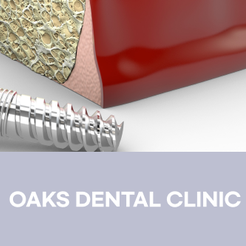
The key to an implant is osseointegration with the jawbone.
However, if the jawbone quality is weak,
or if placement is performed too aggressively without sufficient bone grafting,
osseointegration may not form properly.
In this case, the implant is not firmly fixed,
and discomfort or pain may occur while chewing.
Because this problem often occurs when implants are performed without an accurate diagnosis,
preoperative examination is extremely important.
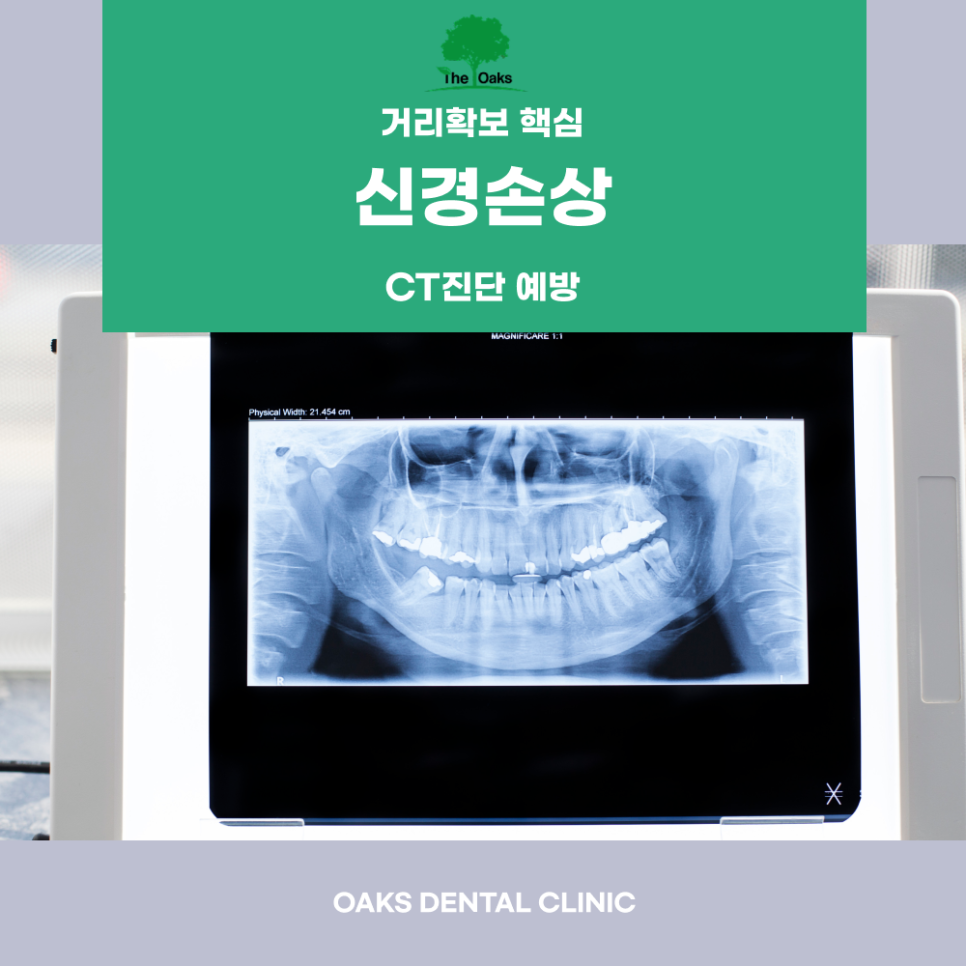
Side Effects Caused by Nerve Damage
In the case of implants in the lower jaw area,
maintaining a safe distance from the nerve is important.
If the implant is placed too close to the nerve,
numbness around the lips or jaw may appear after surgery.
Such side effects can be sufficiently prevented through precise 3D CT diagnosis,
and this is also why experience and planning matter.

Key Factors for Reducing Implant Side Effects
The most important things for reducing implant side effects are an accurate diagnosis
and a treatment plan that is not forced.
The condition of the jawbone, overall health, and lifestyle habits all need to be considered comprehensively,
and if necessary, bone grafting or step-by-step treatment should be combined.
Also, postoperative care has a major impact on preventing side effects.
Smoking and drinking can interfere with recovery, so caution is needed.
Post-Implant Care Determines Side Effects
It is no exaggeration to say that caring for the implant is more important than placing it.
Unlike natural teeth, cavities do not occur,
but if gum care is neglected, the risk of peri-implantitis increases.
Using dental floss and interdental brushes, along with regular checkups,
is essential for using implants for a long time.
Side effects often do not appear suddenly,
but rather develop as a result of accumulated lack of care.
In Closing...
Implant side effects are not something that can happen to everyone;
they are an area that can be sufficiently prevented depending on management and planning.
Before the procedure, an accurate diagnosis and consultation are most important,
and after the procedure, consistent care is even more important.
If you are considering implants,
or if you are already feeling discomfort after the procedure,
please do not brush it off lightly and we recommend getting a consultation at Sinsa-dong Dental Clinic.