How to Improve Gum Inflammation and Protect Your Teeth for a Long Time with Periodontal Surgery at Apgujeong-dong Dental Clinic!
Hello.
This is OX Dental Clinic.
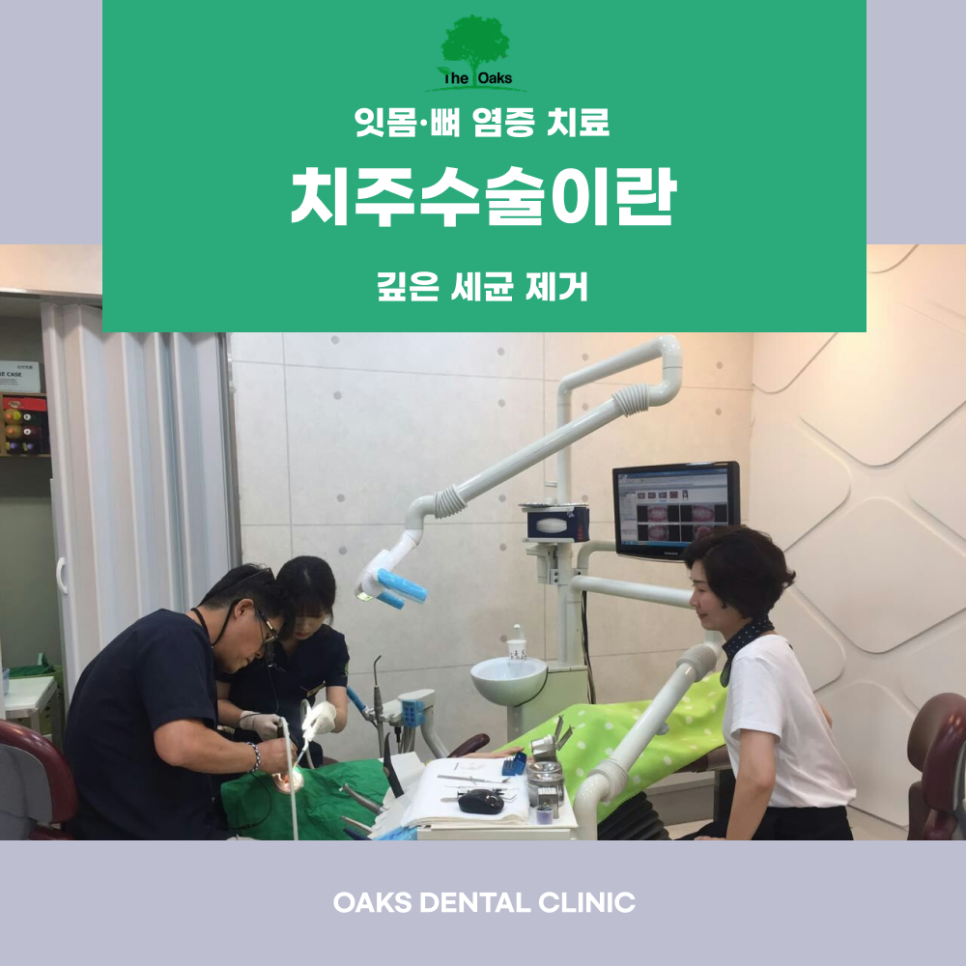
If symptoms such as swollen gums or bleeding
keep recurring, there is a high chance that
it is progressing beyond simple inflammation
and into periodontal disease.
If managed early, periodontal disease can be
improved with relatively simple treatment,
but if left untreated, it can damage even the
bone that supports the teeth and may lead to
tooth loss.
Today, we will explain what periodontal
surgery is, when it is needed, and how to
care for yourself after surgery, at Apgujeong-dong
Dental Clinic.
What Is Periodontal Surgery?
Periodontal surgery is a treatment that restores
gum health by treating the gums and alveolar
bone damaged by periodontal disease and
removing inflammation.
In some cases, scaling or gum treatment alone
makes it difficult to completely remove bacteria
and tartar deep inside the periodontal pocket
(the space inside the gums). In such cases,
surgery is performed to provide a more
fundamental treatment.
Rather than simply managing the gums that are
visible on the surface, this treatment is important
because it improves the structures that support
the teeth.
When Periodontal Surgery Is Needed
Not all gum diseases require surgery.
However, periodontal surgery may be considered
in the following cases.
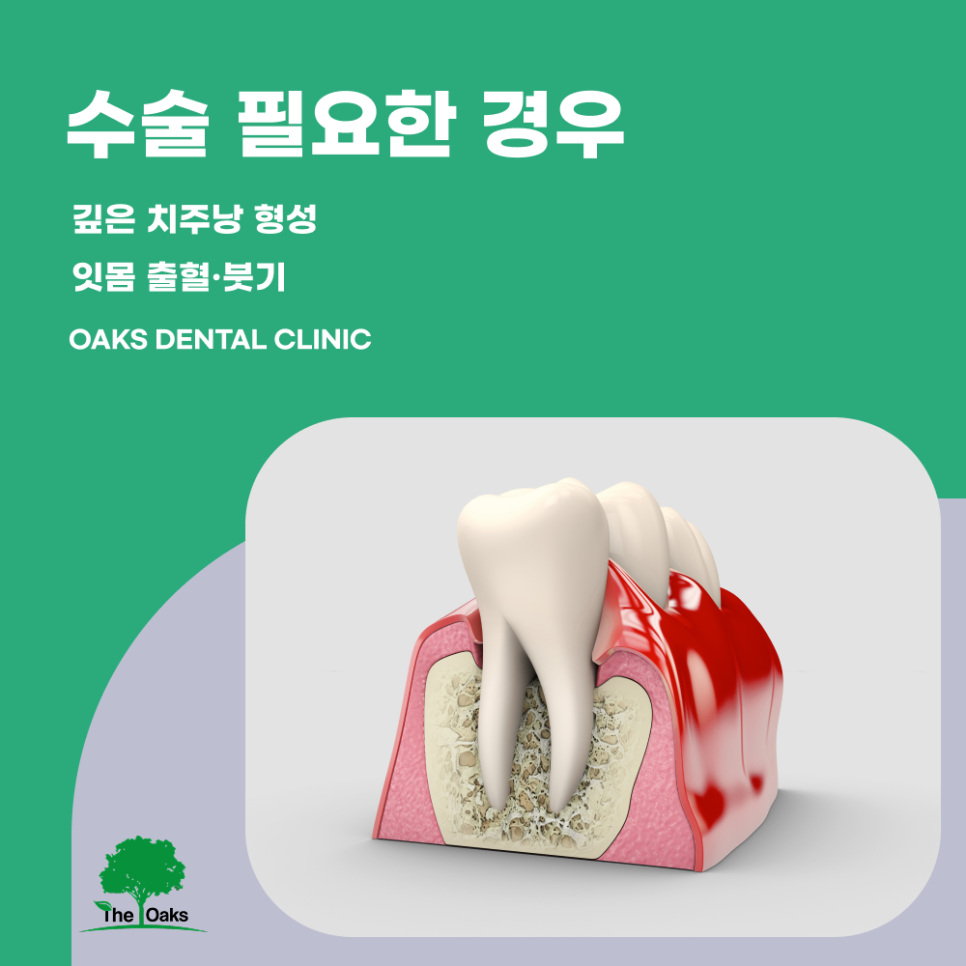
When the gums continue to swell
and bleed
When a large amount of gum bone is resorbed
and the teeth become loose
When a deep periodontal pocket forms and
non-surgical treatment is difficult to improve the condition
When tartar and bacteria settle deep inside the gums
and cause repeated inflammation
These are typical examples.
An accurate judgment is made through detailed
examination and diagnosis at the dental clinic.
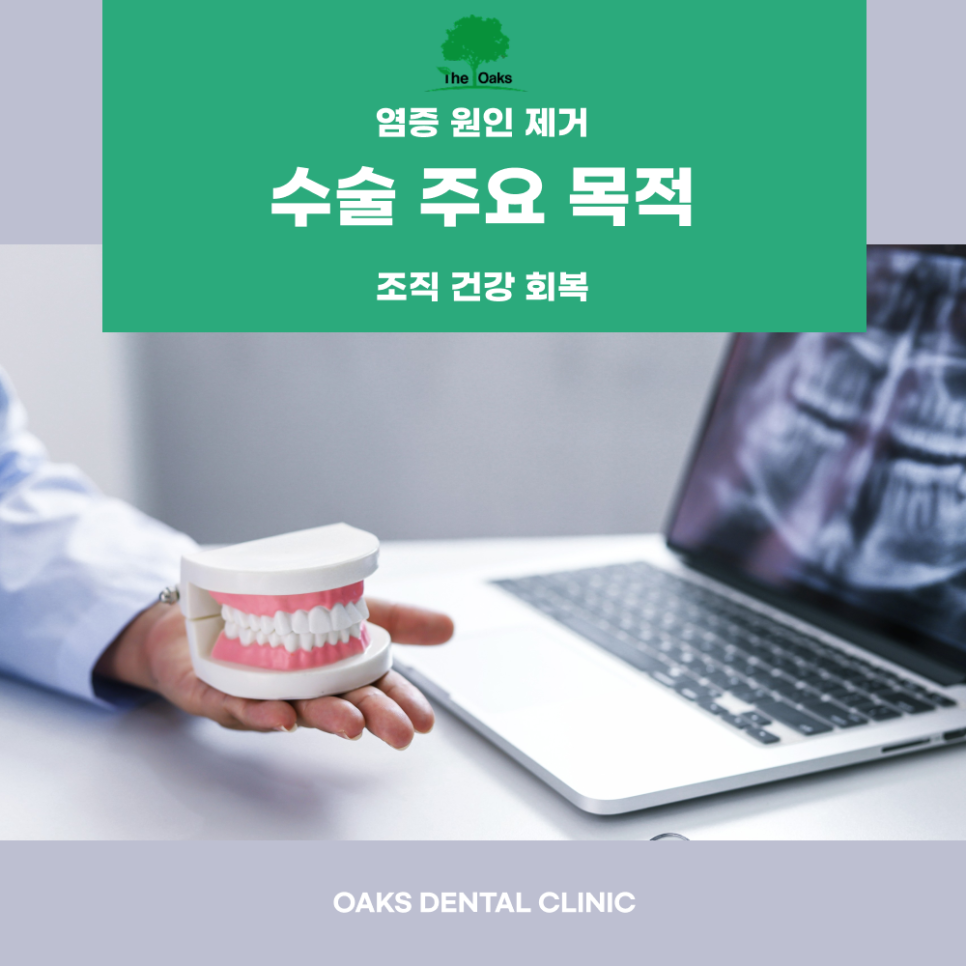
Main Purpose of Periodontal Surgery
The main purpose of periodontal surgery is to
remove the root cause of inflammation and
improve the gum environment.
Through surgery, deep tartar and bacteria inside
the gums are removed, and damaged tissue is
cleaned up to help the gums settle back into a
healthy state.
If necessary, treatment to reshape the gums or
induce alveolar bone regeneration may also be
performed.
This goes beyond simply relieving symptoms and
is an important process for preserving the teeth
over the long term.
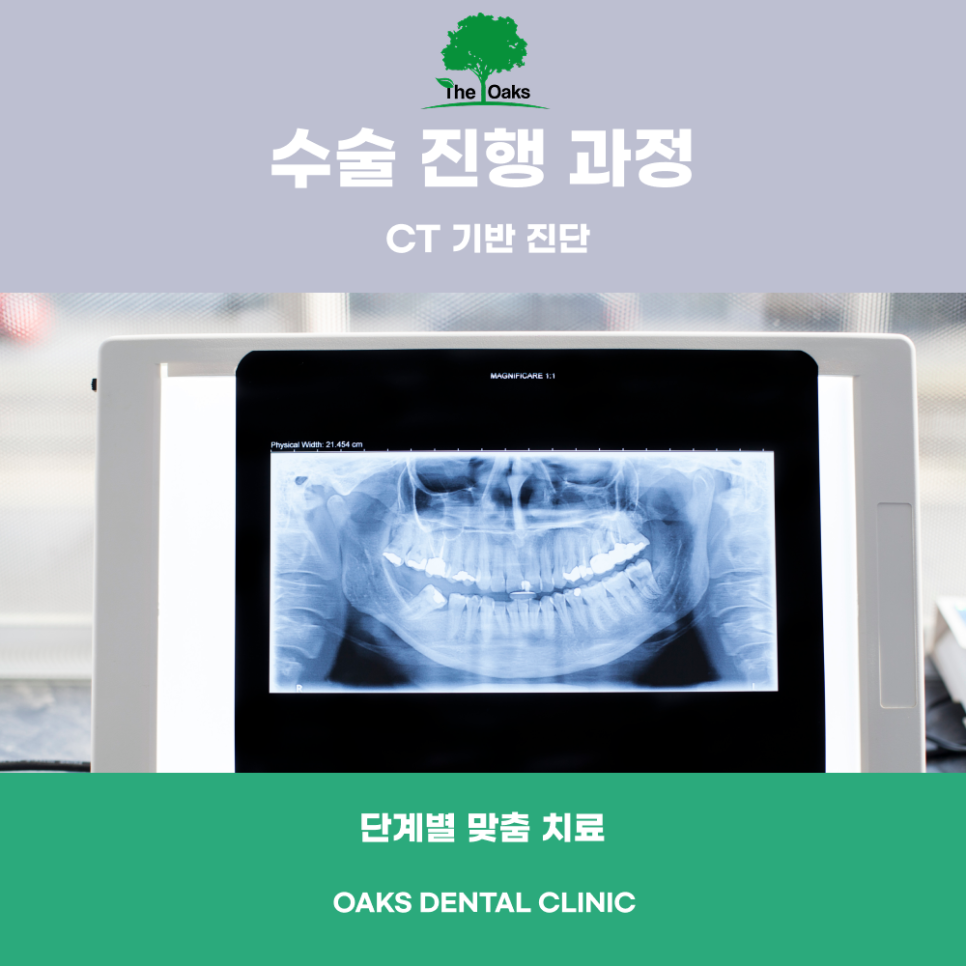
How Periodontal Surgery Is Performed
Periodontal surgery is planned according to each
person’s condition based on preoperative
examination and consultation.
First, X-rays or CT scans are taken to check the
condition of the gum bone and the extent of
inflammation.
Then, under local anesthesia, the gums are
carefully opened to remove tartar and inflamed
tissue from the inside.
If necessary, bone grafting or tissue regeneration
treatment may be performed together to help
the gums and alveolar bone recover.
Finally, the gums are cleaned up and sutured so
that healing can proceed smoothly.
Changes You Can Expect After Periodontal Surgery
After periodontal surgery, you can expect a
decrease in gum inflammation and a reduction in
swelling and bleeding.
In addition, as deep periodontal pockets become
smaller, there is less space for bacteria to remain,
which can help reduce the risk of recurrence.
In the long term, as the structures supporting the
teeth become more stable, tooth mobility may
be reduced and it may have a positive effect on
extending the life of the teeth.
Above all, when gum health is restored, managing
overall oral hygiene becomes much easier.
In Closing...
Periodontal surgery is more than just a treatment
for gum problems; it is an important process for
protecting your teeth and maintaining oral health
for a long time.
The earlier gum disease is managed, the lower the
treatment burden becomes. So if you notice any
symptoms, it is better not to delay and to get an
accurate diagnosis at a dental clinic.
If you are concerned about your gum health, we
recommend checking your current condition at
Apgujeong-dong Dental Clinic and consulting about
the treatment option that is right for you.