Segeok-dong Dental Clinic Bone Graft Implant: How to Compensate for Insufficient Jawbone and Increase Success Rates!
Hello.
This is Oks Dental Clinic.
Among those considering implants,
“I was told I don’t have enough jawbone,”
“I left a tooth untreated for a long time in the past,
and was told an implant would be difficult”
are common questions during consultations.
As the period without a tooth gets longer,
the jawbone gradually resorbs,
so simple implant placement may become difficult.
In cases like this, the treatment that plays an important role
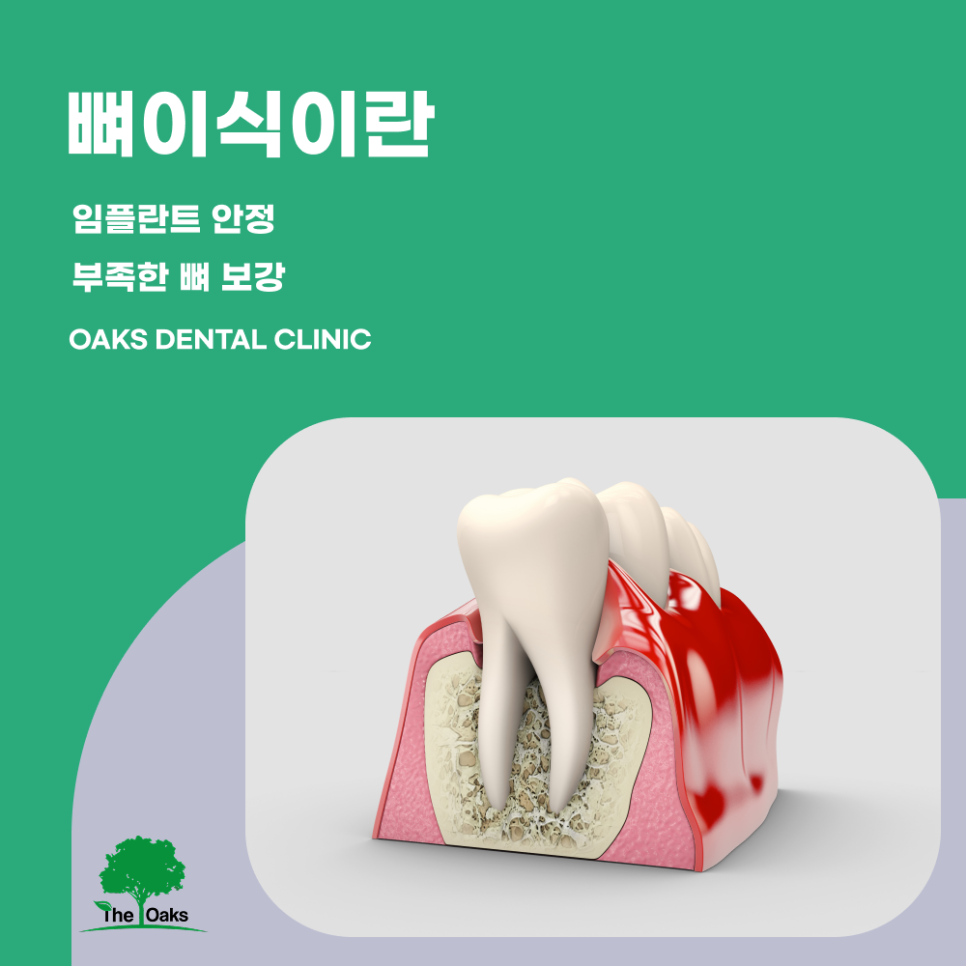
is the bone graft implant.
Today, Segeok-dong Dental Clinic will explain
what a bone graft implant is,
when it is needed, the treatment process, and how to care for it.
What Is a Bone Graft Implant?
A bone graft implant is a method that combines treatment to replenish
the insufficient jawbone needed to place an implant stably.
Because an implant must be firmly fixed in the jawbone
to function properly, it is difficult to expect successful results
if the amount and quality of bone are not sufficient.
Therefore, the key is to first create an environment that can support
the implant through bone grafting,
and then place the implant on top of it.
Reasons for Insufficient Jawbone
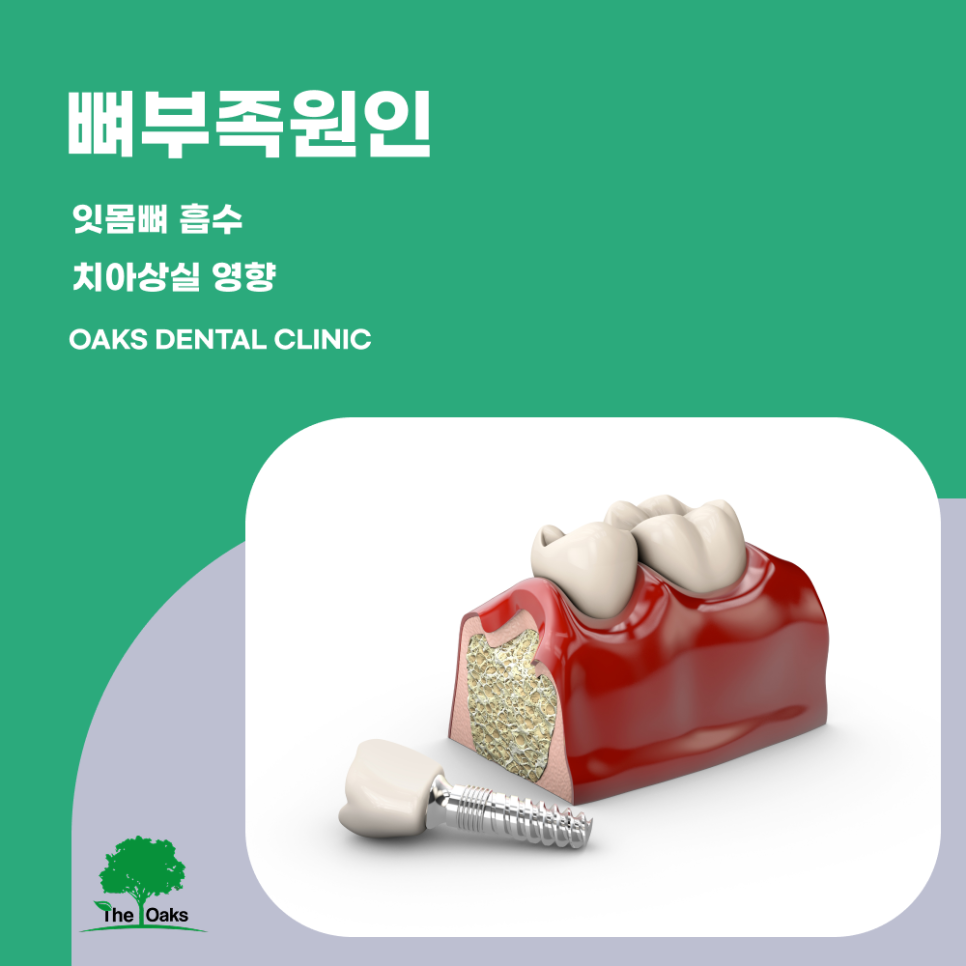
Jawbone has the characteristic of gradually resorbing
as time passes after a tooth is lost.
In particular, if periodontal disease has been present for a long time,
or if the tooth loss has been left untreated for an extended period,
bone loss can become severe.
In addition, pressure from denture use, trauma,
and inflammation can also cause a reduction in jawbone.
When bone becomes insufficient due to these various factors,
bone grafting is needed before placing an implant.
When Bone Grafting Is Needed
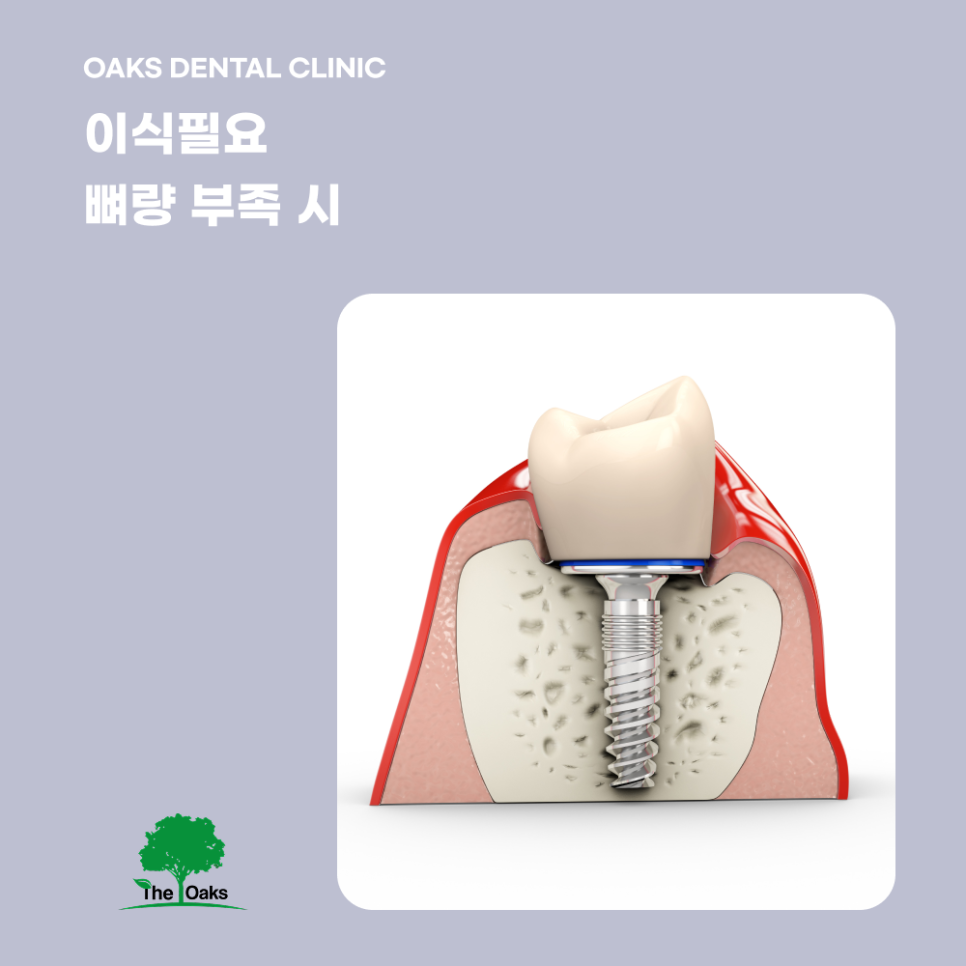
A bone graft implant is considered in cases such as the following.
When the thickness or height of the jawbone is insufficient
for implant placement
When space needs to be secured because the area is close to the maxillary sinus
When a long period has passed since tooth loss and significant bone resorption has occurred
These are typical examples.
An accurate judgment is made through detailed diagnostics such as 3D CT,
and a treatment plan is established according to each individual’s condition.
Treatment Process for a Bone Graft Implant
A bone graft implant is not a simple procedure;
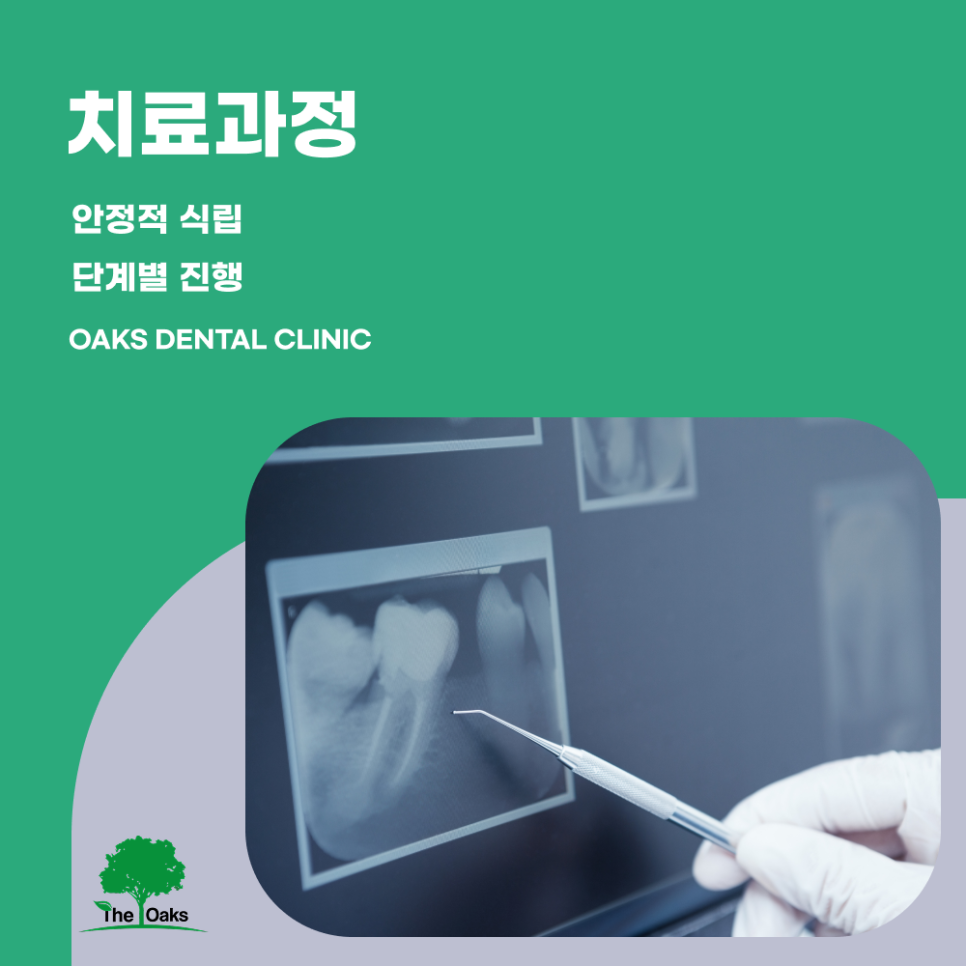
it is a process that requires a step-by-step plan and treatment.
First, a detailed examination is performed to evaluate the condition of the jawbone,
and the extent and method of grafting are determined.
Then, bone grafting is performed in the deficient area using artificial bone or autologous bone.
After a period during which the grafted bone can stabilize,
the implant is placed.
In some cases, the bone graft and implant placement may be performed at the same time.
Differences in Bone Graft Materials and Methods
The materials used for bone grafting are selected in various ways depending on the patient’s condition.
There are several materials, including autograft (the patient’s own bone), allograft, xenograft,
and synthetic bone, each with its own advantages and disadvantages.
When the grafting area is extensive or bone regeneration is especially important,
more stable materials are used.
The dental team recommends the most appropriate method by considering the patient’s gum condition
and the likelihood of recovery.
The Importance of Recovery and Care After Treatment
A bone graft implant may require a somewhat longer recovery period
than a standard implant.
This is because enough healing time is needed
to allow the grafted bone to stabilize properly.
After surgery, it is best to avoid excessive chewing
and refrain from smoking and drinking.
It is also important to prevent inflammation through regular checkups
and thorough oral hygiene management.
Depending on how well it is managed,
the lifespan and stability of the implant can vary greatly.
In Closing...
A bone graft implant goes beyond simple prosthetic treatment;
it is an important process for increasing implant success rates
and protecting long-term oral health.
Because it compensates for insufficient bone and creates a stable foundation,
accurate diagnosis and a systematic plan are especially important.
If you are considering implants,
or have been told that treatment is difficult because of insufficient bone,
we recommend that you visit Segeok-dong Dental Clinic
to have your current condition checked accurately.