Seocho Station Dental Clinic tartar removal: why is regular scaling the first step in protecting your teeth?
Hello.
This is OX Dental Clinic.
When you visit the dentist, one of the most common things you hear is:
“There's a lot of tartar buildup.”
At first glance, it may seem like nothing more than yellowish deposits,
but tartar is an important issue directly connected to gum health.
Today, Seocho Station Dental Clinic will explain why tartar removal is necessary,
what the process involves, and why regular care is important.
How does tartar form?
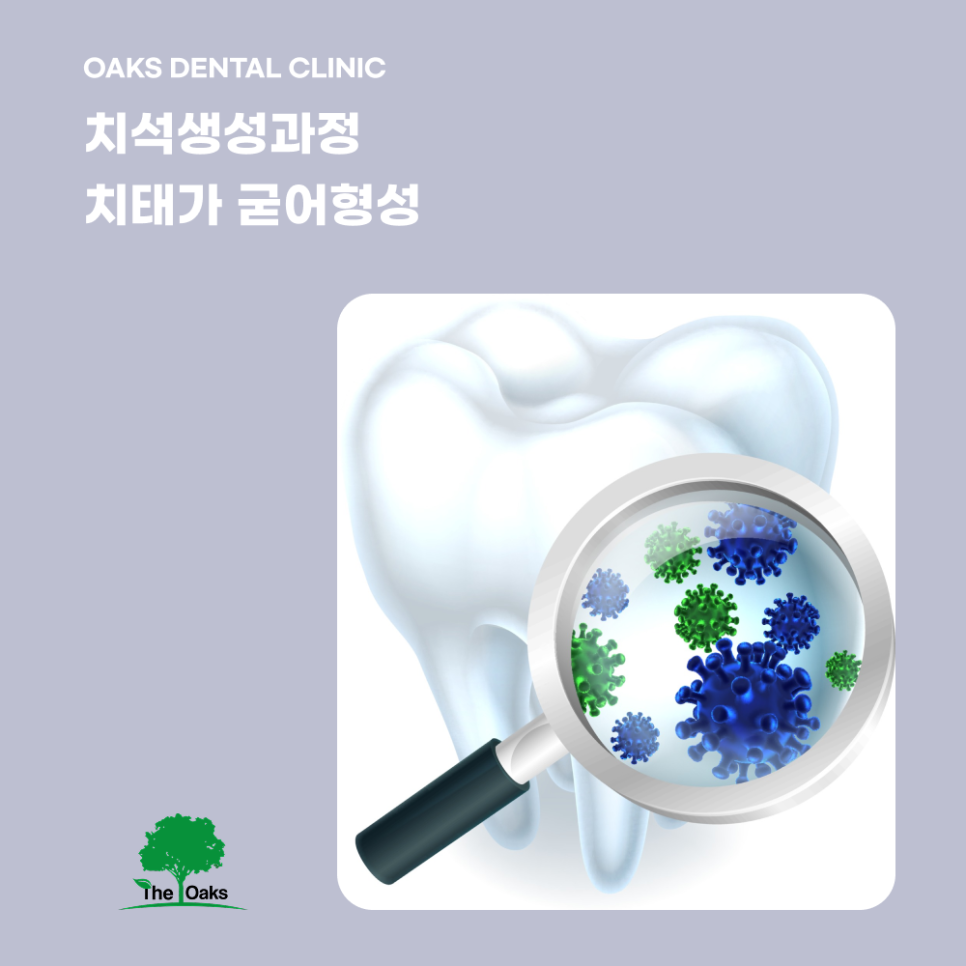
After we eat, plaque forms on tooth surfaces that have not been properly cleaned,
as bacteria and food debris combine.
This plaque is soft, so it can be removed by brushing and flossing.
However, over time, when it combines with minerals in saliva,
it hardens.
That is tartar.
Because tartar has a rough surface, bacteria can stick to it even more easily.
In other words, once it forms, more plaque accumulates on top of it,
creating a vicious cycle that worsens gum inflammation.
Since it cannot be removed on your own,
professional tartar removal is necessary.
How tartar affects the gums
If tartar continues to build up, symptoms such as swollen gums and bleeding may appear.
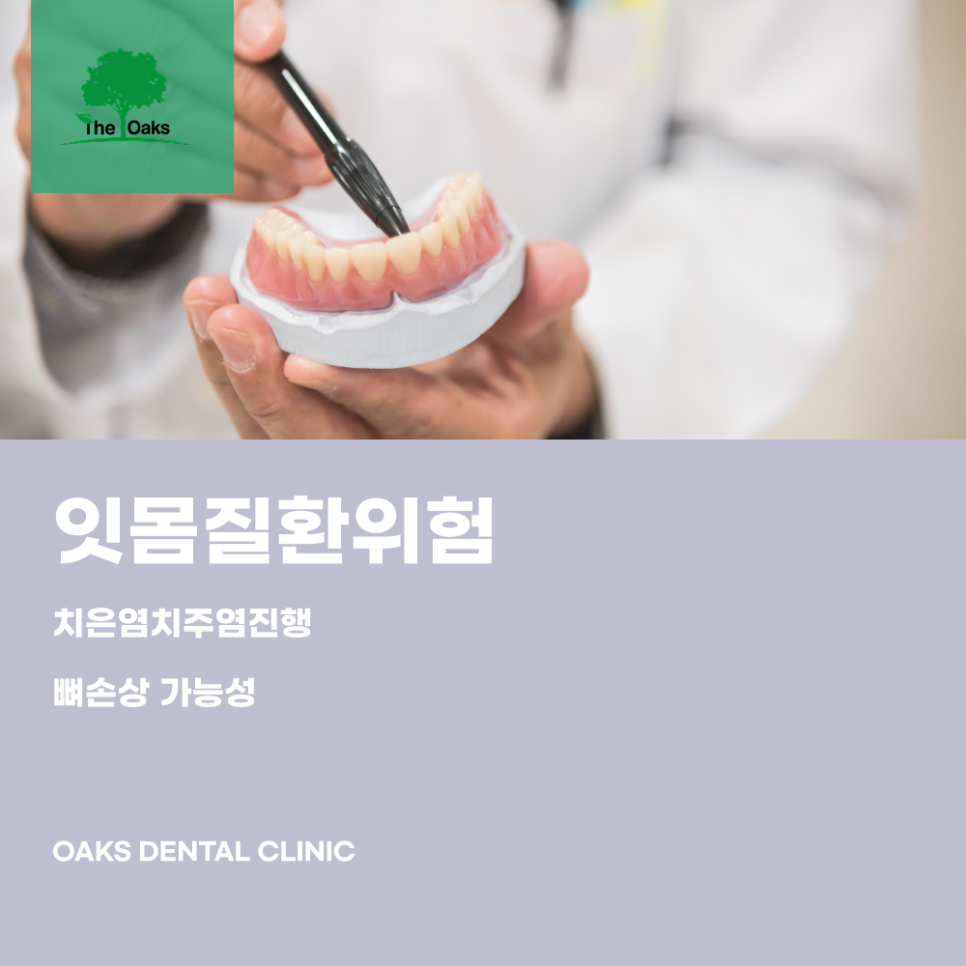
If left untreated, it can progress beyond simple gingivitis to periodontitis.
Periodontitis is a disease that damages not only the gums but also the bone that supports the teeth,
and in severe cases, it can lead to loose teeth or even tooth loss.
In particular, tartar forms not only on visible surfaces but also deep inside the gums.
Even if everything looks fine on the outside, inflammation may be progressing under the gums.
Therefore, even if there are no symptoms, regular checkups and tartar removal are important.
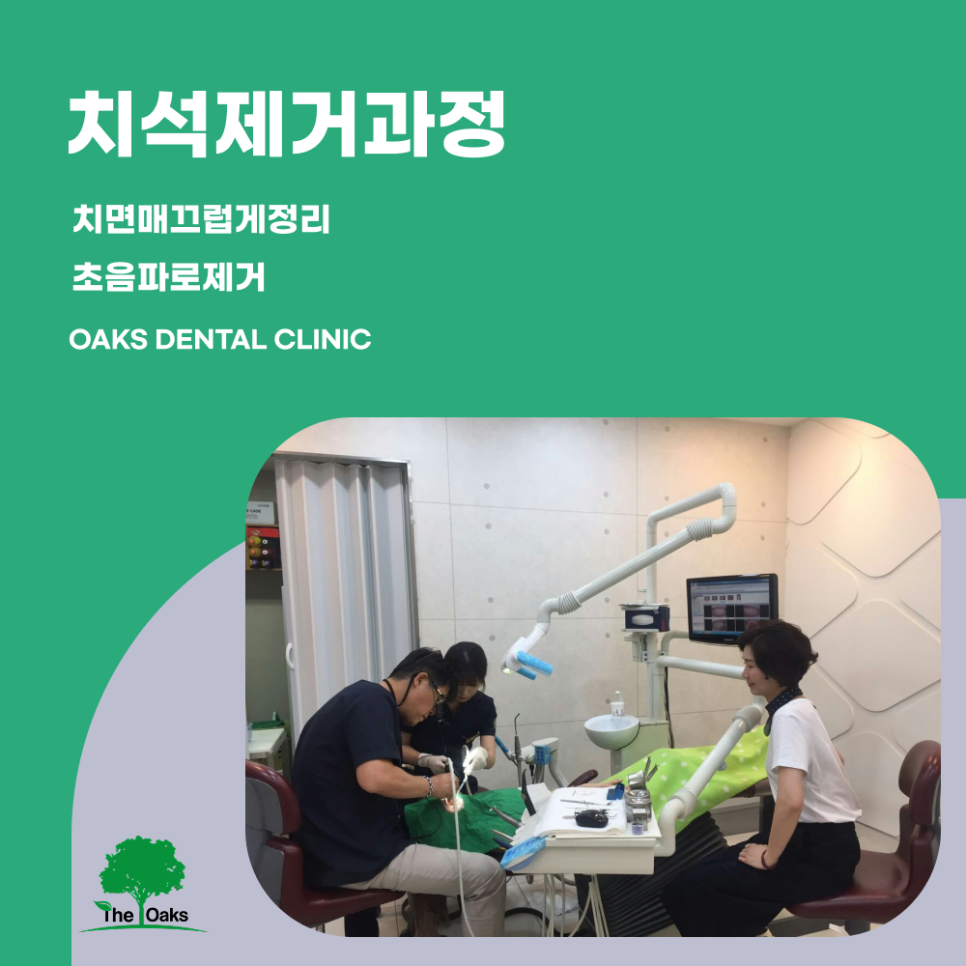
How does tartar removal proceed?
Tartar removal is generally called scaling.
An ultrasonic device is used to remove tartar attached to tooth surfaces and beneath the gums.
It works by using ultrasonic vibrations and a water spray to gently separate firmly attached tartar.
If needed, hand instruments are used to clean detailed areas.
After tartar is removed, the tooth surfaces are polished smooth to reduce the chance of bacteria sticking again.
Treatment time varies depending on the individual's oral condition, but it is usually performed without much burden.
If a lot of tartar has built up and gum inflammation is severe, treatment may be done over multiple visits,
and gum treatment may be performed at the same time.
Why do teeth become sensitive after tartar removal?
Some people experience temporary tooth sensitivity after scaling.
This is a natural reaction that occurs when the tooth surface previously covered by tartar becomes exposed.
In most cases, it improves over time,
and as the gums become healthier, it gradually stabilizes.
Leaving tartar untreated can actually cause bigger problems in the long run,
so delaying treatment because of temporary discomfort is not advisable.
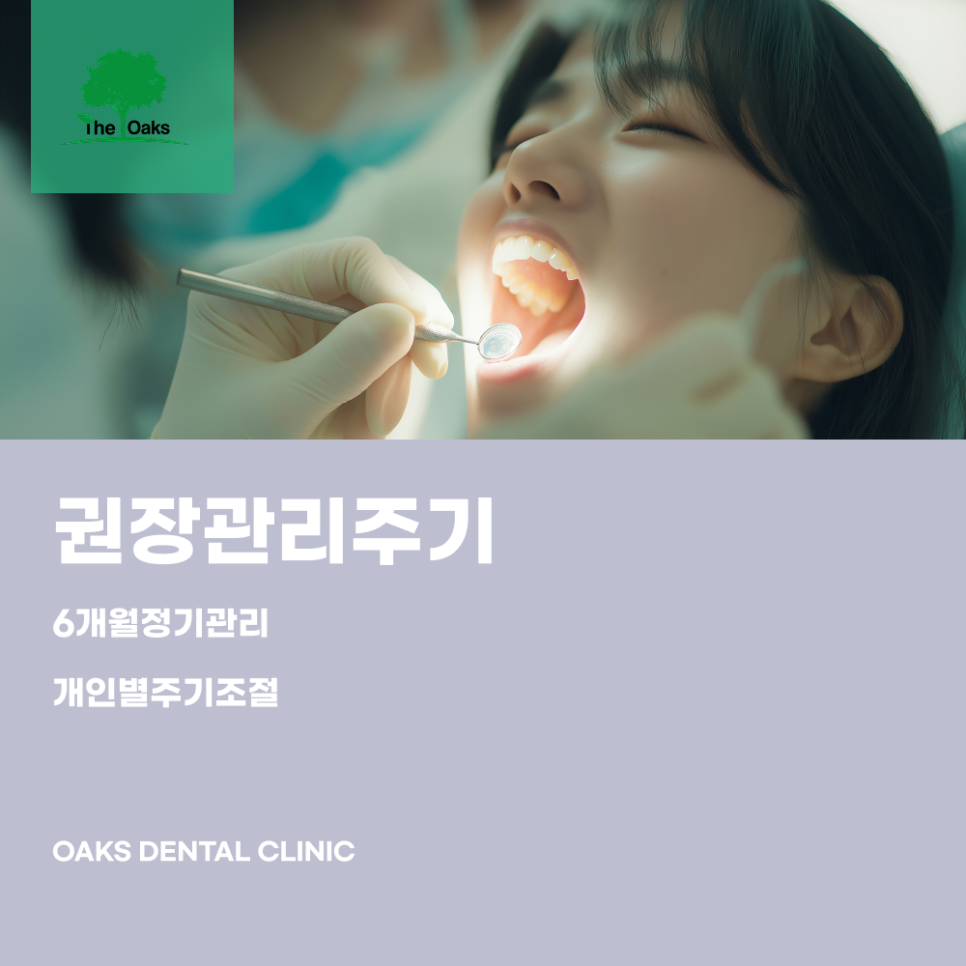
How often should you get it done?
In general, regular tartar removal once every 6 months to 1 year is recommended.
However, if you have gum disease, tend to form tartar easily, or smoke,
you may need care at shorter intervals.
Regular scaling is not simply a cosmetic treatment to make teeth look clean,
but a preventive treatment that helps prevent gum disease and extend the life of your teeth.
Early care can reduce the possibility of needing more extensive treatment later.
In closing...
Tartar removal is the beginning of preventive care
It is the foundation for protecting your teeth and gums,
and an important process that helps prevent future treatments.
With regular care alone, you can help prevent periodontal disease,
tooth loss, and high-cost treatment.
Teeth do not naturally recover once damaged.
However, with consistent care, they can be used well for a long time.
It is important to accurately diagnose your current oral condition
and set a care schedule that is right for you.