Gangnam-gu Dental Clinic prosthodontic treatment: How to restore damaged teeth for both function and aesthetics!
Hello.
This is Oaks Dental Clinic.
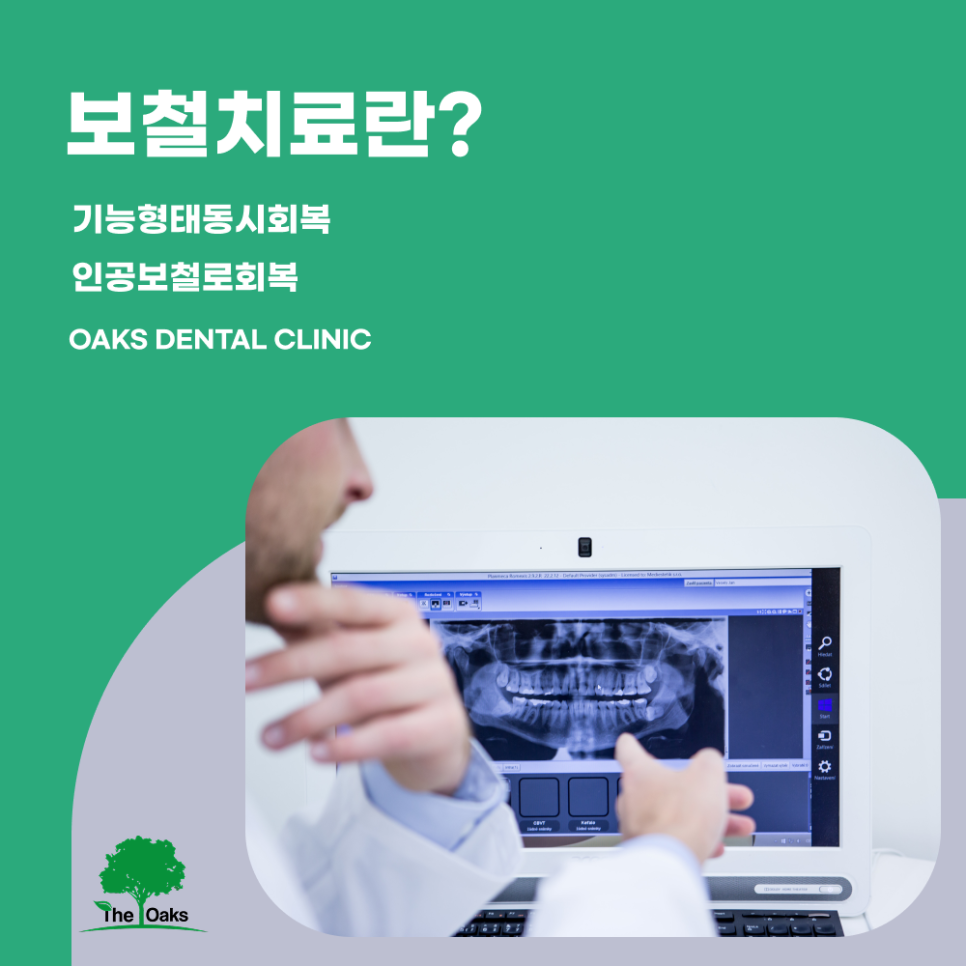
When a tooth has been weakened by decay, trauma, or after root canal treatment,
you may have heard the advice that it needs to be “covered.”
The treatment performed in such cases is
prosthodontic treatment.
Prosthodontic treatment is not simply a process of covering a tooth; it is an important treatment that restores the function of a damaged tooth and rebalances the overall harmony of the mouth.
Today, we will explain what prosthodontic treatment is,
when it is needed, and how the treatment process
is carried out at the Gangnam-gu dental clinic.
What is prosthodontic treatment?
Prosthodontic treatment refers to the treatment of restoring damaged or missing teeth with artificial prostheses.
It is performed to restore function and shape when a tooth is partially broken, structurally weakened after root canal treatment, or missing.
Typical examples include crowns, bridges,
inlays/onlays, dentures, and implant
prostheses.
The appropriate method is selected based on the patient’s dental condition and the extent of the damage.
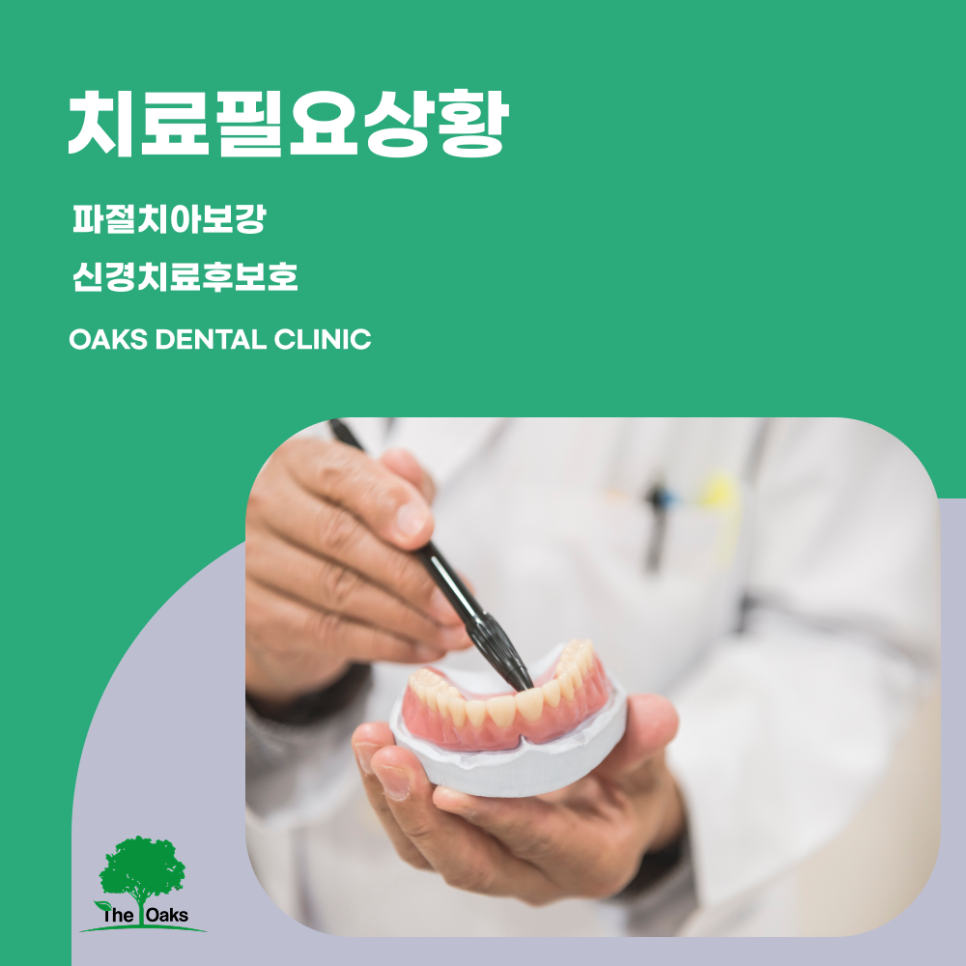
These are cases where prosthodontic treatment is needed
✔ When the area of decay is extensive and the tooth has been
significantly damaged
✔ When the tooth has become weak after root canal treatment
✔ When a tooth is fractured or cracked
✔ When a tooth has been extracted and functional restoration is
needed
Once a tooth is severely damaged,
it does not naturally return to its original state.
In particular, teeth that have undergone root canal treatment become even weaker because the supply of moisture and nutrients decreases, so protection is necessary.
At this point, prosthodontic treatment covers the tooth and serves to protect it from external impact and bacterial invasion.
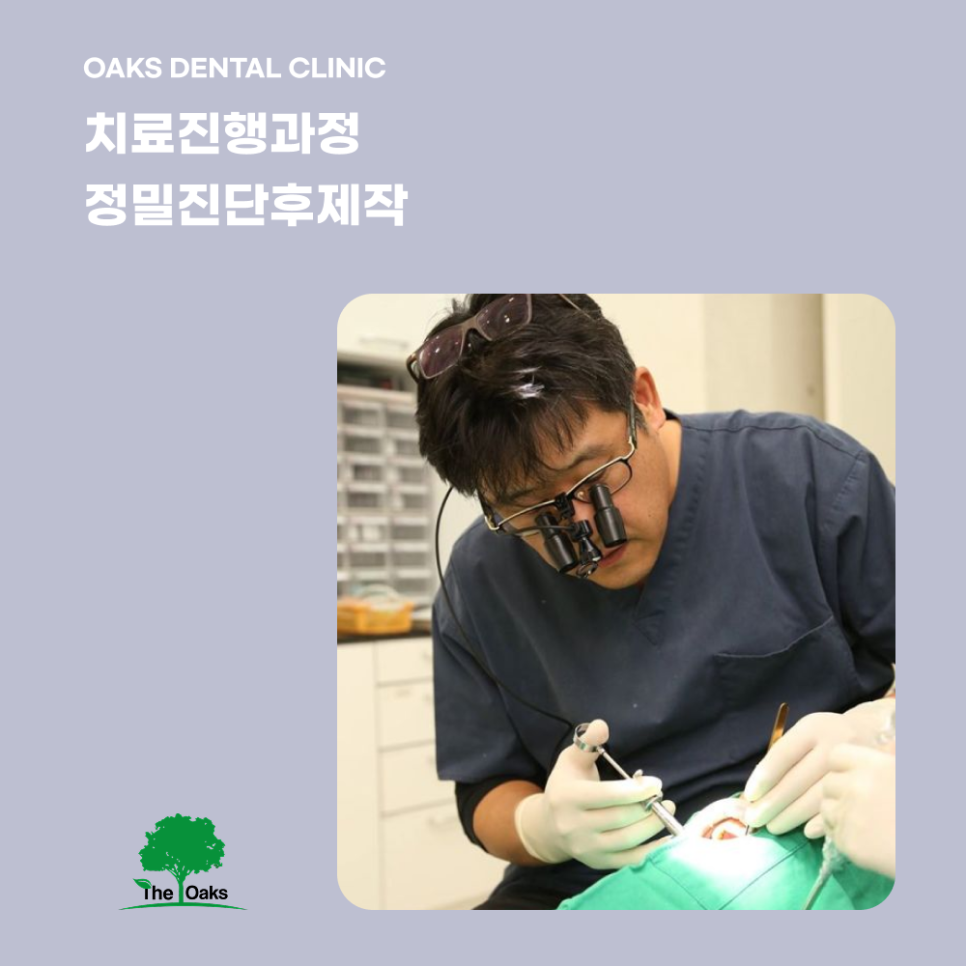
How does the prosthodontic treatment process proceed?
Prosthodontic treatment starts with a precise diagnosis.
Through X-rays and oral examination,
the condition of the tooth roots, gum health, and occlusion are checked.
Next, the damaged tooth is shaped and
the form is adjusted so the prosthesis can fit accurately.
An impression is taken or an oral scanner is used to create a tooth model,
and a prosthesis that suits the patient is fabricated.
Recently, digital equipment has also been used to increase precision and reduce errors.
Once the prosthesis is completed, it is tried in, the occlusion is adjusted, and it is finally bonded in place.
In this process, balancing the biting force is important.
If the occlusion does not fit properly, it can place stress on the temporomandibular joint or other teeth.
Types and characteristics of prostheses
Prostheses come in a variety of options depending on the material.
Zirconia crown
High strength and excellent aesthetics
Gold crown
Highly durable and low risk of fracture
PFM (porcelain-fused-to-metal crown)
Porcelain is layered over metal to complement strength and aesthetics
Resin inlay
Suitable for relatively simple partial restorations
Since each material has its own advantages and disadvantages,
the choice should be made by comprehensively considering the tooth’s location, occlusal force, and aesthetic requirements.
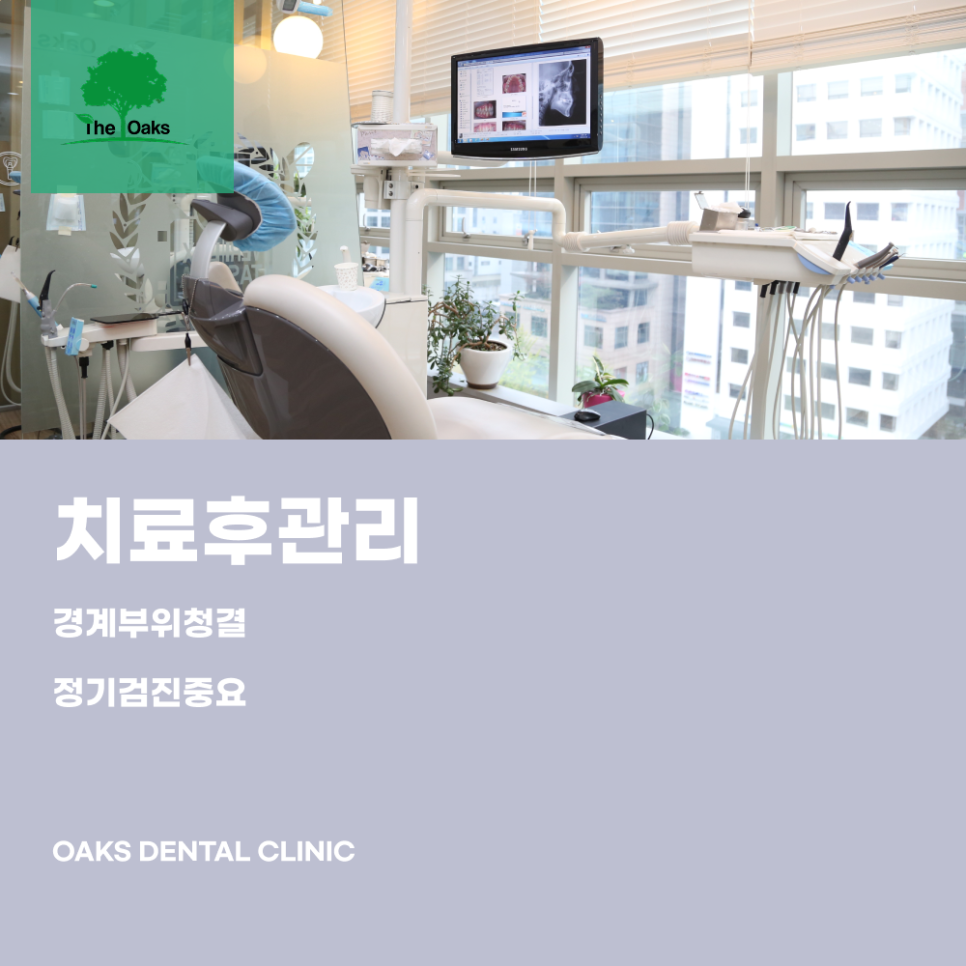
Care after prosthodontic treatment is important
Just because a prosthesis has been placed does not mean the care is over.
In fact, more careful management is needed.
If bacteria enter the border area between the prosthesis and the tooth, secondary decay can occur.
It is important to regularly check the fit of the prosthesis and the condition of the gums through routine examinations,
and to care for the area thoroughly using dental floss or interdental brushes.
In particular, in the case of a bridge, the area below the connected section should be cleaned well to help prevent gum inflammation.
In conclusion...
Prosthodontic treatment is not simply a treatment that covers a damaged tooth.
It is a process that protects weakened teeth, restores chewing function, and regains balance in oral health.
If treatment is received at the right time, it can extend the life of the tooth and help prevent more extensive treatment.
Teeth are important organs of the body that we use throughout our lives.
Accurately diagnosing the current condition and establishing a prosthodontic treatment plan that fits the individual’s oral environment is more important than anything else.
If you are experiencing discomfort due to damaged teeth, please receive an accurate consultation and be guided toward the appropriate treatment plan.