Gangnam Station Dental Clinic gum inflammation, an early sign you shouldn’t brush off!
Hello.
This is Oks Dental Clinic.

Have you ever experienced bleeding when brushing your teeth,
or gums that are swollen and throbbing?
Many people think these are temporary symptoms
and tend to brush them off.
However, these changes may be early signs of gum inflammation.
Gum disease often progresses slowly without pain,
so early management is especially important.
Today, Gangnam Station Dental Clinic will explain
why gum inflammation occurs, how it progresses, and how
to manage it.
Why does gum inflammation occur?
The biggest causes of gum inflammation are
plaque and tartar.
When bacterial film that is not properly removed after eating
accumulates on the tooth surface and at the
gum line, it triggers an inflammatory response.
In the early stages, it begins as gingivitis,
where the gums turn red and bleed easily.
At this stage, recovery is possible with relatively simple
scaling and proper oral
care.
However, if it is not managed,
the inflammation can spread deeper into the gum tissue
and progress to periodontitis.
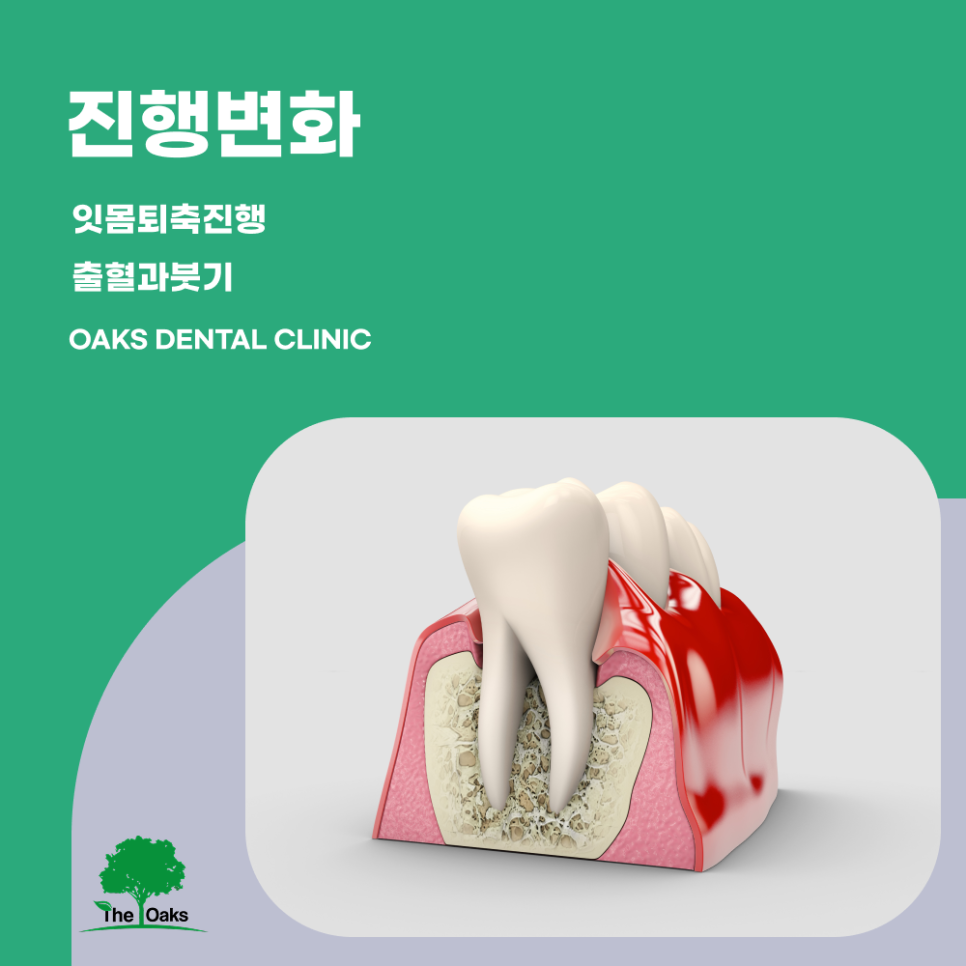
Changes that occur as gum inflammation progresses
In the early stages, it may appear as bleeding when brushing and mild
swelling,
but gradually the gums may recede,
and the teeth may look longer.
Persistent bad breath or a feeling that the spaces
between teeth are widening may also occur.
If it progresses to periodontitis, the jawbone
can be damaged, causing teeth to become loose,
and in severe cases, it can lead to a situation where extraction is necessary.
Because pain is often not severe,
detection is frequently delayed.
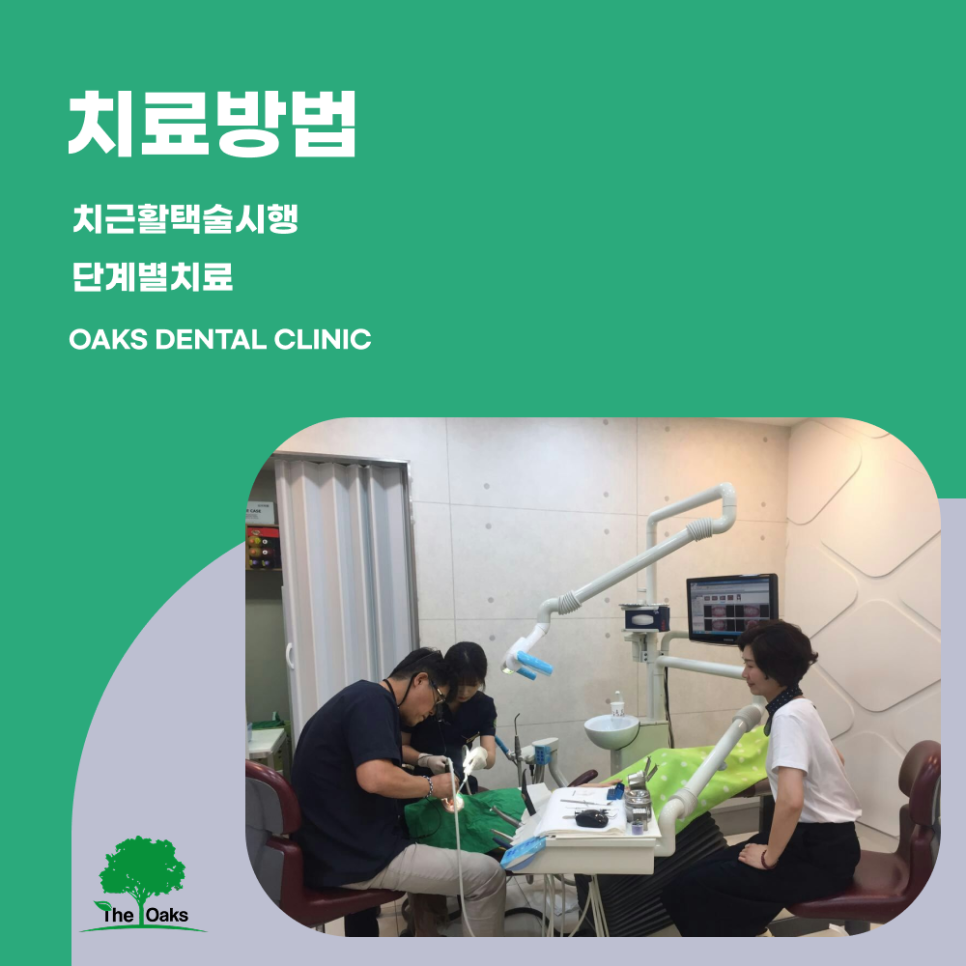
How is gum inflammation treated?
Treatment varies depending on
the stage of inflammation.
In the gingivitis stage, scaling is used to
remove tartar and bacterial film,
and proper brushing methods are explained.
The condition is then monitored to see whether the gums improve.
In the periodontitis stage, inflammation in deeper areas
needs to be removed.
Through gum treatments such as root planing,
bacteria attached to the surface of the tooth roots are removed.
If necessary, additional periodontal surgery may
be considered.
The important point is that it is not simply a one-time treatment;
regular maintenance must absolutely be carried out
alongside it.
Problems caused by leaving gum inflammation untreated
The gums are the tissue that supports the teeth.
If inflammation continues, not only the gums but also
the alveolar bone can be damaged, weakening the support
that holds the teeth in place.
As a result, teeth may become loose
or shift, and bite imbalance can occur.
There are also reports that gum disease is associated with
overall health.
A chronic inflammatory state requires caution even from the perspective
of general health management.
Therefore, rather than dismissing it as a simple bleeding symptom,
it is important to receive an accurate diagnosis.
Lifestyle habits for prevention
The foundation of preventing gum inflammation is
proper brushing.
At least twice a day, you should gently clean the area where the gums and teeth meet.
It is also important to use dental floss or interdental brushes
to remove bacterial film between the teeth.
Regular dental checkups and scaling are essential.
Depending on an individual’s oral condition, management may be needed every 6 months
or at a shorter interval.
Smoking can reduce blood flow to the gums
and worsen inflammation, so caution is needed.
In closing...
Gum inflammation is a common condition that can occur in anyone, but it is by no means
a problem that can be taken lightly.
It is important not to miss the period when recovery is still possible
with early management alone.
To keep your teeth healthy for a long time,
gum health must be the foundation.
It is necessary to accurately diagnose your current gum condition
and establish a management plan tailored to you.