Gangnam Dental Clinic Implant Placement: Complete Reconstruction of Missing Teeth for a New Quality of Life!
Hello.
This is Oks Dental Clinic.
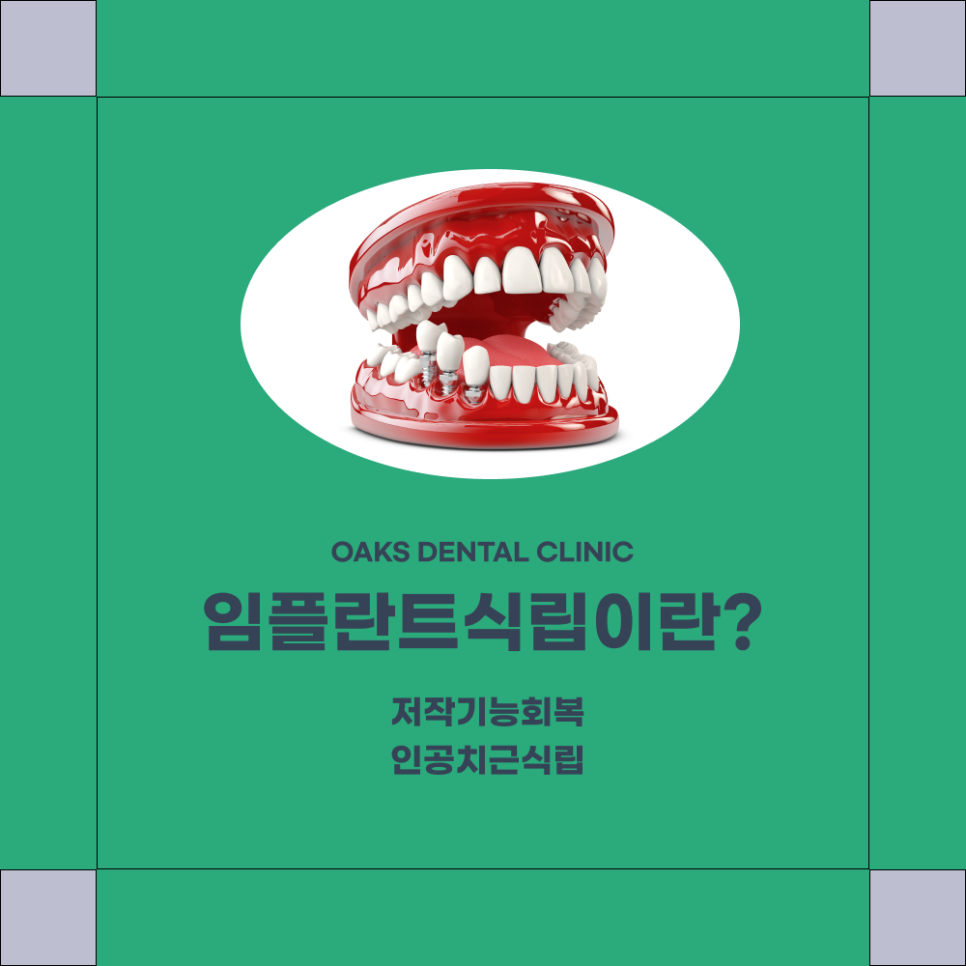
When you lose a tooth, it is not simply
a matter of one missing tooth,
but it can also lead to reduced chewing function, movement of surrounding teeth,
and an imbalance in the bite.
In the past, bridges and dentures were the main
treatment methods, but today,
implant placement, which can provide functions similar to
natural teeth, has become a common treatment.
Today, Gangnam Dental Clinic will explain what implant placement is,
what process it goes through,
and what should be considered during treatment.
What is implant placement?
An implant is a treatment that restores tooth
function by placing an artificial root that serves
as a tooth root into the jawbone,
then connecting a prosthesis on top of it.
It usually involves inserting a titanium artificial structure
into the jawbone, allowing it to undergo an osseointegration process
before the final prosthesis is attached.
Because it has an independent structure similar to
natural teeth, one major advantage is that
adjacent teeth do not need to be shaved down.
It also restores chewing force relatively stably,
making everyday meals possible.
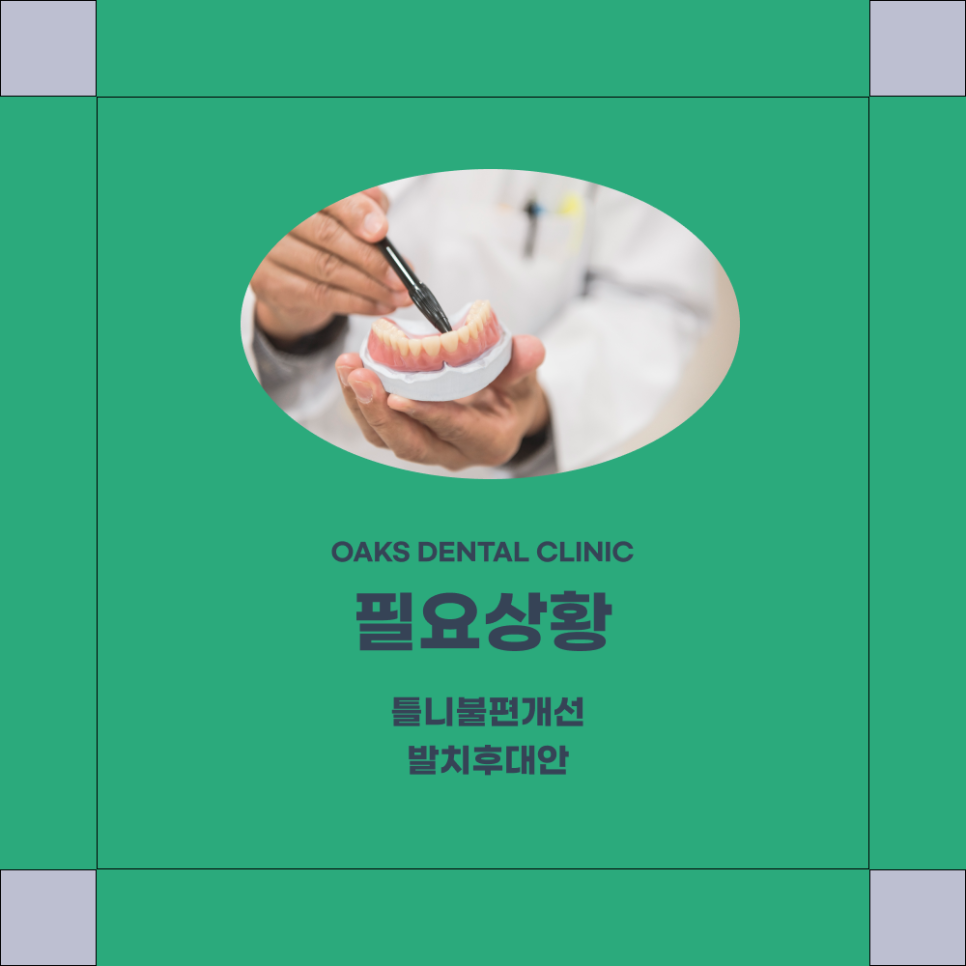
In these cases, implants are considered
✔ When a tooth has been extracted
✔ When a tooth has been lost due to periodontal disease
✔ When a tooth has been damaged by trauma
✔ When existing dentures are uncomfortable to use
If tooth loss is left untreated for a long time,
the surrounding teeth may tilt, or the opposing
tooth on the opposite side may descend.
Also, as the jawbone is gradually resorbed,
future treatment may become more complicated,
so treatment at the appropriate time is important.
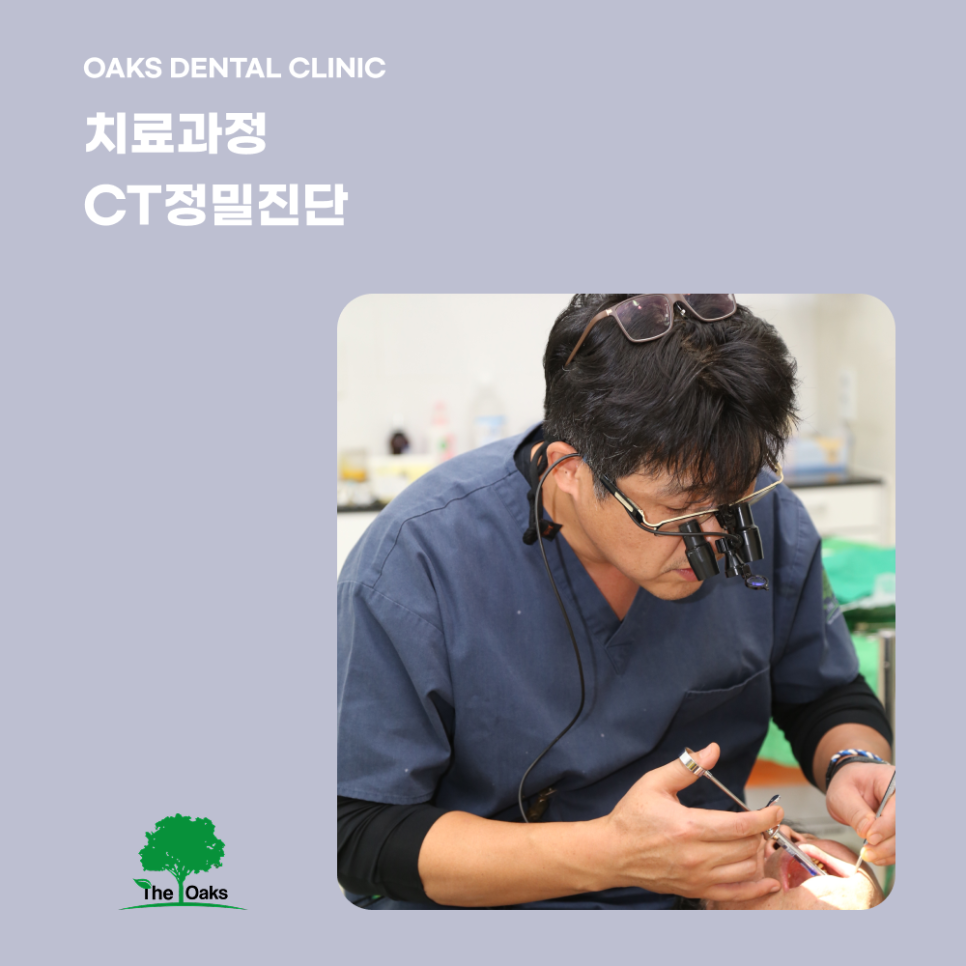
How is the implant placement process carried out?
First, a precise diagnosis is performed.
Along with checking the oral condition, a 3D CT scan is used to
analyze the height and width of the jawbone and the location of nerves.
Based on this, the placement position and angle are planned.
Afterward, under local anesthesia, the artificial root is
placed into the jawbone.
After placement, a period of osseointegration is needed for the bone and implant to bond firmly.
In general, this takes several months,
and the duration varies depending on the individual’s bone condition.
Once osseointegration is complete, an abutment is connected,
and the final prosthesis is fabricated and attached.
During this process, the bite is finely adjusted so that chewing force is distributed evenly.
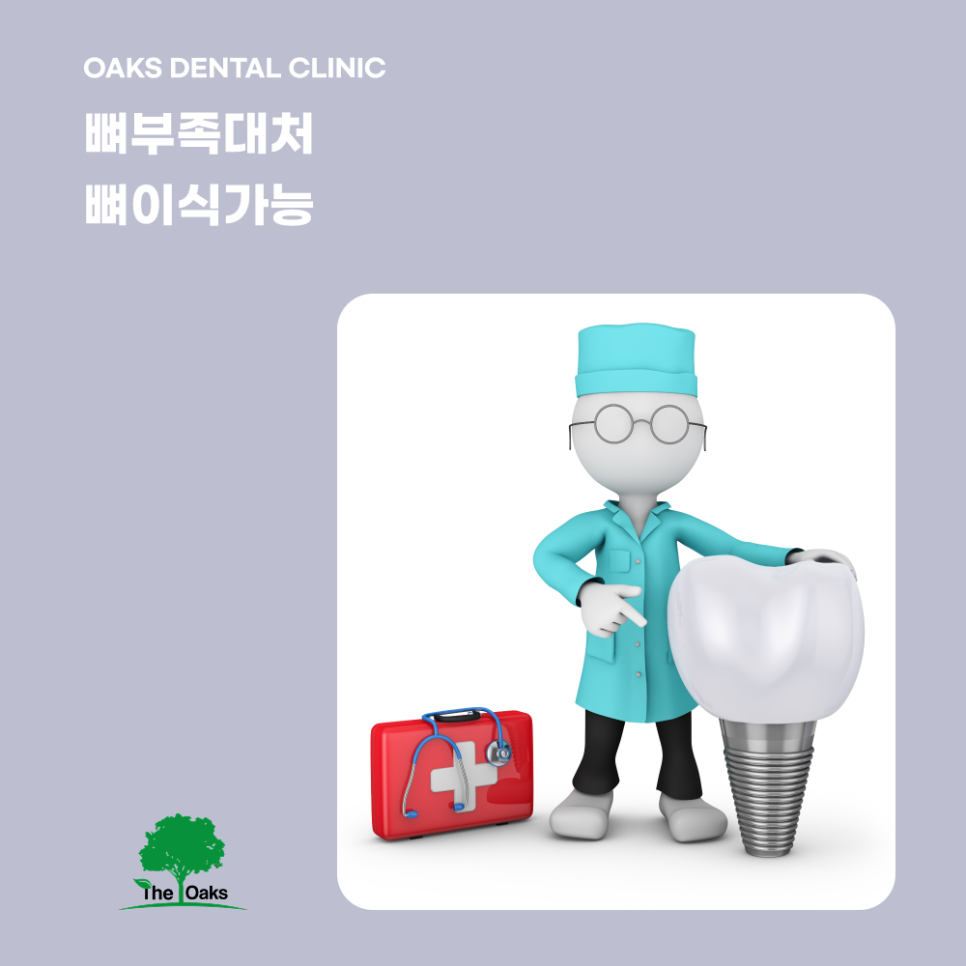
What if there is not enough jawbone?
If a tooth has been missing for a long time, there may not be
enough jawbone.
In such cases, additional procedures such as bone grafting or a sinus lift may be necessary.
This is because sufficient bone volume and density are needed
for long-term implant stability.
Through a precise diagnosis, the bone condition is assessed,
and if necessary, a step-by-step treatment plan is established.
Forced placement can increase the likelihood of failure,
so safety must be prioritized.

Implant lifespan and maintenance
If properly maintained, implants can be used
for a long time.
However, just like natural teeth,
insufficient care can lead to peri-implantitis.
This is a condition that starts with gum inflammation and can
progress to bone loss.
Therefore, regular checkups and scaling are important after placement.
You should carefully clean around the prosthesis using dental floss,
interdental brushes, and similar tools, and smoking can
have a negative effect on prognosis, so caution is needed.
In closing...
Implant placement is an effective treatment method
that can functionally restore missing teeth.
However, because the treatment process and recovery period are necessary,
sufficient consultation and an accurate diagnosis must come first.
If you are experiencing discomfort due to tooth loss,
the first step is to accurately understand your current oral condition.
If treatment is carried out at the appropriate time,
it helps maintain long-term oral health.