Cheongdam-dong Dental Clinic: If periodontitis symptoms are left untreated, dental health can be affected.
Hello.
This is Oaks Dental Clinic.
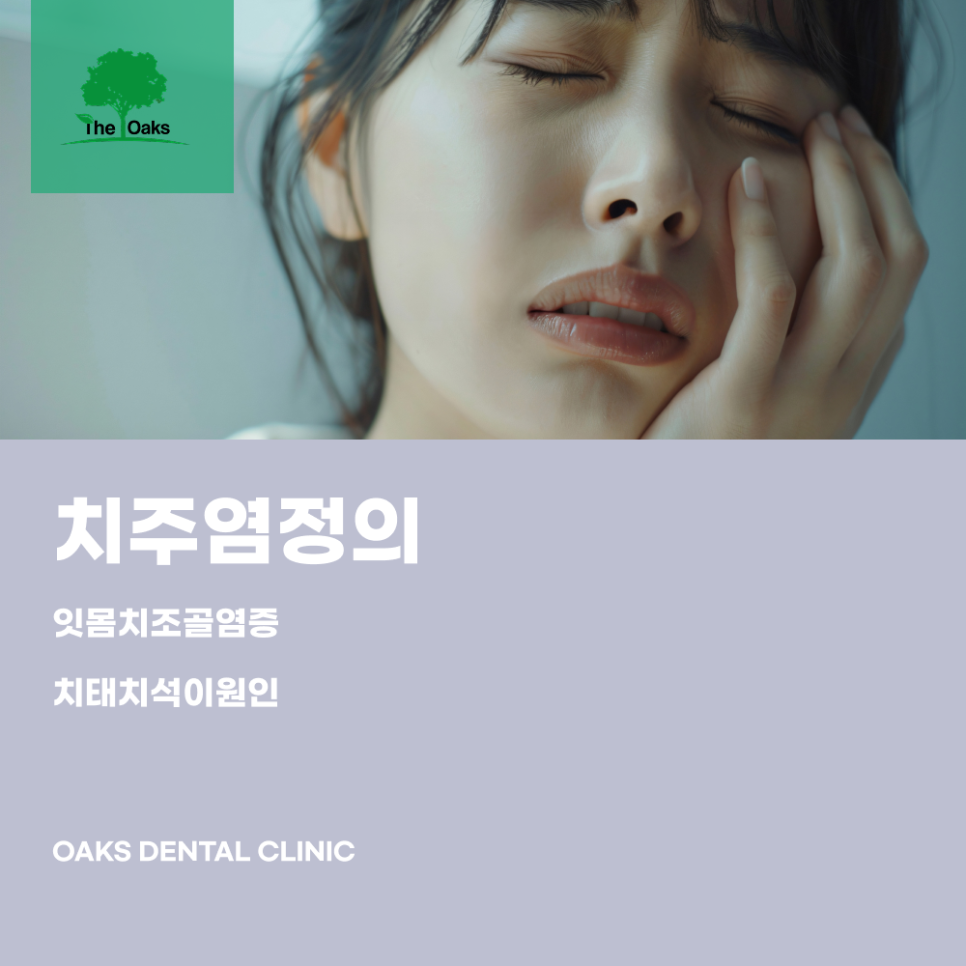
Have you ever experienced bleeding gums or swollen gums when brushing your teeth?
Many people think these symptoms are just temporary and do not pay much attention to them.
However, these changes may be a sign that periodontitis has begun.
Periodontitis is a condition in which inflammation occurs in the gums and jawbone, and while symptoms are not severe at first, as it progresses, the tissues that support the teeth can also be damaged.
Today, Cheongdam-dong Dental Clinic will explain what periodontitis symptoms are, why they occur, and how they should be managed.
What is periodontitis?
Periodontitis is a disease in which inflammation occurs in the gums and alveolar bone that support the teeth.
In most cases, it begins due to plaque and tartar.
When bacterial film that has not been properly removed after eating accumulates on the tooth surface and at the gum line, it causes an inflammatory reaction.
In the early stage, it begins as gingivitis, where inflammation occurs only in the gums.
At this stage, the gums may become red and bleeding may occur when brushing.
This is a stage where recovery is still possible with relatively simple scaling and oral care alone.
However, if it is not managed, the inflammation gradually spreads to deeper tissues and progresses to periodontitis.
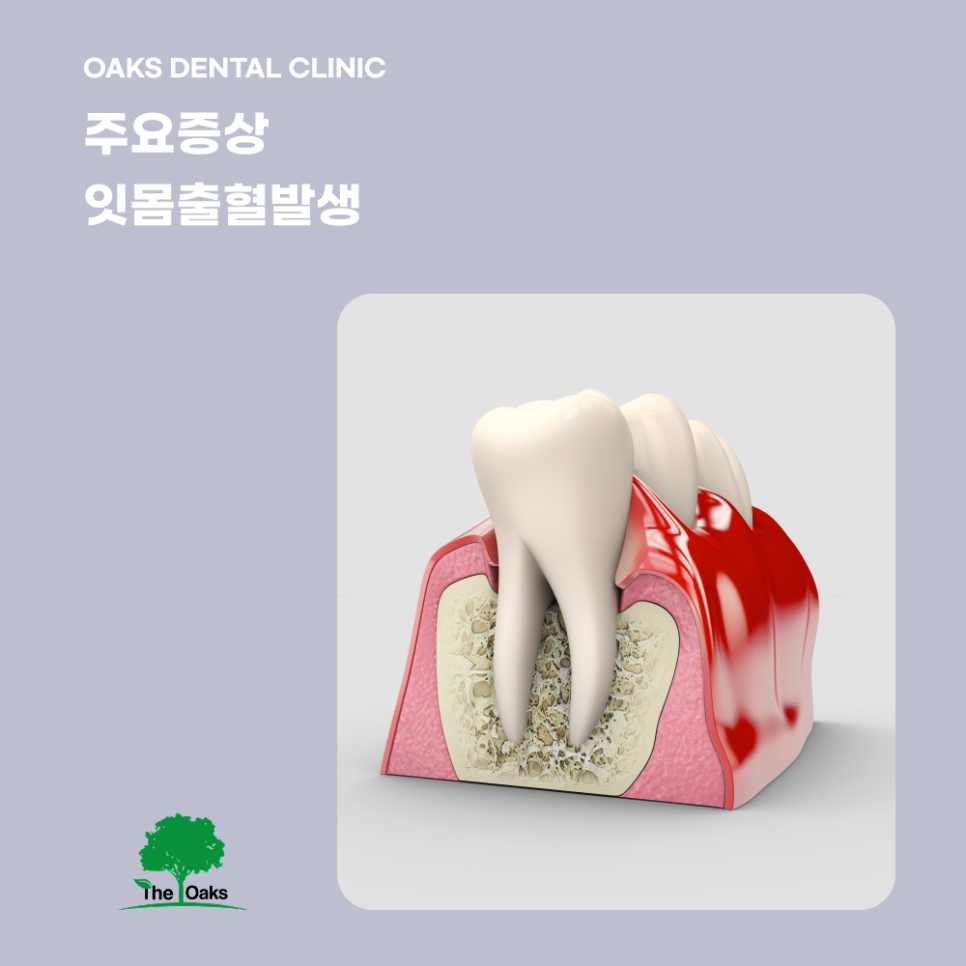
Typical symptoms of periodontitis
Periodontitis can appear with various symptoms.
One of the most common symptoms is bleeding gums.
Swelling or redness of the gums may also occur.
Persistent bad breath can also be a sign of periodontitis.
As periodontitis progresses further, the gums gradually recede, making the teeth appear longer.
As the jawbone becomes damaged, you may also feel that the teeth are loose.
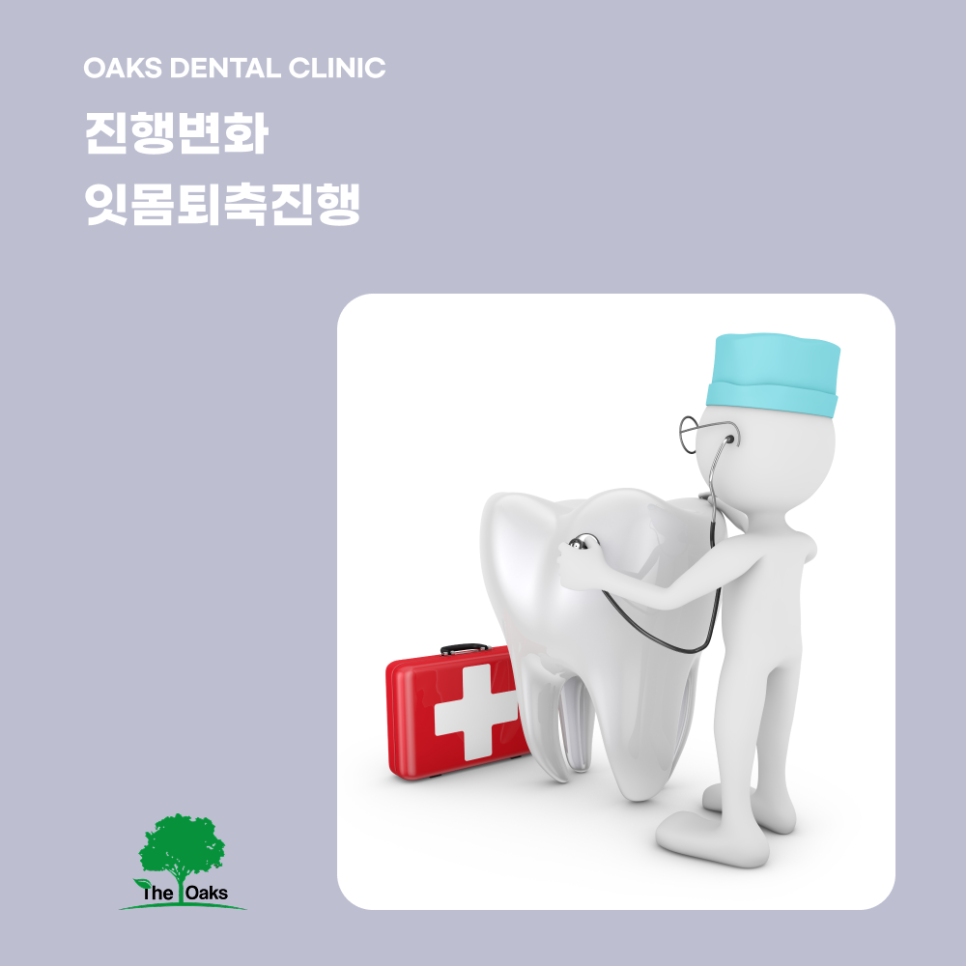
Changes that occur as periodontitis progresses
Periodontitis can gradually worsen over time.
If inflammation continues, the gums and alveolar bone become damaged, weakening the support that holds the teeth in place.
As a result, the teeth may become loose or shift, and you may feel spaces opening between the teeth.
In severe cases, it can become difficult to keep the teeth, leading to a situation where extraction is necessary.
In particular, periodontitis often does not cause much pain, so diagnosis may be delayed.
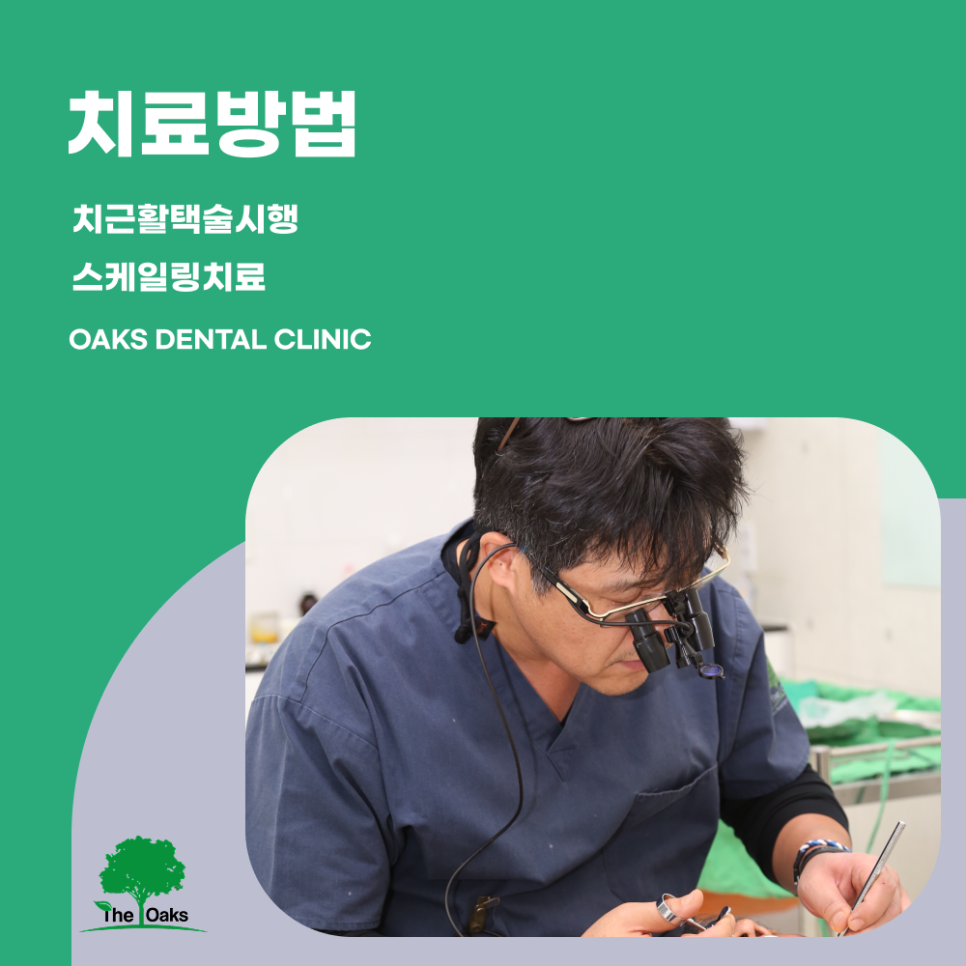
How periodontitis is treated
Treatment for periodontitis varies depending on the degree of inflammation.
In the early stage, treatment is carried out to improve gum health by removing tartar and bacterial film through scaling.
If the inflammation has progressed to deeper areas, gum treatment such as root planing may be necessary.
This treatment removes bacteria and inflammatory tissue attached to the root surface of the tooth.
If periodontitis has progressed further, periodontal surgery may be necessary.
This is a process of opening the gums, removing inflammation in deeper areas, and restoring gum tissue.
Because periodontal disease can recur, regular management is very important.
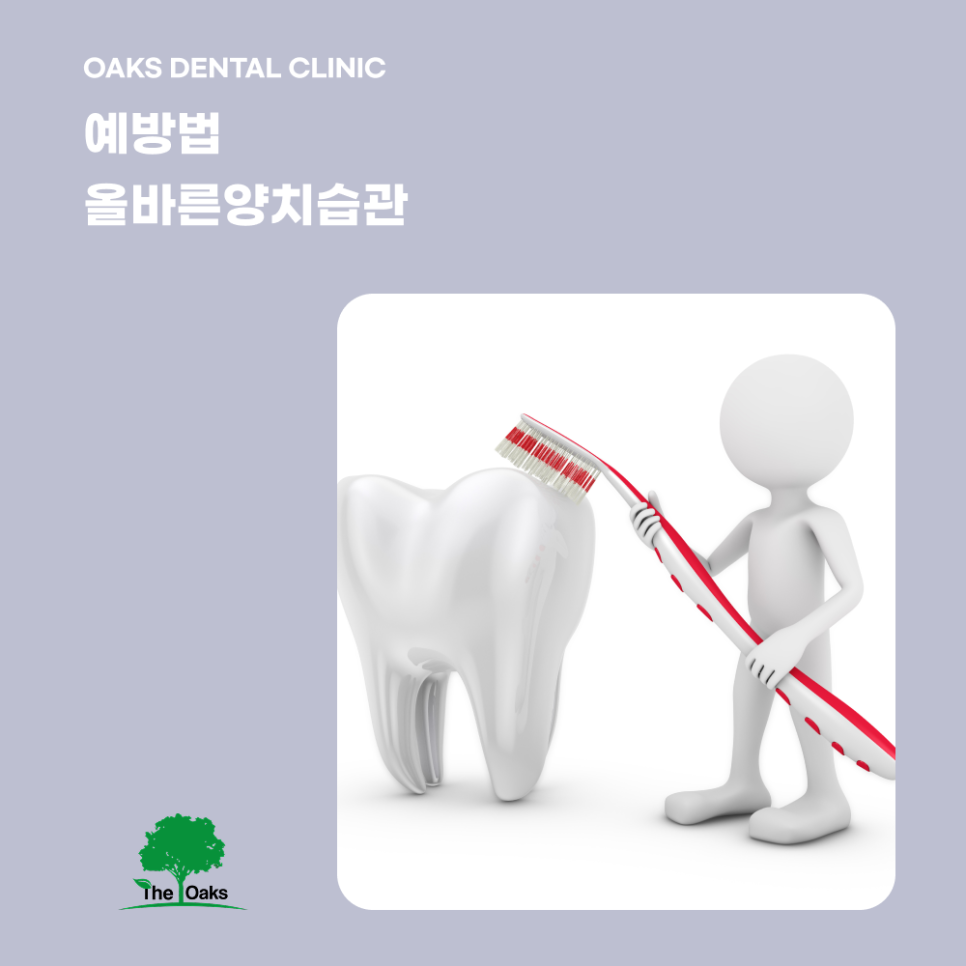
How to care for and prevent periodontitis
To prevent periodontitis, proper oral care habits are necessary.
The most basic step is correct tooth brushing.
It is important to gently brush the teeth and the gum line at least twice a day.
Using dental floss or interdental brushes to remove what remains between the teeth is also helpful.
It is also necessary to remove tartar and check gum health through regular dental checkups and scaling.
Depending on an individual's oral condition, management may be provided every six months or at even shorter intervals.
Smoking is also one of the risk factors for periodontitis.
Smoking reduces blood flow to the gums and can delay inflammation recovery, so caution is needed.
In closing...
Periodontitis is a relatively common gum disease, but if left untreated, it can damage the tissues that support the teeth.
In particular, because there is often no significant pain in the early stage, it is important not to dismiss the symptoms lightly.
If small changes such as bleeding gums or swollen gums when brushing appear, it is necessary to check the health of the gums.
If managed early, gum health can be restored with relatively simple treatment.