Samsung-dong Dental Clinic Health Insurance Implant: How to Restore Dental Function While Reducing the Burden!
Hello.
This is Oks Dental Clinic.
When teeth are lost, it can affect not only the ability to chew food,
but also pronunciation, facial shape,
and overall oral health in various ways.
In the past, when teeth were lost, dentures or
bridge treatment were mainly performed,
but recently implant treatment,
which can restore functions similar to natural teeth,
has been widely carried out.
However, because implants are a treatment that
comes with a relatively high cost burden,
there are many people who hesitate about treatment.
The system implemented to reduce this burden
is the Health Insurance Implant.
Today, we will explain what a Health Insurance Implant is
and how the treatment process proceeds,
from Samsung-dong Dental Clinic.
What Is a Health Insurance Implant?
A Health Insurance Implant
is a system that can reduce the burden of implant treatment costs
by receiving support from the National Health Insurance
when certain conditions are met.
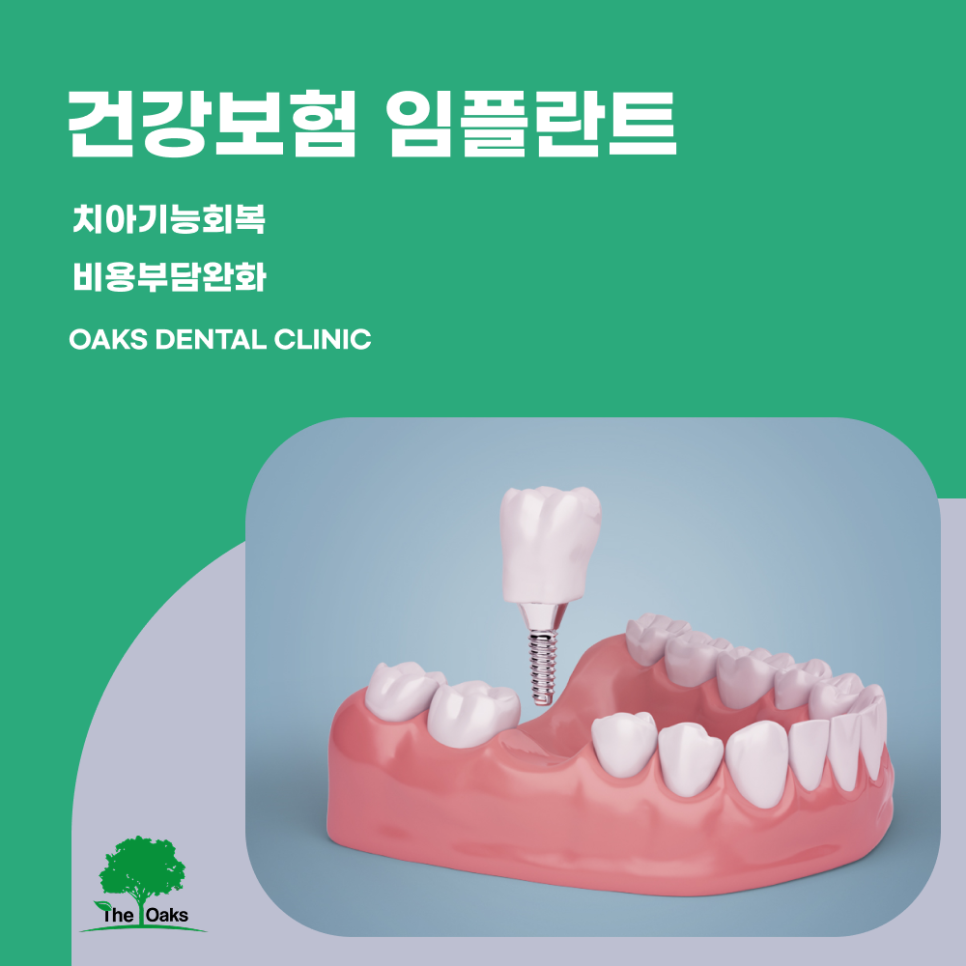
An implant is a treatment that restores dental function
by placing an artificial root in the jawbone
where a tooth has been lost
and connecting a prosthesis on top of it.
It can provide chewing function similar to natural teeth,
and has the advantage that the adjacent teeth
do not need to be reduced.
With the application of the health insurance system,
more people than in the past have been able to consider
implant treatment,
and it is especially being used as a treatment that
helps restore dental function in older adults.

Eligibility for Health Insurance Implants
Health Insurance Implants
do not apply to every case,
and there are certain criteria.
Currently, health insurance applies to patients aged 65 or older.
It also applies only in cases of partial tooth loss,
and does not apply in cases of complete edentulism.
There is also a limit on the number of implants
that can be covered for a lifetime.
In general, health insurance coverage applies to up to two implants
per person for life.
Because the scope of coverage and the conditions
may vary depending on the individual’s oral condition
and insurance criteria,
a precise check is necessary.
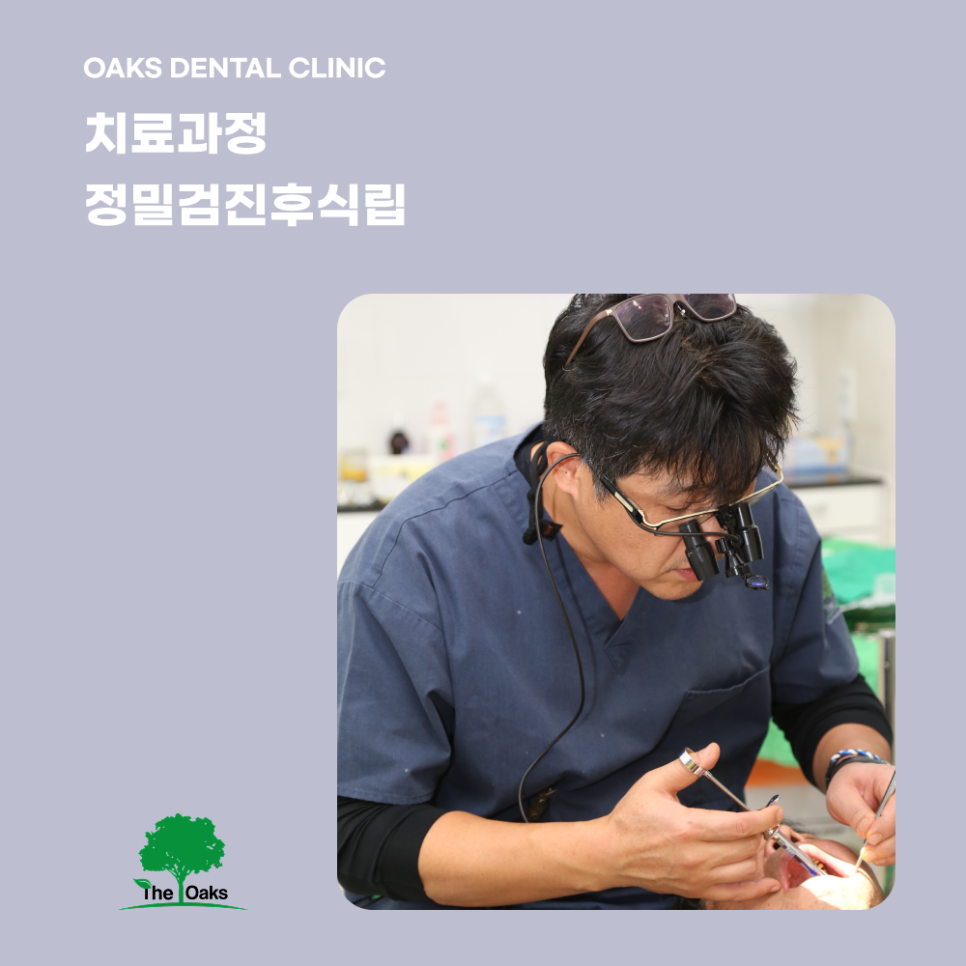
Health Insurance Implant Treatment Process
A Health Insurance Implant, like a regular implant,
proceeds through a systematic treatment process.
First, there is an examination step to accurately
check the condition of the mouth.
X-rays or CT scans are taken to assess the condition of the gums
and the amount of alveolar bone,
and based on this, the implant placement position
and treatment plan are established.
The next step is implant placement.
After local anesthesia, the gums are opened
and the artificial root is placed into the jawbone.
The placed implant then goes through an osseointegration process,
where it bonds with the bone over a certain period.
This process varies depending on the individual’s bone condition,
but generally requires several months.
After osseointegration has been stably achieved,
the abutment is connected
and the prosthesis is attached on top of it.
Ultimately, the shape and function similar to natural teeth
are restored.
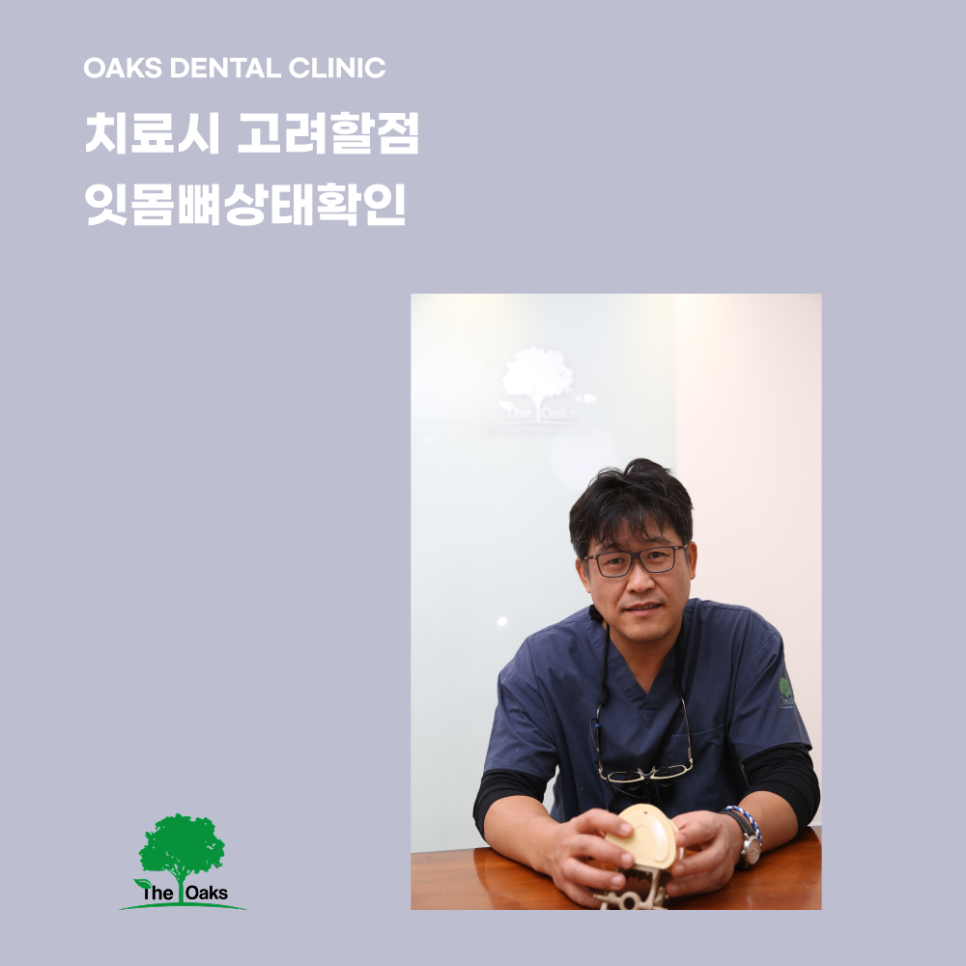
Things to Consider During Implant Treatment
Even when proceeding with a Health Insurance Implant,
there are several important factors.
First, the condition of the gums and jawbone.
Because implants are placed into the jawbone,
an adequate amount of bone and healthy gum tissue are important.
If the jawbone is insufficient,
additional treatment such as bone grafting may be necessary.
Overall health status must also be considered.
If there are chronic diseases such as diabetes or cardiovascular disease,
careful review is needed when setting the treatment plan.
Above all, what is most important
is an accurate diagnosis and a personalized treatment plan.
Because each patient has a different oral structure and gum condition,
treatment must be carried out accordingly to expect stable results.
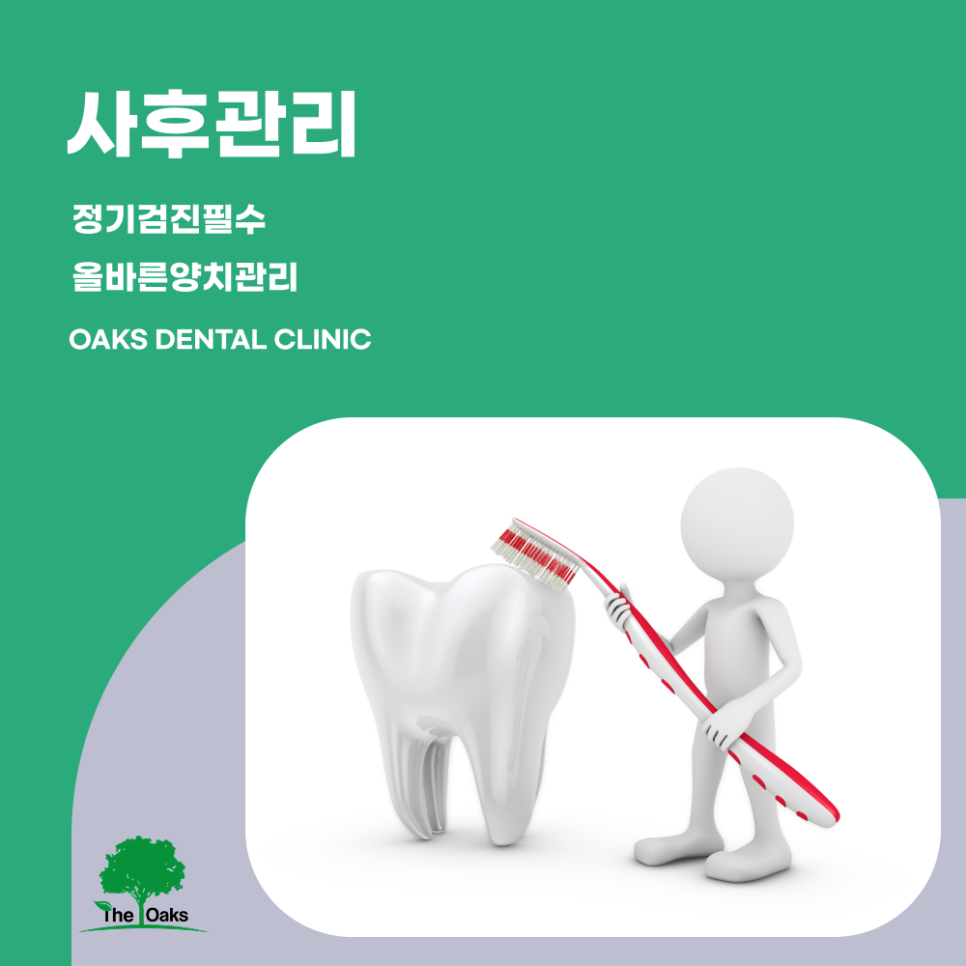
How to Care After Implant Treatment
Implants require care just like natural teeth.
If proper oral care is not provided after treatment,
peri-implantitis may occur.
Peri-implantitis is a condition in which inflammation develops
in the gums around the implant,
and in severe cases it can affect the stability of the implant.
To prevent this,
proper brushing and care using dental floss and interdental brushes are important.
In particular, it is necessary to develop the habit of carefully caring
for the area around the prosthesis.
In addition, it is advisable to check the condition of the implant
through regular dental examinations,
and receive scaling or maintenance care when needed.
In Closing...
Health Insurance Implants
are a system that can help reduce the inconvenience caused by tooth loss
and restore oral function.
They are helping many people because they allow implant treatment
while reducing the financial burden.
However, whether treatment is possible may vary depending on the individual’s oral condition
and the criteria for health insurance coverage,
so an accurate consultation and diagnosis are necessary.