Hello.
This is Oks Dental Clinic.
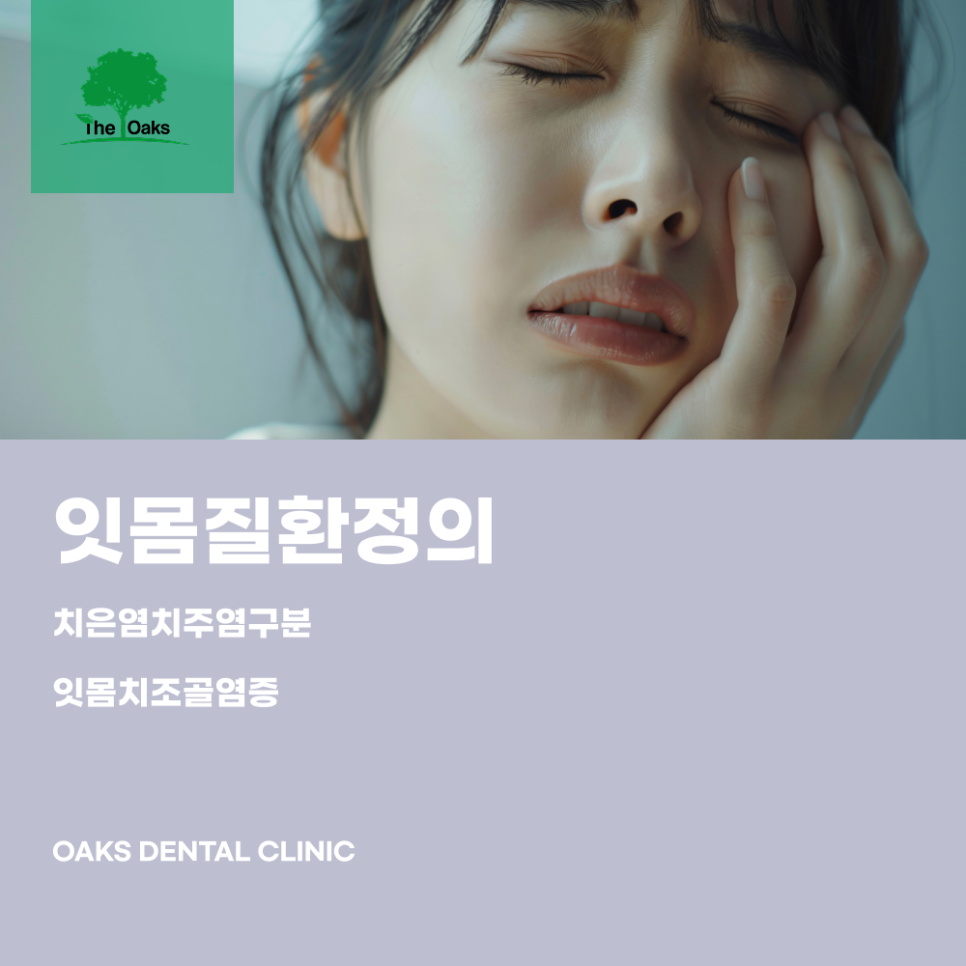
When talking about dental health, many people
often think only of cavities.
However, one of the biggest reasons adults lose teeth
is gum disease.
In the early stages, gum disease often has no special pain,
so it is easy to dismiss, but over time it can
damage even the tissues that support the teeth.
Today, Daechi-dong Dental Clinic will explain
what gum disease is,
why it occurs,
what symptoms appear,
and how to manage it.
What is gum disease?
Gum disease refers to a condition in which inflammation occurs in the gum tissue and alveolar bone around the teeth.
It is generally divided into two stages: gingivitis and periodontitis.
The early stage, gingivitis, is a condition in which inflammation occurs only in the gums.
At this time, the gums may become red,
swollen, or bleed when brushing.
Fortunately, at this stage,
recovery is possible with relatively simple
scaling and proper oral care.
However, if the inflammation continues, it can progress to periodontitis, which damages even the gum bone that supports the teeth.
Because periodontitis affects not only the gum tissue but also the alveolar bone,
treatment becomes even more important.
Causes of gum disease
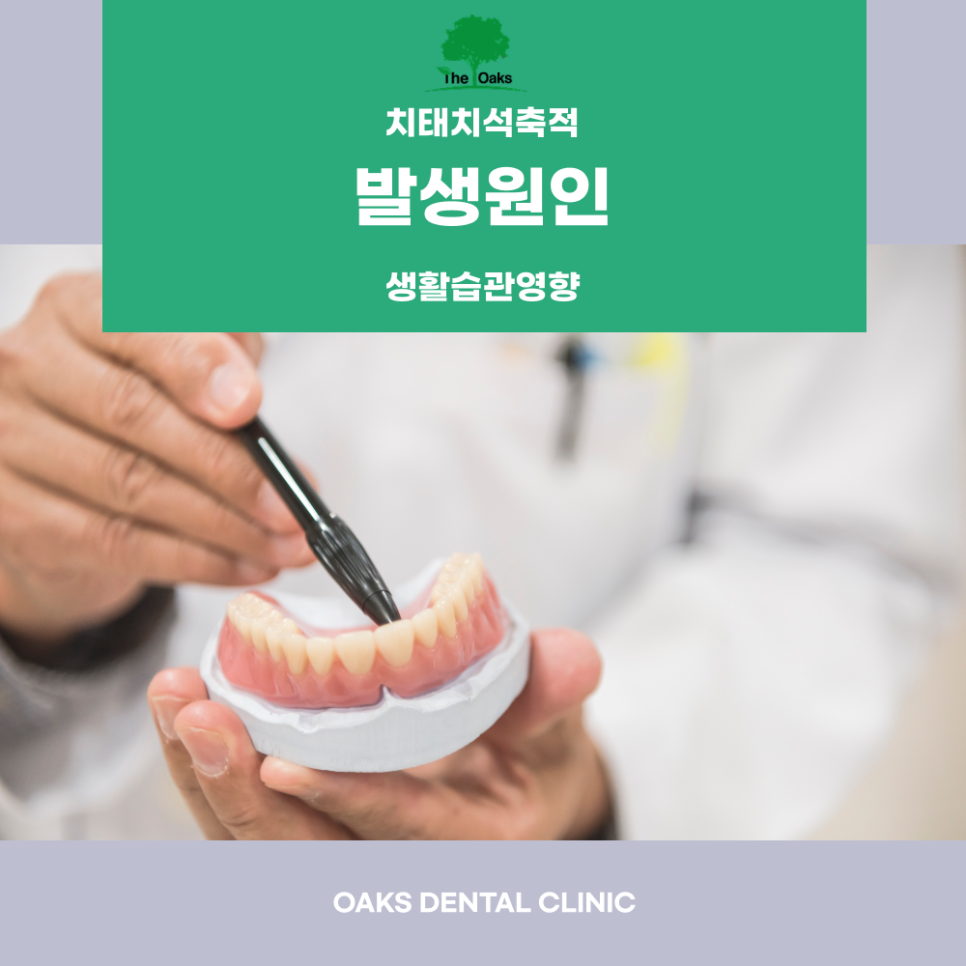
The main causes of gum disease are plaque and tartar.
After eating, bacterial film that is not properly removed accumulates on the tooth surface and at the gum line,
causing inflammation.
If plaque is not removed for a long time, it turns into hard tartar.
Because tartar is difficult to remove with regular brushing,
it must be removed at the dental clinic through scaling.
In addition, smoking, stress, systemic diseases such as diabetes, and poorly fitting prosthetics can also be risk factors for gum disease.
An individual's oral hygiene status and lifestyle habits also affect gum health.
Representative symptoms of gum disease
Gum disease can appear through various signs.
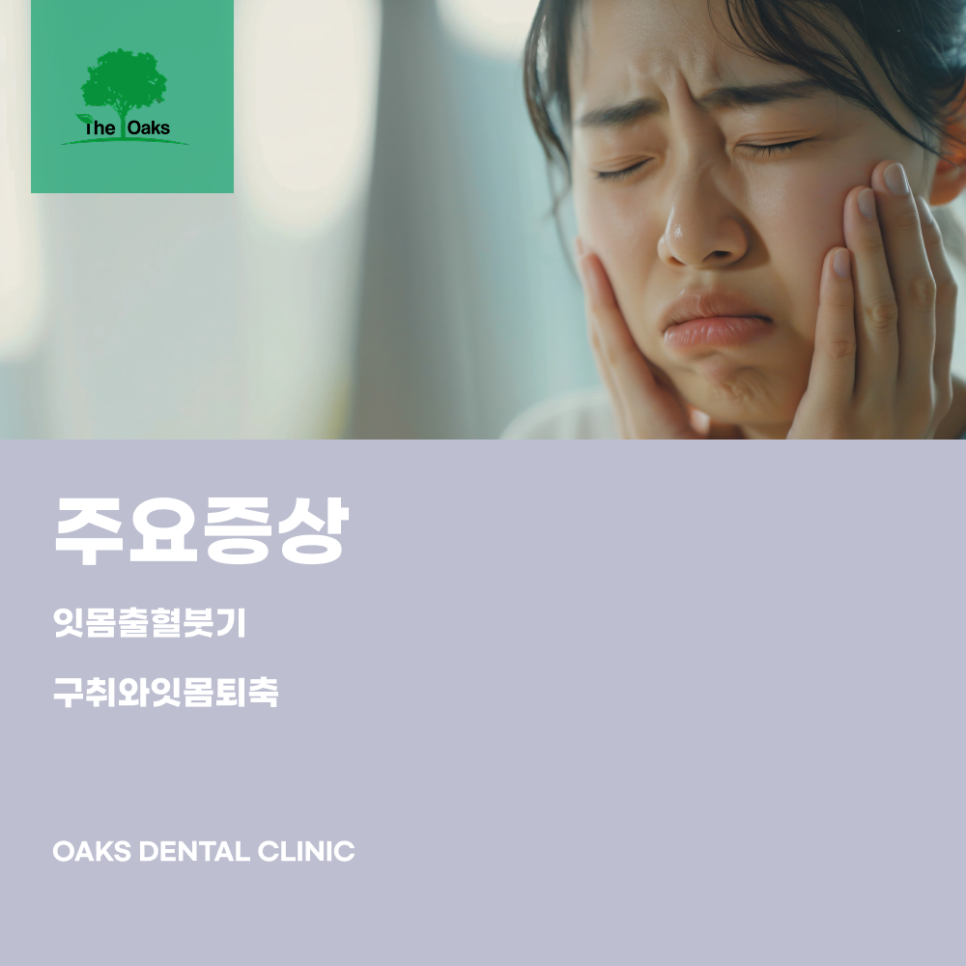
The most common symptom is gum bleeding.
If your gums bleed when brushing or you notice bleeding when using dental floss,
you may want to suspect gum inflammation.
In addition, the gums may become swollen or turn red.
Healthy gums are light pink, but when inflammation occurs,
they tend to become darker and swollen.
Persistent bad breath can also be related to gum disease.
This is because bacteria in the gums increase and cause bad breath.
As the disease progresses, the gums recede and the teeth may appear longer.
If damage to the gum bone progresses,
the teeth may feel loose,
and in severe cases it may become difficult to keep the teeth.
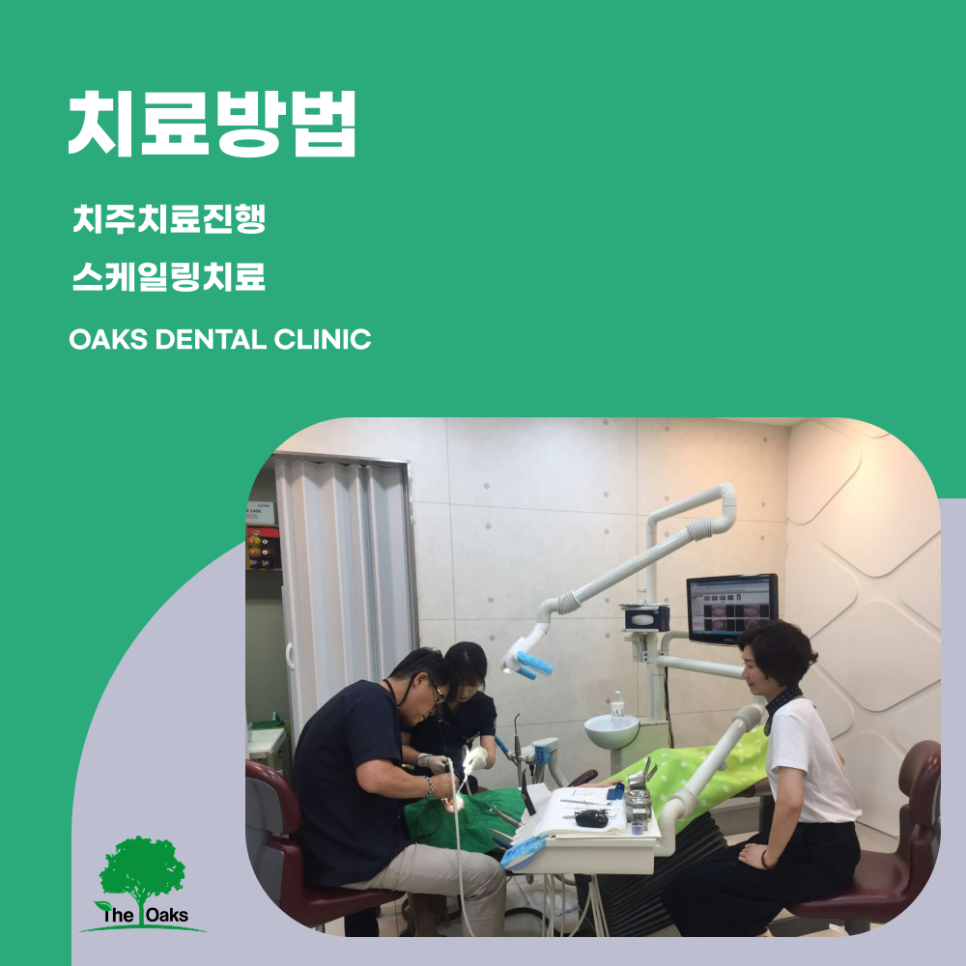
Treatment methods for gum disease
Treatment for gum disease varies depending on the stage of inflammation.
In the early gingivitis stage,
treatment is performed to remove tartar and bacterial film through scaling.
If the inflammation has progressed deep into the gums, periodontal treatment such as root planing may be necessary.
In more advanced cases, periodontal surgery may be performed to remove inflammation deep in the gums and help restore gum tissue.
Because gum disease can recur, regular checkups and maintenance are necessary.
How to care for gum disease prevention
To prevent gum disease, proper oral care habits are essential.
You should clean the area where the teeth and gums meet by brushing correctly at least twice a day.
It is also helpful to use dental floss or interdental brushes to remove bacterial film left between the teeth.
Regular dental checkups and scaling also play an important role in preventing gum disease.
Smoking reduces blood flow in the gums and can interfere with recovery from inflammation, so for gum health it is better to reduce or stop smoking.
In closing...
Gum disease is a relatively common condition, but if left untreated, it can damage even the tissues that support the teeth.
In particular, because there are many cases in the early stages with little or no pain,
it is important not to miss even small changes.
If symptoms such as gum bleeding when brushing, gum swelling, or bad breath appear,
it is a good idea to check your gum health.
If managed early, gum condition can be restored with relatively simple treatment.
If you are concerned about your gum health,
please confirm your exact condition through a consultation at Daechi-dong Dental Clinic.