Hello.
This is Ox Dental Clinic.
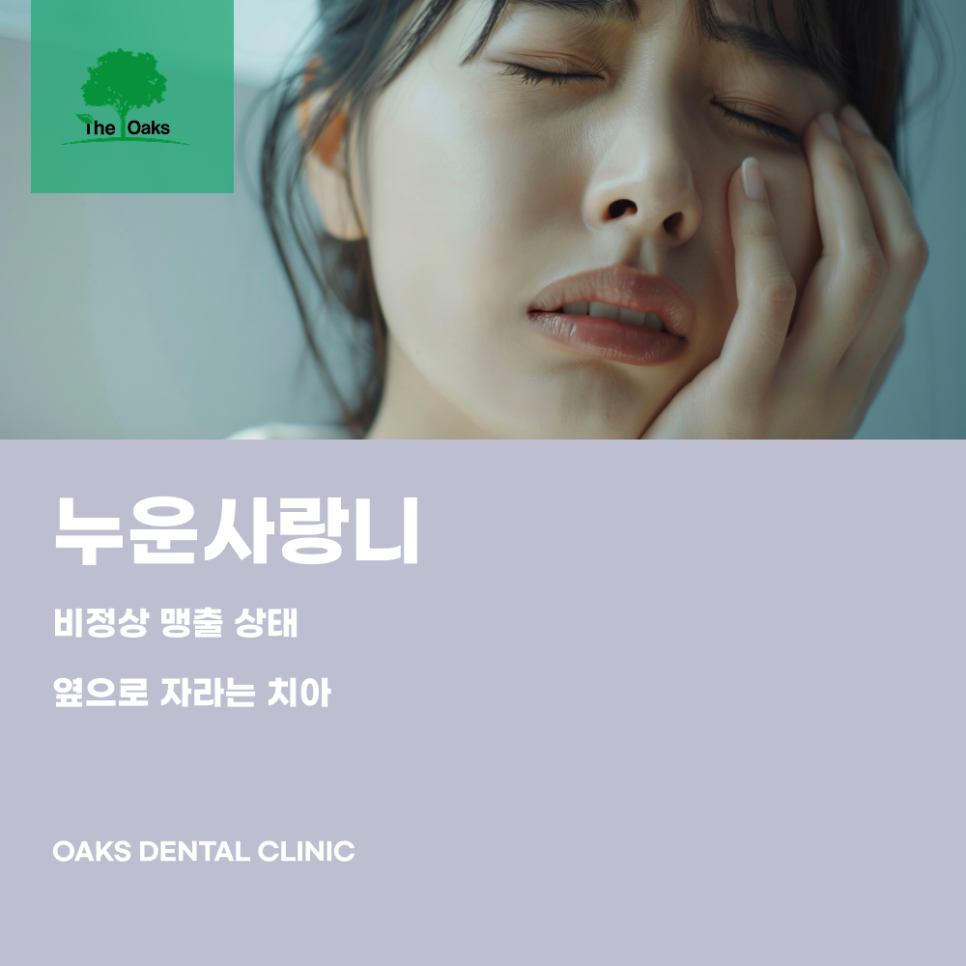
Wisdom teeth are teeth that usually erupt late, at the very back of the mouth, as we become adults.
However, not all wisdom teeth grow normally.
Especially “impacted wisdom teeth,” which grow at an angle and lie within the gum, can cause various problems and require attention.
Even if there is no major discomfort on the outside, there are many cases where they are already affecting the surrounding teeth and gums internally.
Today, the Nonhyeon-dong Dental Clinic will explain what impacted wisdom teeth are, what problems they can cause, and how they should be managed.
What are impacted wisdom teeth?
Impacted wisdom teeth refer to wisdom teeth that do not grow upward normally, but are impacted by tilting sideways or lying completely flat.
A typical wisdom tooth breaks through the gum and comes up in a certain direction so it can function, but impacted wisdom teeth often grow by pushing against the adjacent tooth because there is not enough space in the jawbone or because the eruption direction is incorrect.
This type of tooth is difficult to manage on your own, and because it is highly likely to affect the health of nearby teeth and gums, an accurate diagnosis is important.
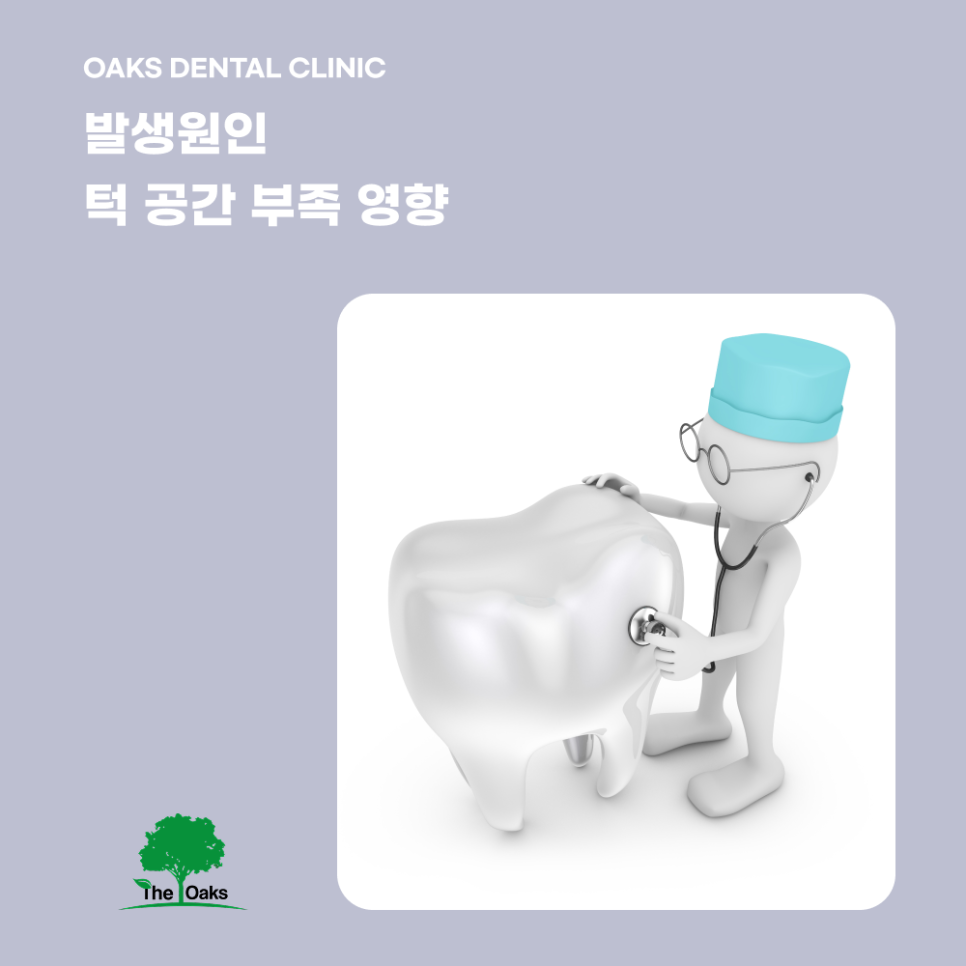
Why impacted wisdom teeth occur
Impacted wisdom teeth can develop due to several causes.
The most common cause is a lack of space in the jaw.
Compared with people in the past, modern people tend to have smaller jaws, so wisdom teeth that erupt last often cannot secure enough space.
Also, if the eruption direction of the wisdom tooth itself is abnormal, it may become impacted and remain in a lying position.
Genetic factors and the alignment of the teeth can also have an effect.
In this way, various factors work together, preventing the wisdom tooth from growing normally and leaving it impacted.
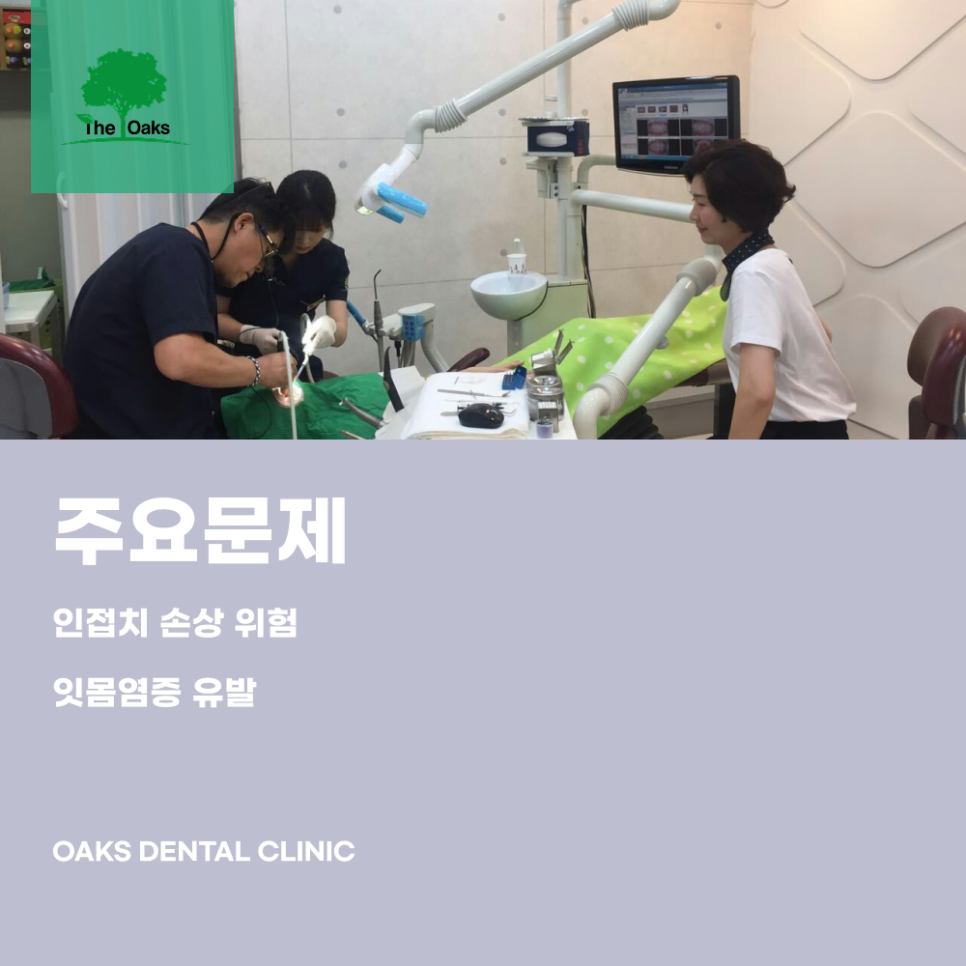
Problems caused by impacted wisdom teeth
Impacted wisdom teeth can cause various oral problems.
The most common problem is damage to adjacent teeth.
As an impacted wisdom tooth continuously presses against the back molar in front of it, it can cause root damage or cavities.
In addition, because food easily gets trapped and an environment where bacteria can multiply is created, gum inflammation may occur.
As a result, the gums may swell or pain may appear.
In severe cases, cysts or inflammation can spread to the jawbone, which may lead to difficulty opening the mouth or facial swelling.
Even if there are no outward symptoms, problems may still be progressing internally, so regular checkups are important.
Is extraction of impacted wisdom teeth necessary?
Not every impacted wisdom tooth must be extracted.
However, extraction should be considered in the following cases.
-
When it affects neighboring teeth
-
When gum inflammation or pain recurs
-
When there is a high risk of cavities
-
When there is a possibility of cysts or inflammation
Because impacted wisdom teeth are structurally difficult to manage, they are sometimes extracted preventively before problems arise.
However, the decision on whether to extract should be made by comprehensively considering the wisdom tooth’s position, its distance from the nerve, and the patient’s overall health condition.
The extraction process for impacted wisdom teeth
Extraction of impacted wisdom teeth is often more difficult than extraction of a regular tooth.
First, X-rays or 3D CT scans are taken to precisely check the position and direction of the wisdom tooth, as well as its distance from the nerve.
Then, under local anesthesia, the gum is incised and, if necessary, the tooth is divided and removed.
In this process, it is important to proceed safely while minimizing damage to the surrounding tissues.
After extraction, you will be given instructions for controlling bleeding and helping recovery.
How to care after extraction
After impacted wisdom tooth extraction, proper care is important.
For a certain period, the extraction site should be protected from irritation, and prescribed medication should be taken to prevent infection.
Also, right after extraction, it is best to avoid vigorous rinsing and using a straw.
Swelling or pain may appear temporarily, but in most cases it gradually improves over time.
For proper recovery, it is important to follow the precautions provided by the dental clinic.
In closing...
An impacted wisdom tooth is a factor that can cause various problems even if there are no major outward symptoms.
In particular, because it can lead to damage to adjacent teeth or gum inflammation, it is important not to leave it untreated.
If you confirm the current condition through an accurate diagnosis and, if necessary, proceed with extraction at the appropriate time, you can prevent bigger problems.