Sinsa-dong Dental Clinic molar implants, a reliable choice for restoring chewing function!
Hello.
This is Oaks Dental Clinic.
Among teeth, the molars play a key role in chewing and grinding food.
Although we usually do not pay much attention to them, even losing a single molar can often make eating very uncomfortable.
In addition, reduced chewing function can affect digestion, and over the long term, it can also place strain on the surrounding teeth and jaw joint.
In situations like this, the treatment that can be considered for functional restoration is a molar implant.
Today, the Sinsa-dong Dental Clinic will explain what molar implants are, how the procedure is carried out, and what should be considered during treatment.
What are molar implants?
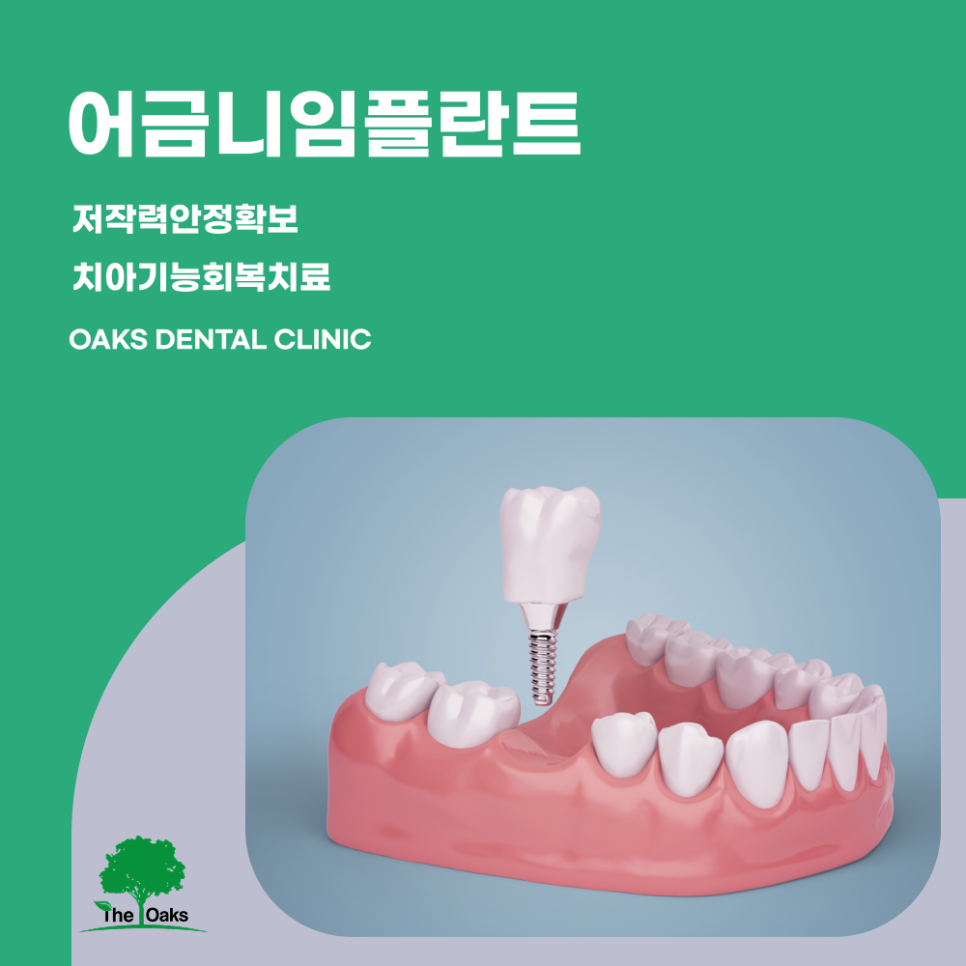
A molar implant is a treatment that restores tooth function by placing an artificial root into the jawbone at the site of the missing molar and then connecting a prosthetic restoration on top of it.
An implant consists of a structure that acts as the tooth root, an abutment that supports it, and the final prosthetic restoration.
Because it has a structure similar to that of a natural tooth, it can function independently, and one advantage is that the neighboring teeth do not need to be reduced.
In particular, molars are areas that require strong chewing force, so the stability of the implant and the exact placement position are very important.

Changes that occur when a molar is lost
When a molar is lost, it is not only the chewing function that declines.
A variety of changes can also occur inside the mouth.
First, not being able to chew food thoroughly can place a burden on digestion.
In addition, habits of chewing only on one side may develop, which can strain the jaw joint.
Changes can also occur in tooth alignment.
The surrounding teeth may tilt into the empty space, or the opposite tooth may erupt downward.
These changes can lead to an imbalance in the bite and may affect long-term oral health.
Also, as time passes, the jawbone gradually resorbs, so if treatment is delayed, implant placement can become more difficult.
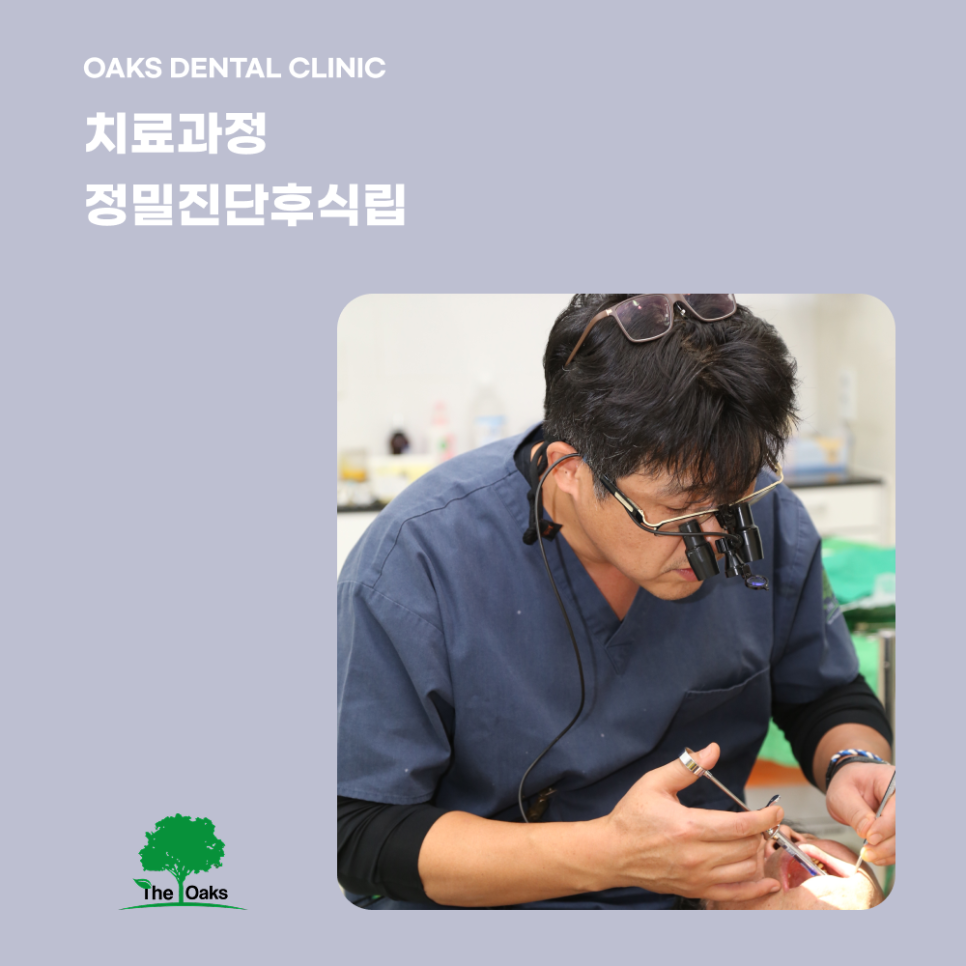
Molar implant treatment process
A molar implant is performed through several stages.
First, a detailed diagnosis is made. The oral condition is checked, and 3D CT imaging is used to analyze the height and width of the gum bone, as well as the location of nerves.
Based on this, the placement position and angle of the implant are planned.
Then, under local anesthesia, the artificial root is placed into the jawbone.
The placed implant then undergoes osseointegration, during which it bonds with the bone over a certain period of time.
This process varies depending on the individual’s bone condition, but it generally takes several months.
Once osseointegration is complete, the abutment is connected, and a prosthetic restoration made to match the patient’s bite and tooth shape is fitted.
At this stage, occlusal adjustment is performed so that chewing force is distributed evenly.
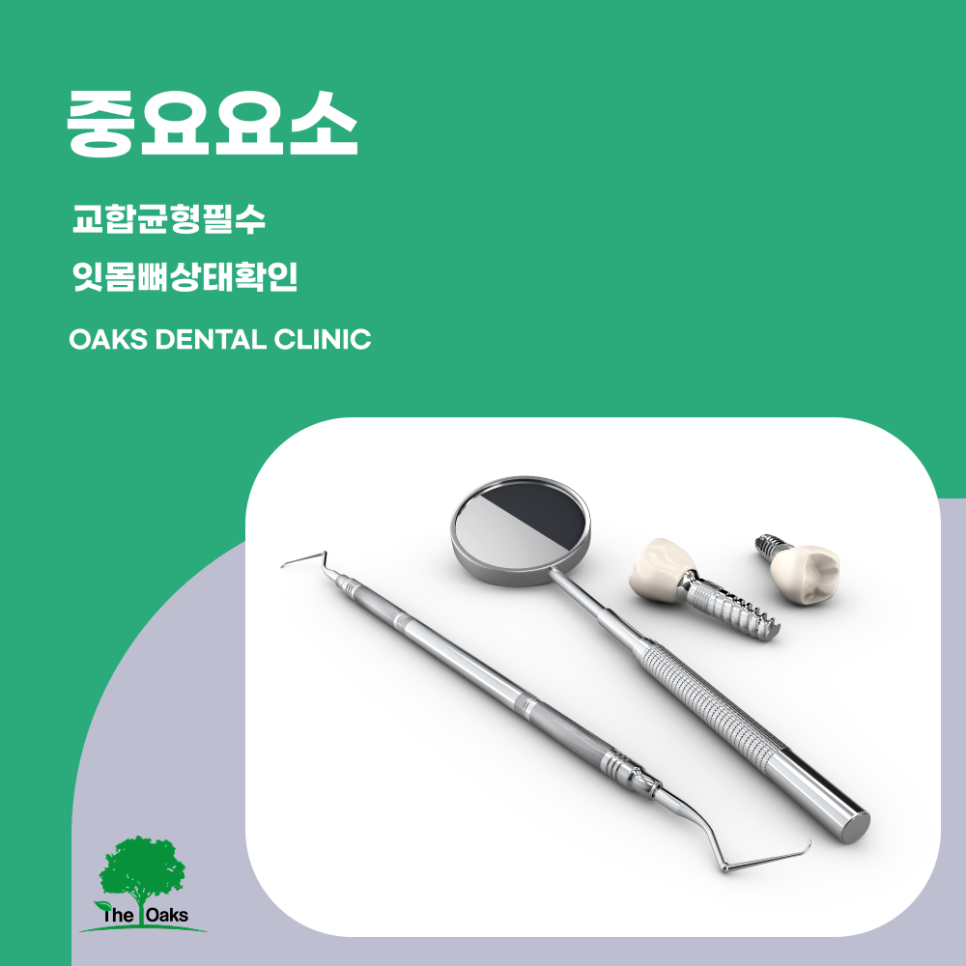
Important factors in molar implants
Molar implants are a treatment in which functional stability is especially important.
Because they are placed in an area that is subjected to strong chewing force, several factors must be considered.
First is the condition of the jawbone. Sufficient bone volume and density must be secured for the implant to remain stable.
If necessary, bone grafting may be performed at the same time.
Second is the exact placement position and angle. If the implant is placed in the wrong position, bite imbalance can occur, and this may also affect the lifespan of the implant.
Third is occlusal adjustment. Because molars are the area where chewing force is concentrated, balancing them with the surrounding teeth is very important.

How to care for your implant after treatment
Care after placement is very important for molar implants.
Just like natural teeth, implants can also develop inflammation if bacterial control is not properly maintained.
This is called peri-implantitis, and if left untreated, it can lead to loss of jawbone.
Therefore, you should carefully care for the area around the prosthetic restoration using proper brushing, floss, and interdental brushes.
It is also important to check the condition of the implant through regular dental examinations and scaling.
If a problem is found at an early stage, it can usually be managed relatively easily.
It is best to avoid the habit of chewing hard foods on only one side, and balanced use is necessary.
In conclusion...
Molar implants are more than just a treatment to replace teeth; they are an important process for restoring chewing function and oral health.
If tooth loss is left untreated, it can affect the surrounding teeth, gums, and even the jaw joint, so it is important to receive treatment at the proper time.
If you are experiencing discomfort due to the loss of a molar, please accurately check your current oral condition and consult about the treatment method that is right for you.