Apgujeong-dong Dental Clinic Implant Lifespan, Care and Key Factors for Maintaining It for a Long Time!
Hello.
This is Oks Dental Clinic.
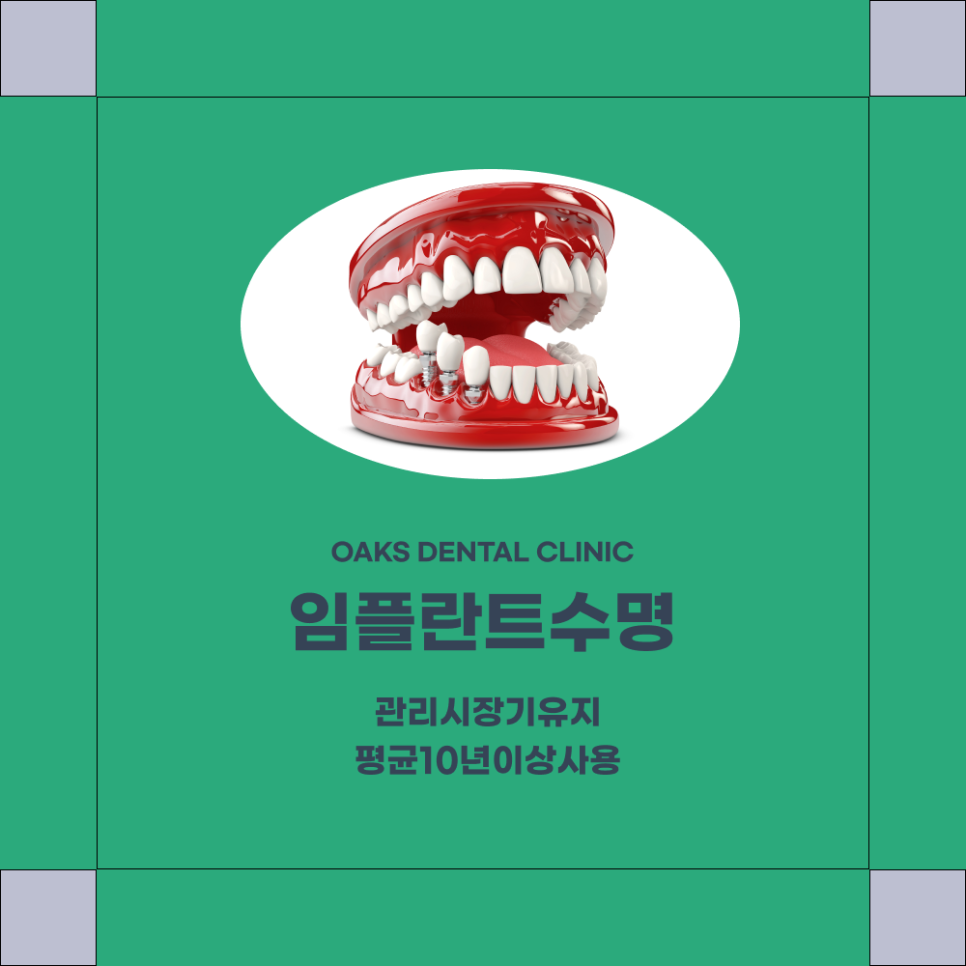
One of the things people considering implant treatment
are most curious about
is the ‘implant lifespan.’
Because this is a treatment that involves
both cost and time,
it is only natural to wonder how long
a once-placed implant can be used.
To put it simply,
implants are known to be
semi-permanent,
but their actual lifespan can vary depending
on each person’s level of care and oral environment.
Today, we at the Apgujeong-dong dental clinic
will explain the factors that affect implant lifespan
and how to maintain it for a long time.
How long does an implant last?
An implant is made of a titanium
artificial root that firmly bonds with
the jawbone.
In theory, it can be used for a very long time,
but in actual clinical practice,
it is often stably maintained for
more than 10 years on average.
In cases where care is well managed,
there are also many examples
of use lasting over 20 years.
However, unlike natural teeth,
implants do not have the ability to heal themselves,
so they can be affected by the external environment
and the quality of care.
Therefore, rather than simply placing the implant,
maintenance and care can become a more important
factor for its lifespan.
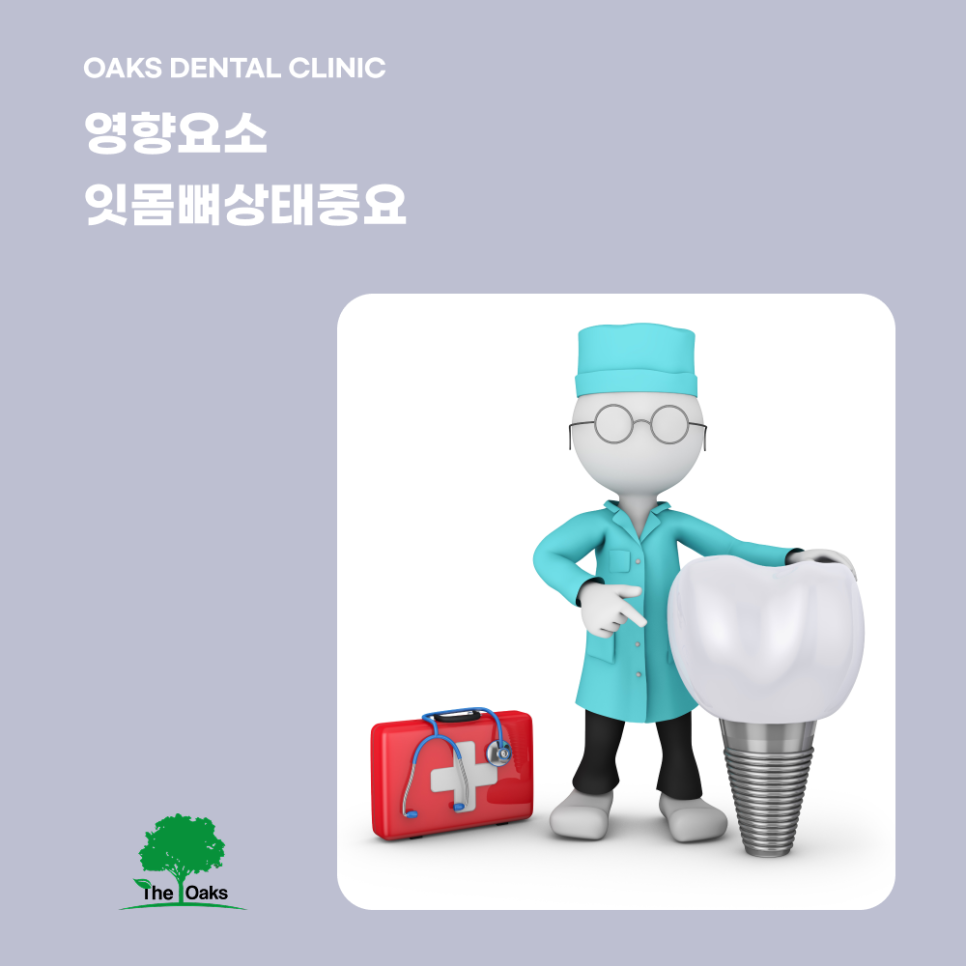
Factors that affect implant lifespan
The lifespan of an implant is influenced by
various factors.
First, the most important thing is
the condition of the gums and jawbone.
Because an implant is placed directly into the jawbone,
there must be sufficient bone volume and density
for it to remain stable.
Second is the placement position and angle.
It must be placed in the correct position
so that chewing force is distributed evenly,
which helps prevent excessive load
from concentrating on a specific area.
Third is the bite condition.
If the way the upper and lower teeth fit together
is unbalanced, strain can be placed on the implant.
In addition, overall health conditions
such as smoking and diabetes
can also affect implant maintenance.
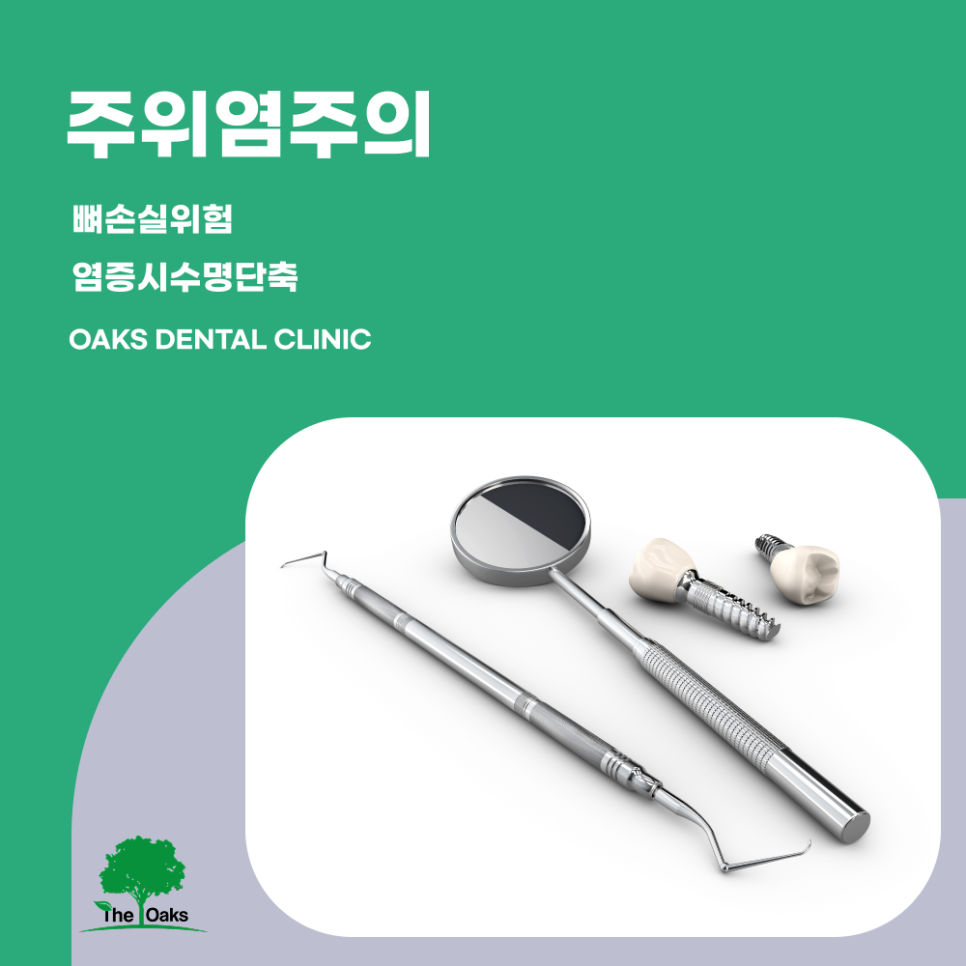
The relationship between peri-implantitis and lifespan
One of the main causes that shortens
implant lifespan is peri-implantitis.
Peri-implantitis is a condition in which
inflammation occurs in the gums around the implant,
and if it is not properly managed,
the jawbone around the implant can gradually
be lost.
There may be no major symptoms at first,
but if it progresses, it can cause the implant
to loosen or even come out.
How to care for implants to extend their lifespan
To use implants for a long time,
consistent care is essential.
The most basic step is proper brushing.
Food particles can easily get stuck around implants,
so careful cleaning is necessary.
Using dental floss and interdental brushes together
can also be helpful.
In particular, the boundary area between the prosthesis
and the gums is where bacteria can easily accumulate,
so careful care is important.
It is also necessary to check the condition of the implant
through regular dental checkups and scaling.
The care interval may vary depending on
each person’s oral condition.
It is best to avoid the habit of chewing hard or chewy foods
on only one side, and balanced use is important.
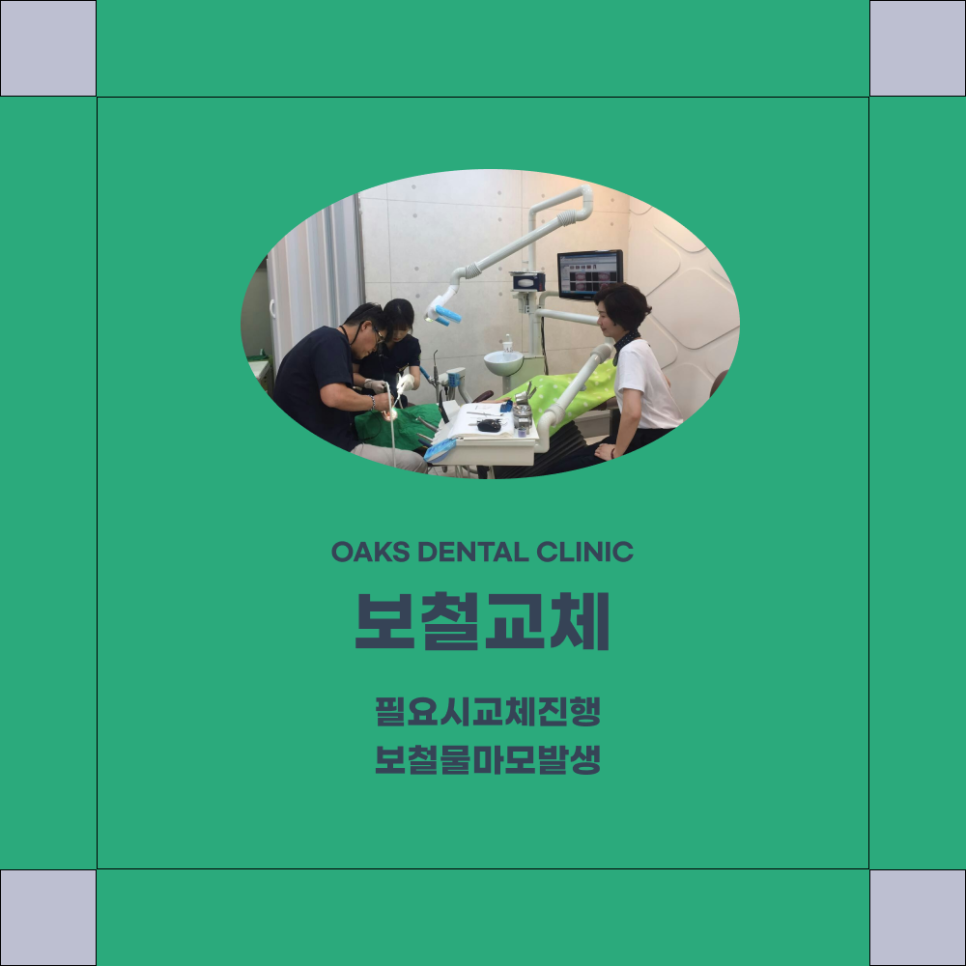
Do implants also need replacement?
Depending on how well they are cared for,
implants can be used for a long time,
but it cannot be said that they are maintained forever.
Because prostheses can wear down or become damaged
with use, replacement may be necessary
after a certain period of time.
In addition, depending on changes in gum condition
or bite alignment, additional adjustments may be needed.
Regularly checking these aspects helps
with long-term maintenance.
In closing...
Implant lifespan is not determined simply by
the materials or the procedure alone;
it varies greatly depending on post-treatment care
and the oral environment.
Implants placed based on an accurate diagnosis
and a systematic treatment plan
can be used stably for a long time,
and consistent care supports that.
Because this treatment replaces teeth,
it is important to consider not only short-term results
but also long-term maintenance.
If you are considering implant treatment,
or if you already have an implant and are wondering
about care, please have your current condition checked
and receive guidance on the appropriate care methods.