Apicoectomy at a Gangnam Station Dental Clinic: a treatment option when root canal treatment does not solve the problem!
Hello.
This is OX Dental Clinic.
When tooth pain is severe and you visit a dental clinic,
many people hope that root canal treatment will improve
the symptoms.
In most cases,
root canal treatment alone can remove the inflammation
and save the tooth.
However, in some patients,
pain continues even after root canal treatment,
or inflammation remains at the tip of the tooth root.
In such cases, the treatment considered is
apicoectomy.
Today, we will explain what apicoectomy is,
when it is needed, and what the treatment process
and precautions are, as explained by
Gangnam Station Dental Clinic.
What is apicoectomy?
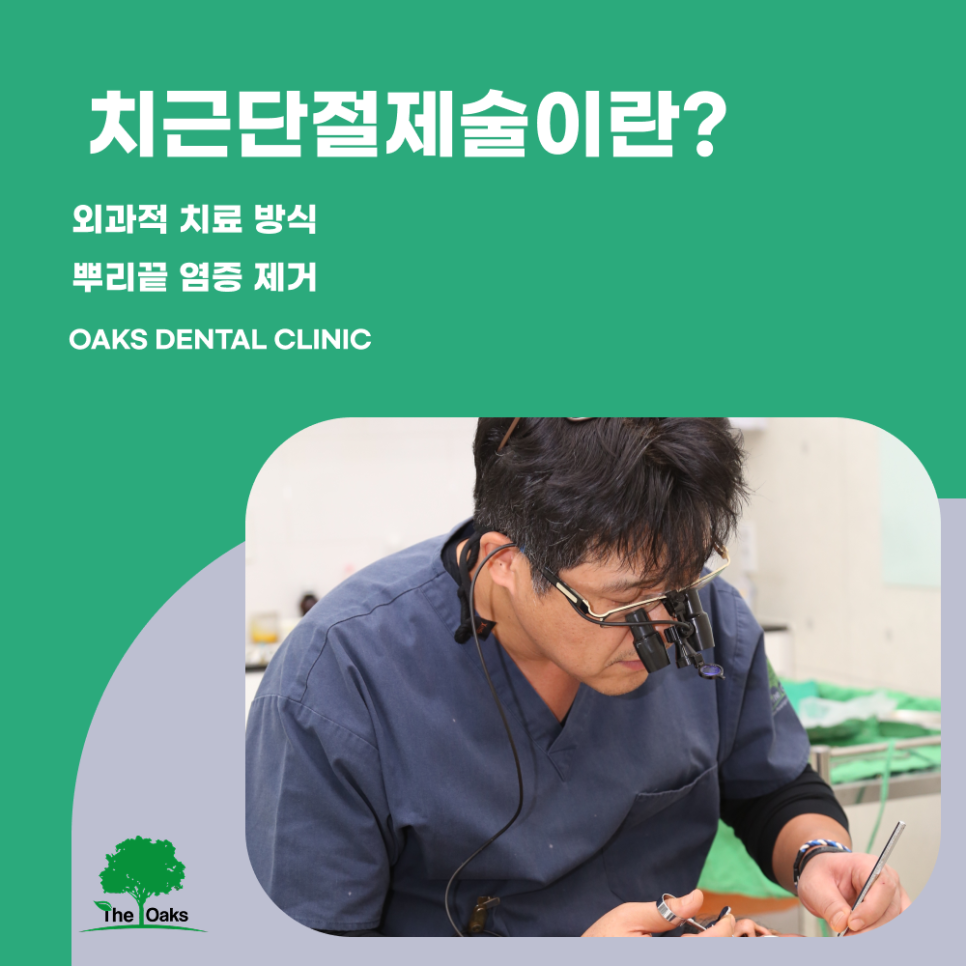
Apicoectomy is a surgical treatment to remove
inflammation that occurs at the tip
of the tooth root (the root apex).
It directly accesses and removes inflamed tissue
or infected areas that were not removed by
root canal treatment, then excises part of the
infected root apex and closes the area neatly.
Simply put, it is a treatment that resolves problems
at the tip of the root without extracting the tooth,
helping preserve the natural tooth as much as possible.
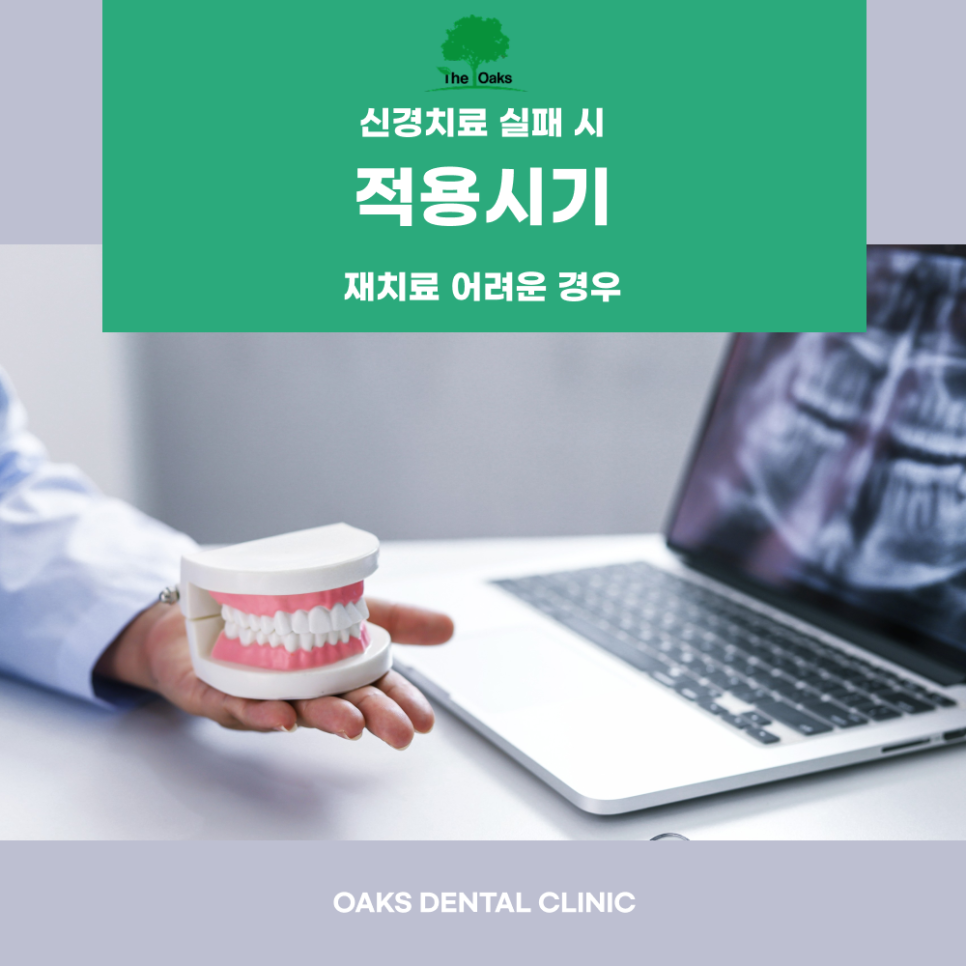
When is apicoectomy needed?
Apicoectomy is not a treatment performed in every case.
It may be considered in the following cases.
When inflammation does not disappear even after root canal treatment
When a cyst or inflammation persists at the tip of the tooth root
When there is a structural problem that makes retreatment difficult (such as instrument separation)
When a prosthetic restoration is already in place, making retreatment burdensome
In this way, it is chosen as an alternative to preserve the tooth in situations where general treatment is difficult.
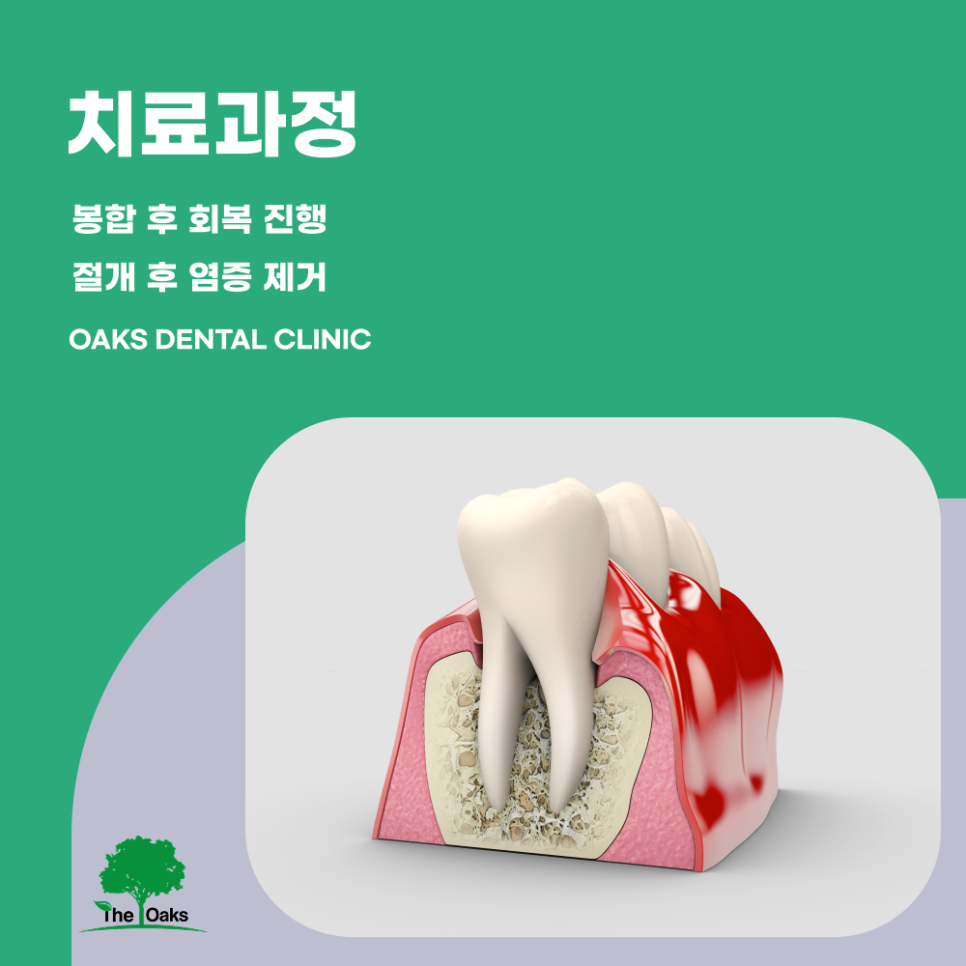
How is the treatment process carried out?
Apicoectomy requires a relatively precise treatment process.
Accurate diagnosis
X-rays and 3D CT scans are used to check the location and size of the inflammation, as well as the distance from the nerve.
Through this process, we determine whether treatment is possible and establish a plan.
Gum incision and access
A small incision is made in the gum near the affected tooth to access the root tip.
This procedure is performed under local anesthesia,
and pain is minimized.
Removal of inflammation and apical resection
The infected tissue at the tip of the tooth root is removed, and part of the root apex is excised.
Afterward, the inside is thoroughly disinfected and sealed to prevent reinfection.
Suturing and recovery
Once the treatment is complete, the incised gum is sutured,
and the recovery process begins.
After a certain period, the stitches are removed,
and the healing progress is monitored.
Recovery after apicoectomy
After treatment, there may be some swelling or discomfort,
but in most cases, it gradually improves over time.
In the early stage, it is important to avoid irritating foods
and take care not to stimulate the area.
Also, taking the prescribed medication regularly and following the provided care instructions carefully will help recovery.
Things to be careful about
Apicoectomy is an important treatment for saving a tooth, but several precautions are necessary.
Do not touch or irritate the treatment area with your hands
Avoid foods that place excessive force on the area
Refrain from smoking and drinking alcohol, as they may delay recovery
Visit regularly to check the healing progress
Proper care like this is necessary to maintain the treatment results stably.
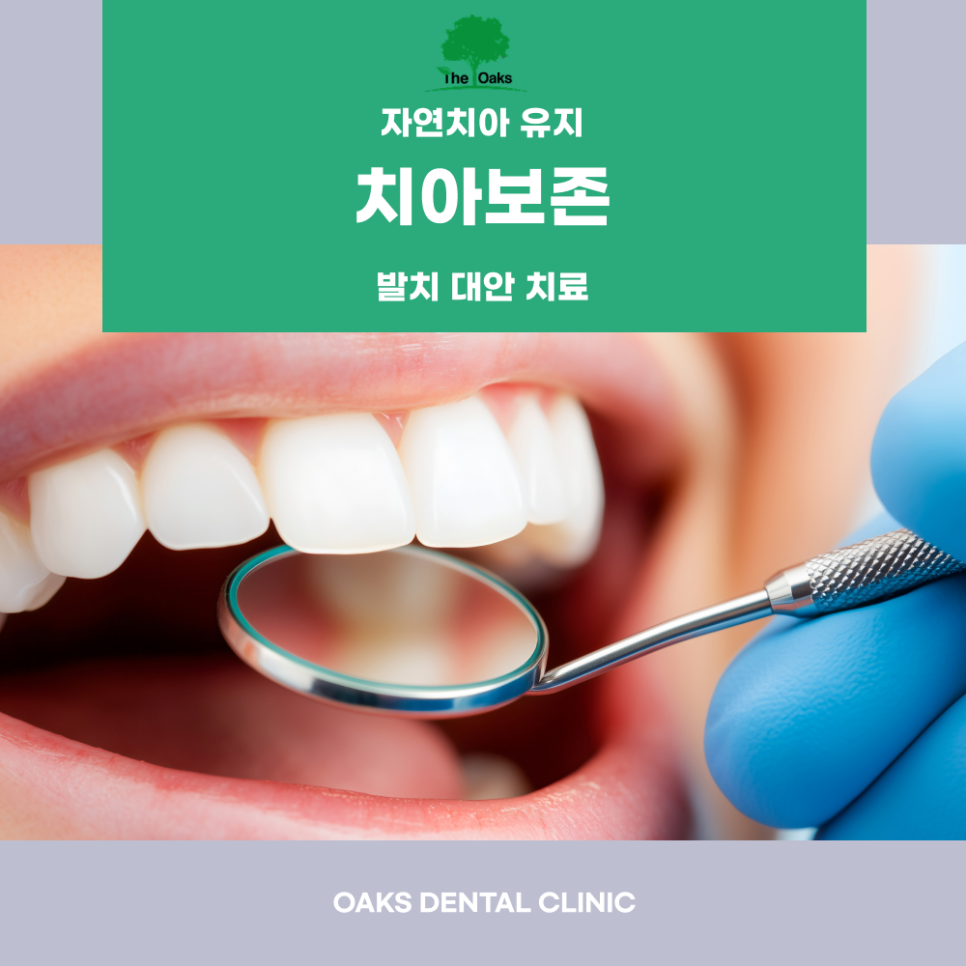
It may be the last option for saving the tooth.
Apicoectomy is not a simple treatment,
but one of the important methods for preserving
the natural tooth as much as possible.
If a tooth is extracted, additional treatments such as
implants or bridges may be needed, so maintaining
your own teeth whenever possible is advantageous
in the long term.
Therefore, if problems continue even after root canal treatment,
it is important to consider the possibility of saving the tooth through apicoectomy.
In closing...
Apicoectomy is a surgical treatment used to resolve problems that cannot be addressed with ordinary root canal treatment.
Through an accurate diagnosis and skilled treatment,
it is an important way to preserve the tooth,
and performing it at the right time has a major impact
on the treatment outcome.
If tooth pain or inflammation keeps recurring,
rather than simply enduring it, it is important to identify the exact cause and receive the necessary treatment.
Protecting your natural teeth is the best treatment.
For a healthier and more stable oral condition,
we hope that appropriate treatment and consistent care are provided.