Samseong-dong Dental Clinic: Periodontitis, Problems Caused by Ignoring It and How to Manage It!
Hello.
This is Oks Dental Clinic.
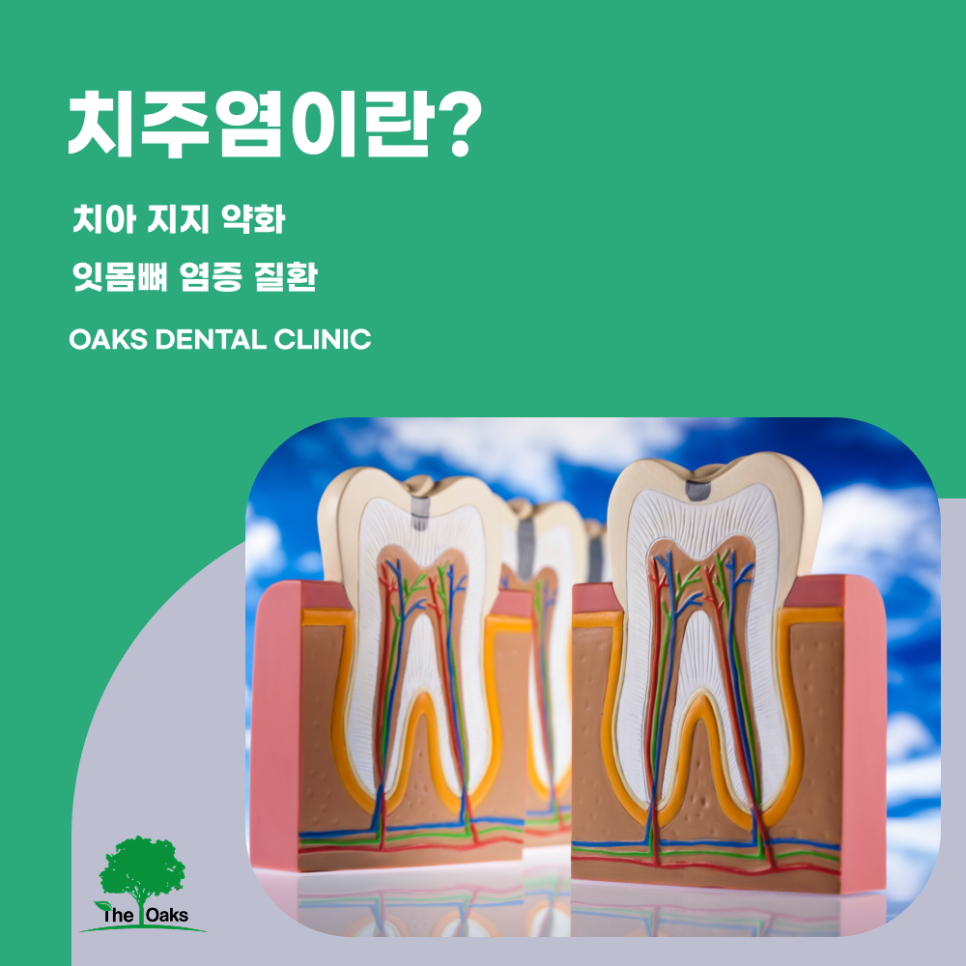
Have you ever experienced symptoms such as bleeding while brushing your teeth or swollen gums?
Many people tend to think of these as a simple temporary problem and let them pass, but these symptoms may be early signs of periodontitis.
Periodontitis is a common condition, but if left untreated, it can even lead to tooth loss, so accurate understanding and management are very important.
Today, Samseong-dong Dental Clinic will explain what periodontitis is, why it occurs, and how it can be treated and prevented.
What is periodontitis?
Periodontitis is a condition in which inflammation develops in the gums and jawbone that support the teeth.
It usually begins as simple gum inflammation called gingivitis, but if appropriate treatment is not provided, the inflammation gradually deepens and progresses to periodontitis.
At this stage, not only the gums but also the bone that supports the teeth is affected.
Eventually, the structures that hold the teeth in place weaken, which can cause the teeth to become loose or lead to extraction.
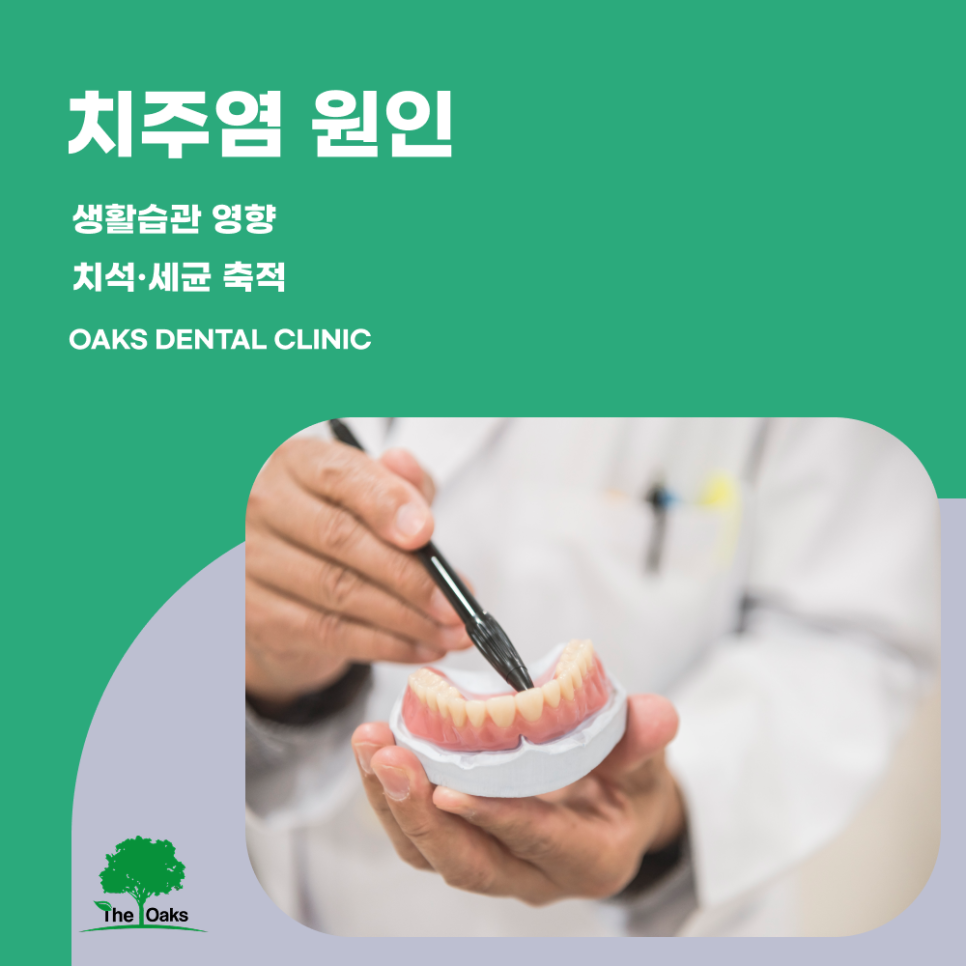
Causes of periodontitis
The biggest cause of periodontitis is bacteria and tartar that accumulate on the tooth surface and between the gums.
If proper oral care is not maintained, food debris and bacteria build up and, over time, turn into hard tartar.
This tartar penetrates deep into the gums and causes inflammation.
In addition, the following factors can also affect the development of periodontitis.
Smoking
Stress
Systemic diseases such as diabetes
Weakened immunity
Incorrect brushing habits
In this way, various factors act together and cause periodontitis to progress.
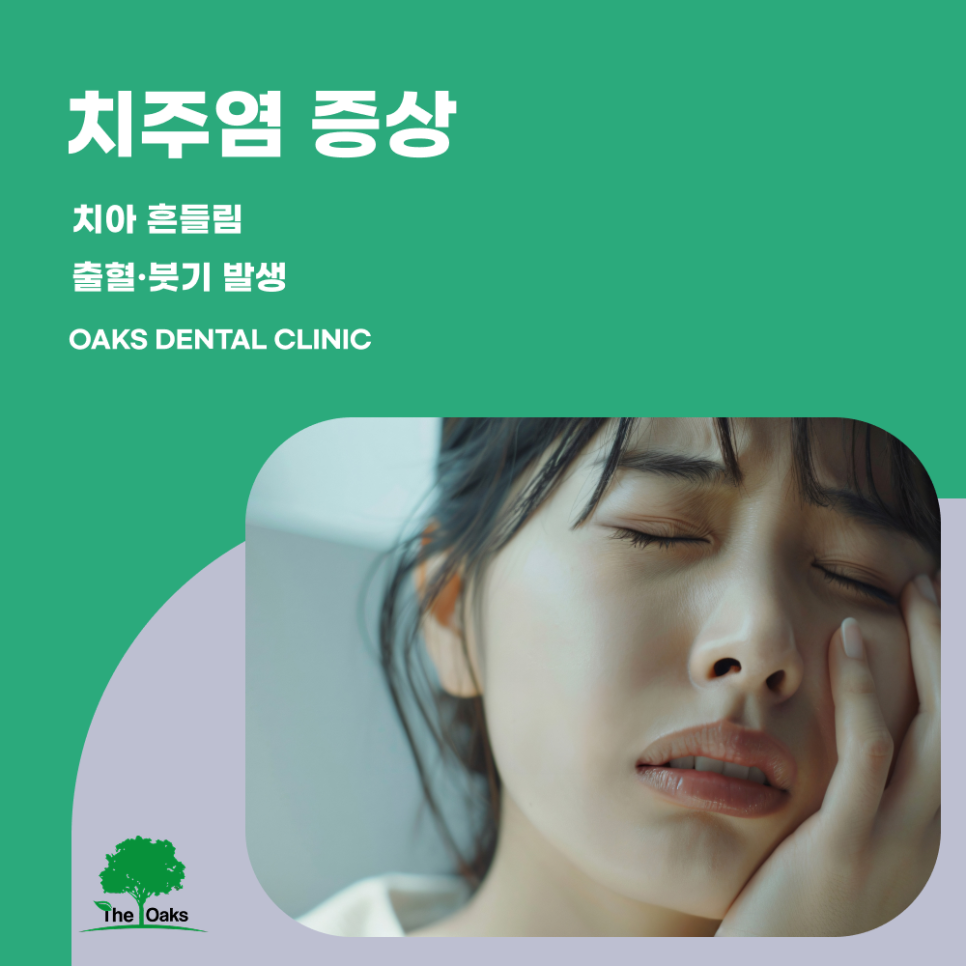
Main symptoms of periodontitis
In the early stages, periodontitis often has no clear pain, so it can be difficult to notice.
However, if the following symptoms appear, caution is needed.
Bleeding gums when brushing
Swollen and painful gums
Increased bad breath
Widening spaces between teeth
Loose teeth
In particular, if the symptoms recur or gradually worsen, it is highly likely that the inflammation has already progressed.
Problems caused by leaving periodontitis untreated
Many people think of periodontitis as a simple gum disease and leave it untreated, but the consequences are by no means minor.
As the inflammation progresses to the jawbone, the bone may gradually be lost, causing the teeth to lose support.
Eventually, the teeth may become loose or fall out naturally.
In severe cases, the inflammation can spread to surrounding tissues, causing facial swelling or pain, and it can also affect overall health.
How periodontitis is treated
The treatment method for periodontitis varies depending on the stage of progression.
Scaling
In the early stage, improvement is possible through scaling to remove tartar and bacteria.
Root planing (gum treatment)
Tartar deep in the gums is removed and the surface is smoothed to reduce inflammation.
Gum surgery
If the inflammation has progressed deeply, surgery may be needed to incise the gums and treat the inside directly.
Treatment should not simply focus on relieving symptoms, but on removing the cause of the inflammation.
Management methods to prevent periodontitis
Periodontitis is a condition in which prevention is very important.
It can be sufficiently managed through everyday habits.
Maintain proper brushing habits
Use dental floss and interdental brushes
Regular dental checkups and scaling
Improve smoking habits
Maintain a balanced diet
In particular, tartar cannot be removed on your own, so managing it through regular scaling is essential.
In closing...
Periodontitis can occur in anyone, but with proper management, it is a condition that can be sufficiently prevented and controlled.
It is most important not to miss the small signals sent by the gums and to maintain regular checkups and proper oral care habits.
Small efforts now determine the future health of your teeth.
We hope you can maintain comfortable meals and daily life for a long time through healthy gums.