Tooth Preservation Treatment at a Nonhyeon-dong Dental Clinic: Why It Should Be Considered Before Extraction
Hello.
This is Oks Dental Clinic.
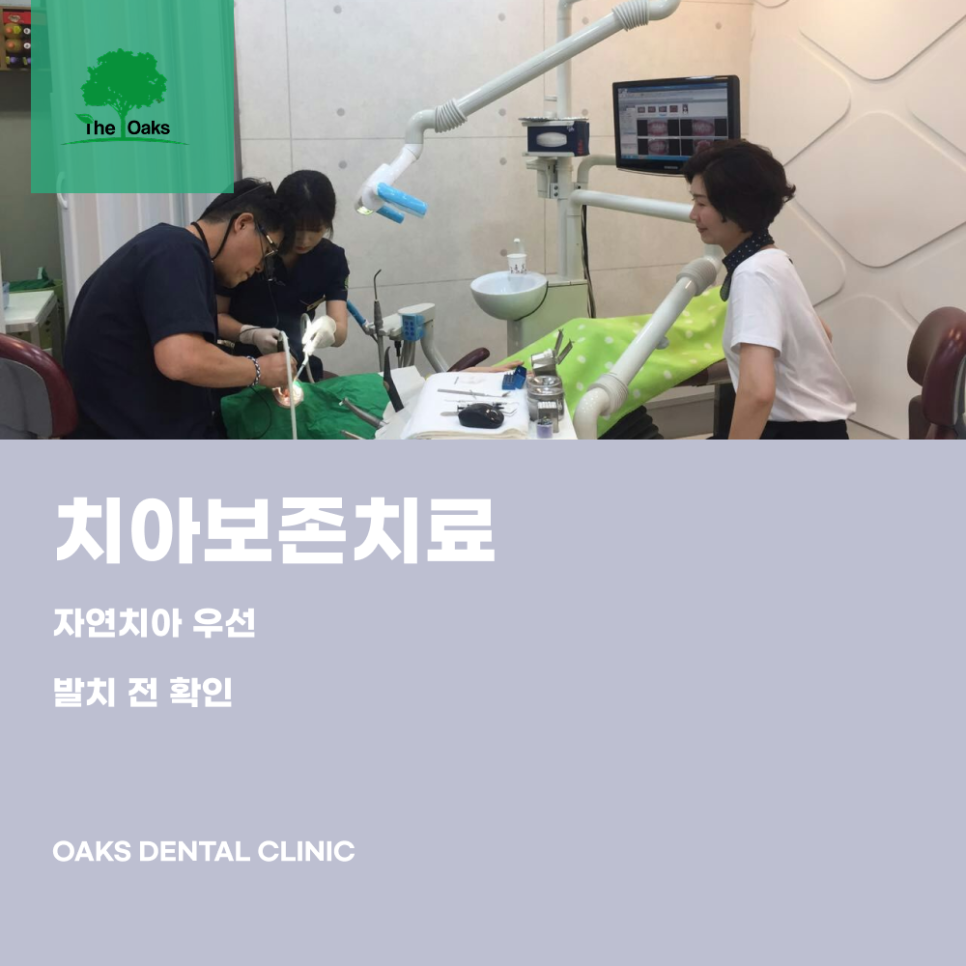
When people think of dental treatment,
many tend to think first of
cavity treatment or dental implants.
However, the primary goal of dental treatment
is not simply to treat a painful tooth,
but to preserve the “natural tooth”
for as long as possible.
Once a natural tooth is damaged, it is difficult
to restore it completely to its original condition.
Therefore, early care and preservation treatment
are extremely important.
Today, we will explain what tooth preservation treatment is,
when it is needed,
as well as the treatment methods and care instructions
at our Nonhyeon-dong dental clinic.
What Is Tooth Preservation Treatment?
Tooth preservation treatment refers to treatment that maintains
a damaged or inflamed tooth without extracting it whenever possible.
In other words,
it is treatment that helps you use your natural tooth
for a longer period of time.
Once a tooth is lost, prosthetic treatment such as
a dental implant or bridge may be necessary.
However, no matter how good the prosthetic treatment is,
it is difficult to completely replace a natural tooth.
For this reason, when possible,
dentists develop treatment plans aimed at preserving
the natural tooth.
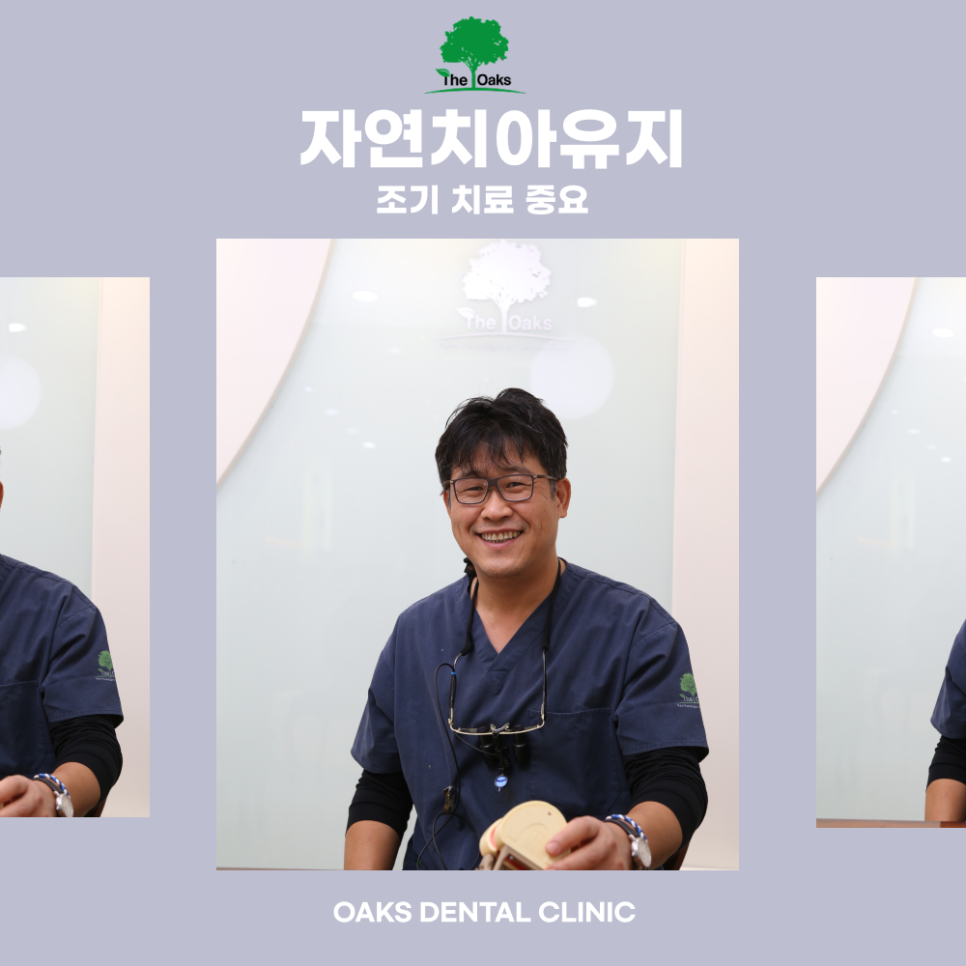
Why Is Preserving Natural Teeth Important?
Many people may think,
“Can’t I just get an implant?”
Implants are a good treatment option,
but it is difficult for them to perfectly reproduce
the sensation and function of a natural tooth.
Natural teeth can sense and adjust to subtle pressure
when chewing food.
They are also naturally connected to the gums,
bone, and surrounding tissues,
which provides significant advantages
in terms of long-term stability.
On the other hand, when a tooth is lost,
the jawbone may gradually be resorbed,
which can also affect the alignment
of the surrounding teeth.
Therefore, maintaining your own teeth whenever possible
is very important for long-term oral health.
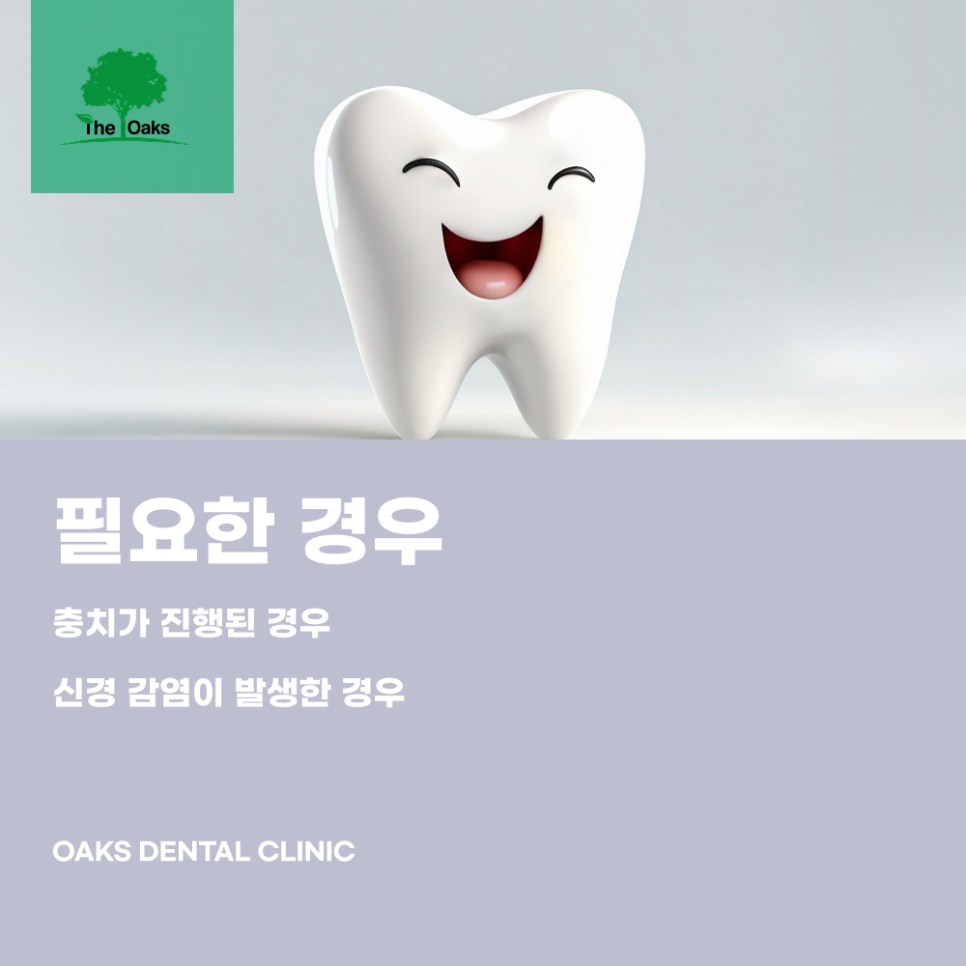
When Is Tooth Preservation Treatment Needed?
Tooth preservation treatment may be performed
in a variety of situations.
When a Cavity Has Progressed
Early cavities can be restored with a simple resin treatment,
but as a cavity becomes deeper,
more precise preservation treatment may be necessary.
When a Nerve Infection Occurs
When a cavity progresses to the nerve,
pain and inflammation may occur.
In this case, root canal treatment is used
to remove the infected tissue and preserve the tooth.
When a Tooth Is Chipped or Cracked
Even if a tooth is damaged by trauma or excessive force,
there may be a possibility of saving it
depending on its condition.
When Gum Inflammation Has Progressed
Around the Tooth
Even when a tooth becomes loose due to periodontal disease,
its potential for preservation can be assessed
through appropriate treatment.
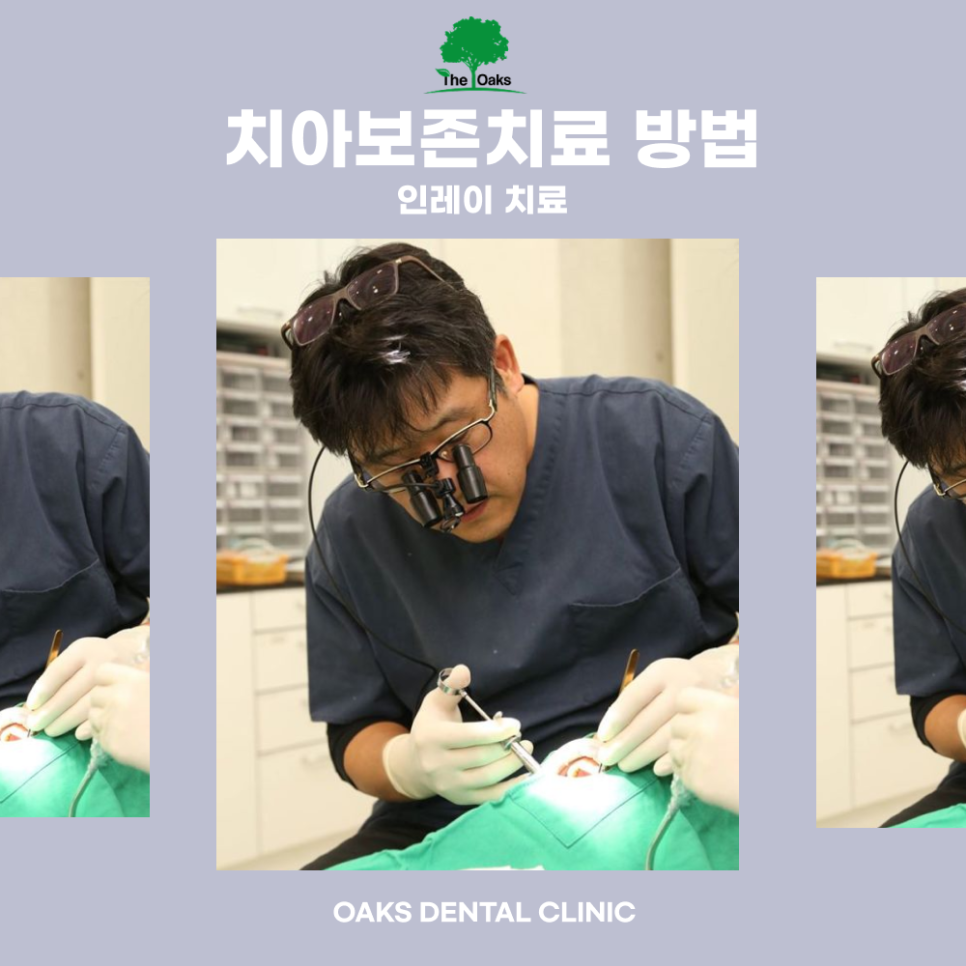
Common Tooth Preservation Treatment Methods
Tooth preservation treatment is performed
using various methods depending on the condition of the tooth.
Resin Treatment
This treatment restores early cavities or small fractured areas
with a material similar in color to the tooth.
It requires minimal removal of tooth structure
and offers excellent esthetics.
Inlay Treatment
This treatment is performed when the cavity
covers a relatively large area.
After the damaged area is precisely removed,
a custom-made restoration is attached.
Root Canal Treatment
This is performed when inflammation develops
in the nerve inside the tooth.
The infected nerve tissue is removed,
the inside is disinfected,
and it is sealed to preserve the tooth.
Apicoectomy
When inflammation remains even after root canal treatment,
this surgical treatment removes inflammation
at the tip of the tooth root.
Periodontal Treatment
This treatment manages inflammation in the gums
and jawbone to help support the tooth.
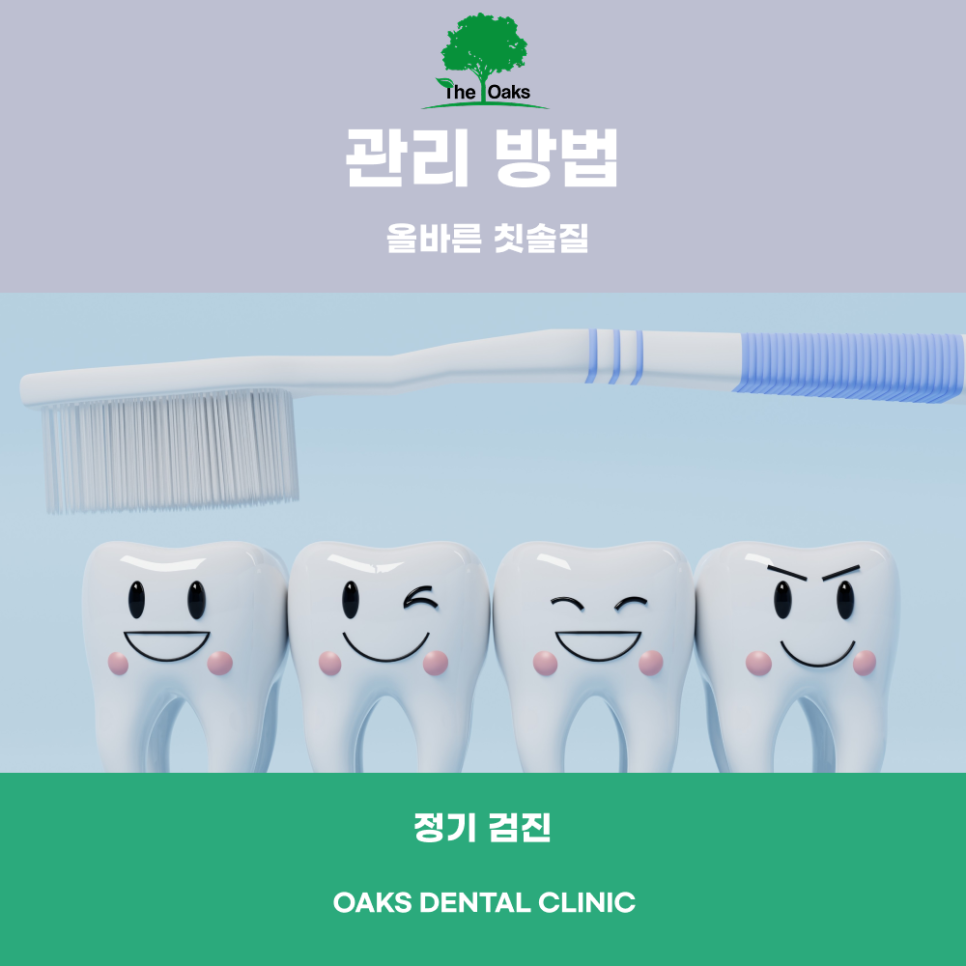
How to Care for Your Teeth After Preservation Treatment
Even after receiving good treatment,
poor care may increase the possibility of recurrence.
The following forms of care are important:
- Maintain proper brushing habits
- Use dental floss and interdental brushes
- Reduce excessive consumption of sugary foods
- Get regular scaling
- Detect problems early through regular checkups
Teeth that have received treatment require
particularly careful care,
so consistent attention is important.
In Closing...
Tooth preservation treatment is not simply about treating a tooth;
it is an important process for maintaining
your natural teeth for a long time.
Because natural teeth cannot be restored once they are lost,
proceeding with treatment aimed at preservation whenever possible
can help support long-term oral health.
If you notice even a minor abnormality in a tooth,
it is important to receive an accurate diagnosis
rather than leaving it untreated.