Hello.
This is Oks Dental Clinic.
When a tooth is lost, it can affect not only chewing function but also the alignment of the surrounding teeth and the jawbone.
Therefore, after losing a tooth, it is important to begin appropriate treatment as soon as possible.
Among the available options, implants are a treatment many people choose.
As implant technology has advanced in recent years, more precise and systematic treatment has become possible. One representative method is the navigation implant.
Today, we at the Segok-dong dental clinic will explain what navigation implants are, what advantages they offer, as well as the treatment process and precautions.
What Are Navigation Implants?
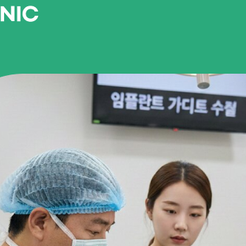
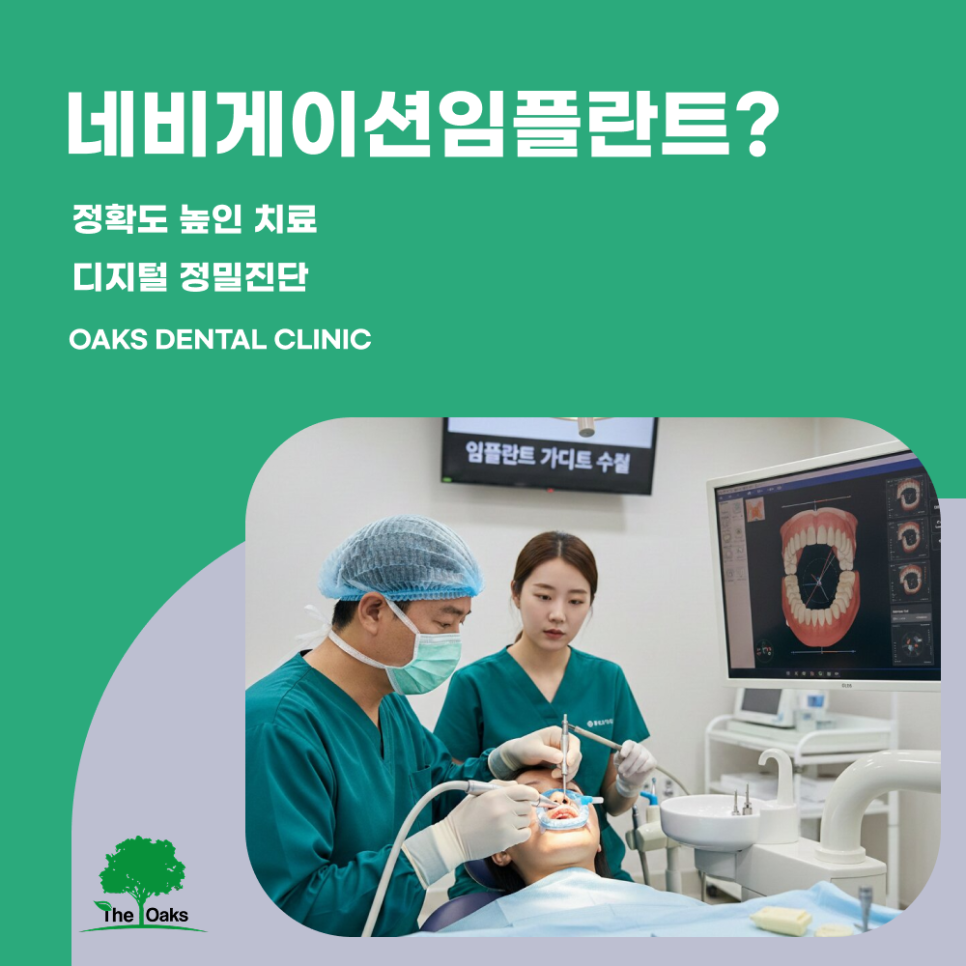
Navigation implants are a type of implant treatment in which the implant placement position, angle, and depth are precisely planned in advance through 3D CT imaging and digital analysis.
Simply put, the patient's oral structures are analyzed before implant surgery, and the most appropriate position is designed through computer simulation.
While conventional implant treatment is primarily based on the medical professional's experience and judgment, navigation implants are carried out in a more systematic and precise manner based on digital data.
In particular, the condition of the jawbone and the location of the nerves can be examined in detail, which helps establish a stable treatment plan.
When Navigation Implants May Be Needed
Navigation implants can be used in a variety of situations.
When the jawbone is insufficient
The condition of the bone can be analyzed precisely to plan a more stable implant placement position.
Older patients
They may be helpful when it is necessary to consider reducing the burden of surgery and providing stable treatment.
When multiple implants are needed
They are highly useful because accurate positioning is important when placing multiple implants.
When diabetes or a systemic disease is present
They may be considered when treatment that minimizes tissue damage and follows a more structured plan is needed.
When a quick recovery is desired
Because the procedure is often performed by reducing the extent of the incision, it may help reduce the burden of recovery.
Advantages of Navigation Implants
High accuracy
Because the implant placement position is planned based on computer analysis, more precise treatment is possible.
Minimized gum damage
Depending on the situation, the procedure can be performed with a smaller incision or without an incision, which may help reduce bleeding and swelling.
Reduced recovery burden
Reducing tissue damage may also have a positive effect on the speed of returning to daily activities.
Stable implant placement
Because the nerve location and bone condition are checked in advance, it is possible to establish a safer treatment plan.
Improved treatment predictability
Treatment results can be simulated in advance, allowing for a more systematic approach.

Navigation Implant Treatment Process
Detailed examination
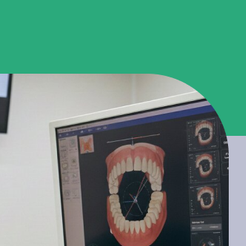
3D CT imaging and oral scans are used to analyze the condition of the jawbone and the location of the nerves.
Establishing a digital treatment plan
A computer program is used to design the implant position, angle, and depth.
Creating a surgical guide
A customized guide is produced so that the implant can be placed precisely according to the planned position.
Implant placement
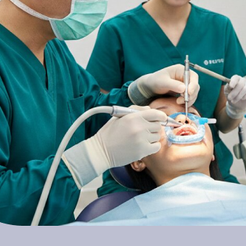
The implant is placed in the planned position using the guide that was created.
Recovery and prosthetic treatment
After the implant has stably integrated with the jawbone, the final prosthesis is connected.

How to Care for Your Implant After Navigation Implant Treatment
Even with highly precise implant treatment, problems may occur if care is insufficient.
Thorough oral hygiene
Food can easily become trapped around implants, so brushing and flossing are important.
Undergo regular checkups
Regular checkups are necessary to examine the condition of the implant and gum health.
Be careful with hard foods
In the early stages, it is advisable to avoid excessively hard or chewy foods.
Refrain from smoking and drinking alcohol
Smoking can have a negative effect on gum recovery and implant maintenance.
In closing...
Navigation implants are an implant treatment performed with greater precision based on digital analysis and detailed diagnosis.
By planning the precise position and angle, they may help achieve stable implant placement and may also help reduce gum damage and the burden of recovery.
However, this method is not applied in the same way to every patient. It is important to accurately examine the current condition of the gums and jawbone and establish a treatment plan suited to the individual.