Jagok-dong Dental Clinic: Do not leave a broken tooth untreated. Treatment methods to preserve your natural teeth!
Hello.
This is Ox Dental Clinic.
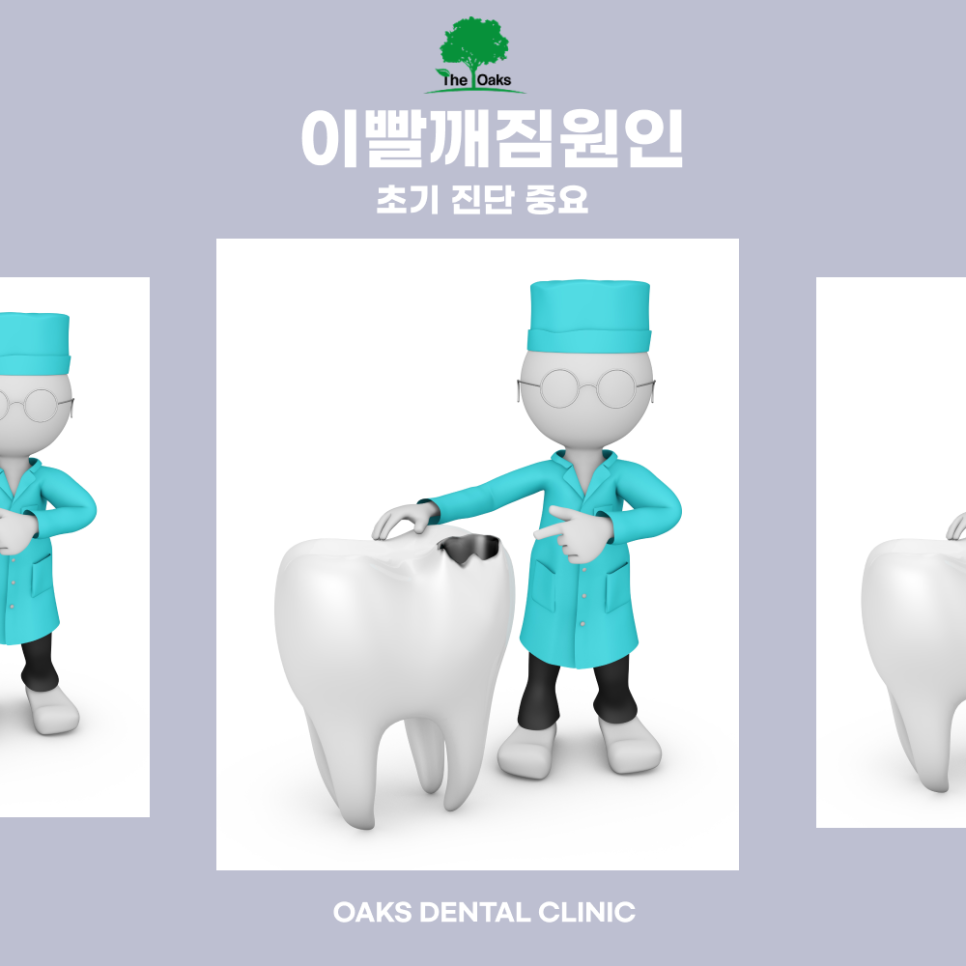
In everyday life, there are times when you unexpectedly experience a tooth breaking.
A tooth may break while chewing hard foods, or the front teeth may be damaged by trauma from falling or bumping into something.
Today, Jagok-dong Dental Clinic will explain why teeth break, what symptoms may appear, as well as treatment and care methods.
Why Do Teeth Break?
Although teeth are hard tissues, they can be damaged by continuous stimulation or strong impact.
Teeth commonly break in the following situations.
Eating hard foods
Repeatedly chewing hard or tough foods such as ice, nuts, or dried squid can cause teeth to crack or partially break.
Trauma or accidents
The front teeth may break due to external impacts such as collisions during exercise, falls, or traffic accidents.
Progression of tooth decay
As tooth decay deepens, the internal structure of the tooth weakens, making it more likely to break even from a minor impact.
Clenching or grinding your teeth
The habit of unconsciously clenching or grinding your teeth can place continuous pressure on them and cause damage.
Old dental restorations
As existing resin fillings or crowns age, gaps may develop or the restoration may weaken, potentially causing damage to the tooth as well.
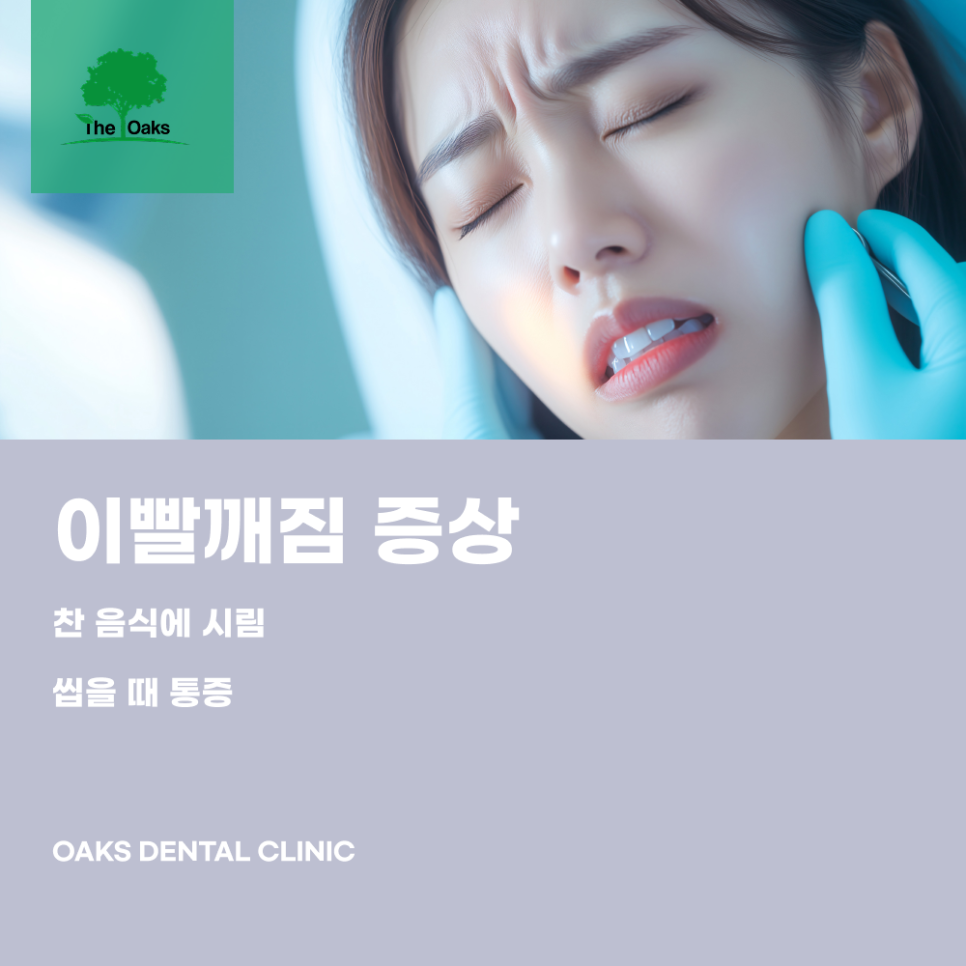
What Symptoms Can Occur When a Tooth Breaks?
A broken tooth does not always cause severe pain.
In fact, small amounts of damage often go unnoticed.
However, you should pay attention if you experience any of the following symptoms.
Part of the tooth feels sharp.
The broken area may catch on your tongue or irritate the mucous membrane inside your mouth.
Sensitivity to cold foods
Stimulation of the nerve through the broken area may cause sensitivity.
Pain when chewing
A cracked tooth may cause pain depending on the pressure applied while chewing.
A change in tooth color
If damage to the nerve inside the tooth progresses, the tooth may gradually become darker over time.
Swollen or inflamed gums
Bacteria may enter through the crack in the tooth and cause inflammation.
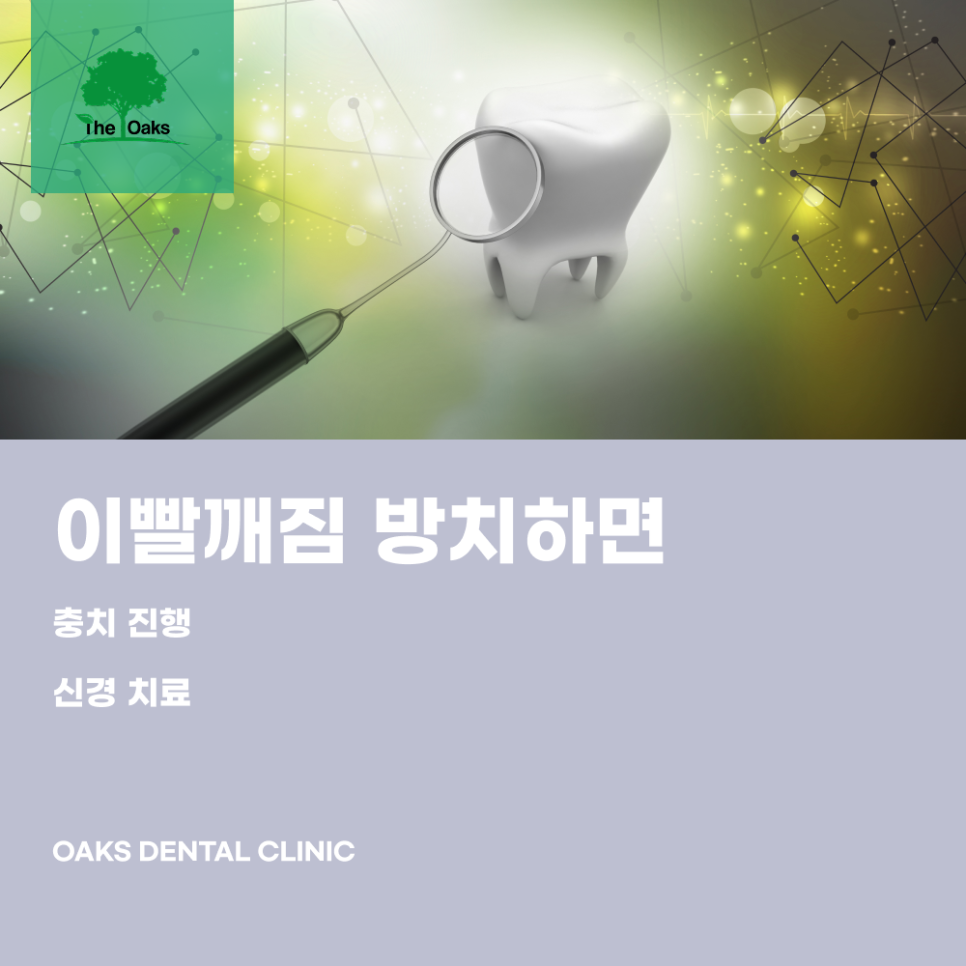
Problems That Can Occur If a Broken Tooth Is Left Untreated
A small break may not appear to be a major problem.
However, a broken tooth may gradually become more damaged over time.
If bacteria penetrate through the crack, tooth decay may progress rapidly. If inflammation spreads to the nerve, root canal treatment may be necessary.
In addition, if the crack in the tooth deepens, the tooth may fracture completely.
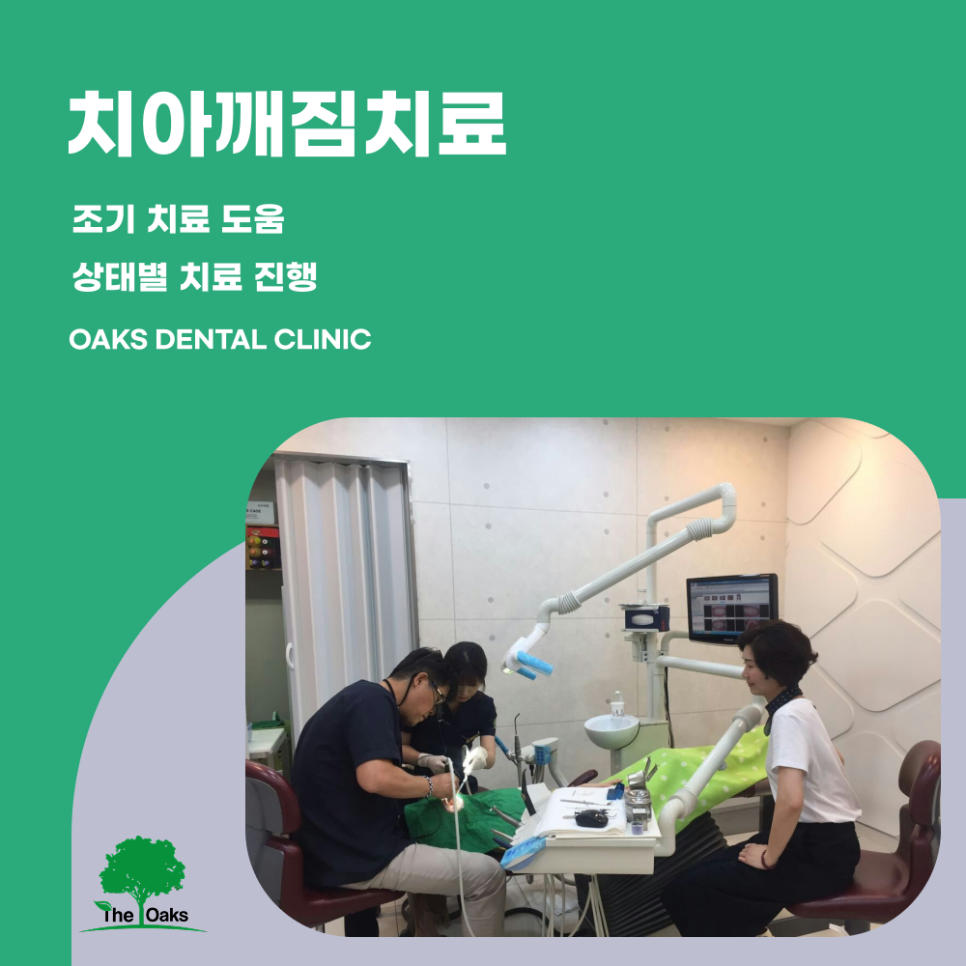
What Treatments Are Available for a Broken Tooth?
The treatment method may vary depending on the extent of the tooth damage.
Resin treatment
This is one of the simplest treatment methods.
When the damaged area is not extensive, the tooth can be naturally restored using a resin material similar in color to the tooth.
Advantages include minimal tooth reduction and the fact that treatment can often be completed on the same day.
Inlay treatment
Inlay treatment may be considered when the damaged area is relatively extensive.
After the damaged area is cleaned and prepared, a custom-made dental restoration is produced and placed.
Crown treatment
When the tooth is extensively damaged or root canal treatment is necessary, crown treatment may be performed.
Because a crown covers and protects the entire tooth, it can help restore function and prevent further damage.
Root canal treatment
If the break has affected the nerve, root canal treatment may be necessary to remove the infected nerve tissue and disinfect the inside of the tooth.
Extraction and dental implants
If the tooth is severely fractured and difficult to preserve, extraction followed by implant treatment may be considered.
However, dental clinics generally first consider treatment options aimed at preserving the natural tooth whenever possible.
Things to Keep in Mind After a Tooth Breaks
If your tooth breaks, it is advisable to keep the following points in mind.
Do not chew with the broken area
To reduce the risk of additional fracture, it is best to use the teeth on the opposite side.
Visit a dental clinic promptly
Because the damage may worsen over time, it is important to get an examination as soon as possible.
Keep the broken tooth fragment
If possible, storing the broken fragment and bringing it with you may be helpful.
Avoid irritating foods
Hot or cold foods may cause pain, so it is best to be cautious.
In Closing...
A broken tooth is not merely a cosmetic issue; it can be an important problem connected to your overall dental health.
Even a small crack or break may lead to tooth decay or nerve damage if left untreated, making prompt diagnosis and appropriate treatment necessary.
In particular, the earlier tooth damage is addressed, the greater the possibility of preserving the natural tooth.
If your tooth has broken or you feel discomfort, do not simply endure it and move on. We recommend confirming the current condition through an accurate examination.