Hello.
This is Ox Dental.

Wisdom teeth are the last teeth to grow
at the very back of the mouth, usually
beginning to emerge in the late teens or
early twenties.
However, not all wisdom teeth
grow normally.
They often grow partially through the gums
or remain completely buried beneath them.
This is known as an impacted wisdom tooth.
Today, Dogok-dong Dentist will explain
what impacted wisdom teeth are,
why they can cause problems, and
the extraction process and aftercare.
What Are Impacted Wisdom Teeth?
An impacted wisdom tooth is a tooth that
has not erupted normally and remains
partially or completely buried in the gums
or jawbone.
Because wisdom teeth are the last teeth
to grow, there is often not enough space
for them.
As a result, they may grow at an angle
or emerge while pressing against the
adjacent teeth.
Impaction can take various forms.
A tooth that is completely buried in the gums
A tooth that has emerged through only part of the gums
A tooth lying toward the adjacent tooth
A tooth positioned deep inside the bone
In particular, lower wisdom teeth are often
located close to nerves, making an accurate
diagnosis important.

Why Can Impacted Wisdom Teeth Cause Problems?
It is easy to think of an impacted wisdom tooth
as simply “a tooth that has not emerged,”
but it can cause various problems.
Damage to Adjacent Teeth
A wisdom tooth that grows at an angle
may continuously press against the molar
in front of it.
This can damage the roots of adjacent teeth
or lead to cavities.
In particular, the space between the wisdom
tooth and molar is difficult for a toothbrush
to reach, making it easy for bacteria and
food debris to accumulate.
Recurring Gum Inflammation
When only part of a wisdom tooth has erupted,
bacteria can enter through the gap in the gums
and cause repeated inflammation.
The gums may swell and become painful, or
it may become difficult to open the mouth.
In severe cases, this can even lead to facial swelling.
Increased Risk of Cavities
Because impacted wisdom teeth are difficult
to clean, cavities often develop not only in
the wisdom tooth itself but also in the adjacent tooth.
Cavities in the back molars are often detected
late, so extra caution is needed.
Possible Effects on Tooth Alignment
Many people feel that as a wisdom tooth grows,
it pushes against the front teeth and may affect
their alignment.
Although this varies from person to person,
pressure may occur when there is insufficient space.

What Symptoms Can Impacted Wisdom Teeth Cause?
Impacted wisdom teeth often cause
no symptoms.
However, if the following symptoms
recur, an examination may be needed.
The gums swell frequently.
A throbbing sensation occurs at the very back of the mouth.
Pain is felt when chewing food.
Bad breath becomes worse.
It is uncomfortable to open the mouth.
The area around the jaw becomes swollen.
It is especially important not to leave the condition
untreated if inflammation occurs repeatedly.
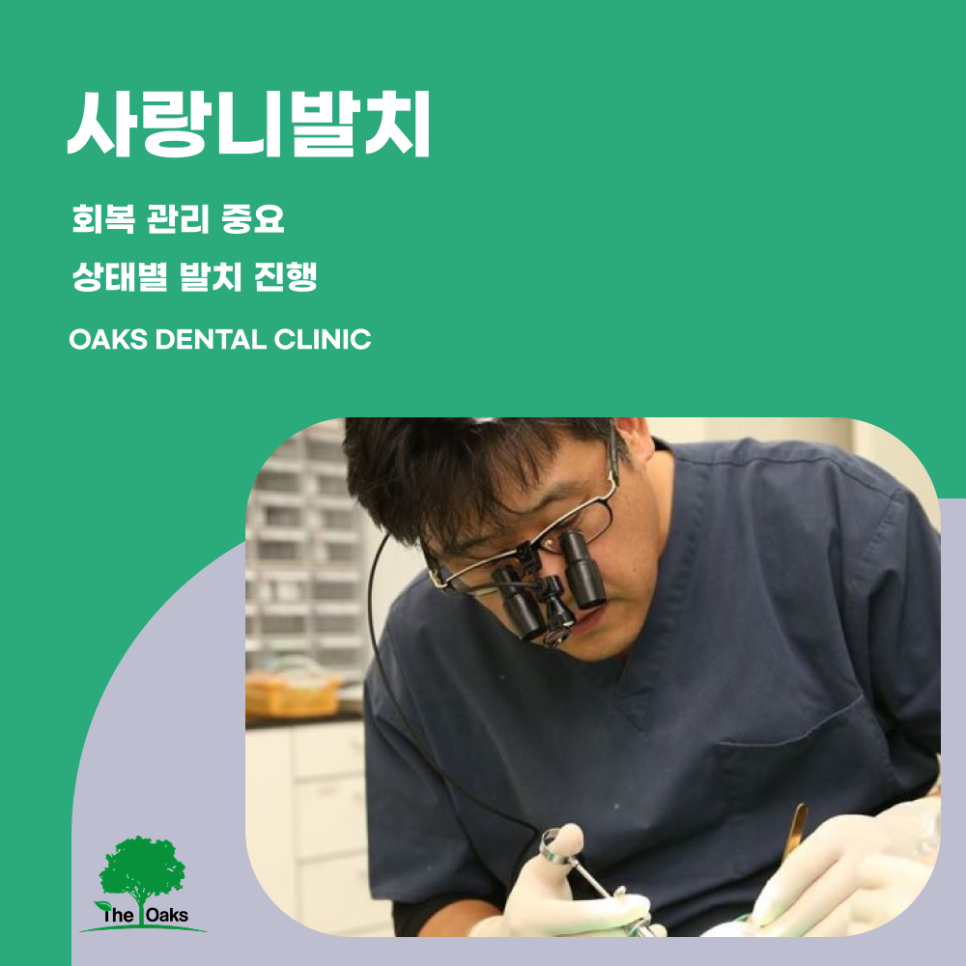
Impacted Wisdom Tooth Extraction Process
Extracting an impacted wisdom tooth may require
a more precise procedure than a regular extraction.
Detailed Examination
X-rays and CT scans are used to check
the position of the wisdom tooth and the nerves.
For lower wisdom teeth in particular, it is very
important to check the distance from the nerves.
Local Anesthesia
The extraction is performed after sufficient
anesthesia is administered to reduce pain.
Gum Incision and Tooth Separation
Depending on the degree of impaction, the gums
may be incised, or the tooth may be divided
and removed.
Suturing and Recovery Care
If necessary, the site is sutured after extraction,
and the recovery process is monitored.
Precautions After Extraction
After an impacted wisdom tooth is extracted,
proper recovery care is very important.
Avoid irritating the extraction site
Avoid using straws
Do not spit excessively
Refrain from smoking and drinking alcohol
Avoid hard and hot foods
Take prescribed medication as directed
In particular, the blood clot that forms after
extraction plays an important role in recovery,
so it is best to avoid excessive irritation.
In Closing...
Impacted wisdom teeth are one of the common
oral health problems, but the outcome can vary
greatly depending on whether they are left untreated.
Because wisdom teeth vary widely in position
and shape, it is important to check their current
condition based on an accurate diagnosis.
Even without pain, regular checkups can help
monitor the condition of the wisdom teeth, and
receiving treatment at the appropriate time when
necessary may help protect the health of the
surrounding teeth.
Healthy teeth begin with small acts of care.
If you would like to know the current condition
of your wisdom teeth, we recommend having
them accurately examined through a detailed checkup.