Leaving peri-implantitis untreated may threaten the lifespan of your implant.
Hello.
This is Ox Dental Clinic.
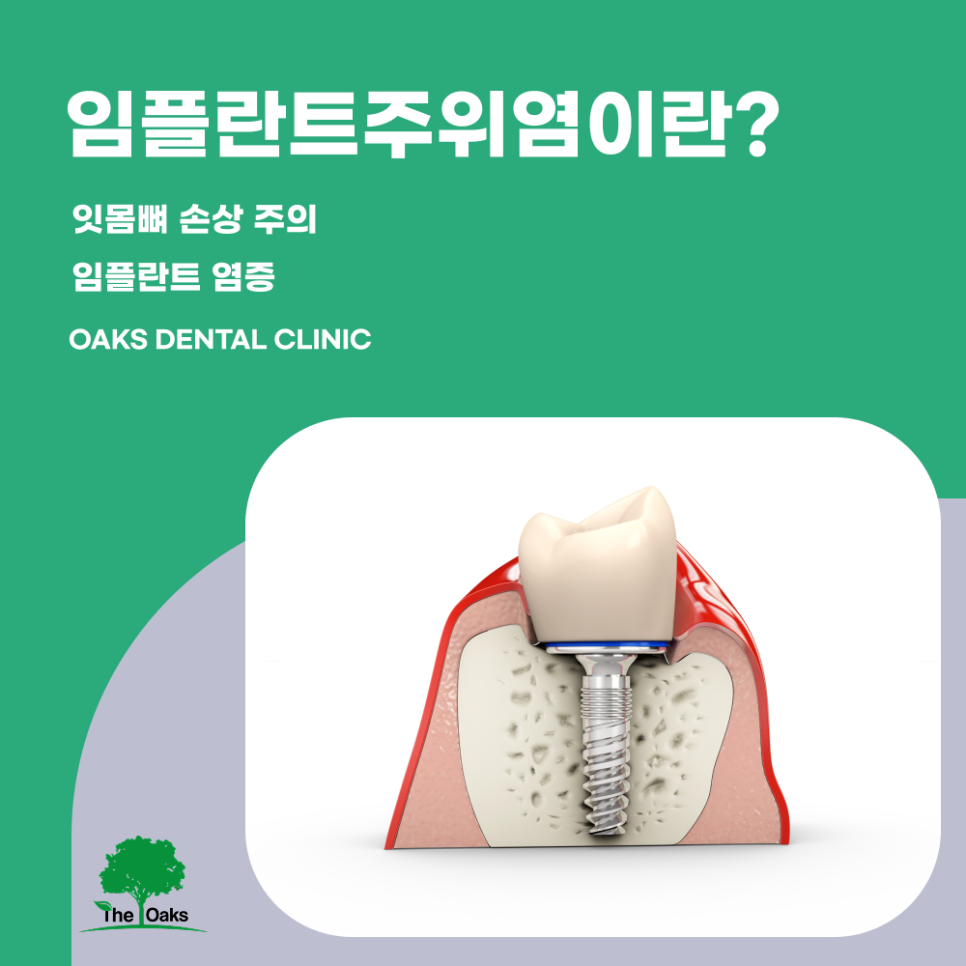
Implants are a representative treatment option that can replace natural teeth, and many people choose them.
Implants are a treatment that can provide both function and esthetics, but care does not end when the treatment is complete.
In fact, if proper care is not provided after an implant is placed, various problems may occur. The most common condition among them is peri-implantitis.
Today, Gyodae Station Dental Clinic will explain what peri-implantitis is, why it occurs, and how it can be treated and prevented.
What Is Peri-Implantitis?
Peri-implantitis refers to inflammation occurring in the gums and jawbone around an implant.
It can be understood as similar to periodontitis that occurs around natural teeth.
At first, it may begin with swelling or bleeding of the gums around the implant. However, if the inflammation continues to progress, it can damage the jawbone supporting the implant.
In particular, unlike natural teeth, implants have a relatively weaker defense structure against inflammation. Therefore, bone loss may occur more rapidly as the condition progresses.
Ultimately, if appropriate treatment is not provided, the implant may become loose or the situation may progress to the point where removal is necessary.
Causes of Peri-Implantitis
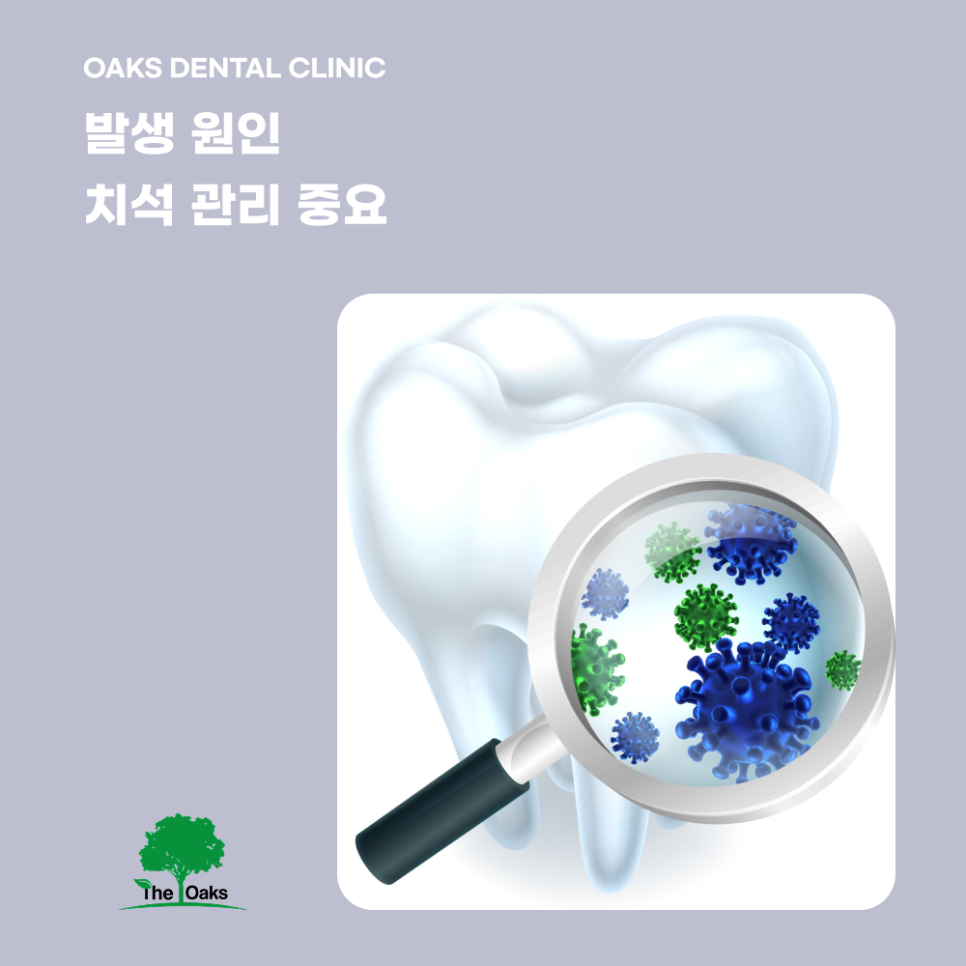
The main causes of peri-implantitis are bacterial plaque and tartar.
When food debris and bacteria continuously accumulate around an implant, inflammation can develop.
The area where the implant meets the gums requires careful care, but it can be difficult to clean because a toothbrush often cannot reach it easily.
The following factors may also increase the risk:
Smoking
Inadequate oral hygiene
Neglecting regular checkups
A history of periodontal disease
Systemic diseases such as diabetes
Excessive occlusal force
Teeth grinding and clenching habits
In particular, people who have lost teeth due to periodontitis are more likely to develop peri-implantitis and therefore need to take especially thorough care of their implants.
What Problems Can Occur If Peri-Implantitis Is Left Untreated?
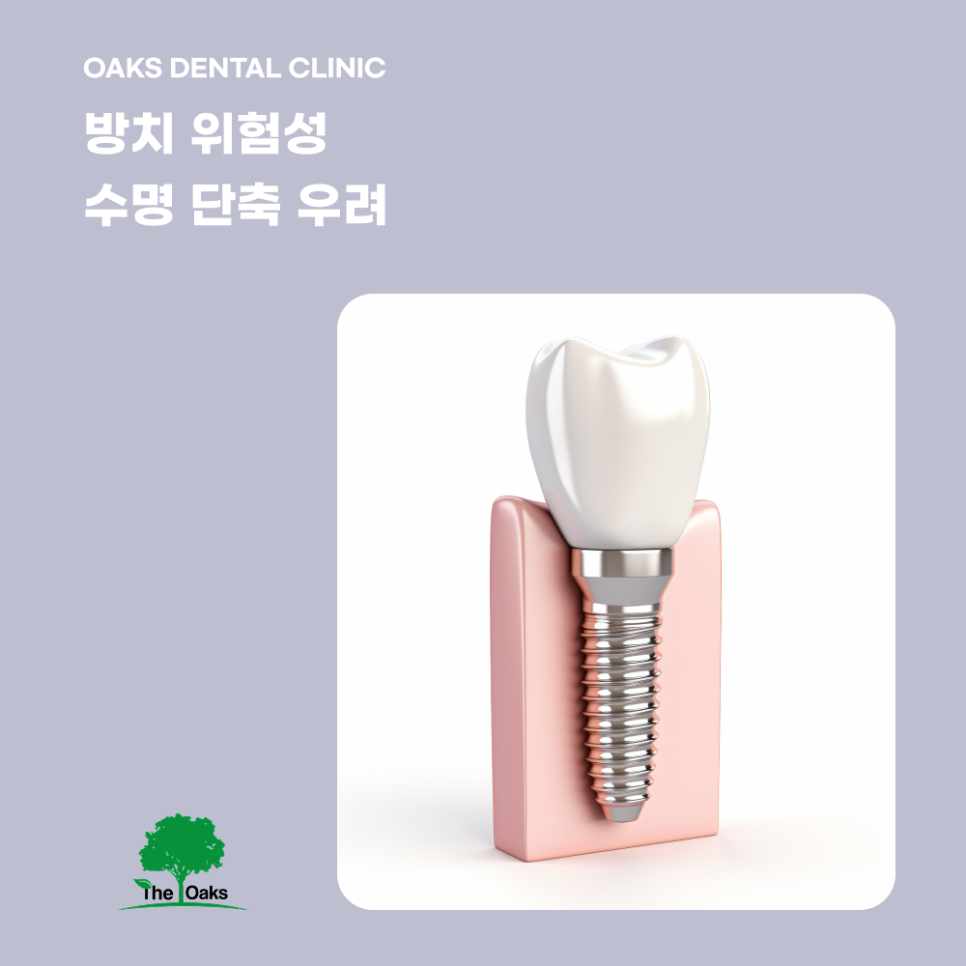
Early inflammation may improve with relatively simple care, but if it is left untreated, the problem can gradually become more serious.
When the inflammation progresses to the jawbone, the bone supporting the implant may begin to deteriorate.
If sufficient bone cannot be maintained, the implant may become loose, and functional problems may also occur.
In severe cases, the implant may need to be removed, and bone grafting may then be necessary before another implant can be placed.
Therefore, even if you have no symptoms, it is very important to check the condition through regular examinations.
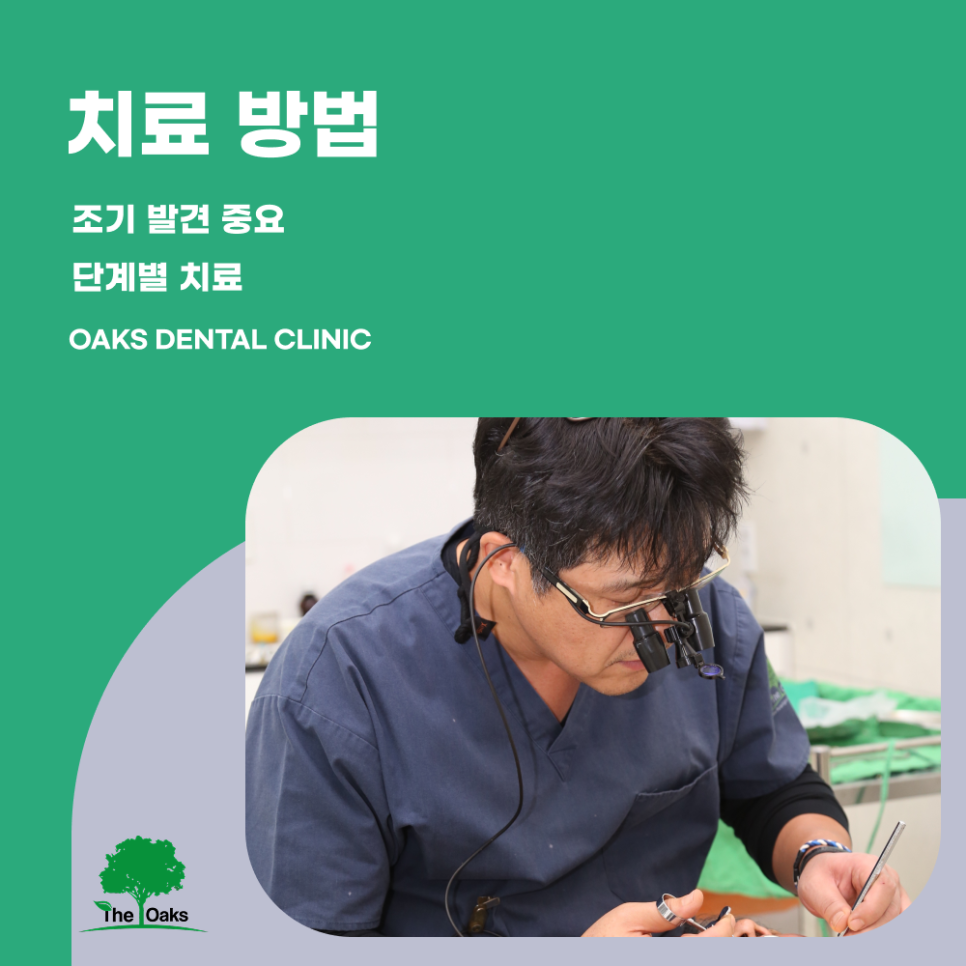
Treatment Methods for Peri-Implantitis
Treatment methods may vary depending on how far the inflammation has progressed.
Early Stage
If the inflammation is limited to the gums, it can be managed through professional scaling and cleaning around the implant.
The key is to remove bacteria and tartar and improve oral hygiene.
Moderate Stage
If the inflammation has become deeper, more precise treatment of the tissues around the implant may be necessary.
Medication may also be used as needed.
Advanced Stage
If jawbone loss has occurred, surgical treatment may be necessary.
Bone regeneration treatment may be performed along with the removal of inflamed tissue, and various methods may be applied depending on the condition.
Care Methods for Preventing Peri-Implantitis
Prevention is especially important for peri-implantitis.
Practice proper toothbrushing
Use dental floss and interdental brushes
Have regular scaling
Maintain regular checkups
Reduce smoking
Manage teeth-grinding habits
Maintain a balanced diet
In particular, remember that implants require even more careful management than natural teeth.
In Closing...
Peri-implantitis is a condition that can occur in anyone with an implant.
There may be little or no pain in the early stages, but if left untreated, it can directly affect the lifespan of the implant. Therefore, early detection and care are important.
The success of implant treatment is often determined not only by the placement procedure but also by subsequent maintenance.
If the gums around your implant frequently swell or bleed, do not dismiss it as a minor symptom. Please undergo an accurate examination.