Hello.
This is Oks Dental Clinic.
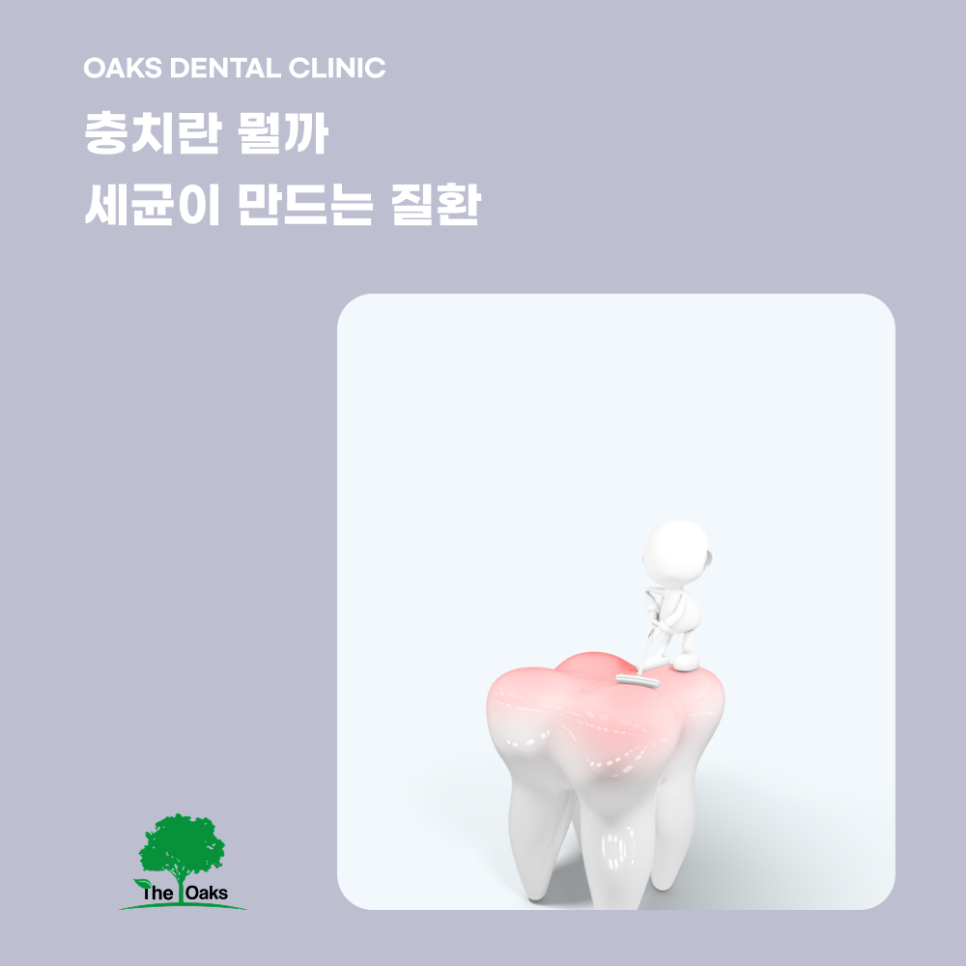
Teeth play an important role not only in chewing food, but also in accurate pronunciation and maintaining oral health.
However, cavities can develop in anyone, even if you believe you brush your teeth regularly.
In particular, early-stage cavities often have no noticeable symptoms, so they are frequently discovered late.
Many people think treatment is only necessary once their teeth start to hurt, but cavities are a condition that gradually becomes deeper over time.
Leaving cavities untreated can expand the scope of treatment, and in severe cases, may lead to root canal treatment or even tooth extraction. Therefore, early detection and appropriate treatment are important.
Today, Gangnam-gu Dental Clinic will explain what cavity treatment is, how cavities progress, and why prompt treatment is necessary.
What Are Cavities?
Cavities are a condition in which teeth are damaged by acids produced when bacteria in the mouth break down the sugars in food.
At first, the enamel, the outermost layer of the tooth, begins to suffer damage. However, without appropriate treatment, the damage gradually spreads to the dentin and pulp (nerve).
Because cavities do not heal naturally, it is important to receive treatment before they progress.
The risk of developing cavities may be higher, particularly if you frequently consume sweet foods or carbonated drinks, or if you do not brush your teeth adequately.
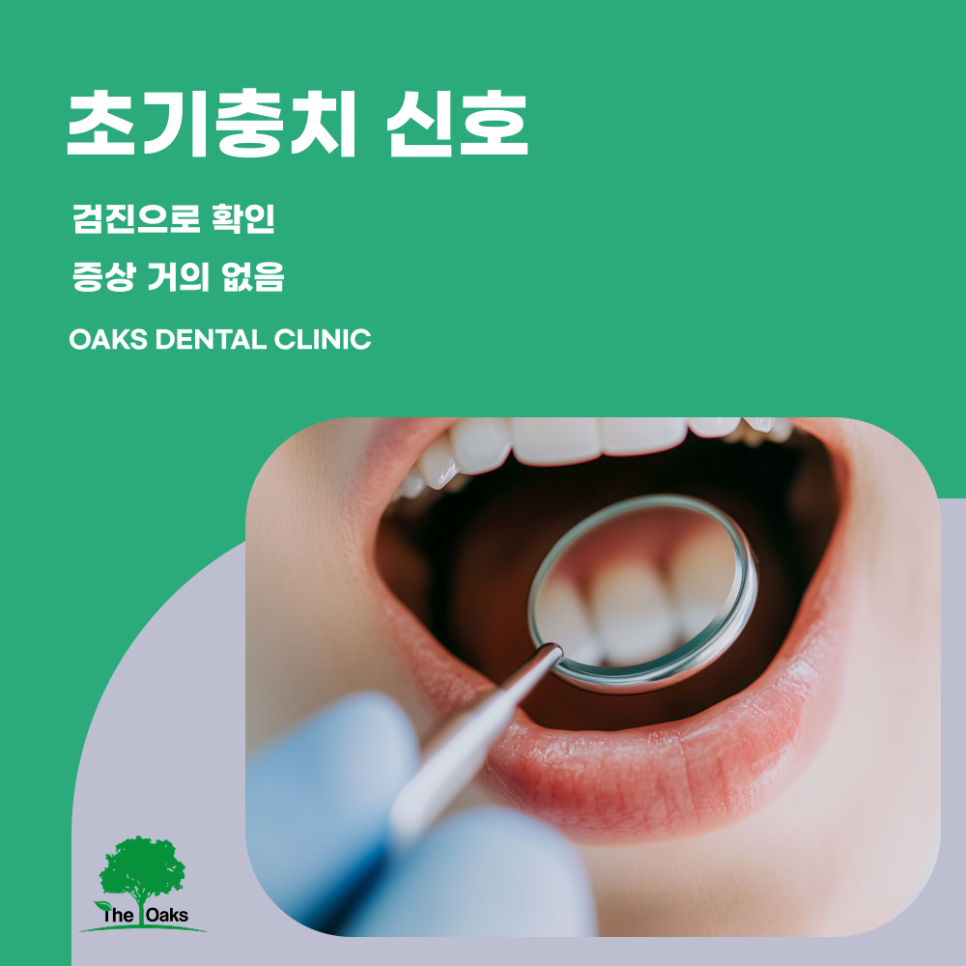
Why Are Early-Stage Cavities Difficult to Detect?
In the early stages, cavities often cause little or no pain.
The only changes may be that the tooth surface becomes whiter or develops brown or black discoloration, and many people may not experience any discomfort in their daily lives.
However, the absence of symptoms does not mean that the cavity has stopped progressing.
Cavities continue to progress and damage the inside of the tooth, so regular dental examinations are important for early detection.
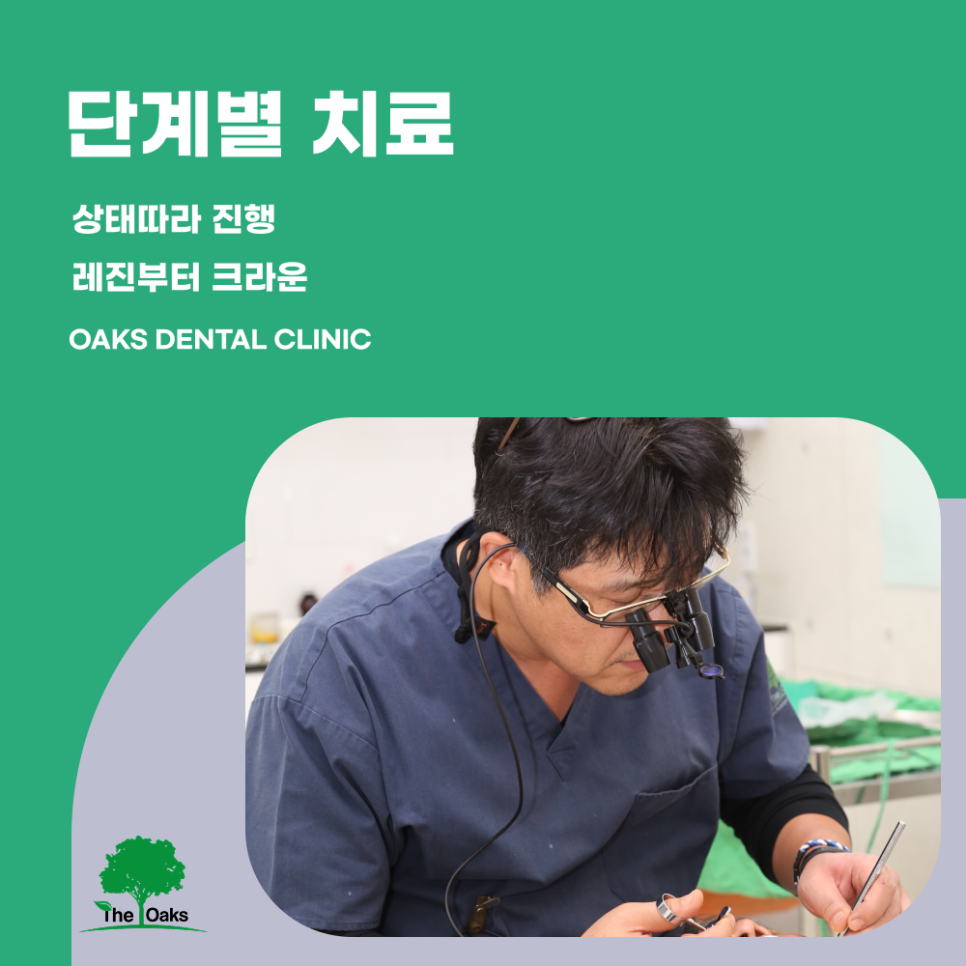
Treatment Methods According to the Stage of Cavity Progression
The treatment method for cavities may vary depending on how far they have progressed.
If a cavity is limited to the enamel or part of the dentin, treatment may involve removing the damaged area and restoring it with composite resin.
If the cavity is extensive and the tooth has suffered significant damage, an inlay or crown may be necessary.
These treatments can help protect the damaged tooth and restore its function.
If the cavity has progressed to the tooth’s nerve, root canal treatment is performed to remove the infected tissue, followed by prosthetic treatment.

What Problems Can Occur If Cavities Are Left Untreated?
If cavities are left untreated, bacteria can penetrate into the inside of the tooth, causing the pain to become more severe.
If the inflammation spreads around the tooth root, the gums may swell or pus may develop. In severe cases, it may become difficult to preserve the tooth.
Tooth loss can reduce chewing function and may also affect the alignment of the surrounding teeth, making early treatment important.
Care After Cavity Treatment Is Also Important
Care does not end when cavity treatment is complete.
Because cavities can recur even after treatment, it is important to maintain proper oral care habits.
In addition to brushing thoroughly after meals, it is recommended to clean between the teeth using dental floss or an interdental brush.
It may also be helpful to reduce your intake of foods high in sugar and receive regular dental examinations to check for cavities.
In Closing...
Cavities are a common condition that can affect anyone, but the extent of treatment and the prognosis may vary depending on when they are detected and treated.
In particular, early-stage cavities often have no noticeable symptoms. If you wait until pain appears before visiting the dentist, treatment may become more complicated than expected.
Therefore, it is important to practice proper oral care habits and check the condition of your teeth through regular dental examinations.
If even small cavities are not left untreated and are treated at the appropriate time, this may help you maintain your natural teeth in good health for longer.